AI agents found and exploited an unknown flaw in MONAI Label, and version 0.8.6 fixes it
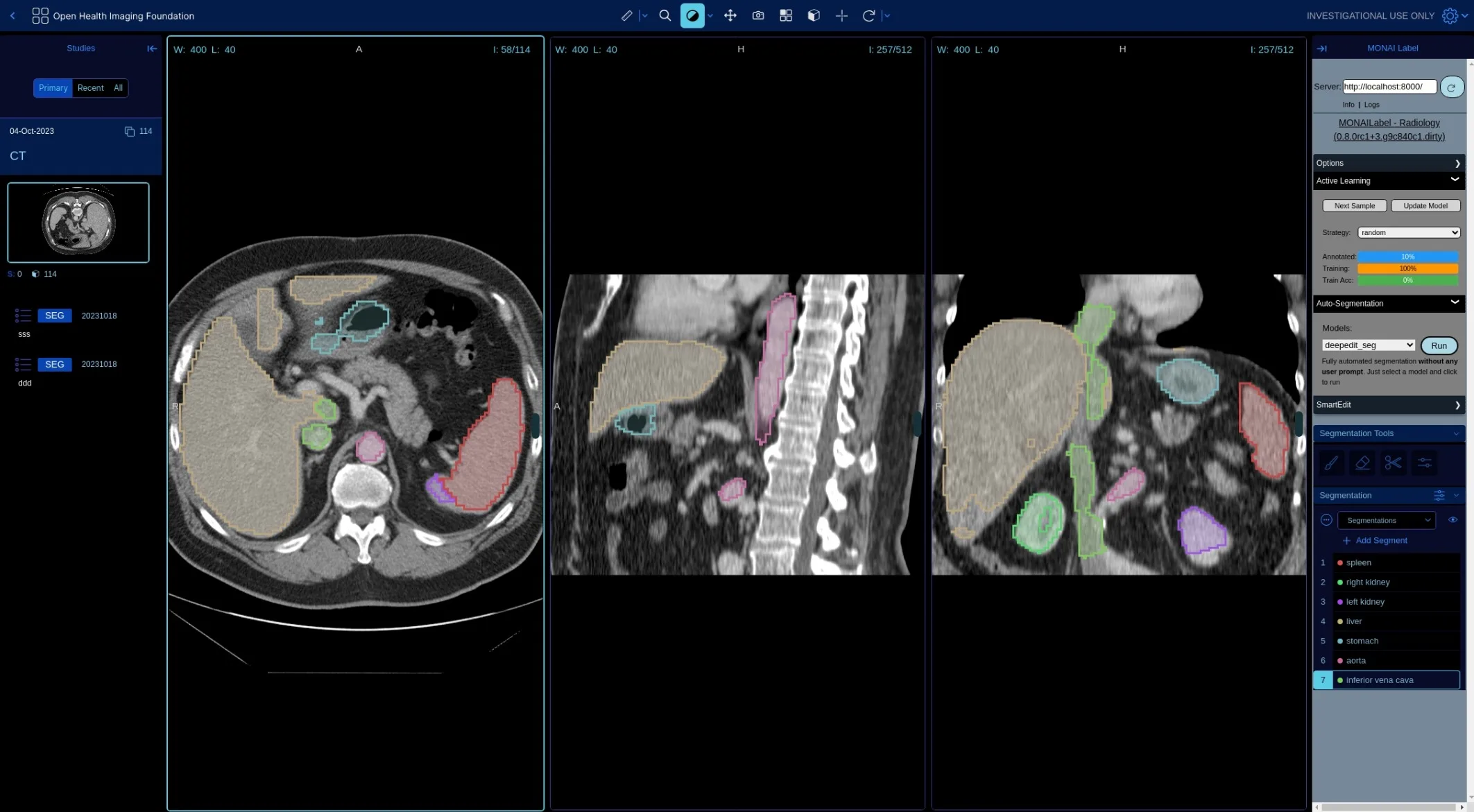
An attacker gave AI agents a goal and a list of addresses, and AWS says the agents found a flaw nobody had reported and took over a server with it. Public records point to MONAI Label, a tool for labeling medical images whose authentication is off by default. Anyone who runs it should upgrade and check whether the server was already compromised.
Source
Chinese-nexus actor’s Cairn AI agents found a zero-day on their ownAWS Security Blog · Original published November 20, 2026
On November 20, 2026, Amazon Threat Intelligence described an attack in which AI agents found a previously unknown vulnerability in a medical imaging application and used it to take full control of a server. AWS does not name the application, but public records point to MONAI Label, an open-source tool for labeling medical images. Version 0.8.6 fixes the flaw. On November 23, 2026, the US cybersecurity agency CISA added it to its catalog of vulnerabilities under active attack.
The attacker used Cairn, an open-source framework for penetration testing that coordinates several AI agents. Their goal was to obtain shell access, meaning the ability to run commands on someone else's machine. According to AWS, the campaign ran for about 48 hours from September 8 and targeted universities in East Asia outside mainland China. AWS discovered it on September 10, because the attacker had left the Cairn server on the internet without authentication.
AWS says the agents mapped the application's API on one server, found an upload endpoint, and tested whether its filename parameter could point outside the intended folder. It could, a weakness known as path traversal. About 11 minutes passed between mapping the API and writing files to the server. In a later session, the agents planted a file that Python loads at startup, triggered a training job, and got a remote shell as root, the account with the highest privileges.
The agents did not work entirely without a person. The attacker chose the targets and, after the discovery, gave the agents a proxy into a second university network. AWS infers that the same flaw was used to break into that network. It ties the campaign to a Chinese-nexus actor with moderate confidence, and it does not say which AI models the agents used or how many servers were taken over.
What MONAI Label operators should do
AWS says it notified the project's maintainers, who released a fix and a GitHub Security Advisory. The MONAI Label advisory credits an AWS security account with the original report. The GitHub database entry for CVE-2026-133968 lists the AWS post among its references and says the flaw has been exploited since September 2026. This suggests that MONAI Label is the application AWS described.
The flaw affects every version up to and including 0.8.5. Authentication is disabled by default, so the project warns that any client that can reach the server can exploit it. With authentication on, the ANNOTATOR role is enough. Version 0.8.6, released on November 22, also closes a second path traversal in session uploads. The project advises server operators to do the following:
- upgrade to 0.8.6, including Docker deployments;
- set
MONAI_LABEL_AUTH_ENABLE=Trueand grant roles only to trusted users; - keep the server off untrusted networks, whatever the version;
- run it as an unprivileged user that can write only to the datastore;
- if a server on 0.8.5 or older was reachable from an untrusted network, review it for unexpected file changes before returning it to service.
Two operations that failed
AWS also describes attempts that went nowhere. Against an exposed Redis database, the agents performed 148 actions over roughly 16 hours and still did not take control. In another operation, they collected about 80 real usernames from public university pages and tested more than 30,000 credential combinations without finding a working login.
CISA gave US federal civilian agencies until November 26, 2026, to address the MONAI Label flaw. The deadline does not bind anyone else, although the agency urges all organizations to prioritize vulnerabilities from the catalog.
„These findings show that agentic offensive operations are already happening“
Sources
Once a week, in your inbox
The whole week's news, gathered into one email. No ads, no passing your address on, one-click unsubscribe.
The address is used only for this roundup. It is not sold and not passed to anyone.
Related
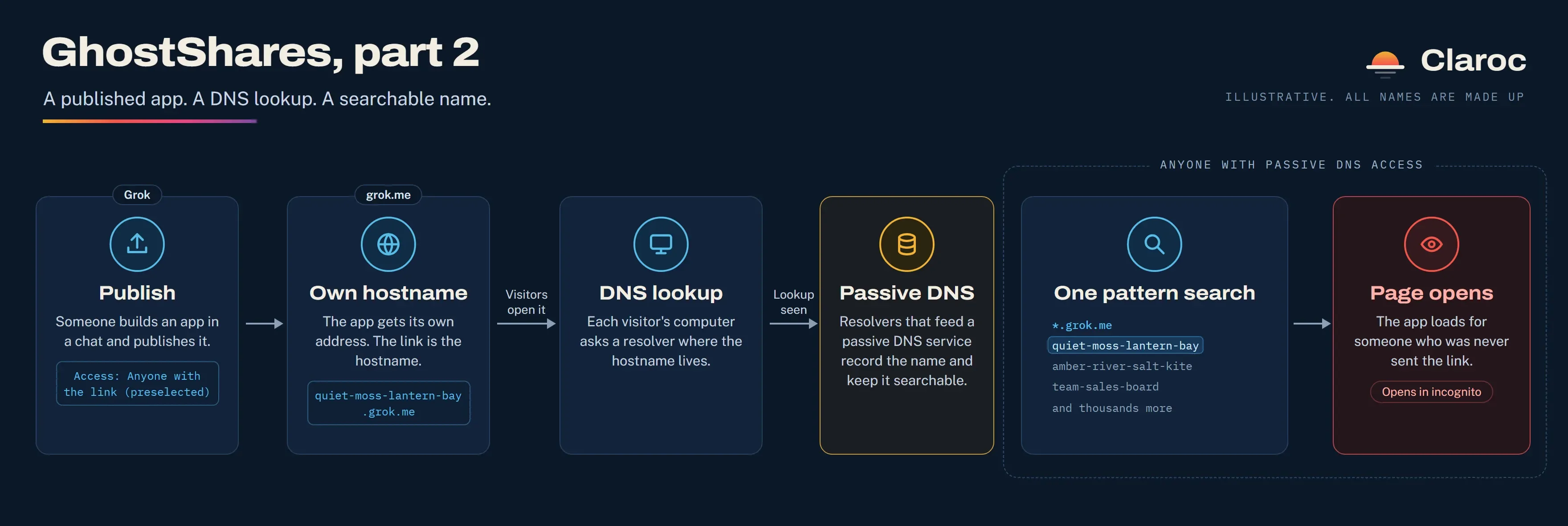
Researchers found 35,578 Grok-built apps open to anyone, 24 of them made by SpaceXSI staff
Security firm Claroc says 94.7% of the Grok apps still online opened without any sign-in, and some held patient records, staff rosters, and plain-text passwords. SpaceXSI says apps stay private until their creator shares them. Claroc's tests found the publish panel already set to Anyone with the link.
Clarocverified
Claude Code’s “don’t ask again” option has put more than 2,500 secrets into public GitHub repositories
Approving a command permanently copies the command, password included, into a project settings file that often gets committed. The security firm Apiiro counted 1,122 public copies of that file holding a real secret. Anthropic says it is looking at ways to prevent it.
Apiiroverified
Next.js 16.4.5 and 15.5.29 fix seven vulnerabilities, most of them in caching
Next.js released a scheduled security update on November 3, 2026, as versions 16.4.5 and 15.5.29. It fixes seven vulnerabilities, one rated high and six rated medium. Four of them can make the cache serve one user's or one tenant's data to someone else. The others cover cookie exposure in Edge routes, response mix-ups behind certain proxies, and an SVG filter bypass.
Next.js Blogverified