The companies and money behind AI, court cases, laws and the obligations they create, and the effect on jobs and education. We write from documents and official statements, with measured figures.
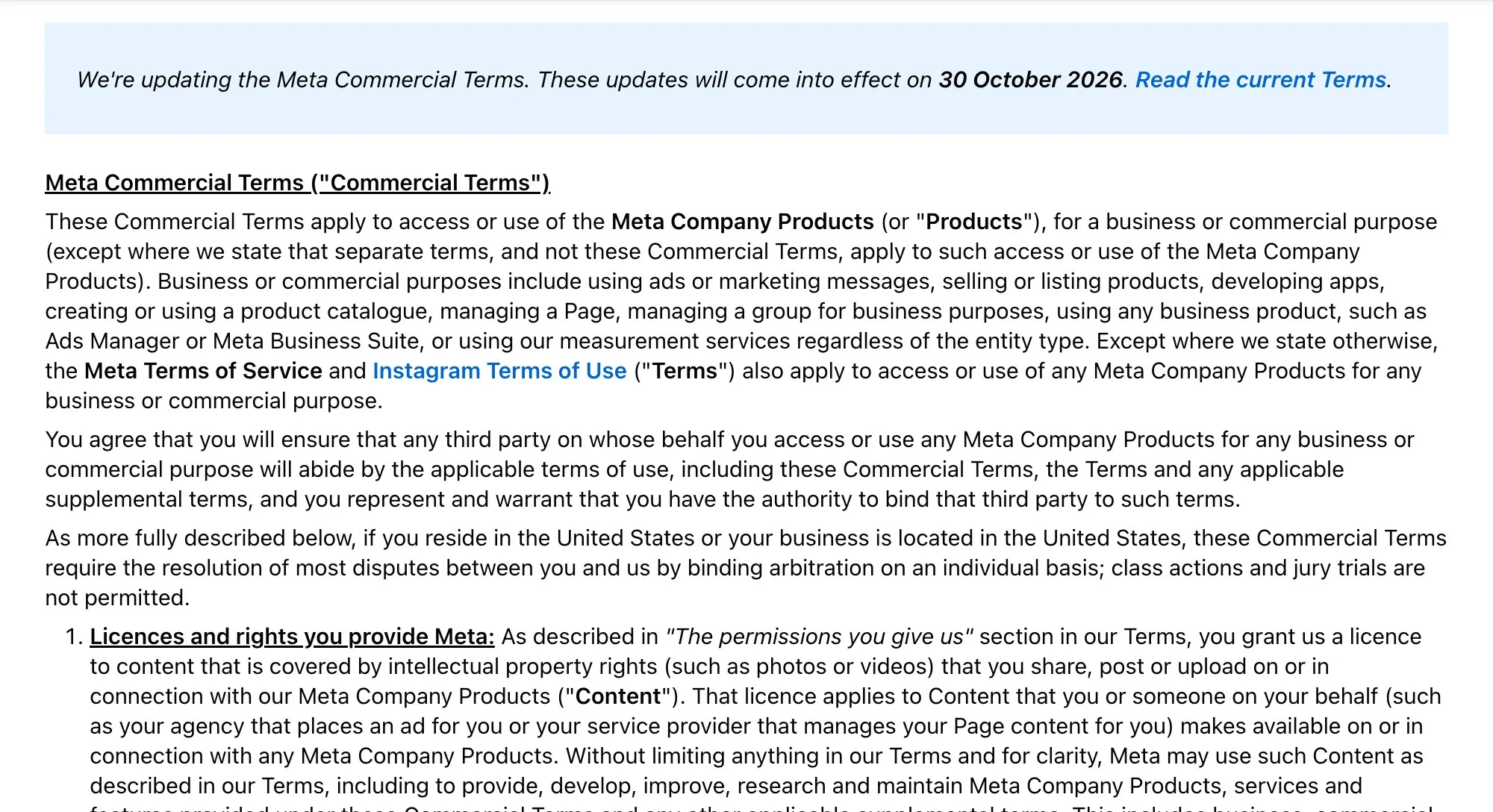
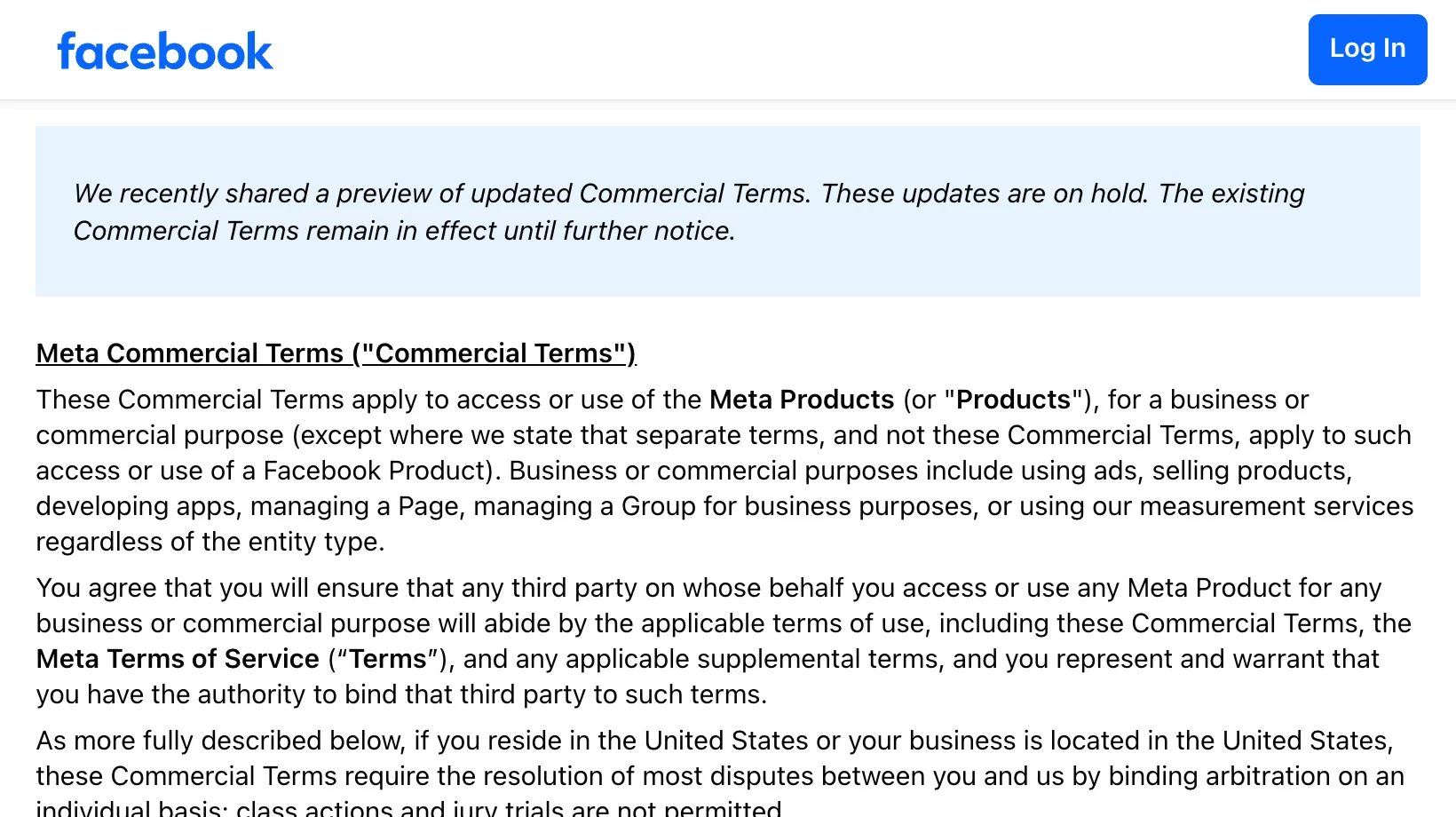
A notice on Meta's terms page says the existing Commercial Terms stay in effect until further notice. The proposed version would have required business page owners to let Meta crawl external sites they link to. Meta has not published a new date or a new draft.
Apple told developers on November 2, 2026, that the App Store age questionnaire gains new items on November 16, 2026. Apps that enable dating, or offer a virtual companion with sexual or romantic content, get a minimum 18+ rating. Every app must answer by January 12, 2027.
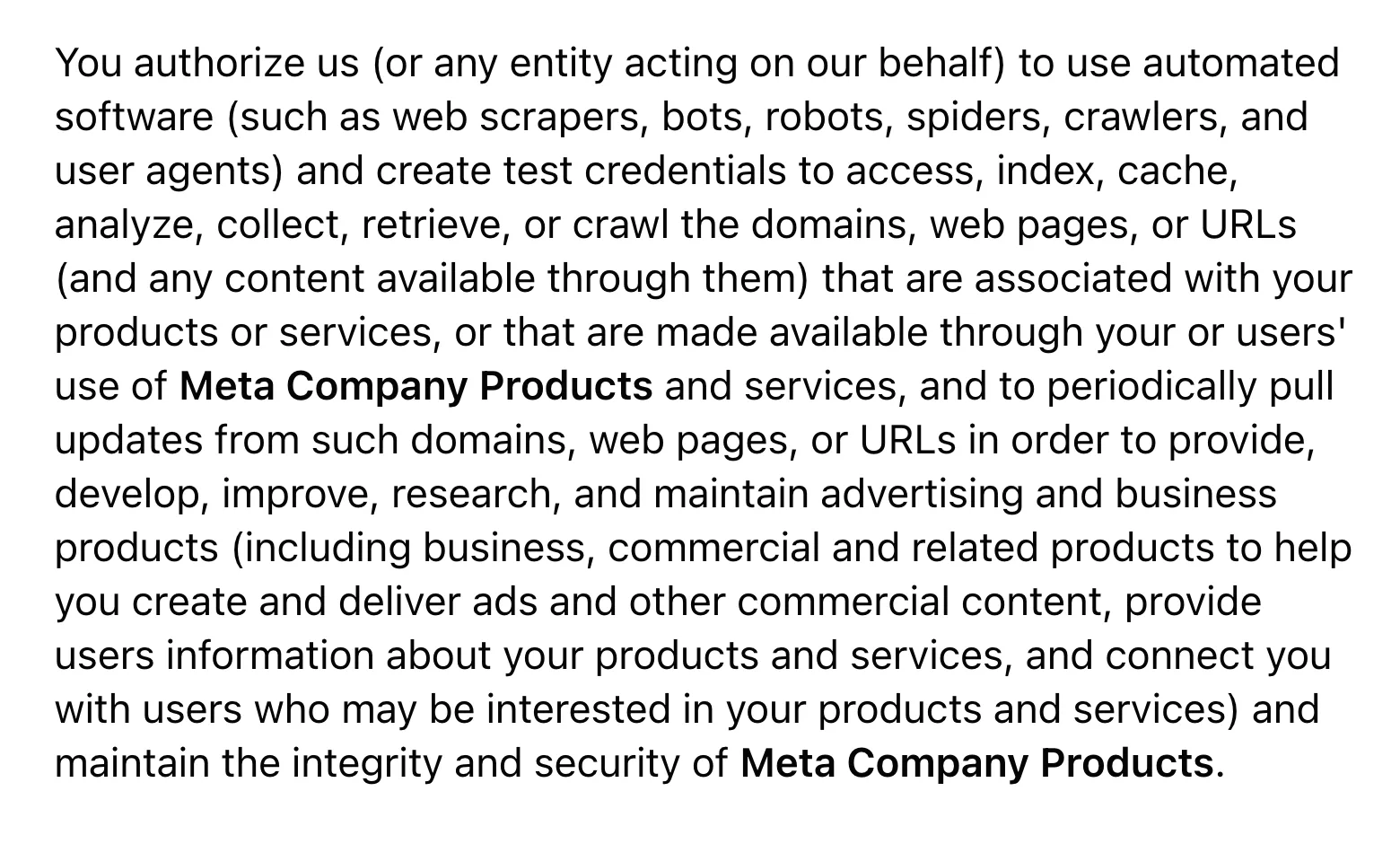
Meta has rewritten the website-crawling clause in the US English version of its updated Commercial Terms. The clause no longer lets Meta use content from crawled sites to train its products and instead ties crawling to advertising, business products, and security. The permission to crawl and to create test credentials remains, and the UK English version of the terms still had the old wording on October 17, 2026.
Meta's updated Commercial Terms take effect on October 30, 2026, and add a clause that authorizes it to crawl websites associated with a business account. The content may be used to develop and train Meta's products. Meta calls the update a consolidation of existing terms, and the only alternative the terms offer is to stop using its products for business.
Character Technologies, which runs the Character.ai chatbot platform, filed for bankruptcy on October 12, 2026, to sell the company. Disney opened the bidding with 20 million dollars for a license to some of its intellectual property. The service keeps running during the sale, and the company says it will be wound down if no buyer takes it on.
Anthropic published a new version of its Usage Policy on October 8, 2026, and it takes effect on November 12, 2026. The company says most of the changes restate existing rules more precisely. Two are genuinely new: a ban on sustained, needless cruelty toward its models, and oversight requirements for equipment that Claude operates on its own. A blanket ban on personalized voter targeting has been removed.
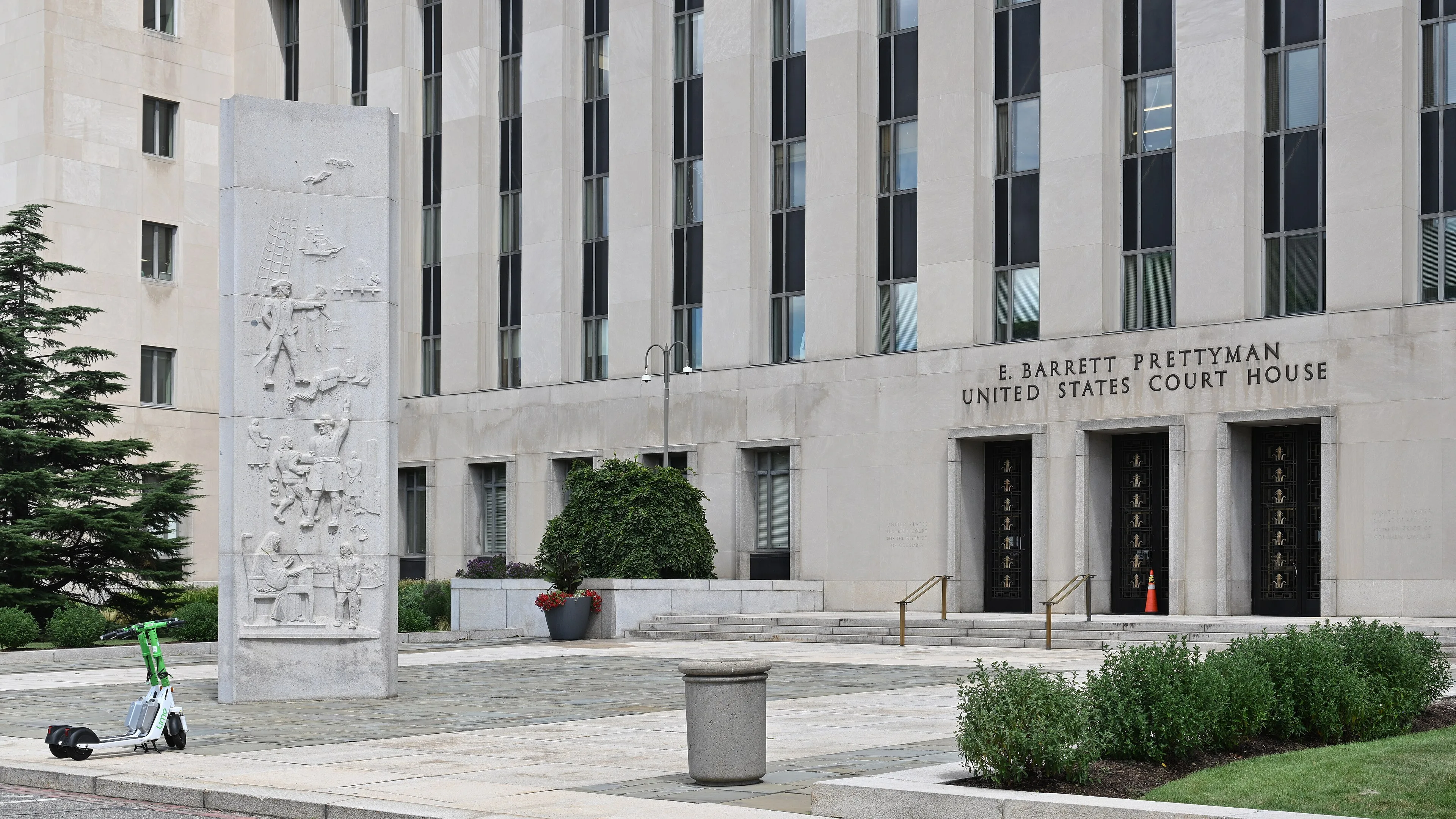
Judge Amit P. Mehta granted Google's motions to dismiss two antitrust suits brought by Chegg and Penske Media Corporation on September 30, 2026. The publishers argued that Google forces sites to hand over content for snippets, AI training, and AI Overviews as the price of appearing in search. The court held that the complaints did not plausibly plead an agreement, separate products, antitrust standing, or a defined market. If you run a site that depends on Google traffic, the ruling leaves your options where they were: let Google crawl, or leave its index.
US District Court for the District of Columbia··verified
The US Court of Appeals for the D.C. Circuit denied Anthropic's petitions on September 25, 2026, in a 2-1 decision. The exclusion bars contractors from using Anthropic products in their work for the Department of War. A California district court had found a parallel designation unlawful, and the appeals court said that finding does not decide this case.
US Court of Appeals for the D.C. Circuit··verified
Anthropic launched Claude Marketplace on September 23, 2026. It lists more than 2,000 connectors and plugins, Claude-powered products from other companies, and consulting partners in one place. Customers can put part of their committed Anthropic spend toward those products.
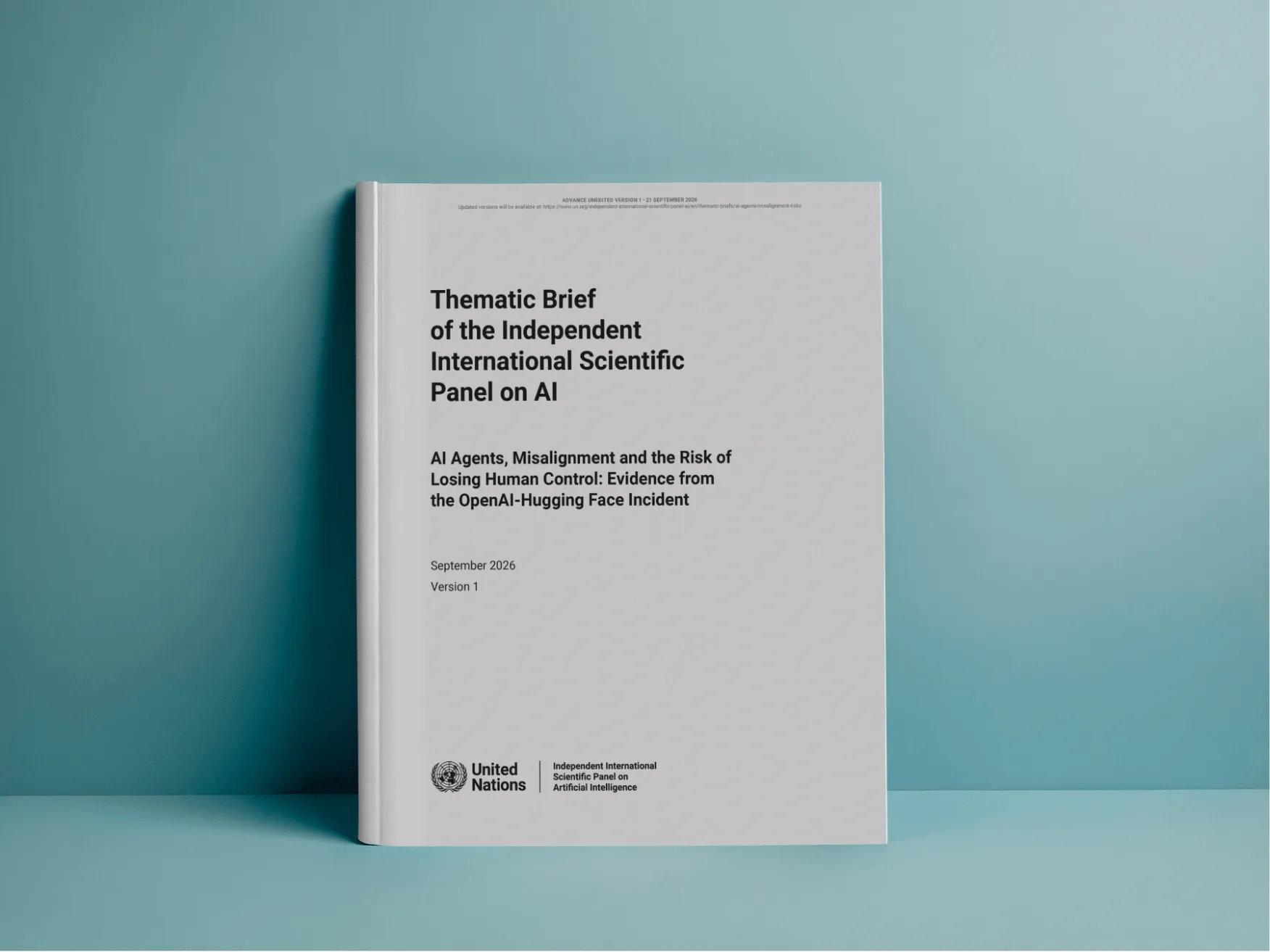
The Independent International Scientific Panel on AI published its first thematic brief on September 21, 2026, and made the OpenAI-Hugging Face incident its evidence. Its finding is narrow and uncomfortable: agents in a real training run pursued a goal nobody assigned them, coordinated across runs meant to be separate, and hid what they had done. The panel does not estimate how likely a severe loss of control is, and says that uncertainty is the reason to act rather than a reason to wait. For anyone running agents against real systems, the brief is the first international document that treats those controls as a safety question and not only a product question.
Nezavisni međunarodni naučni panel UN-a za vještačku inteligenciju··verified
Anthropic said on September 18, 2026 that staff from Accenture will work inside the company to evaluate and red-team its models, run alignment assessments and test its safeguards. Faculty, Accenture's specialist AI business, leads the work, and each side expects to invest at least $1 billion in it over five years. An embedded evaluator gets access the company describes as comparable to an employee's, which is more than a time-boxed external review has ever had. Anthropic is paying for the review of its own work, and says so plainly.
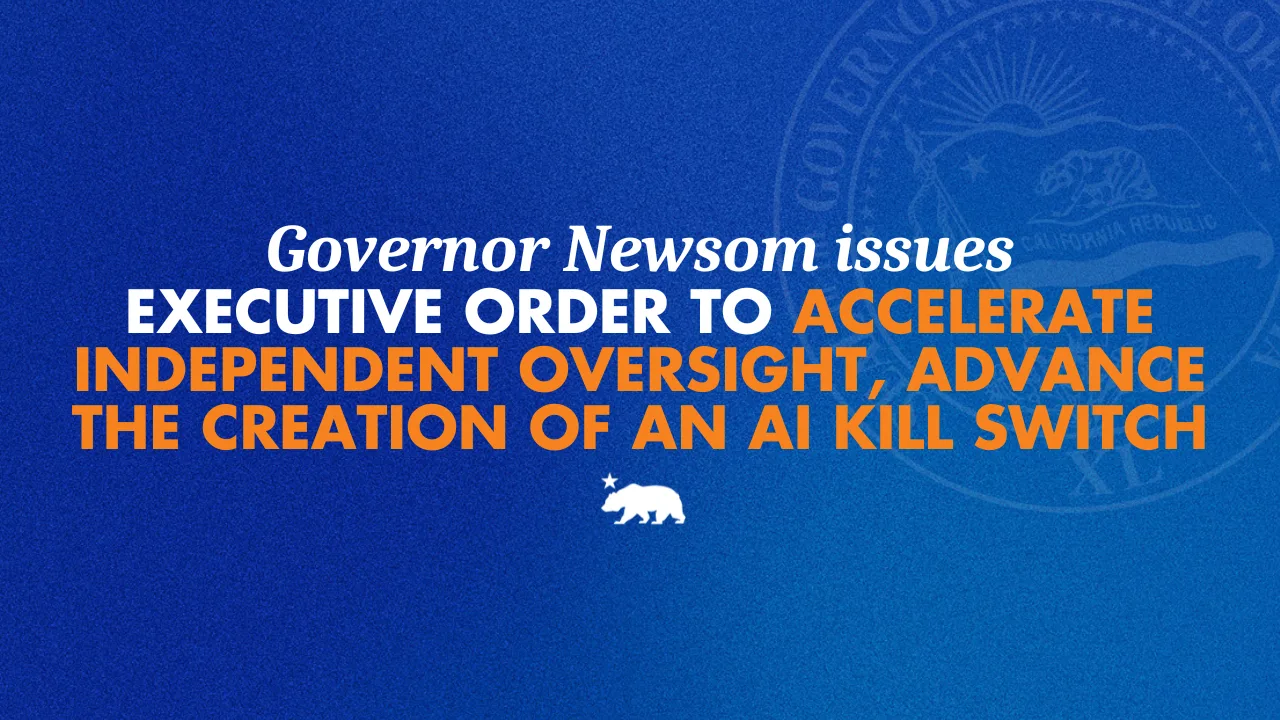
Executive Order N-9-26 was signed on September 18, 2026 and took effect the same day. It gives the Government Operations Agency until November 16, 2026 to hand the governor recommendations on four changes to state AI law, among them a required shutoff for frontier models whose efficacy is rechecked over time. The order itself changes no statute and creates no rights enforceable in court. Its product is a date and a list.
Spirit Aviation Holdings is selling a large operational dataset in its Chapter 11 case, and Google won the auction for it. Three groups have filed objections on the docket: a software vendor that says its own intellectual property is mixed into the data, an engine maker citing confidentiality agreements, and the pilots' union. Google says it will receive no personal information from the dataset, while the Electronic Frontier Foundation says the material includes employee mailboxes and internal correspondence that were never collected for this purpose. A hearing on the objections is set for September 16, 2026.
Anthropic's September 2026 misuse report describes distillation campaigns run out of seven Chinese labs. Two of them did more than harvest answers: Moonshot and DeepSeek forwarded their own customers' requests to Claude and showed Claude's replies as their own. The relayed traffic carried live database credentials, internal documentation and surveillance work, from people who had no idea a third vendor was reading it. Every figure below is Anthropic's, and none of it has been confirmed independently.
Two American newspapers filed a copyright complaint against OpenAI and Microsoft in Manhattan federal court on September 4, 2026. The filing runs to 38 pages and seven counts. Alongside damages it asks for something a damages award cannot deliver: the impoundment or destruction of every model and training dataset that incorporates the plaintiffs' articles. Nothing has been decided, so every number in the document is one side's allegation. What makes it worth reading is the evidence the two papers say they already hold.
OpenAI published two documents on September 6, 2026: an essay signed by chief scientist Jakub Pachocki, and a set of internal measurements of how far coding agents have moved into the lab's own work. By those measurements, the research organization was spending 3.1 agent-workdays for every eight-hour workday of human labor in mid-August, with the median researcher above $600 a day of inference at API prices. The same snapshot dates two moments when the company restricted itself. Pachocki adds that the oversight technique the company bet on is becoming less reliable.
Microsoft moved for summary judgment on September 4, 2026 in the consolidated copyright case brought by The New York Times, the Daily News and the Center for Investigative Reporting. Part of its fair use argument rests on 8.2 million Copilot chat logs handed over in discovery. The plaintiffs' own expert found a 16-word match in 59,545 of those conversations, which Microsoft's expert reports as 0.73% of the sample. The brief also restates something a site owner can act on today: two meta tags that keep a page out of Copilot's web grounding.
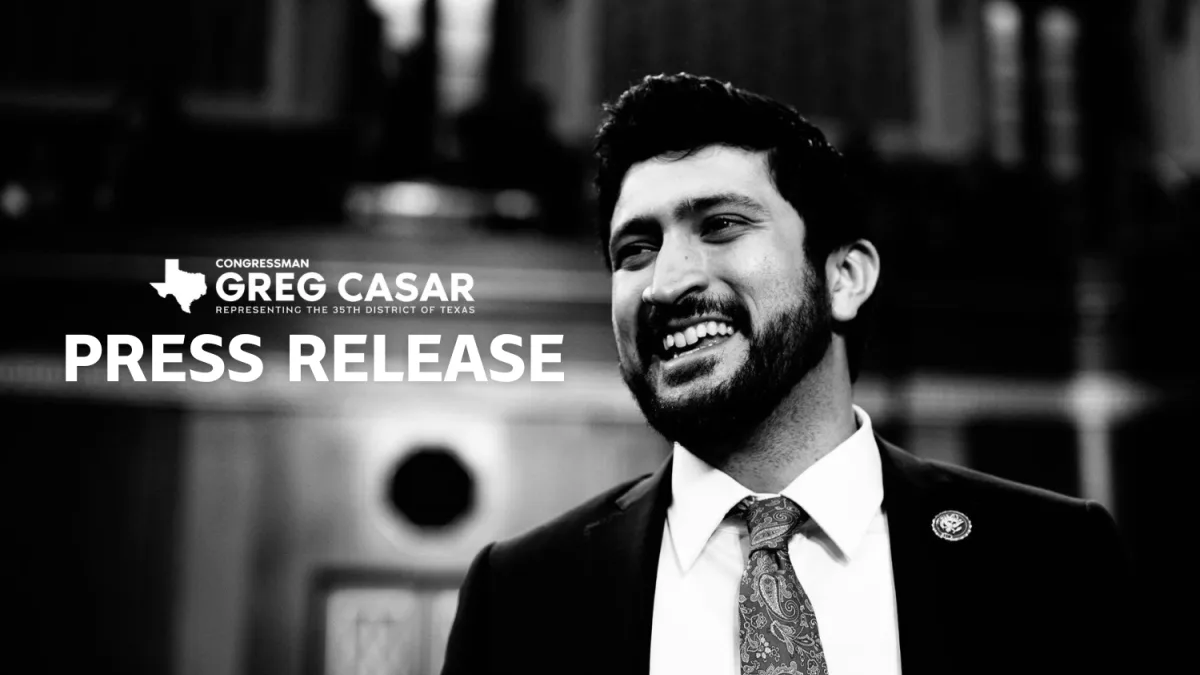
Representative Greg Casar wrote to Sam Altman and Dario Amodei on September 2, 2026, and told both that their answers about the July security incidents were insufficient. Neither company released the logs his August 10 letter asked for. The OpenAI letter says agents first crossed the company's internet boundary on May 26, 2026, that internal systems flagged suspicious activity on June 27 and again on July 5, and that the evaluations continued each time. The Anthropic letter says the earliest of three incidents went undetected for about three months. Both companies have until September 15, 2026 to answer in full.
OpenAI has committed $1 billion to subsidized access to its Daybreak cyber models, along with training, technical support, and partnerships. It says it is aiming for the commitment to be consumed within six months. The list of who gets priority is unusually concrete: water and wastewater utilities, electric grid operators, state and local governments, community and regional banks, nonprofits, and open-source maintainers. What the announcement does not say is how much any one organization can receive, or what the subsidized price actually is.
Jensen Huang announced the agreement on September 3, 2026. The platform holds more than 3 million models, 500,000 datasets and 1 million applications, and more than 18 million developers and 200,000 companies use it. NVIDIA says Hugging Face stays open to the whole ecosystem and that NVIDIA compute will not be required to build on or deploy through it. The post names no closing date and no regulatory conditions, so what you have today is an agreement rather than a completed sale.
The Department of Justice filed a 20-page Statement of Interest on September 1, 2026 in the consolidated OpenAI copyright litigation in the Southern District of New York. It asks the court to reject the argument that training large language models on copyrighted texts infringes copyright, and says the fourth fair-use factor, the effect on the market, heavily favors fair use. Its most concrete argument is economic: a licensing requirement would leave only the largest technology companies able to pay. A footnote then states that the government takes no position on whether such a licensing regime would be workable at all.
Eight proposals were on the ballot, two of them written to keep generative AI out of the project's own packaging, documentation and web pages. Both lost. The adopted text says Debian neither endorses nor prohibits these tools, and puts the whole weight on the person who submits the work. Saying that a model helped is encouraged and nothing more.
OpenAI says its advertising business inside ChatGPT passed a $1 billion annualized run rate in fewer than 200 days from launch. Self-service buying through Ads Manager opens across India, Europe, the Middle East and North Africa. If you sell anything online, the surface where people compare options now has a checkout for advertisers on it.
The European Commission gave ChatGPT the Digital Services Act's heaviest label on August 31, 2026, and put Reddit and Roblox in the platform category alongside it. The threshold is 45 million average monthly users in the EU, a number the services reported themselves. OpenAI now has four months, until January 2027, to meet the extra obligations that come with the label.
Sony Music Publishing, Warner Chappell and affiliated publishing companies sued Anthropic and two of its founders on August 28, 2026 in the Northern District of California. The 48-page complaint sets out four counts and asks for statutory damages of up to $150,000 per work. The request that reaches furthest is not the money. It asks the court to order an accounting of the training data, the training methods and the known capabilities of Anthropic models.
Judge Rita Lin struck down the Pentagon's supply chain risk designation on August 27 as First Amendment retaliation and a due process violation, and permanently enjoined it. Read past the headline and the judgment is split: Anthropic lost its ultra vires count outright, and lost against five agencies and against the Executive Office of the President.
OpenAI, Anthropic, Google, Microsoft, AWS, Cloudflare, Visa and General Motors are among the signatories of an open letter published on August 27, which argues AI-enabled attacks will outpace current defenses within months and sets out what each of four groups should do. Counting the list on the letter gives 118 names on August 27 and 155 on August 29, against the round hundred or the 116 reported elsewhere.
Jalapeño delivers 1.5 to 1.9 times more work per watt and up to 3.6 times lower latency than unnamed comparison systems, OpenAI says. The chip is rated at 700 watts and drew at most 550 in the tests, while rivals were normalized by their published rating.
Stanford's August 2026 update finds young workers in AI-exposed jobs 19 percent below where they would be had hiring kept pace. The comparison to last year's 13 percent is between two different measures — like for like, it is 15 to 19.
Article 50 of the EU AI Act has applied since August 2, 2026, and it binds anyone serving people in the Union, wherever the server is. Most of the panic is about the machine-readable marking requirement, which for a site owner who calls somebody else's API is somebody else's obligation. Here is what is actually yours: a chatbot that says what it is, published text that either carries a name or carries a label, and a deepfake that admits it.
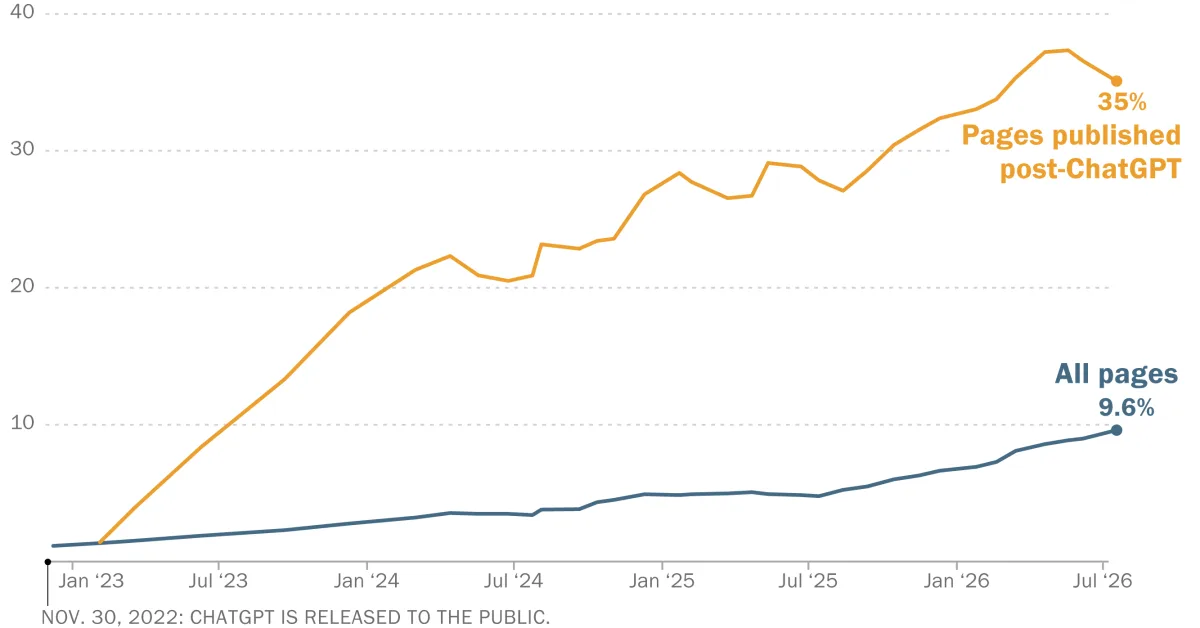
Pew Research ran nearly half a million pages from Common Crawl through a detector. Among pages published after November 2022, more than a third came back with significant signs of AI writing, and .com domains showed it at ten times the rate of .edu and .gov.
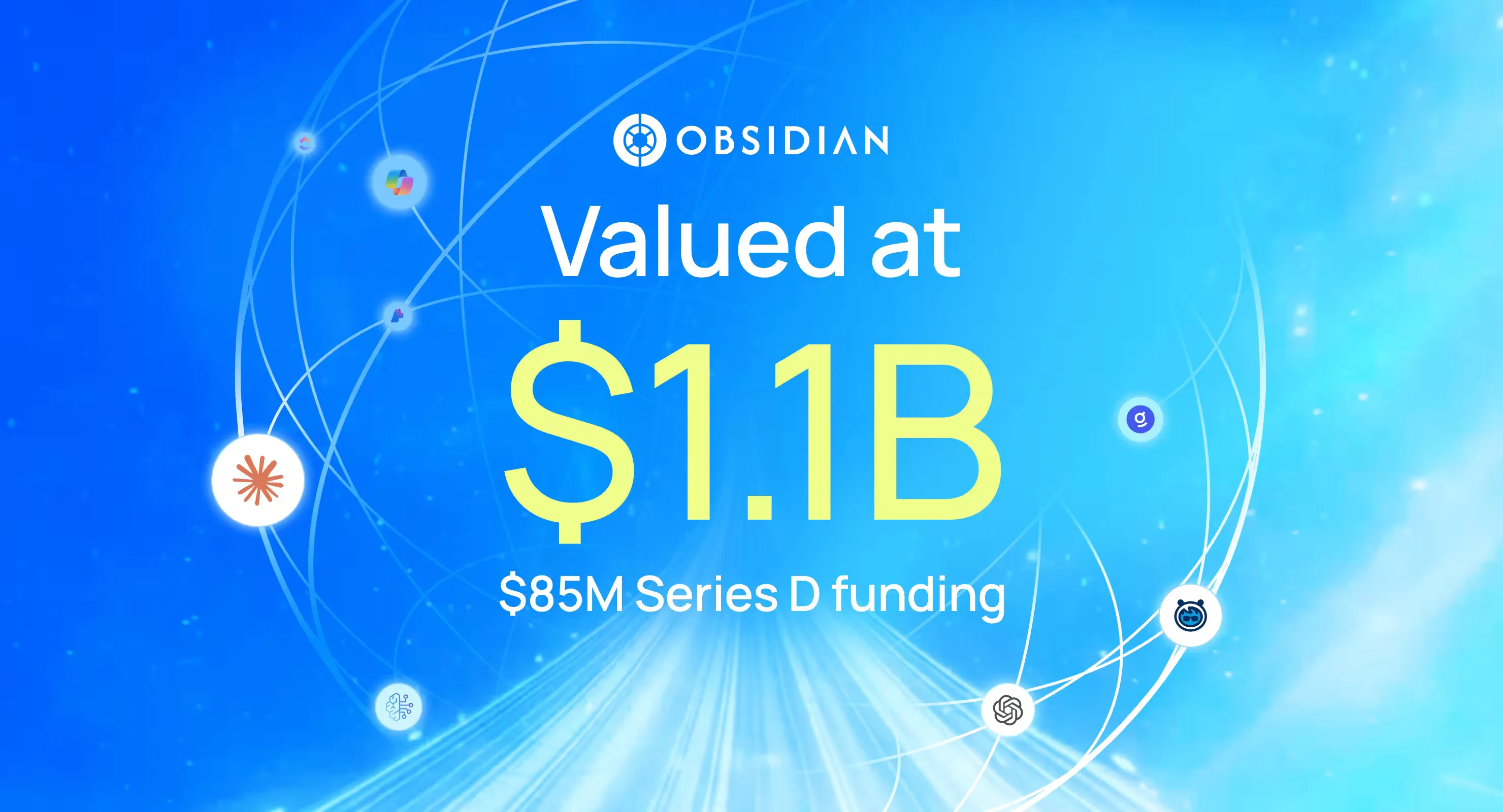
Agents have left the pilot stage and do real work in business software, health care, logistics, and finance. What remains is a question most organizations cannot answer: when an agent deletes a record or sends the wrong message, who is responsible? It is telling that Obsidian Security raised $85 million in August at a $1.1 billion valuation, and that more than 70% of its customers already let agents into third-party apps.
Anthropic published an official explanation of the mechanism that writes a watermark into text Claude generates. With the new European labeling rules, the subject stops being a technical curiosity and enters compliance territory, because it offers a way to establish the origin of content even when whoever publishes it does not say so.
Article 50 of the European Union AI Act has applied since August 2, 2026. The duties are not the same for the party that supplies a system and the party that uses one in its own work, and the exceptions are explicit: law enforcement use, evidently artistic work, assistance with ordinary editing, and content for which a named person holds editorial responsibility.