Claude Marketplace lets companies spend part of their Anthropic commitment on partner products
Anthropic launched Claude Marketplace on September 23, 2026. It lists more than 2,000 connectors and plugins, Claude-powered products from other companies, and consulting partners in one place. Customers can put part of their committed Anthropic spend toward those products.
Source
Claude Marketplace: one place to discover plugins, agents, and services from our partnersClaude Blog · Original published September 23, 2026
The marketplace brings three kinds of offering into one place: connectors and plugins, agents and products built on Claude, and service partners. Anthropic presents it both as a catalog for teams using Claude and as a sales channel for companies that build for them.
What customers get
According to the announcement, customers can do three things in the marketplace:
- add connectors and plugins, with more than 2,000 available, including Atlassian, Google, Microsoft, Notion, and Salesforce;
- buy Claude-powered software from companies such as CrowdStrike, Cursor, Harvey, Legora, Lovable, and Snowflake, using part of their committed Anthropic spend;
- find a consulting partner or systems integrator from the Claude Partner Network, such as Accenture, Boston Consulting Group, or Deloitte.
How builders get listed
Anthropic describes a separate path for each kind of offering:
- a connector or plugin is built on the Model Context Protocol (MCP) and Agent Skills, the open standards Anthropic introduced;
- a Claude-powered agent or product needs an application to be listed, after which customers can pay for it from their committed spend;
- consultants and integrators appear in the marketplace by joining the Claude Partner Network.
What the announcement leaves out
The announcement does not state a commission or listing fee for sellers. It also does not say how large a share of a customer's committed spend can go to partner products.
„a single destination to find the right tools and services“
Related

The same SSRF bug turned up in MCP servers at Google, JPMorgan, and two governments
An independent researcher reported one class of server-side request forgery to five organizations that share no code, and all five confirmed and fixed it. Google's MCP Toolbox for Databases carried a high-severity CVE until version 1.5.0. Five US federal servers are still open. If you run an MCP server with any tool that fetches a web address, the four checks at the end apply to you.
Ars Technicaverified

Meta open-sources Muse Gadgets, which lets its Muse agent run shell commands on a Raspberry Pi
Meta published the Muse Gadgets repository on October 2, 2026, under the Apache 2.0 license. It contains firmware for ESP32 boards and a Linux device SDK that turns a Raspberry Pi into a device its Muse agent can operate. On Linux, Muse runs shell commands with the permissions of the account you install it for, including sudo if that account has it. Meta's documentation says pairing has no manufacturer verification and cannot prevent an active man-in-the-middle attack.
Metaverified
ChatGPT plugins can now run as sidebar apps and react to events from connected tools
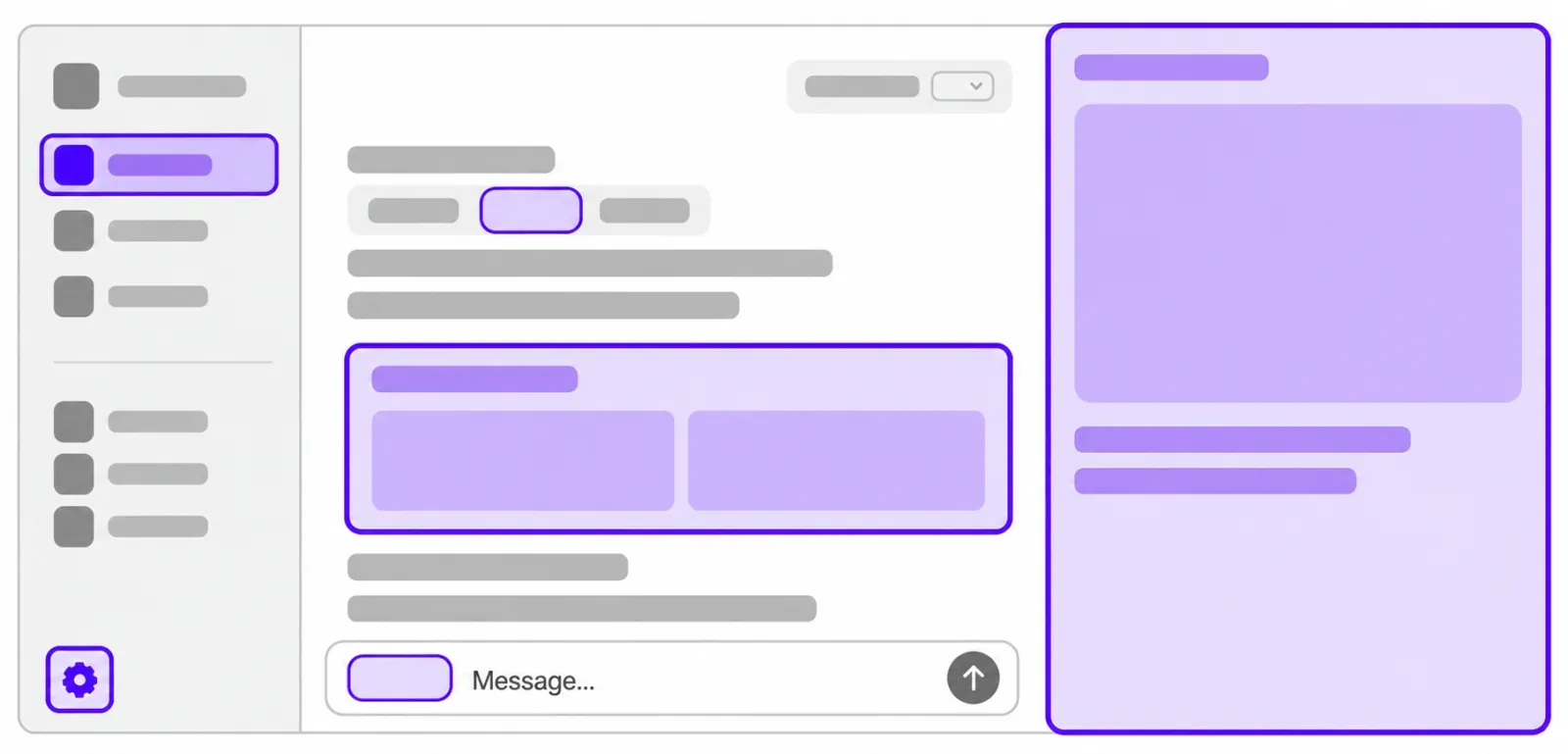
OpenAI opened the interface layer it uses for its own ChatGPT features to outside developers. A plugin can now claim a place in the sidebar, open a panel beside a conversation, and act as the viewer for its own file types. A separate MCP Events integration lets a plugin start an automation when something happens in a connected app, which requires MCP 2.0 and webhook delivery. Sign in with ChatGPT lets a Plus or Pro allowance be spent in 16 partner tools.
OpenAIverified