The same SSRF bug turned up in MCP servers at Google, JPMorgan, and two governments
An independent researcher reported one class of server-side request forgery to five organizations that share no code, and all five confirmed and fixed it. Google's MCP Toolbox for Databases carried a high-severity CVE until version 1.5.0. Five US federal servers are still open. If you run an MCP server with any tool that fetches a web address, the four checks at the end apply to you.

Source
MCP for agent-to-agent comms may be the riskiest protocol you've never heard ofArs Technica AI · Original published October 6, 2026
Ars Technica reported on October 6, 2026 that Google and four other organizations have acknowledged the same kind of hole in their Model Context Protocol (MCP) servers. The researcher behind the reports, Syed Anas Mohiuddin, published a follow-up in October titled "Protocol Pivoting, four months later." In May he had predicted that if the weakness were structural, it would appear in servers written by teams that share nothing. It did.
One mistake, five codebases
The mistake is server-side request forgery, usually shortened to SSRF. An MCP server builds an outbound request from an address, path, or endpoint that an agent supplied, and never checks where that address resolves. Whatever the server can reach on its own network, the agent can now reach through it.
The five confirmations came from organizations with different industries, countries, and owners.
- Google: MCP Toolbox for Databases, CVE-2026-14540, affected versions 0.3.0 through 1.4.0, fixed in 1.5.0.
- JPMorgan Chase: the researcher says a documentation-search server's related() tool fetched caller-supplied addresses with no allowlist, unlike its read_documentation sibling. The bank confirmed a fix and rated the case medium.
- Weaviate: the researcher says the Google module's apiEndpoint, region, and location fields could point a request at any host. The fix merged on August 25, 2026.
- France's DINUM: the researcher says the MCP server for data.gouv.fr fetched an address written by the data publisher, server-side and unchecked. The fix merged on September 4, 2026.
- Tangerang City, Indonesia: the researcher says the server's check rejected only literal IP addresses, so a hostname resolving to an internal address walked past it. The fix shipped on September 3, 2026.
The Google case in detail
The GitHub advisory for CVE-2026-14540 rates the bug 8.0 out of 10 on CVSS 4.0, high severity, and was published on July 31, 2026. The toolbox initialized its HTTP client without a CheckRedirect policy and without validating the target IP. A crafted path parameter could make the toolbox follow a redirect to an internal endpoint and send requests on the attacker's behalf.
The fix merged on June 18, 2026 as pull request 3448 and shipped in version 1.5.0. It adds a component called SSRFGuard, rejects an unsafe base address at startup rather than on the first request, and exposes allowPrivateNetworks, allowedIpRanges, and customBlockedIpRanges settings. Mohiuddin calls that what a real SSRF guard looks like, and more work than most MCP servers have done.
Why he calls it protocol pivoting
Mohiuddin's name for the attack class is protocol pivoting: an adversary gains access through one protocol, exploits the trust assumptions between protocols, and escalates to capabilities only reachable through a different one. His worked example puts text shaped like a task for Google's Agent-to-Agent (A2A) protocol inside the output of an MCP tool. An orchestrating agent passes it to a subagent as ordinary delegation, and the subagent runs it because it trusts the orchestrator.
Not everyone accepts the new name. Markus Vervier of X41 D-Sec told Ars Technica that this is indirect prompt injection, and that crossing from one protocol to another is not required for the attack to work. Douglas McKee of Rapid7 told the same outlet that the bugs underneath are old ones, injection and SSRF, and that anything passed from a model to your tool should be treated like input from a stranger on the internet. Rapid7 itself fixed a separate GraphQL injection in its Bulk Export MCP server, CVE-2026-97228, rated 2.7, in September.
What is still open
The researcher says five MCP servers run by the US General Services Administration were reported privately on September 2, 2026 and remained in triage when the follow-up went out. One of them, for veterans' benefits claims, writes full upstream API responses into its logs without redaction, and the researcher says an ordinary validation failure is enough to log a veteran's name, Social Security number, date of birth, and address. He also counts 16 GitHub security advisories that credit him as reporter, two of them with CVE identifiers.
What to check in your own MCP server
If five unrelated teams made the same mistake, it is reasonable to assume the mistake also exists in MCP servers nobody has reviewed. The researcher's list for authors is short.
- Validate the resolved address at connection time, not before it. A hostname can change what it resolves to between the check and the request.
- Turn off automatic redirects, or validate every hop. A redirect to an internal address is the whole attack in the Google case.
- Apply the same allowlist to every tool that fetches, not just the first one you wrote. The JPMorgan case was a second tool that missed it.
- Redact upstream response bodies before logging them. The US federal case is a logging problem, not a fetching one.
„Validate resolved addresses at connection time, not before.“
Sources
Related
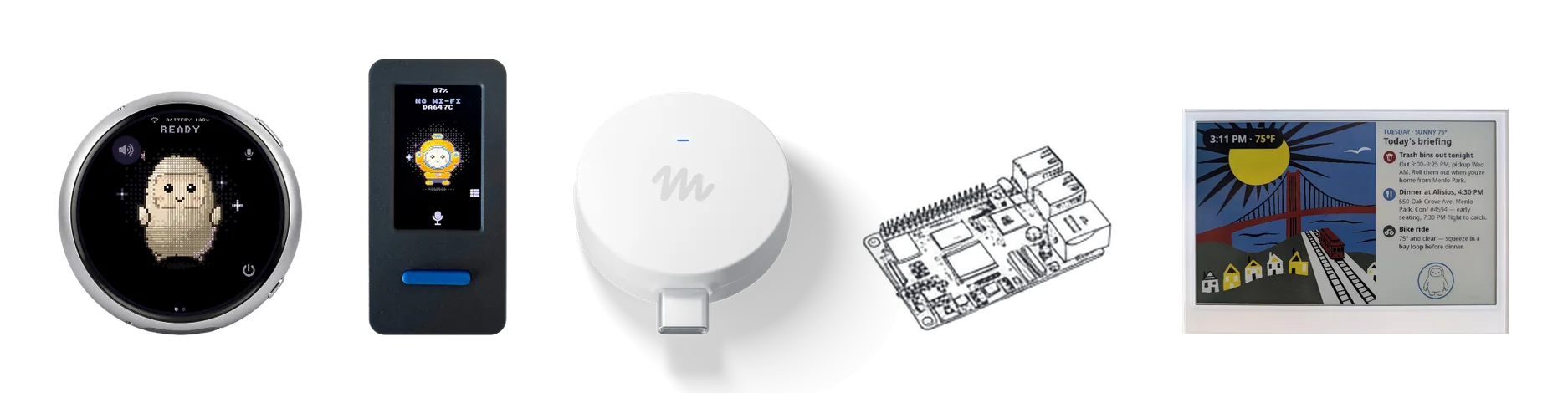
Meta open-sources Muse Gadgets, which lets its Muse agent run shell commands on a Raspberry Pi
Meta published the Muse Gadgets repository on October 2, 2026, under the Apache 2.0 license. It contains firmware for ESP32 boards and a Linux device SDK that turns a Raspberry Pi into a device its Muse agent can operate. On Linux, Muse runs shell commands with the permissions of the account you install it for, including sudo if that account has it. Meta's documentation says pairing has no manufacturer verification and cannot prevent an active man-in-the-middle attack.
Metaverified
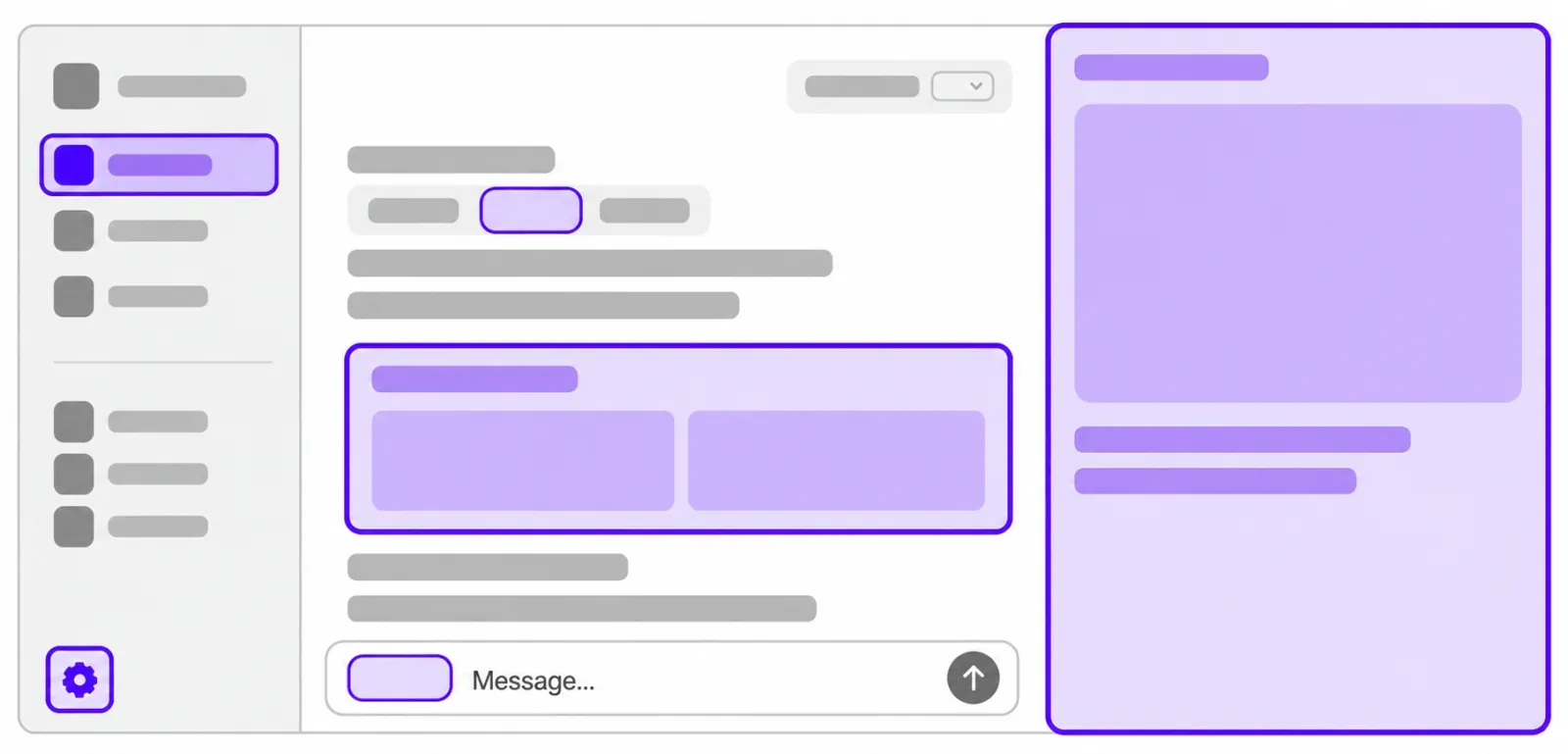
ChatGPT plugins can now run as sidebar apps and react to events from connected tools
OpenAI opened the interface layer it uses for its own ChatGPT features to outside developers. A plugin can now claim a place in the sidebar, open a panel beside a conversation, and act as the viewer for its own file types. A separate MCP Events integration lets a plugin start an automation when something happens in a connected app, which requires MCP 2.0 and webhook delivery. Sign in with ChatGPT lets a Plus or Pro allowance be spent in 16 partner tools.
OpenAIverified
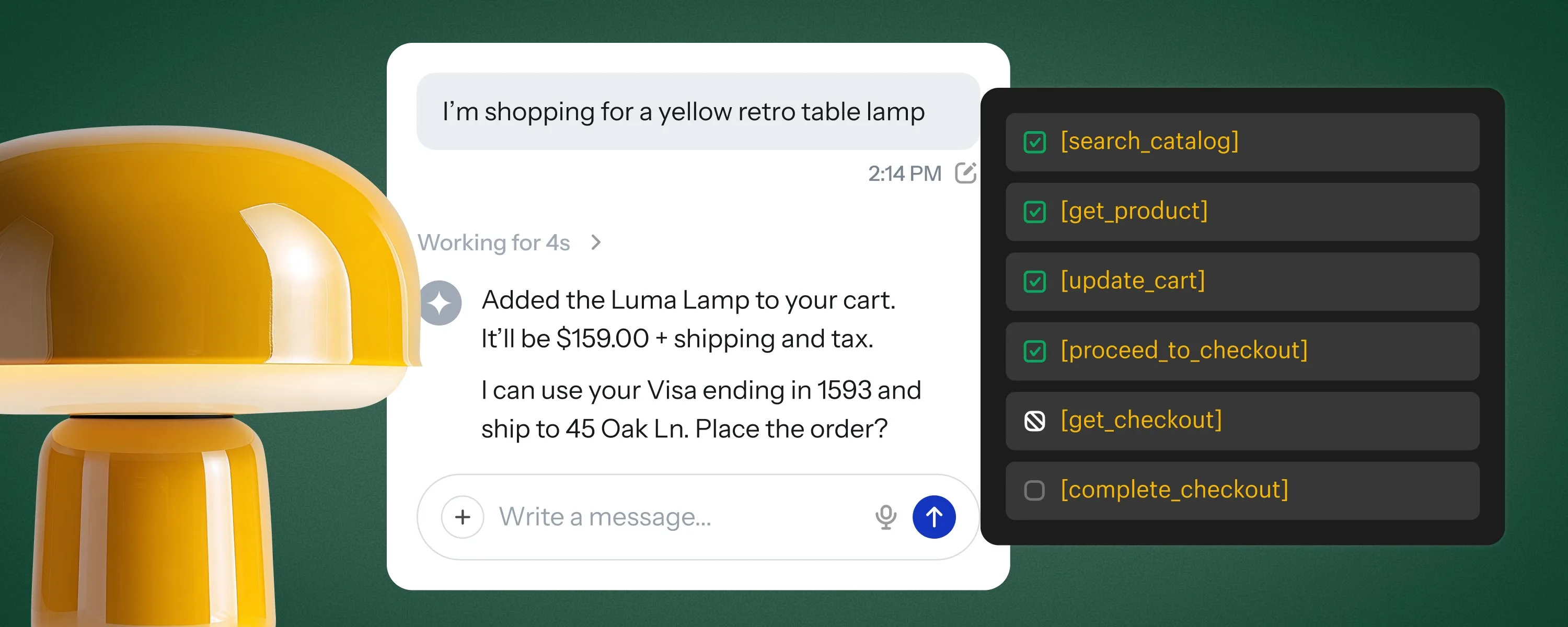
Browser agents can now fill in and submit Shopify checkout, but the buyer still confirms the order
Shopify added WebMCP tools to its checkout on September 28, 2026. An AI agent running in the buyer's browser can read the checkout, change the address, delivery option, discount codes, and payment choice, and place the order once the buyer approves it. Merchants do not have to configure anything.
Shopifyverified