Skip to content

Tags

Google

32 items
Toolsmedium signal

Google opens the SynthID detector to everyone, and it now reads OpenAI, NVIDIA, and Kakao watermarks too

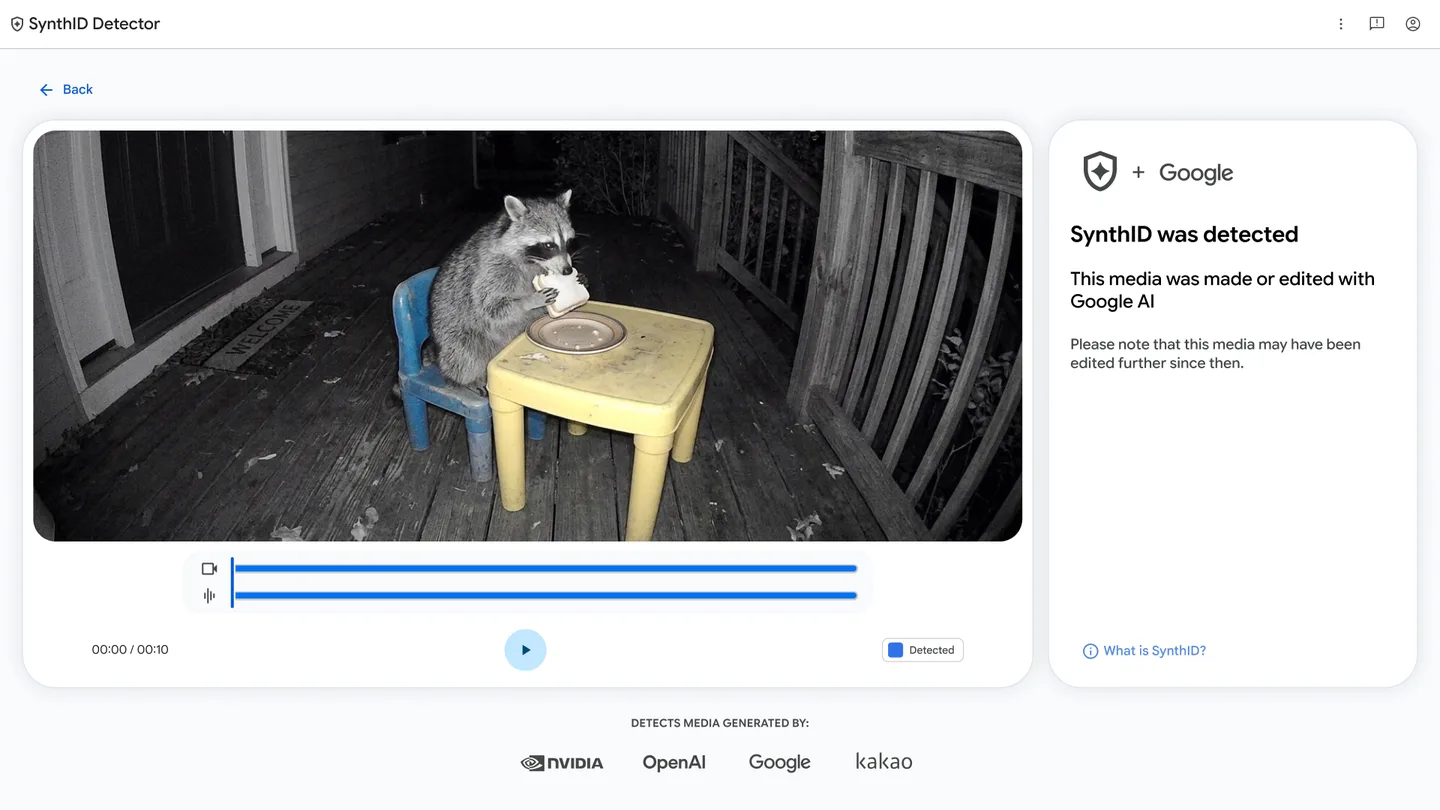
On October 7, 2026, Google DeepMind made its SynthID Detector available to anyone, worldwide and in English, at synthid.com. The tool reports whether an image, video, or audio file carries a SynthID watermark from Google or from its partners OpenAI, NVIDIA, and Kakao, with Apple listed as coming soon. According to Ars Technica, you sign in with a Google, ChatGPT, or Apple account and get roughly 10 checks a day. A negative result does not mean the file is authentic.

Google DeepMindverified

The EmbeddingGemma 2 wordmark in white and blue on a dark blue surface of tilted glass panels.
Modelsmedium signal

EmbeddingGemma 2 embeds text, images, audio, and video in one 740M-parameter open model

Google DeepMind released EmbeddingGemma 2 on October 6, 2026, under Apache 2.0. The 740 million parameter model maps text, code, images, video, and audio into one embedding space and is built to run on a phone. It keeps the multilingual text quality of the first version, raises the MTEB Code score by almost ten points, and is already supported by llama.cpp, Ollama, MLX, vLLM, and transformers.js.

Google DeepMindverified

Modelsstrong signal

Free Gemini accounts drop to Flash-Lite on October 9, and AI Plus loses Pro

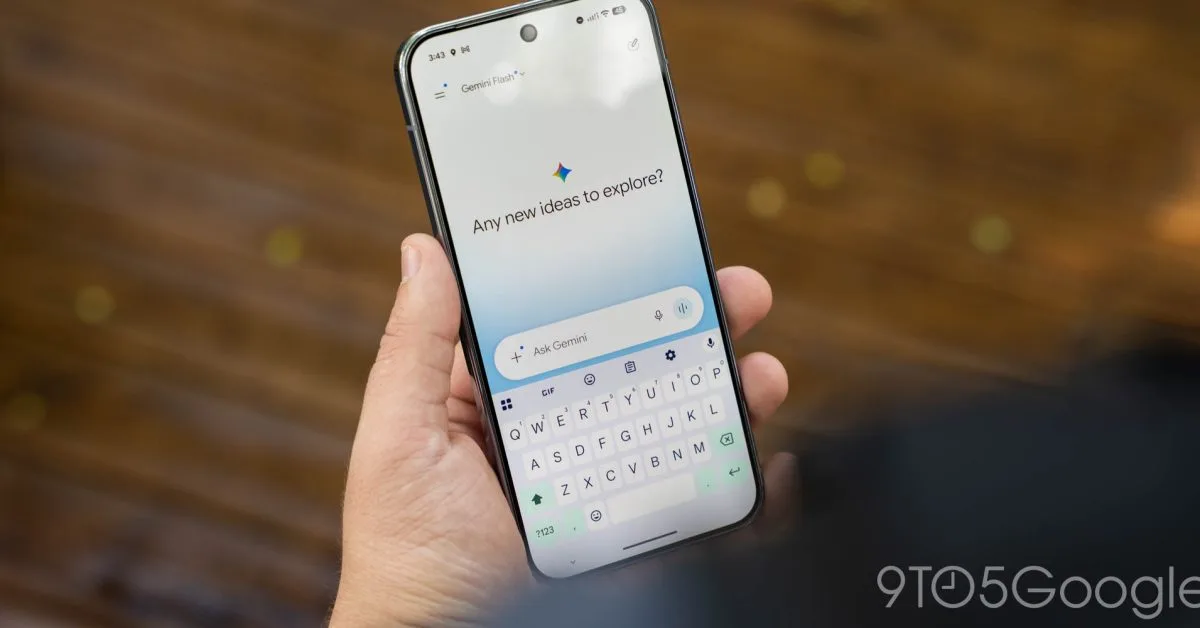
Google's support page lists which Gemini models each plan keeps once the October changes land. Accounts without a subscription get Flash-Lite only, AI Plus keeps Flash but loses Pro, and only AI Pro and AI Ultra keep all three. Every plan gains an effort selector, and the usage meter stays compute-based with a five-hour refresh.

Google, Gemini Apps Helpverified

Connectorsstrong signal

The same SSRF bug turned up in MCP servers at Google, JPMorgan, and two governments

An independent researcher reported one class of server-side request forgery to five organizations that share no code, and all five confirmed and fixed it. Google's MCP Toolbox for Databases carried a high-severity CVE until version 1.5.0. Five US federal servers are still open. If you run an MCP server with any tool that fetches a web address, the four checks at the end apply to you.

Ars Technicaverified

Industrymedium signal

Google stops taking product vulnerability reports in its open source bug bounty

Google no longer accepts product vulnerability reports in its Open Source Software Vulnerability Reward Program (OSS VRP), effective October 1, 2026. Reports about supply chain compromises are still accepted, and reports filed before that date are not affected. Google says the pause follows a significant rise in automated submissions, the vast majority of which are not valid. The company commits to an update in the first quarter of 2027.

Googleverified

Toolsmedium signal

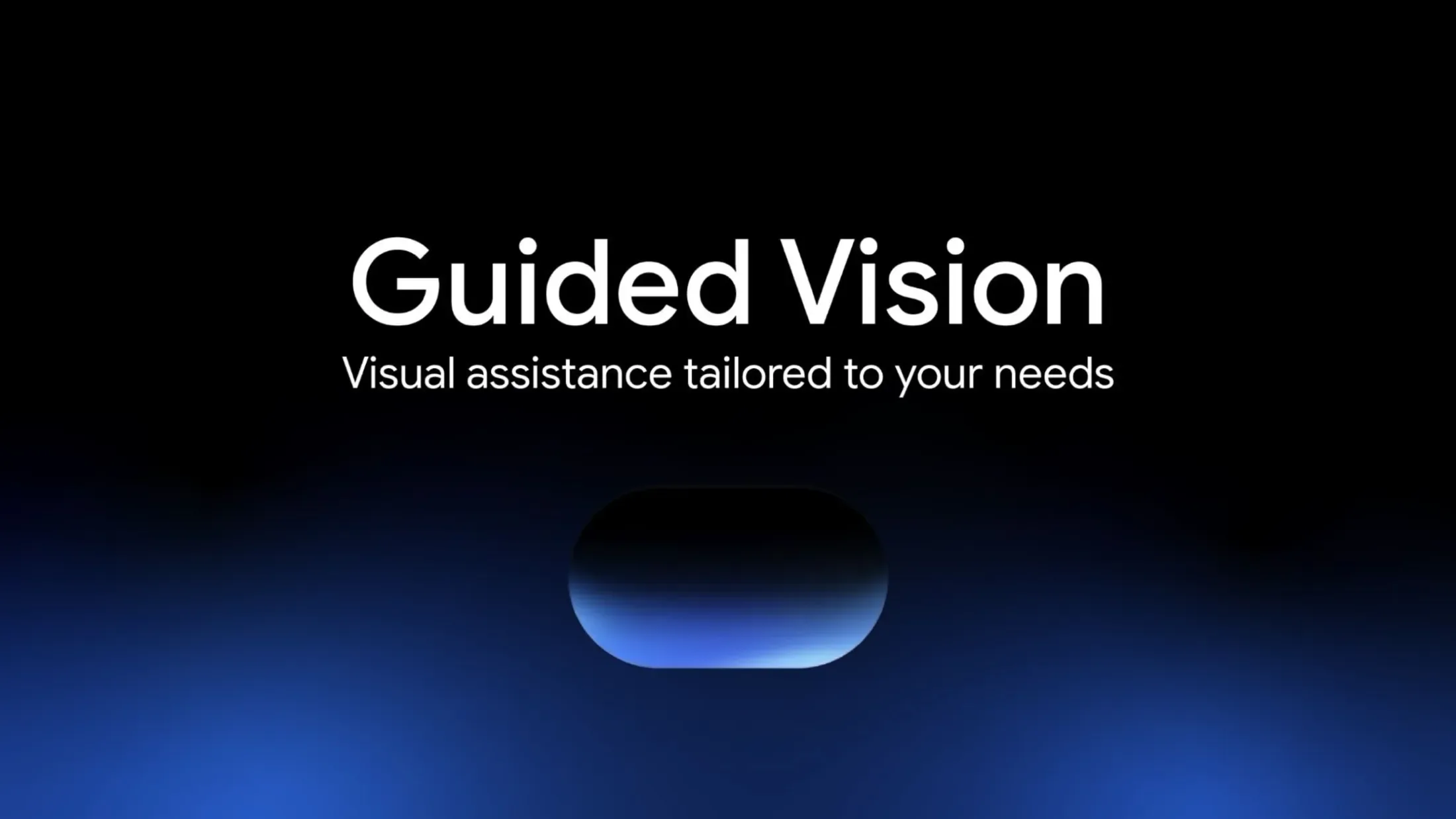
Google launches Guided Vision in Gemini Live, a spoken camera guide for blind users

Google launched Guided Vision in Gemini Live on October 1, 2026. You share your phone camera, and Gemini describes what it sees, answers follow-up questions, and tells you how to move the camera when the subject is out of frame. The feature works on Android 9 and above, in the regions and languages where Gemini Live is supported. Google says it is not a mobility aid and is not intended for navigation or obstacle detection.

Googleverified

Industrymedium signal

Federal judge dismisses Chegg and Penske antitrust suits over Google's AI Overviews

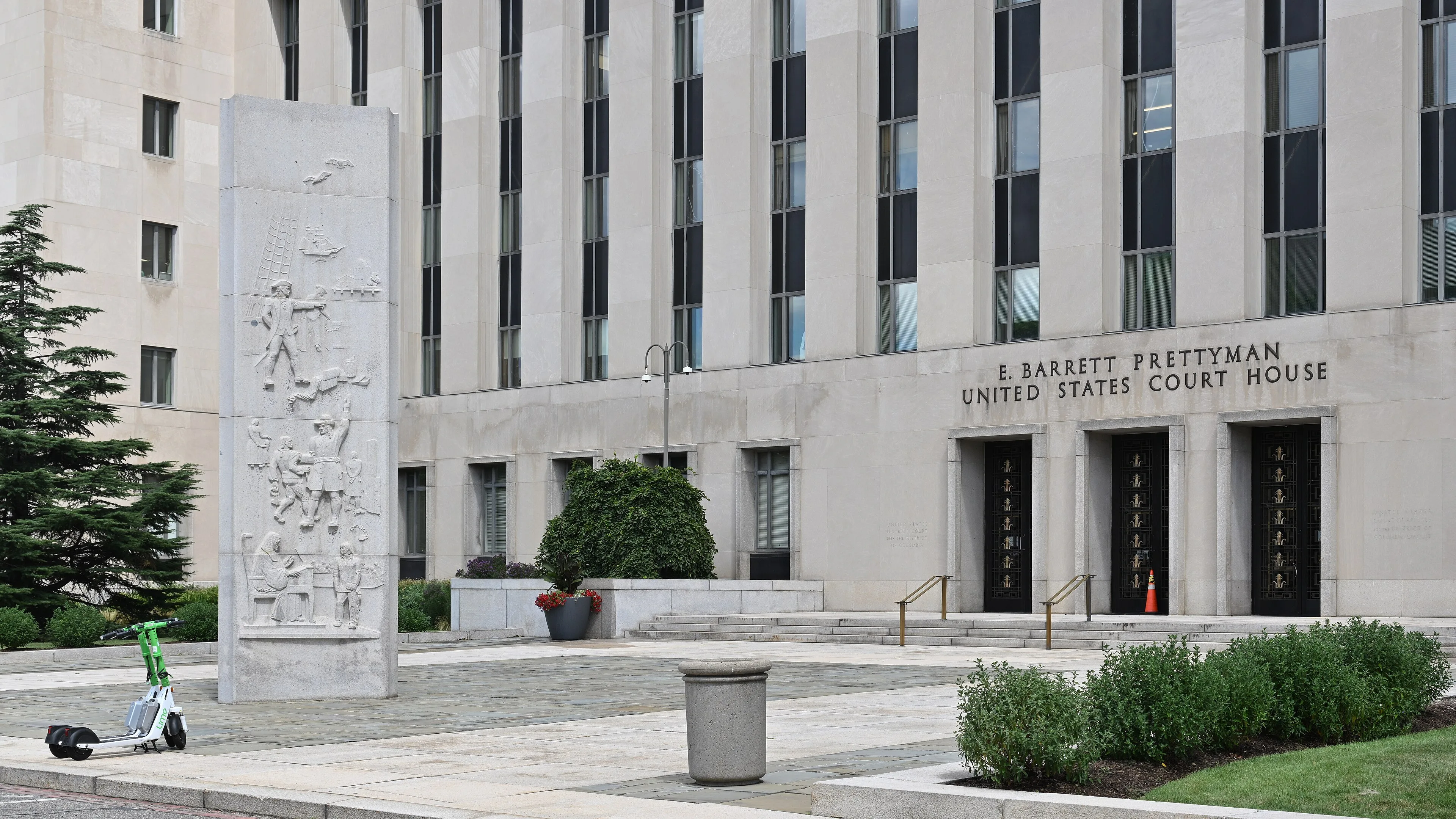
Judge Amit P. Mehta granted Google's motions to dismiss two antitrust suits brought by Chegg and Penske Media Corporation on September 30, 2026. The publishers argued that Google forces sites to hand over content for snippets, AI training, and AI Overviews as the price of appearing in search. The court held that the complaints did not plausibly plead an agreement, separate products, antitrust standing, or a defined market. If you run a site that depends on Google traffic, the ruling leaves your options where they were: let Google crawl, or leave its index.

US District Court for the District of Columbiaverified

Modelsstrong signal

Google announces Gemini 4 Argon for vetted cyber defenders only, at a $2 introductory input price

Google announced Gemini 4 Argon on September 30, 2026. The model is rolling out to a set of trusted cyber defenders through the Fairwind Program, and Google gives no date for developers, enterprises, or consumers. The introductory price is $2 per million input tokens and $10 per million output tokens, and it rises to $4 and $20 when the introductory period ends. The output limit grows to 1 million tokens from 64,000. The benchmark results in the announcement are Google's own reporting, and nobody outside the program can check them yet.

Googleverified

Agentsmedium signal

Google's Antigravity SDK can now run agents offline on a local Gemma 4 model

Google added local model support to the Antigravity SDK on September 23, 2026. The first supported setup is Gemma 4 26B A4B running through LiteRT, and Google recommends more than 24 GB of video or unified memory. The SDK can also talk to local servers such as Ollama, LM Studio, and vLLM.

Google Developers Blogverified
Video & Imagemedium signal

Gemini 3.8 Live can now answer as a talking video avatar, and Google bills the video only while it speaks

Google made Gemini 3.8 Live with Live Avatar generally available in Gemini Enterprise on September 24, 2026, with US and EU endpoints. The model replies through a lip-synced video character while it listens, watches a camera or a shared screen, and calls tools in the background. Avatar video costs $1 per million tokens at 6,192 tokens for each second of speech. By our arithmetic, that comes to about $0.37 per spoken minute before audio, input, and context charges.

Googleverified

Agentsmedium signal

Gemini CLI 0.61.0 asks before running a build it edited and keeps credentials out of its sandbox

Google released Gemini CLI 0.61.0 on September 23, 2026 with two security fixes. The agent now asks before it runs a build or test command after a build file changed in the same session, and before it uses flags that came from outside content. The sandbox no longer receives the host's configuration directory, API keys, or credential files. Setups that mount sensitive paths into the sandbox will now fail to start.

Gemini CLIverified

Machines & local modelsmedium signal

Googlebook opens at $899 with a certified hypervisor under its Linux terminal

Google opened pre-orders for Googlebook on September 21, 2026, with prices starting at $899 and shipping from October 4, 2026. The laptops run an Android-based system with desktop foundations from ChromeOS, on Intel and Qualcomm chips paired with NPUs rated at over 45 TOPS. For anyone who writes code, the notable part is not the assistant features but a pKVM hypervisor with a Level 5 security certification, which powers an isolated Linux environment with full terminal access. Neither announcement says which Gemini features run on the device and which run in the cloud.

Googleverified

Connectorsmedium signal

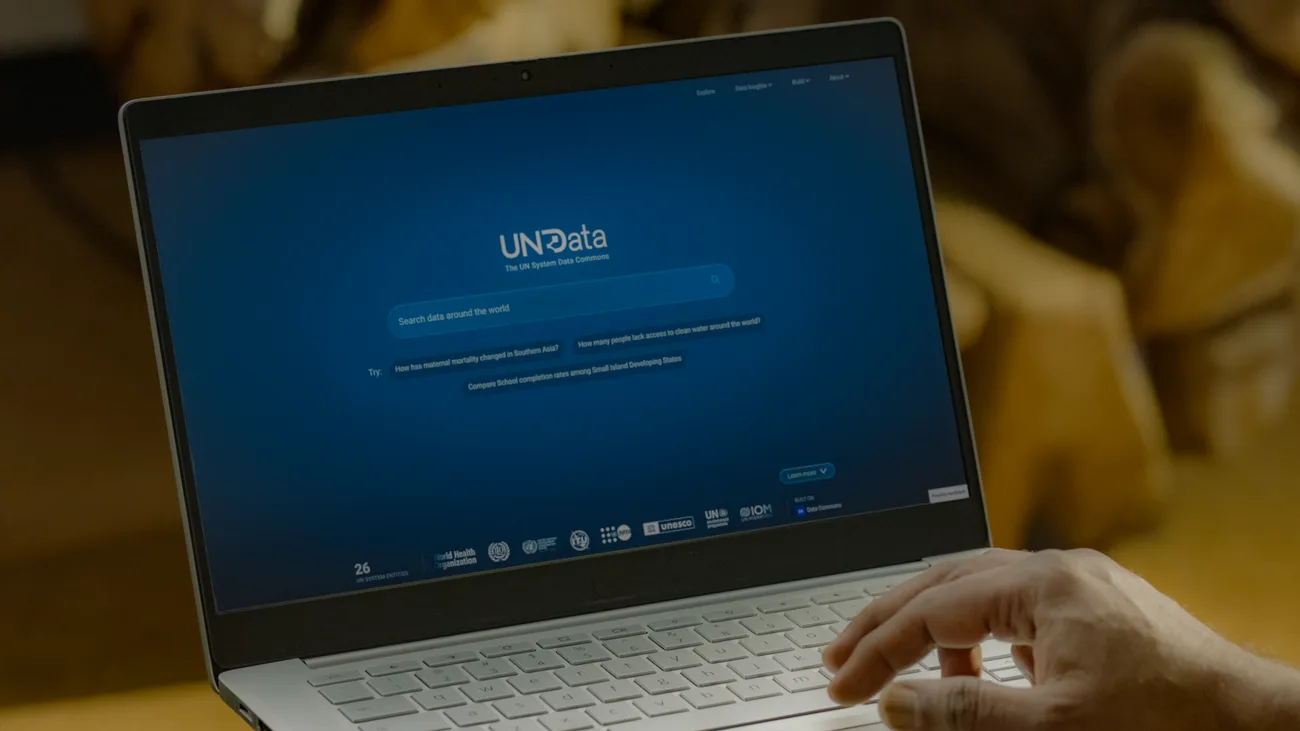
UN statistics now sit behind an MCP connection an agent can query itself

The UN system has opened the UN System Data Commons, a single knowledge graph built from statistics that used to live in separate agency silos. It is searchable in plain language at data.un.org, and it speaks the Model Context Protocol, so an agent can fetch a figure without a person opening a spreadsheet. Google states that every dataset was validated with UN statisticians. The stated goal is 80% of the system's statistical datasets by 2027.

Googleverified

Agentsmedium signal

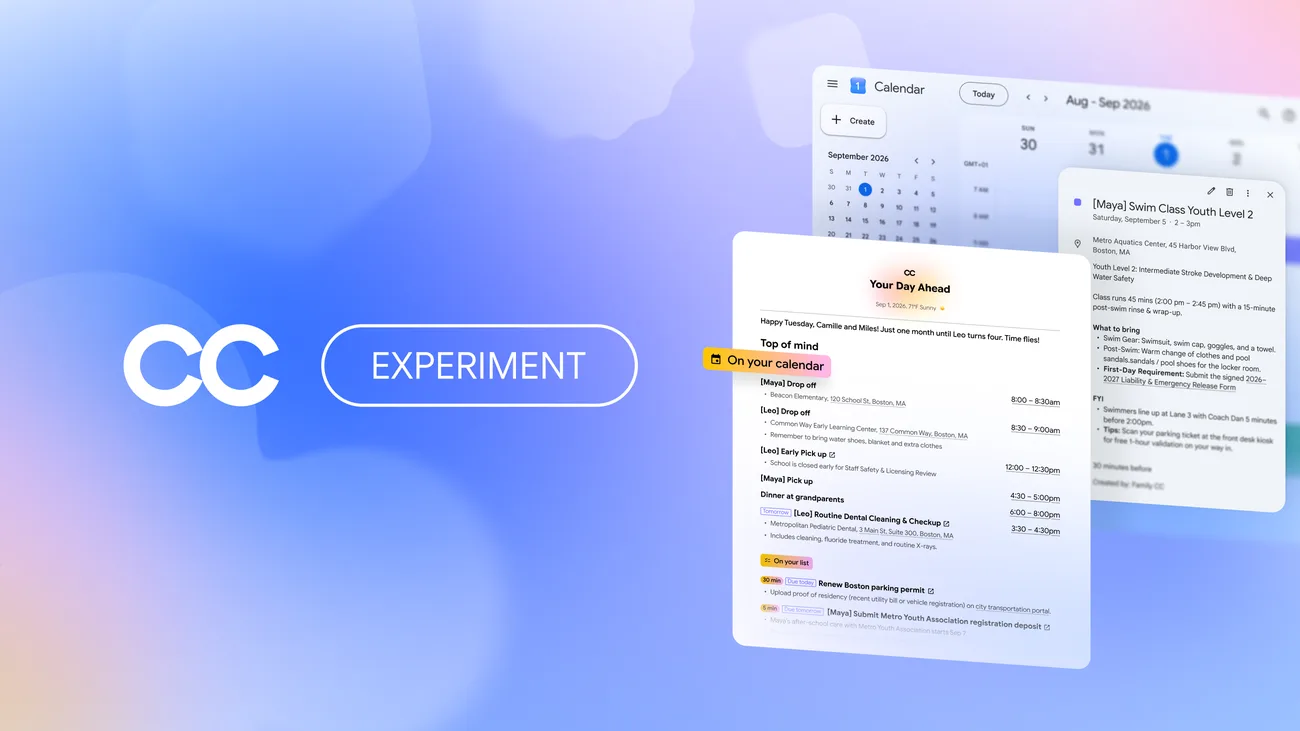
Google's CC agent gets an account of its own and admits six household members

Google Labs has turned CC, its experimental personal agent, into one that a household shares. The agent now holds its own verified Google account, admits up to six members, and reads only the mail and files each of them hands over. It writes a shared morning brief, keeps the group calendar and task list, and fills in registration PDFs. The experiment is open on web and mobile to people 18 and older in the United States.

Googleverified

Industrystrong signal

Vendors, unions, and pilots are objecting to the sale of Spirit's data to Google

Spirit Aviation Holdings is selling a large operational dataset in its Chapter 11 case, and Google won the auction for it. Three groups have filed objections on the docket: a software vendor that says its own intellectual property is mixed into the data, an engine maker citing confidentiality agreements, and the pilots' union. Google says it will receive no personal information from the dataset, while the Electronic Frontier Foundation says the material includes employee mailboxes and internal correspondence that were never collected for this purpose. A hearing on the objections is set for September 16, 2026.

Ars Technicaverified

Connectorsmedium signal

Gemini Spark now runs multi-step jobs on your Google Photos, and it can schedule them to repeat

Google has started making Google Photos available inside Gemini Spark, the mode of the Gemini apps that carries out a task instead of answering a question. One prompt can find photos, enhance copies of them, put them in a new album, and draft an email with the link. The same job can be attached to a schedule and left running in the background. It needs a Google AI Pro or Ultra subscription and a personal account rather than a work or school one, and the Photos part is limited to people 18 or over in the United States, in English.

Googleverified

Modelsmedium signal

ChatGPT, Claude, Grok, and Gemini all had trouble inside the same two hours on September 3

On September 3, 2026, Anthropic logged elevated errors across Claude Mythos 5.1, Claude Fable 5.1, and Claude Opus 5, OpenAI logged elevated errors across ChatGPT and Codex, Grok showed users an error message, and third-party monitors recorded a likely Gemini API interruption. Four independent providers, one morning. No status page names a shared cause, and Amazon Web Services, Microsoft Azure, and Cloudflare reported nothing major. For anyone whose product calls more than one of these, this is the failure mode that a second provider does not fix.

Ars Technicaverified

Modelsmedium signal

Google's WeatherNext 3 forecasts every hour at 5 kilometers, and you can query it from BigQuery

Google DeepMind and Google Research published WeatherNext 3 on September 3, 2026. It learns from live geostationary satellite mosaics rather than only from physics simulations that carry a six-hour data lag, which lets it produce a new forecast every hour instead of every six. Temperature and moisture come out on a 5-kilometer grid, where WeatherNext 2 worked on 25 kilometers. The forecast data is queryable in BigQuery and Earth Engine today, so this is a release you can build on rather than a paper you can read.

Google DeepMindverified

Toolsmedium signal

Gmail, Docs, and Keep get a voice mode, and which of the three you get depends on your plan

Google announced Gmail Live, Docs Live, and Keep Live on September 3, 2026. All three run on Gemini 3.5 Live: you talk to your inbox instead of typing a search, dictate a document that pulls context from Gmail, Drive, Chat, and the web, or turn a spoken ramble into a structured note. Gmail Live and Keep Live go to Google AI Plus, Pro, and Ultra subscribers, while Docs Live is limited to Pro and Ultra. Business customers on Google Workspace get all three later, and the post gives no date for that.

Googleverified

Modelsstrong signal

Gemini 3.8 Flash arrives at $0.75 per million input tokens, and that price has an end date

Google released Gemini 3.8 Flash and a security variant, 3.8 Flash Cyber, on September 2, 2026. The general model costs $0.75 per million input tokens and $3.75 per million output tokens, the same introductory rate Gemini 3.7 Flash launched with. Google states that the rate holds until December 31, 2026. From January 1, 2027 it becomes $1.50 and $7.50. The Cyber variant is not on the price list at all, because it is handed out through a vetted access program called Fairwind.

Google DeepMindverified

Agentsstrong signal

Gemini CLI 0.58.0 closes a sandbox escape that ran through the Docker socket

Gemini CLI runs untrusted work inside a macOS Seatbelt profile. Until 0.58.0 that profile did not stop a sandboxed process from talking to a container runtime on the same machine, and a container runtime will mount the host filesystem for whoever asks. The fix was merged on August 21, 2026 and reached a stable release on September 1, 2026. It covers the profile builder and all six built-in macOS profiles.

Gemini CLIverified

Video & Imagemedium signal

Google put its Nano Banana image editor into Docs and Slides and named it Google Pics

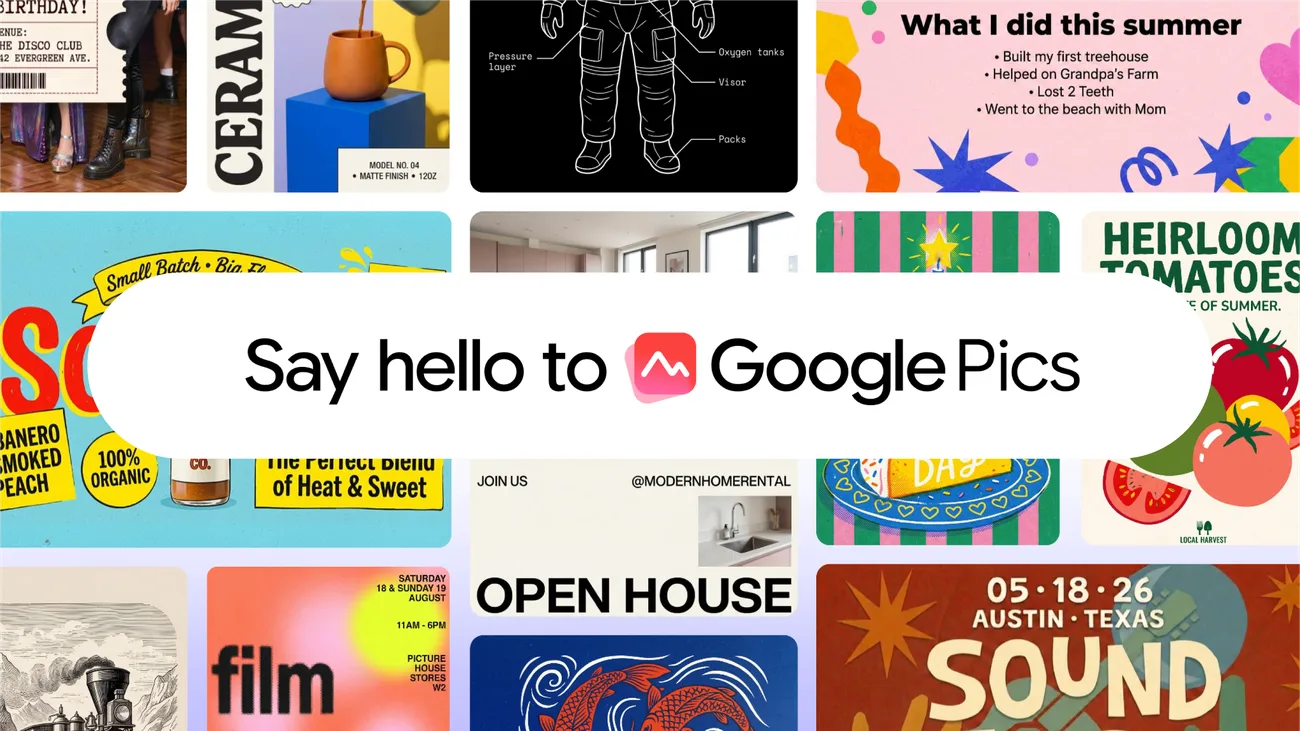
Google Pics is a standalone image creation and editing tool built on the Nano Banana model, and the same controls are being wired into Workspace apps. The integration begins with Docs and Slides on September 1, 2026, and reaches Drive in the coming weeks. Access arrives with a Google AI Pro or Ultra subscription and with most Workspace business plans, rolling out over the coming weeks. Google publishes no quota, no separate price, and no list of supported languages.

Googleverified

Modelsstrong signal

Google gave Gemini a video tool that picks what to watch, and reports up to 88% fewer tokens

Agentic video understanding lets the model decide which segments of a video to open, at what frame rate, and whether to use frames, audio, or the transcript. Google launched it on September 1, 2026 for Gemini 3.7 Flash, Gemini 3.6 Flash, and Gemini 3.5 Flash-Lite, through the Gemini API in Google AI Studio and the Gemini Enterprise Agent Platform. The company reports up to 88% lower token consumption, up to 66% lower cost, and up to 7% better accuracy on standard video analysis benchmarks. The price list does not move: standard token rates apply and there is no separate fee.

Googleverified

Industrymedium signal

Leading labs, banks and insurers signed a letter saying today's security will not hold

OpenAI, Anthropic, Google, Microsoft, AWS, Cloudflare, Visa and General Motors are among the signatories of an open letter published on August 27, which argues AI-enabled attacks will outpace current defenses within months and sets out what each of four groups should do. Counting the list on the letter gives 118 names on August 27 and 155 on August 29, against the round hundred or the 116 reported elsewhere.

OpenAIverified

Video & Imagemedium signal

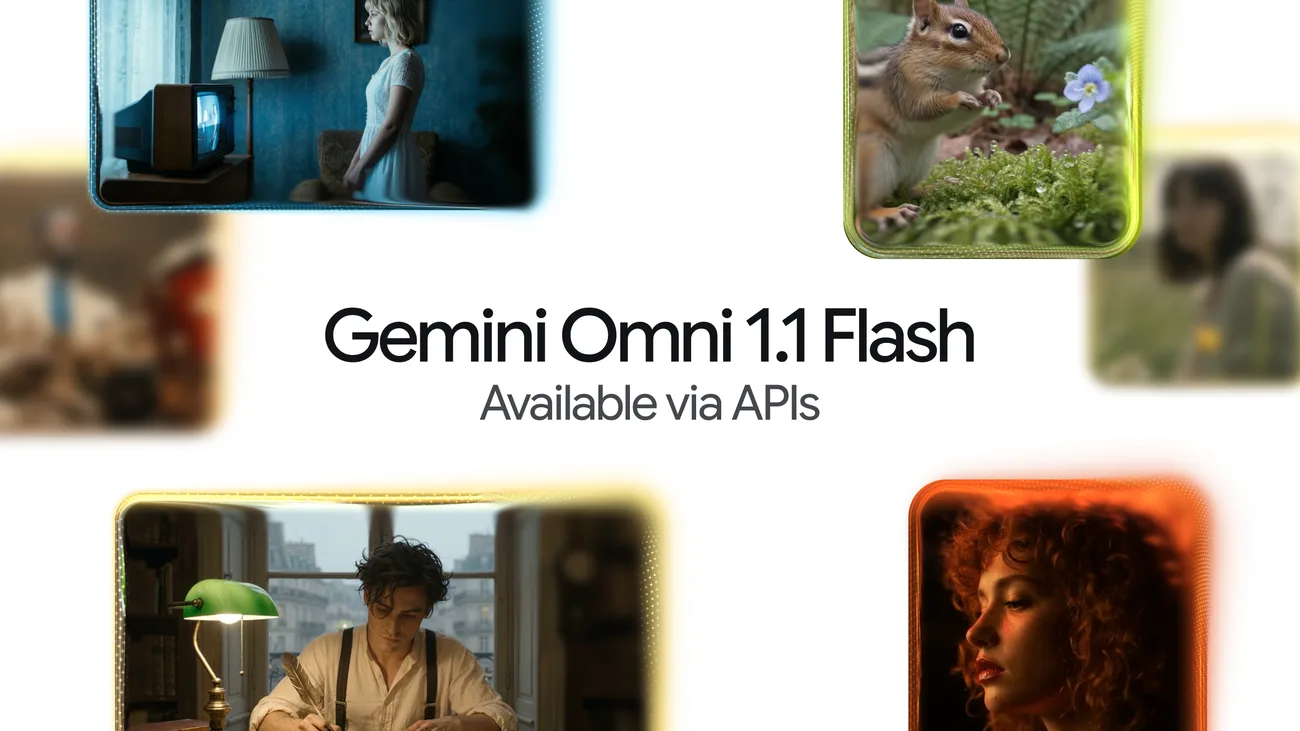
Gemini Omni 1.1 Flash extends a shot to forty seconds and drafts it in 360p first

Google's video model can now continue an existing clip in ten-second steps up to forty seconds total, reading up to ten seconds of prior footage instead of only the final second. A 360p draft mode runs up to 60 percent faster at a third of the cost, and finished work upscales to 1080p or 4K.

Googleverified

Modelsstrong signal

Gemini 3.7 Flash, read from Google's own numbers

Google shipped it on August 13, 2026, 23 days after Gemini 3.6 Flash, with large gains on coding and agent benchmarks and an introductory price it labels as such. All of that holds. Four things are visible only if you open the model card instead of the launch post, and one of them is a score that went down.

Googleverified

Industrymedium signal

Gemma passes a billion downloads and 100,000 derived models

On August 20, Google announced that the Gemma family of open models has passed a billion downloads. In two years the community has published more than 100,000 derived models, and the most recent Kaggle competition drew more than 1,600 entries. An Awesome Gemma repository launched with the announcement, meant as an index of vetted projects, fine-tuned models, tutorials, and tools. The figure matters to someone building sites too, because a model you run on your own server stops being exotic, which makes text processing without sending data to a third party workable.

Googleverified

Industrymedium signal

Google gives sites a button readers use to name them a preferred source

On August 20, Google published a button a publisher places on its own page, which a reader clicks once to add that site to their preferred sources in Search. The consequence is that the site's pages appear more prominently in Top Stories, in AI Overviews, and in AI Mode. Google says users have chosen more than 600,000 different sources so far. Two reader-side changes arrived with it: tuning topics in the Discover feed through a three-dot menu, and a customizable audio briefing in Google News for Android.

Googleverified

Modelsstrong signal

Gemini 3.7 Flash: half the price and markedly better on code

Google released Gemini 3.7 Flash on August 13, just three weeks after 3.6. The gain on coding benchmarks is large: the DeepSWE v1.1 score rises from 49.0% to 65.3%, and FrontierCode 1.1 from 34.4% to 43.6%. Introductory pricing, in force through the end of 2026, is $0.75 per million input tokens and $3.75 per million output tokens — half what its predecessor launched at. The model is available through the Gemini API, in AI Studio, Android Studio, and Antigravity, and in Spark for AI Pro and Ultra subscribers.

9to5Google / Googleverified

Agentsmedium signal

Gemini Spark takes over desktop Chrome

Google's agent can now drive the desktop version of Chrome, using accounts you are already signed in to and passwords saved in the browser. It books property viewings, prepares flight searches, and fills in forms, handing the task back to the user to finalize a payment, accept terms, or create an account. This is the same pattern that has settled in with Claude and the rest: the agent does everything up to the step that cannot be undone, and a person confirms that step.

Googleverified