UN statistics now sit behind an MCP connection an agent can query itself
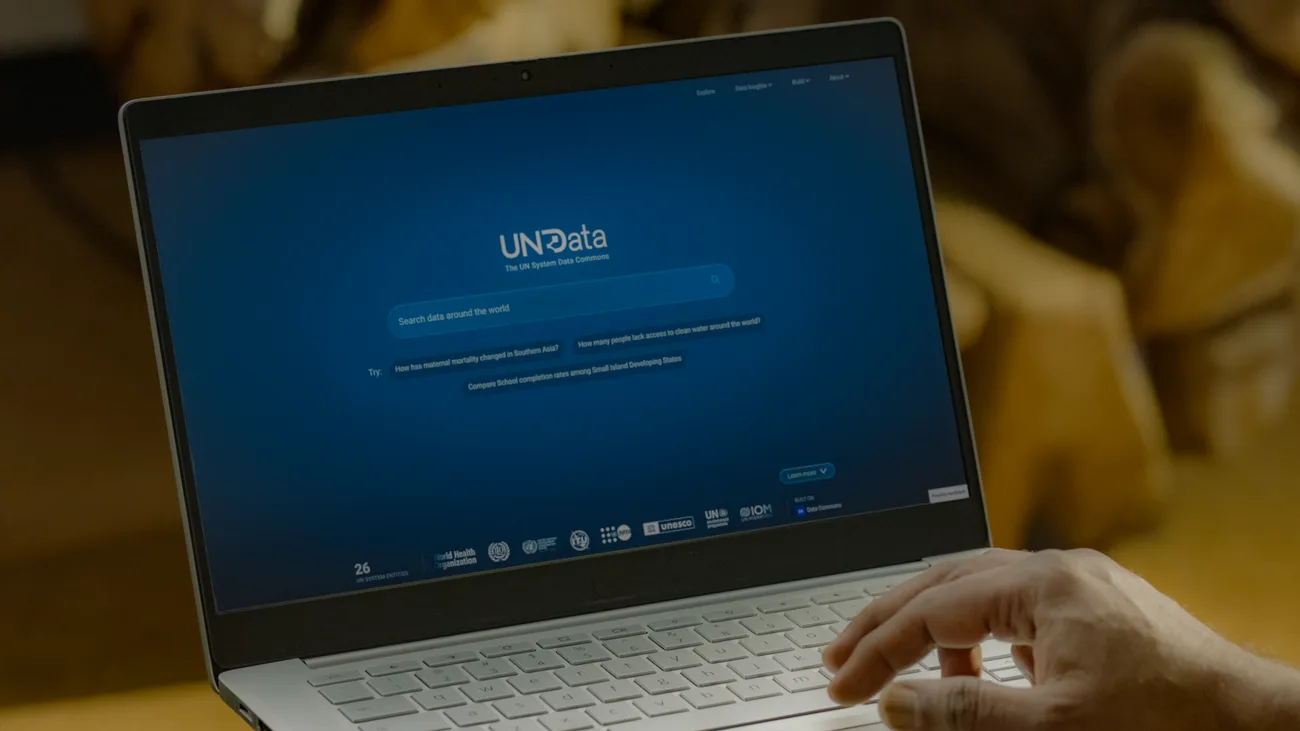
The UN system has opened the UN System Data Commons, a single knowledge graph built from statistics that used to live in separate agency silos. It is searchable in plain language at data.un.org, and it speaks the Model Context Protocol, so an agent can fetch a figure without a person opening a spreadsheet. Google states that every dataset was validated with UN statisticians. The stated goal is 80% of the system's statistical datasets by 2027.
Source
Making global data easier to exploreGoogle: The Keyword, AI · Original published September 17, 2026
Global statistics have been available for years and awkward to use for just as long, because each agency published in its own format with its own geography and its own timeline. On September 17, 2026, the UN system opened the UN System Data Commons, built on Google's Data Commons, which merges those datasets into one knowledge graph. For anyone writing software, the part that matters is the interface: the platform speaks the Model Context Protocol, so an agent can ask it for a number directly.
What was actually opened
The platform is open source and lives at data.un.org. It accepts questions in plain language — how access to clean water in rural areas affects school attendance, how many people gained access to electricity in the past decade — and answers with data and interactive charts. An Explore tab filters by location or by theme such as health or education, and a blog section publishes worked analyses, one of them using UNICEF data on child poverty.
The merging is the expensive part and the platform does it once for everyone. Metrics, timelines and geographic boundaries from different agencies are aligned into a single environment, which is the work analysts previously repeated by hand before any analysis began. Google states that every dataset was validated with UN system statisticians and technical experts, and that the project was supported by a Google.org grant to the UN Foundation.
How an agent plugs into it
Data Commons exposes the Model Context Protocol, which is the same interface a coding agent already uses to reach a file system or a ticket tracker. An agent pointed at this endpoint can fetch authoritative figures, join them across domains, and assemble charts, infographics or a draft report without a person exporting anything.
That changes the shape of a whole class of small tools. A dashboard that needed a scraper, a cleaning step and a scheduled job to stay current can instead ask a question at request time and get an official figure back, with the provenance attached to it.
- The data is official statistics from UN entities, not a third party's copy of them.
- The protocol is the one your agent already speaks, so no bespoke client is needed.
- Geography and time are normalized across agencies, which is where hand-built pipelines usually break.
- The launch post carries a caution about citing figures without opening the source underneath them.
What the announcement leaves open
Coverage is a stated plan rather than a finished state. The UN system says it will keep adding datasets from more entities over the coming year, aiming to include 80% of the system's statistical datasets by 2027. What is present on launch day is therefore a fraction of that, and the post does not say how large a fraction.
Rate limits and terms for automated access are not described in the announcement either. Before a production service depends on this, both are worth confirming against the platform's own documentation rather than the launch post.
„Even with grounded, verified data, review the underlying sources before citing critical figures.“
Related

The same SSRF bug turned up in MCP servers at Google, JPMorgan, and two governments
An independent researcher reported one class of server-side request forgery to five organizations that share no code, and all five confirmed and fixed it. Google's MCP Toolbox for Databases carried a high-severity CVE until version 1.5.0. Five US federal servers are still open. If you run an MCP server with any tool that fetches a web address, the four checks at the end apply to you.
Ars Technicaverified

Meta open-sources Muse Gadgets, which lets its Muse agent run shell commands on a Raspberry Pi
Meta published the Muse Gadgets repository on October 2, 2026, under the Apache 2.0 license. It contains firmware for ESP32 boards and a Linux device SDK that turns a Raspberry Pi into a device its Muse agent can operate. On Linux, Muse runs shell commands with the permissions of the account you install it for, including sudo if that account has it. Meta's documentation says pairing has no manufacturer verification and cannot prevent an active man-in-the-middle attack.
Metaverified
ChatGPT plugins can now run as sidebar apps and react to events from connected tools
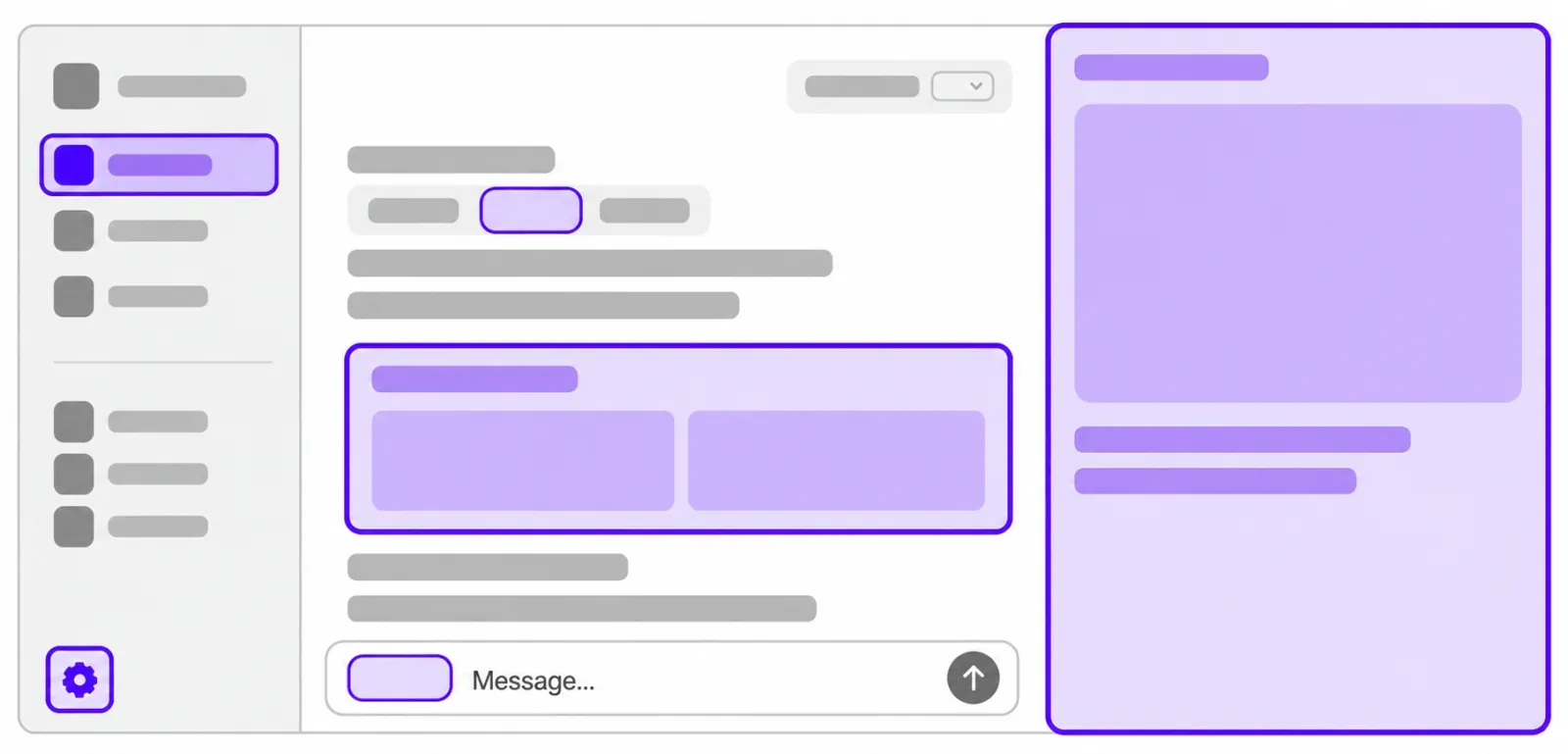
OpenAI opened the interface layer it uses for its own ChatGPT features to outside developers. A plugin can now claim a place in the sidebar, open a panel beside a conversation, and act as the viewer for its own file types. A separate MCP Events integration lets a plugin start an automation when something happens in a connected app, which requires MCP 2.0 and webhook delivery. Sign in with ChatGPT lets a Plus or Pro allowance be spent in 16 partner tools.
OpenAIverified