Skip to content

Tags

API

6 items
Black Forest Labs' announcement graphic: stacked cards showing an illustrated tree, beside the words "4K Video Upscaler, powered by FLUX 3".
Video & Imagemedium signal

FLUX Upscale prices video by the megapixel-second, and charges only for what comes out

Black Forest Labs released FLUX Upscale on August 20 as a standalone tool and endpoint that regenerates video up to 4K. It runs in two modes: Precise at $0.07 per megapixel-second and Creative at $0.10. The billing detail matters more than either rate, because the charge is calculated on the output alone, so the upscale factor you pick is what sets the bill.

Black Forest Labsverified

GPT-5.6 SOL$4/$20per million tokens, in and out
Modelsstrong signal

GPT-5.6 Sol drops to $4 and $20, and overtakes Claude Opus 5 on cost

OpenAI cut Sol's API price on August 21: input from $5 to $4, output from $30 to $20, cached input from $0.50 to $0.40. On a standard task the model goes from more expensive than Claude Opus 5 to cheaper than it. The cut is promotional and runs at least through November 21.

OpenAIverified

COST PER TASK$1.76the cheapest thousand 4,000-token calls
Modelsstrong signal

Best cheap models for high-volume work, priced per thousand calls

Six models, one task, one number: what a thousand calls cost when each sends 4,000 tokens in and gets 800 back. The cheapest row is $1.76 and the most expensive is $16.00, a nine-fold spread rather than the hundred-fold spread the category implies. Two things move the ranking more than the headline price does, and one of them has a date on it.

Anthropic, Google, OpenAIverified

Modelsstrong signal

Claude Opus 5 vs GPT-5.6 Sol: which is cheaper depends on a threshold OpenAI does not publish

Sol's price cut on August 21 put it below Opus 5 on both short-context columns — $4 against $5 on input, $20 against $25 on output. Its long-context column went the other way and still costs more. Opus 5's price sits between Sol's two columns, so the cheaper model depends on which column your request lands in, and OpenAI does not say where the boundary is.

Anthropic, OpenAIverified

Modelsstrong signal

Cut your model bill by 89% without changing what you ship

Four levers, all published, none of them clever: cache the fixed part of your prompt, batch what can wait, drop a tier where the task allows it, and stop paying multipliers you did not ask for. Worked all the way through on one real workload.

Anthropic, OpenAIverified

Modelsstrong signal

Claude Opus 5: choosing how much effort to spend, at unchanged prices

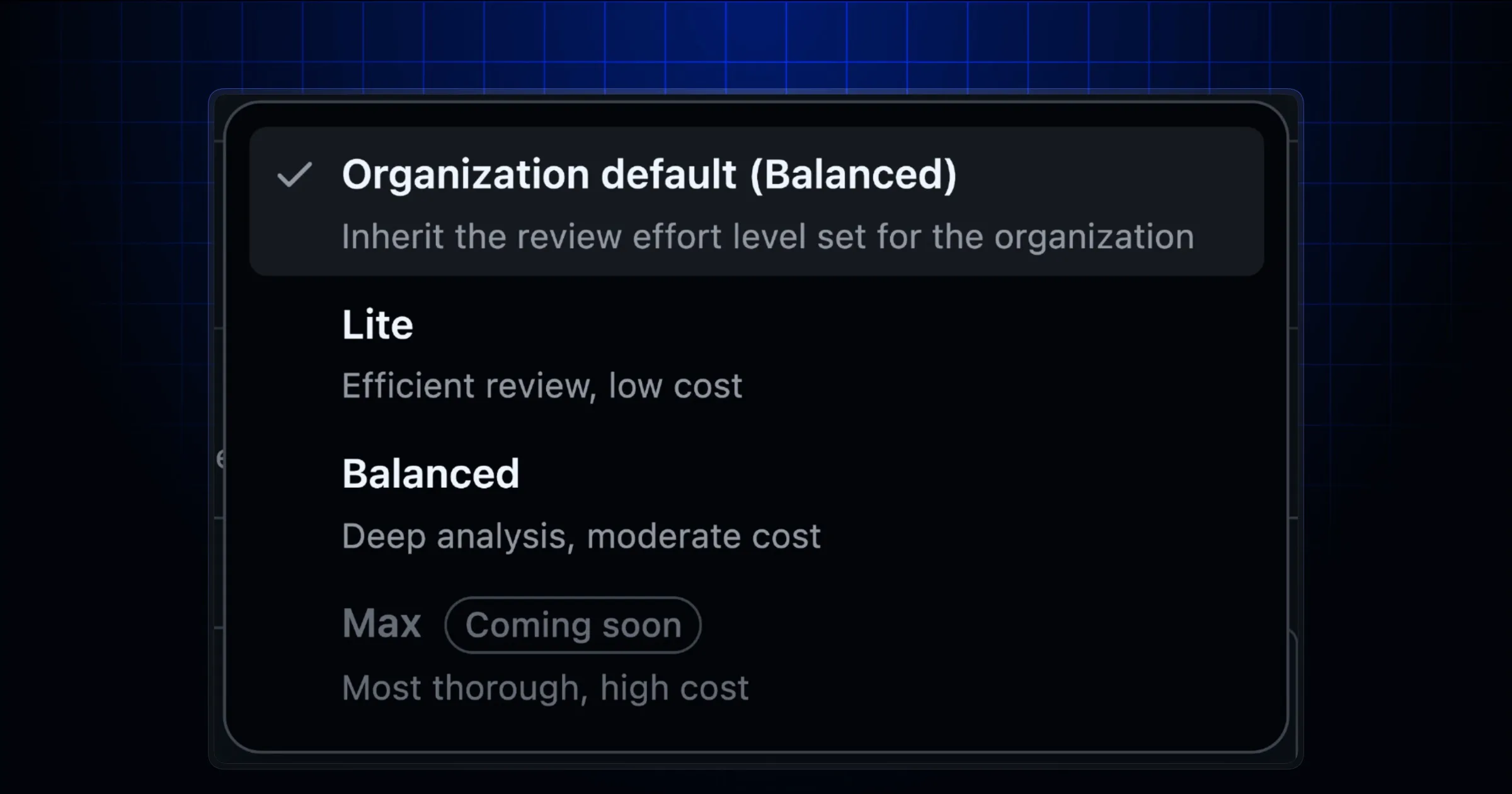
The new flagship in the Opus line lets you set how much effort it spends on a task, across three levels — low, medium, and high — which gives you direct control over the trade-off between cost and quality. Pricing stayed where it was with 4.8, at five dollars per million input tokens and twenty-five per million output tokens, while scores on a large share of tasks sit close to Fable. Opus 5 became the default on the Max plan and the strongest model available on Pro, and it is called in the API as claude-opus-5.

Anthropicverified