ChatGPT for Healthcare now connects to Epic records and nine official public health sources
OpenAI announced an Epic integration and a Healthcare Public Data plugin for ChatGPT for Healthcare on September 1, 2026. A clinician can bring authorized patient context into ChatGPT instead of reading across notes, labs, medications and specialist documentation. The EHR integration is not available to individual accounts. Every accuracy figure in the announcement comes from an evaluation OpenAI itself organized.

Source
Healthcare organizations can now connect EHR and additional industry data to ChatGPTOpenAI News · Original published September 1, 2026
OpenAI has connected ChatGPT for Healthcare to two things it could not read before: a patient's record in Epic, and a set of official public healthcare datasets. Announced on September 1, 2026, the first arrives as an EHR integration and the second as a plugin. Both are workspace features, enabled by an administrator, and neither is available on a personal account.
What comes in from Epic
Healthcare organizations can connect Epic environments to ChatGPT. The stated use is pre-visit work: what changed since the last visit, which recent lab results to review, whether medications changed or a specialist recommended something, and which follow-ups or referrals are unresolved. ChatGPT assembles the answer from the authorized record and points back at the supporting chart information.
The integration has two shapes. In the first, authorized patient information is brought into ChatGPT and reviewed there. In the second, available in supported deployments, ChatGPT is placed inside the EHR layout itself, so the clinician does not leave the patient chart. Which one an organization gets depends on its deployment, not on a setting the clinician picks.
Nine public sources behind one plugin
The Healthcare Public Data plugin bundles dedicated connectors to nine official public healthcare sources. OpenAI names five of them: ClinicalTrials.gov, CMS Coverage, RxNorm, DailyMed and PubMed. The point of the plugin is precision rather than reach — working with specific records, fields, identifiers and versions instead of a general search across everything.
That distinction matters for the kind of question these teams actually ask. Trial eligibility criteria, a medication's current label and warnings, which version of a coverage policy applies: each of those is a lookup with a right answer in a named record. A general web search over the same material is a different and worse tool for the job.
The accuracy figures, and who produced them
OpenAI reports that physicians evaluated responses across 27 clinical use cases and that, across 4,363 ratings, 99.1% of responses were rated safe. In a separate two-round evaluation, more than 93% of responses were rated good or better for accuracy on each of five connected data sources. The company also says the physicians it works with have reviewed more than 700,000 model responses to date.
These are the vendor's own numbers, produced by an evaluation the vendor organized, and no independent replication is offered. That does not make them wrong. It does mean the interesting figure — what was in the responses that were not rated safe — is the one the announcement does not give.
- ChatGPT for Healthcare customers get both features once a workspace administrator enables them.
- ChatGPT Enterprise customers have to confirm eligibility and configuration with their OpenAI account team.
- Eligible ChatGPT for Clinicians users in the United States can install the Healthcare Public Data plugin; the EHR integration is not available for individual accounts.
- The workspace carries role-based access, single sign-on and audit logging, and with an applicable Business Associate Agreement it supports HIPAA-compliant workflows.
„the technology has the potential to reduce time spent synthesizing data“
Related

The same SSRF bug turned up in MCP servers at Google, JPMorgan, and two governments
An independent researcher reported one class of server-side request forgery to five organizations that share no code, and all five confirmed and fixed it. Google's MCP Toolbox for Databases carried a high-severity CVE until version 1.5.0. Five US federal servers are still open. If you run an MCP server with any tool that fetches a web address, the four checks at the end apply to you.
Ars Technicaverified

Meta open-sources Muse Gadgets, which lets its Muse agent run shell commands on a Raspberry Pi
Meta published the Muse Gadgets repository on October 2, 2026, under the Apache 2.0 license. It contains firmware for ESP32 boards and a Linux device SDK that turns a Raspberry Pi into a device its Muse agent can operate. On Linux, Muse runs shell commands with the permissions of the account you install it for, including sudo if that account has it. Meta's documentation says pairing has no manufacturer verification and cannot prevent an active man-in-the-middle attack.
Metaverified
ChatGPT plugins can now run as sidebar apps and react to events from connected tools
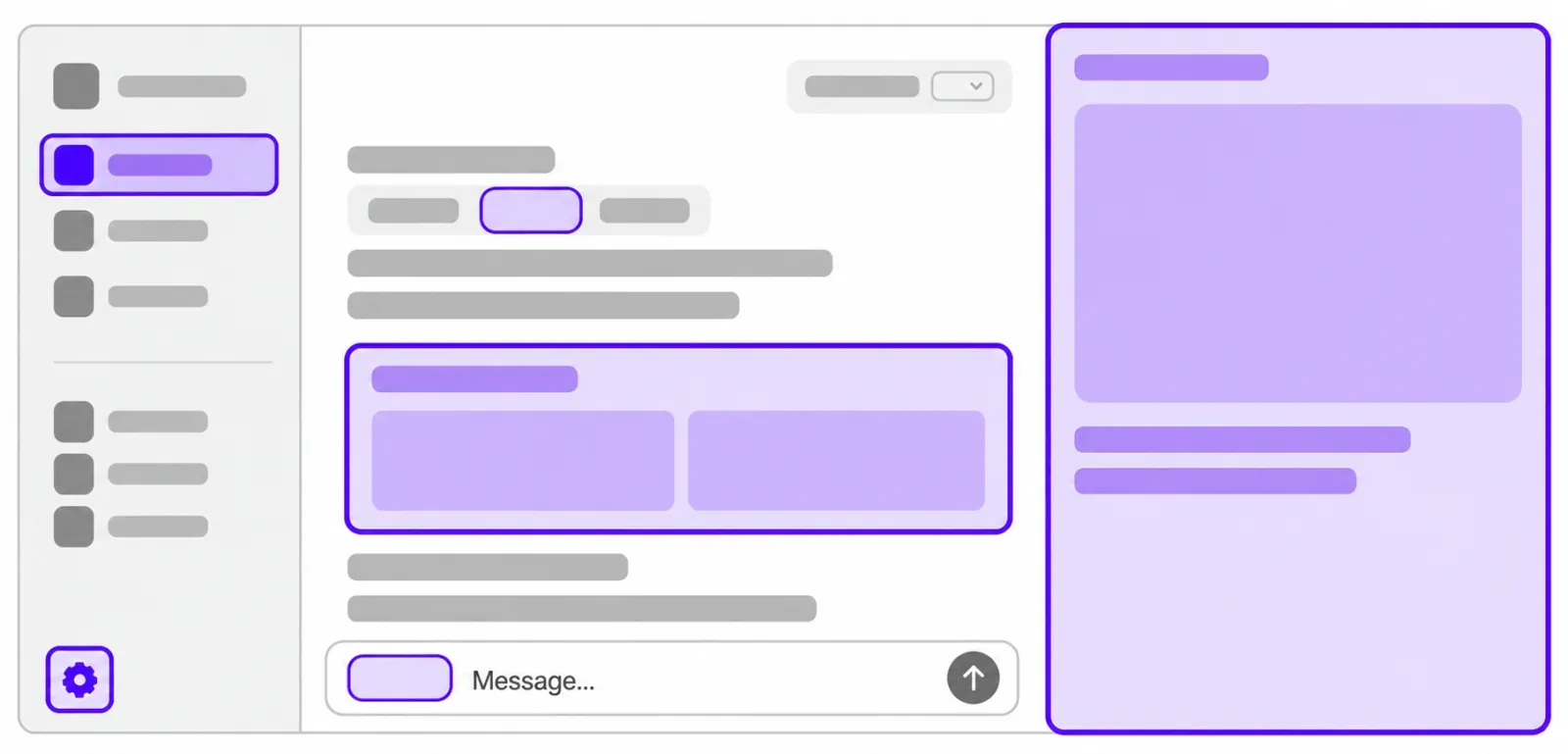
OpenAI opened the interface layer it uses for its own ChatGPT features to outside developers. A plugin can now claim a place in the sidebar, open a panel beside a conversation, and act as the viewer for its own file types. A separate MCP Events integration lets a plugin start an automation when something happens in a connected app, which requires MCP 2.0 and webhook delivery. Sign in with ChatGPT lets a Plus or Pro allowance be spent in 16 partner tools.
OpenAIverified