OpenAI's own announcements, model cards and pricing changes. A primary source outranks any site that retells it, because retelling loses the nuance and adds excitement the original does not carry.
OpenAI cut Sol's API price on August 21: input from $5 to $4, output from $30 to $20, cached input from $0.50 to $0.40. On a standard task the model goes from more expensive than Claude Opus 5 to cheaper than it. The cut is promotional and runs at least through November 21.
Sol's price cut on August 21 put it below Opus 5 on both short-context columns — $4 against $5 on input, $20 against $25 on output. Its long-context column went the other way and still costs more. Opus 5's price sits between Sol's two columns, so the cheaper model depends on which column your request lands in, and OpenAI does not say where the boundary is.
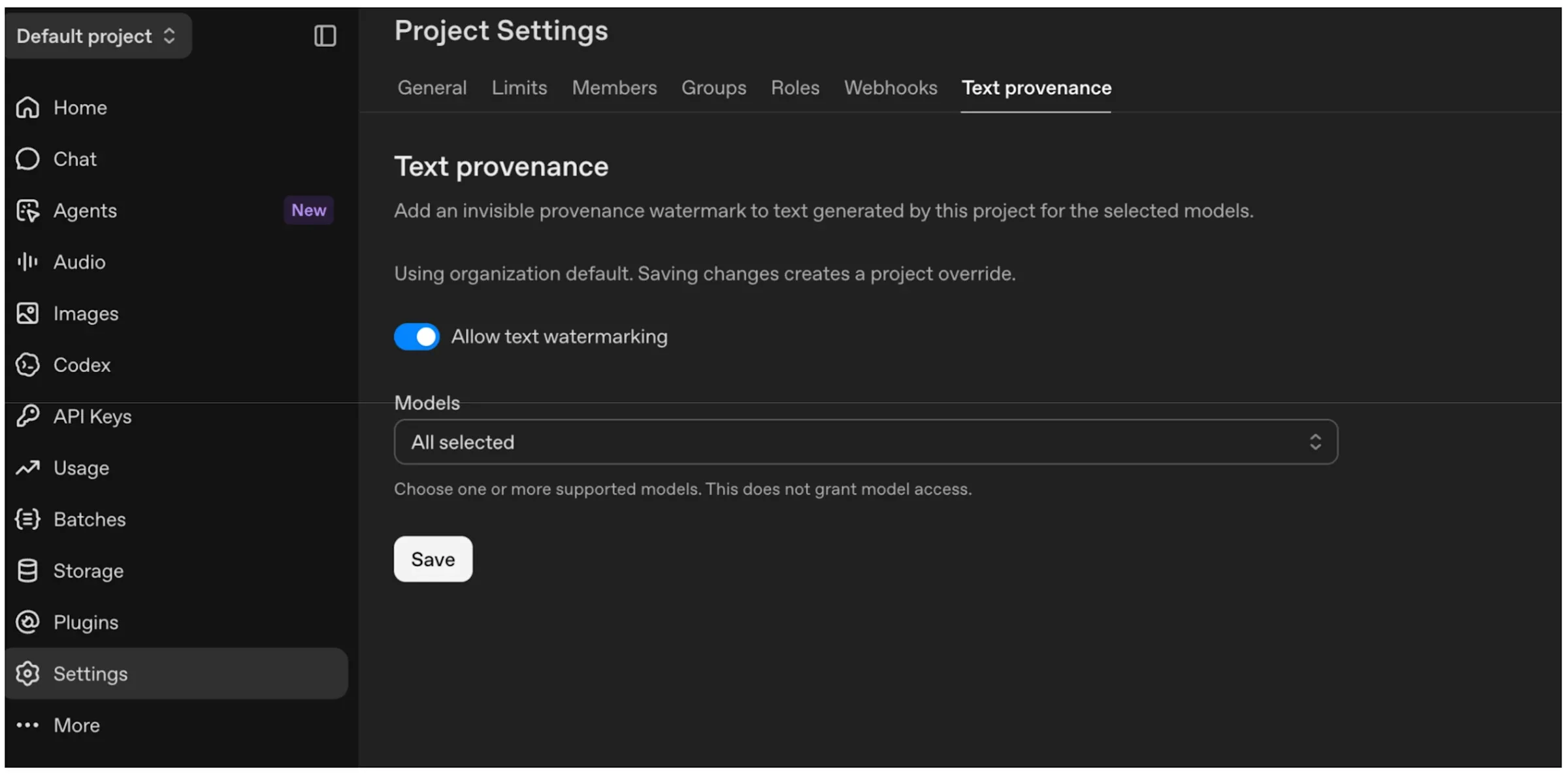
On August 19, OpenAI released a preview of a system that recognizes abuse patterns across several linked sessions without retaining user content. The idea is that only a narrowly defined safety signal is passed on, without exposing the prompts and responses themselves, which keeps the zero data retention guarantee for paid API customers in force. The target is attackers who split a request across several conversations to avoid detection. The approach is the opposite of Anthropic's policy, which keeps data for 30 days with controlled human review; if you are choosing a vendor for a project with sensitive client data, that difference is worth understanding before you sign. Wider rollout and a technical paper were announced for September.