OpenClaw 2026.9.7 adds Sign in with ChatGPT and an OpenAI Agents API plugin
OpenClaw released version 2026.9.7 on September 30, 2026. It adds Sign in with ChatGPT as a login option next to Codex login and API keys, which OpenAI says lets Plus and Pro subscribers spend their plan allowance inside OpenClaw. A new plugin runs agents through the OpenAI Agents API. Updates now back up every database before migrating, admins can limit which models a role may use, and incognito sessions expire after 24 hours.
OpenClaw's September 30 release is the first one where the way you pay can change. Sign in with ChatGPT, in beta, joins Codex login and API keys as a way to reach OpenAI models. On the same day OpenAI listed OpenClaw among 16 partner tools where a ChatGPT plan's allowance can be spent. The rest of the release is about not losing data on update and about what an administrator can restrict.
Paying with a ChatGPT plan
The release notes add Sign in with ChatGPT (Beta) as an OpenAI authentication choice, with notes on what it can and cannot do, and keep those credentials out of media requests that do not support them. OpenAI's DevDay recap says a subscriber can use their allowance across 16 partners, OpenClaw among them, and control how much each tool may use. Eligible usage counts toward the plan's limits. Identity is available globally, while plan usage is available to Plus and Pro users in participating tools.
A separate plugin targets the OpenAI Agents API. It runs agents on OpenAI-hosted or self-hosted environments with streamed replies, steering while a task runs, live web search, OpenClaw's own tools, attachments and hosted files, preserved tool history, and, the notes say, accurate token usage. Codex users can opt in to Ultrafast with a plugin setting, used only when the selected model advertises it.
Updates that keep their data
Updates now back up every state and agent database before migrations and restore them on rollback, take consistent snapshots while the Gateway keeps writing, and stop before schema changes when snapshot cleanup fails. The notes also list what went wrong when upgrading from 2026.9.5: managed updates rolled back with a stack overflow, Windows updates left the new schema stranded, and interrupted npm updates did not recover. All of that is marked fixed.
Busy chats no longer stall everyone else, because transcript writes, history preparation, artifact reads, and other work moved off the Gateway's main thread. In-flight turns and their edits now survive a Gateway restart.
What an administrator can now restrict
Named operator roles can carry a model policy that native agents, Visitor Access, model pickers, and plugin completions enforce. Operators can disable client file and image uploads to the Gateway. Incognito sessions expire after 24 hours, keep their turns out of task records and logs, and stop their terminals on reset.
Two smaller changes affect cost estimates and defaults. Each route is now priced by whoever bills it, so an OpenRouter promotion no longer lowers the estimate for OpenAI direct or another gateway. A bare opus selection and new Anthropic setups pick Claude Opus 5.5, while an explicit Opus 5 choice stays pinned.
- New sessions can start in an isolated managed worktree from web, iOS, or Android, so parallel sessions on one repository do not collide.
- Owners can hand an agent an API key, a config change, or a skill edit directly in chat, with approvals completed in the same chat.
- Channels can accept unmentioned follow-ups only in threads the bot created, across Discord, Slack, Telegram, Matrix, Teams, and others.
„updates now back up every state and agent database before migrations“
Sources
Once a week, in your inbox
The whole week's news, gathered into one email. No ads, no passing your address on, one-click unsubscribe.
The address is used only for this roundup. It is not sold and not passed to anyone.
Related
GitHub will bill organizations for Copilot code review by default starting December 30
GitHub said on November 25, 2026, that Copilot code review for licensed members will be billed to the organization that owns the repository whenever no billing choice has been saved. The change applies to Copilot Business and Copilot Enterprise. Administrators who want to keep the current arrangement have to select Member before December 30, 2026.
GitHub Changelogverified
OpenClaw 2026.11.10 turns on Deep Research by default and lets users take over the agent's browser
OpenClaw's new release includes Deep Research, which looks through several sources and returns a report with quotes and gaps marked. It is on by default and uses the models the user has already set up. A second addition lets a user take over a browser tab during a sign-in, although the agent can still capture the page. The optional Knowledge plugin stores memory in local Markdown files.
OpenClawverified
AWS WAF will bill each protected resource from February 2027 and drop its fees for rules
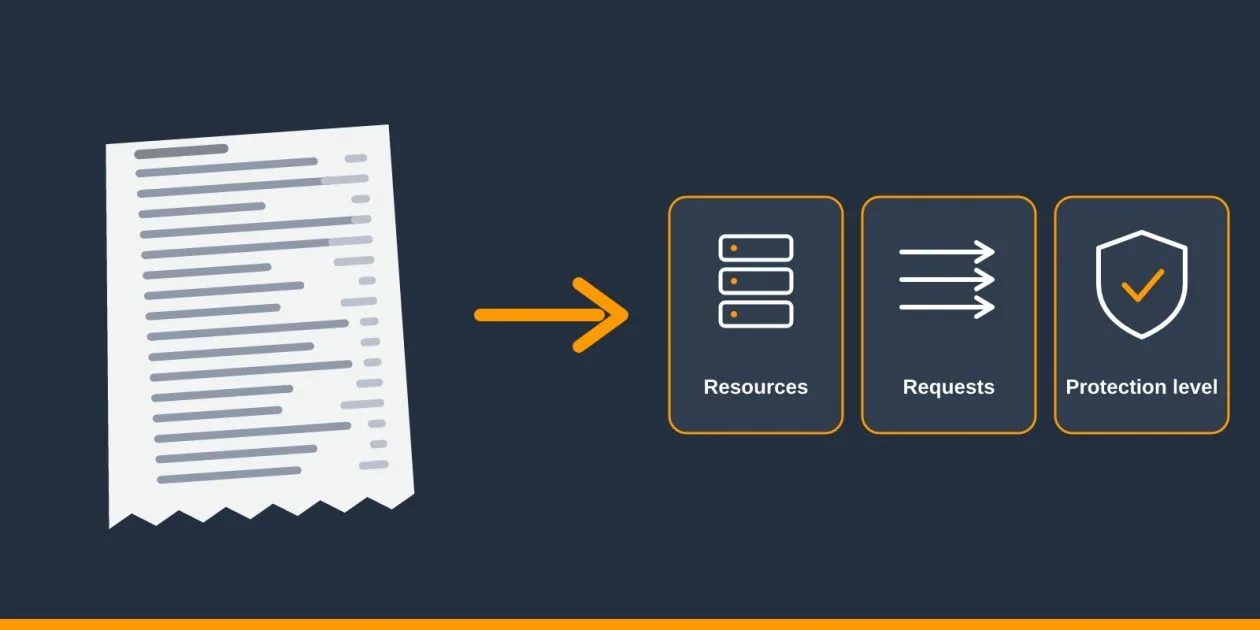
Amazon is changing how it charges for AWS WAF, the firewall that filters traffic to web applications. Rules and rule sets become free, while every protected resource gets an hourly fee. Sites with many rules on a few resources stand to pay less, and companies that cover many resources with one rule set can pay several times more.
AWSverified