GitHub will bill organizations for Copilot code review by default starting December 30
GitHub said on November 25, 2026, that Copilot code review for licensed members will be billed to the organization that owns the repository whenever no billing choice has been saved. The change applies to Copilot Business and Copilot Enterprise. Administrators who want to keep the current arrangement have to select Member before December 30, 2026.
Source
Copilot code review billing will default to the organizationGitHub Changelog: Copilot · Original published November 25, 2026
Starting December 30, 2026, GitHub will charge Copilot code review to the organization that owns the repository instead of the requesting member's own Copilot entitlement, wherever an administrator has not chosen how those reviews are billed. GitHub announced the change on November 25, 2026. It covers organizations and enterprises on Copilot Business and Copilot Enterprise, and GitHub warns that it can raise an organization's spending.
What changes and for whom
Copilot code review is the feature in which Copilot reads a pull request, a proposed code change on GitHub, and leaves comments on it. Today, when no billing choice is saved, a review requested by a member with a paid Copilot license draws on that member's entitlement. From December 30, the same review is billed to the organization.
Organizations that already saved Member or Organization keep that choice. Accounts that do not have AI Credits paid usage enabled, that have a billing lock, or that have no billable customer are set to Member instead. The separate setting for members without a Copilot license does not change.
What the organization pays with
GitHub bills metered Copilot use in organizations and enterprises in AI Credits, and one credit costs $0.01. Copilot Business includes a pooled monthly allowance of 1,900 credits per user, and Copilot Enterprise includes 3,900. According to GitHub's documentation, AI Credits paid usage is enabled by default on both plans, so use can continue past the pool at the per-credit rate.
The announcement itself says organization billing requires AI Credits paid usage and can increase the organization's spending. The Member option has a drawback of its own: when a member's quota runs out, the review fails. Reviews in the Balanced and Max modes use more credits.
How to keep member billing
Until December 30, settings that were never saved show Default (Member) with a notice about the change. To keep reviews on members' entitlements, an administrator selects Member under the setting Choose how members with a Copilot license are billed, found in an organization under Settings, Copilot, and Code review. If the enterprise manages the setting, an enterprise owner makes the choice. A saved choice stays in effect after the default changes.
Sources
Once a week, in your inbox
The whole week's news, gathered into one email. No ads, no passing your address on, one-click unsubscribe.
The address is used only for this roundup. It is not sold and not passed to anyone.
Related
OpenClaw 2026.11.10 turns on Deep Research by default and lets users take over the agent's browser
OpenClaw's new release includes Deep Research, which looks through several sources and returns a report with quotes and gaps marked. It is on by default and uses the models the user has already set up. A second addition lets a user take over a browser tab during a sign-in, although the agent can still capture the page. The optional Knowledge plugin stores memory in local Markdown files.
OpenClawverified
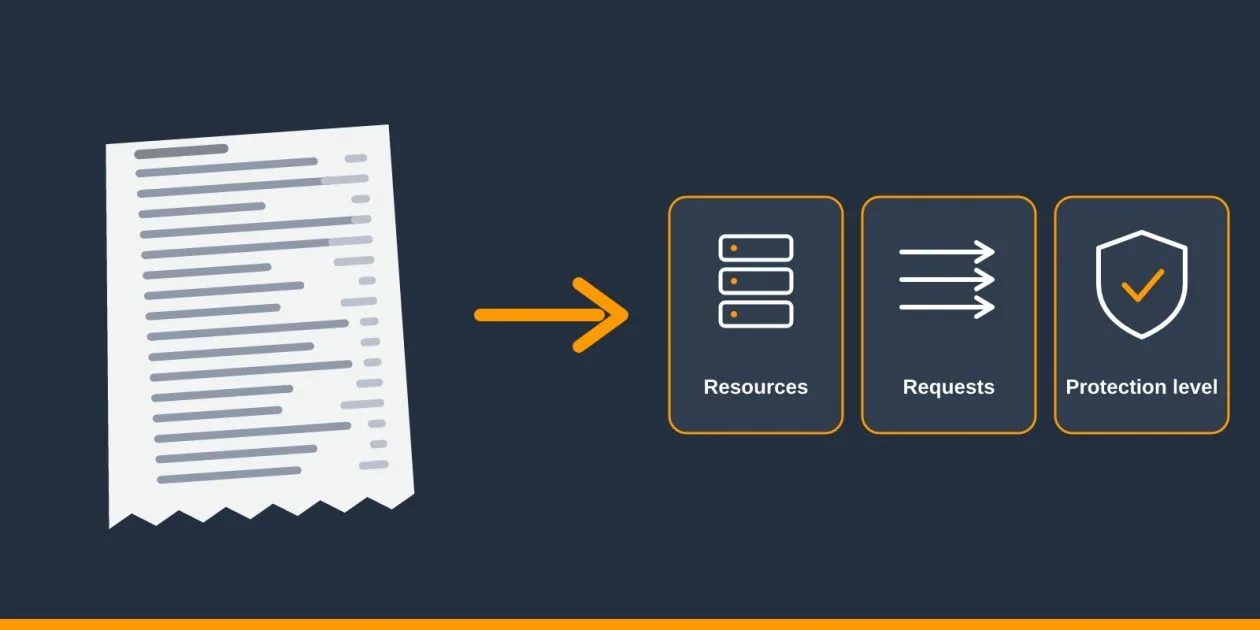
AWS WAF will bill each protected resource from February 2027 and drop its fees for rules
Amazon is changing how it charges for AWS WAF, the firewall that filters traffic to web applications. Rules and rule sets become free, while every protected resource gets an hourly fee. Sites with many rules on a few resources stand to pay less, and companies that cover many resources with one rule set can pay several times more.
AWSverified
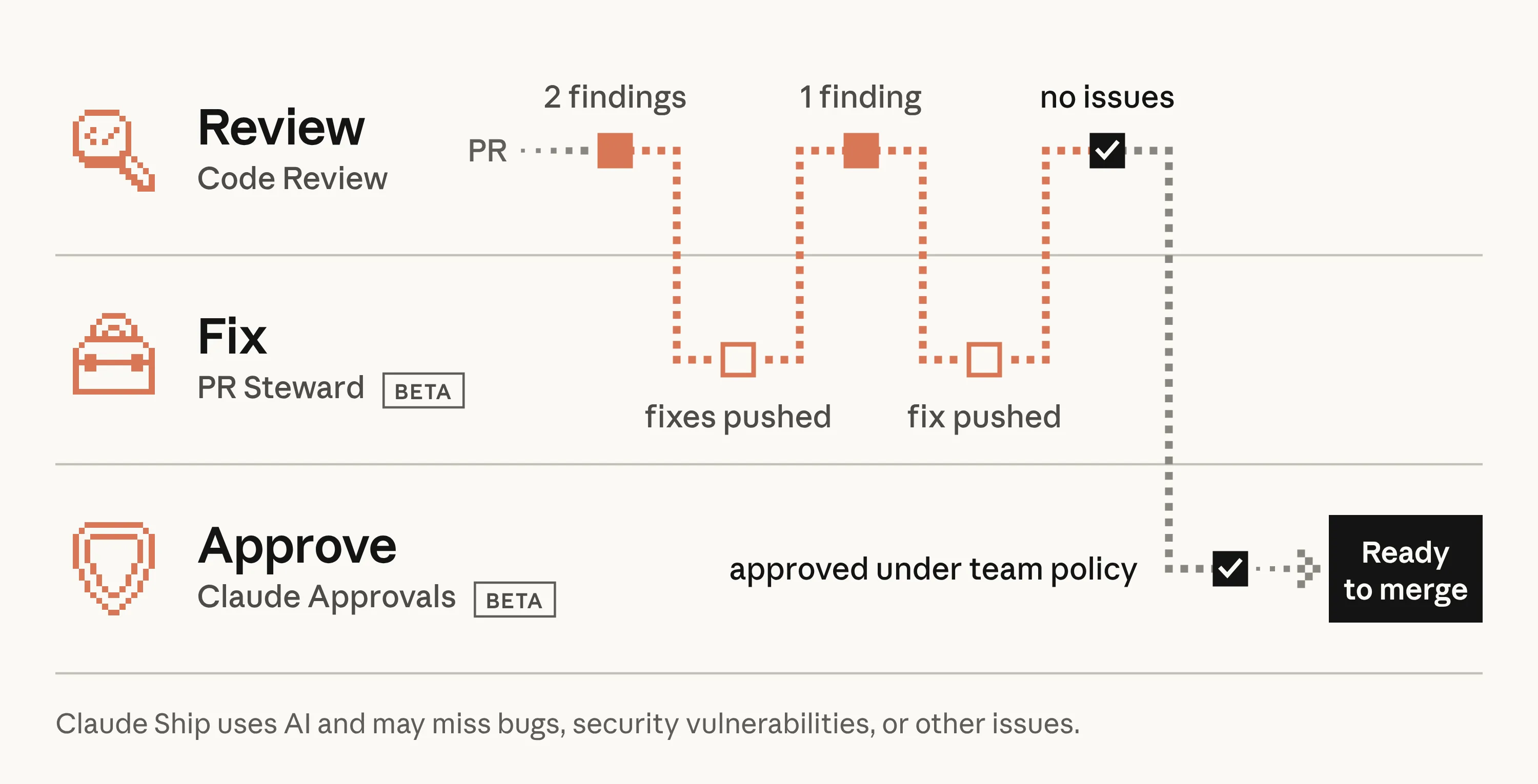
Claude Ship can approve GitHub pull requests on its own where a team's policy allows it
Anthropic's new set of agents reviews code changes on GitHub, fixes them, and can approve them without waiting for a person. A team decides how far that goes by writing a policy file. Usage is billed by tokens on top of the plan, and the documentation lists several setups in which a change merges with no human review.
Anthropicverified