OpenClaw 2026.11.10 turns on Deep Research by default and lets users take over the agent's browser
OpenClaw's new release includes Deep Research, which looks through several sources and returns a report with quotes and gaps marked. It is on by default and uses the models the user has already set up. A second addition lets a user take over a browser tab during a sign-in, although the agent can still capture the page. The optional Knowledge plugin stores memory in local Markdown files.
OpenClaw, the open-source platform for AI agents, published version 2026.11.10 on GitHub on November 25, 2026. The release combines the work of 349 contributors. Three additions matter most to users: built-in Deep Research, control of a browser tab during a task, and a new way to store the agent's memory.
Deep Research runs on the user's own models
Deep Research breaks a question into parts, searches the web or supplied documents, and compares each finding with exact quotes from the source. When sources disagree, the report shows the quotes side by side and lists unresolved questions. It ships switched on and sends no research requests until it is used.
By default, one job may make 8 model calls, 6 searches, and 12 fetches, with a deadline of 180 seconds. The documentation says token totals are observed and are not a hard token or dollar cap. Reports are kept for seven days. The plugin can be turned off with plugins.entries.deep-research.enabled: false.
Google's managed research engine is optional. Using it brings Google API billing and storage of the data on the provider's side. The documentation also warns that the automatic checks do not establish that the findings are true or complete.
Taking over a browser tab
A user can select "Take control" in the Browser panel to sign in, enter a two-factor code, or solve a CAPTCHA. The agent's clicks and typing in that tab are paused meanwhile. Control returns when the user releases it or after five minutes without input.
The agent can still take snapshots and screenshots during that time. Stored payment cards and passwords have a separate option: settings and password manager pages open in a tab that the agent cannot list, read, or capture. Both options apply only to browsers on the Gateway host, the machine that runs OpenClaw.
Memory and changes on upgrade
Knowledge keeps people, projects, and decisions as linked Markdown files with excerpts from the source. It is off until the user selects it as the memory provider, and existing memory data stays untouched. An optional recall check sends the user's message and selected excerpts to the configured Decision model provider.
Several defaults also change. Conversations that run through claude-cli get Claude Code's WebSearch when no other search provider is set, and each existing conversation starts one fresh Claude Code session. Inactive chat history is compressed and archived after 30 days and can be restored. A security fix stops an untrusted .env file in a workspace from redirecting Azure OpenAI requests that carry credentials to another host.
„These checks do not establish truth or completeness.“
Sources
Once a week, in your inbox
The whole week's news, gathered into one email. No ads, no passing your address on, one-click unsubscribe.
The address is used only for this roundup. It is not sold and not passed to anyone.
Related
GitHub will bill organizations for Copilot code review by default starting December 30
GitHub said on November 25, 2026, that Copilot code review for licensed members will be billed to the organization that owns the repository whenever no billing choice has been saved. The change applies to Copilot Business and Copilot Enterprise. Administrators who want to keep the current arrangement have to select Member before December 30, 2026.
GitHub Changelogverified
AWS WAF will bill each protected resource from February 2027 and drop its fees for rules
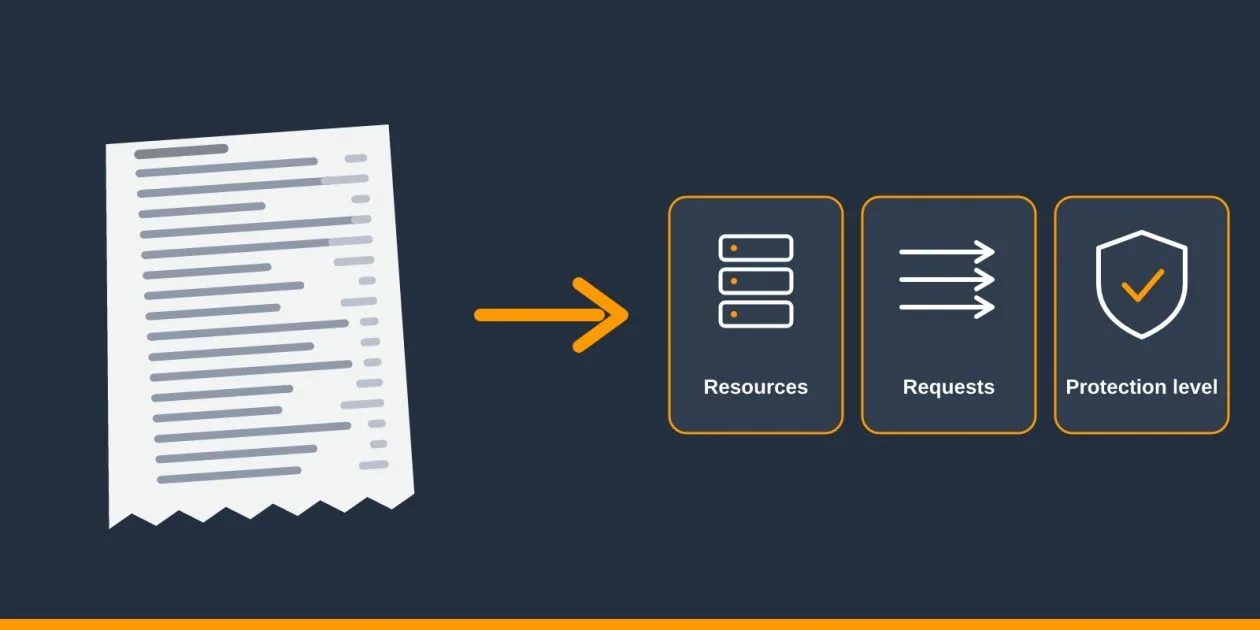
Amazon is changing how it charges for AWS WAF, the firewall that filters traffic to web applications. Rules and rule sets become free, while every protected resource gets an hourly fee. Sites with many rules on a few resources stand to pay less, and companies that cover many resources with one rule set can pay several times more.
AWSverified
Claude Ship can approve GitHub pull requests on its own where a team's policy allows it
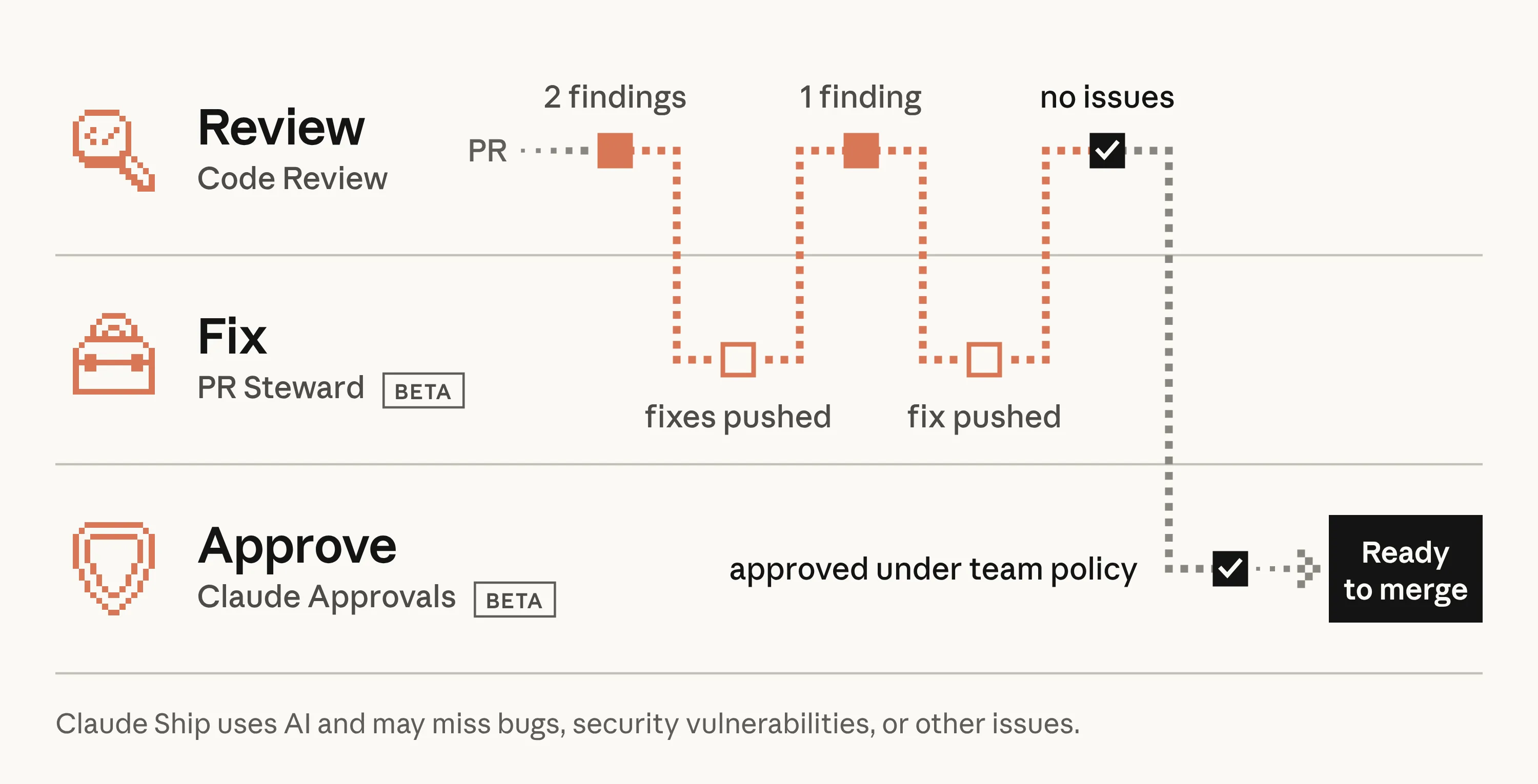
Anthropic's new set of agents reviews code changes on GitHub, fixes them, and can approve them without waiting for a person. A team decides how far that goes by writing a policy file. Usage is billed by tokens on top of the plan, and the documentation lists several setups in which a change merges with no human review.
Anthropicverified