Tools that turn text into images and video, like Nano Banana, Gemini Omni, Kling and Midjourney: new models, prices per image and per second, free plans. We also follow the rules on using other people's faces.
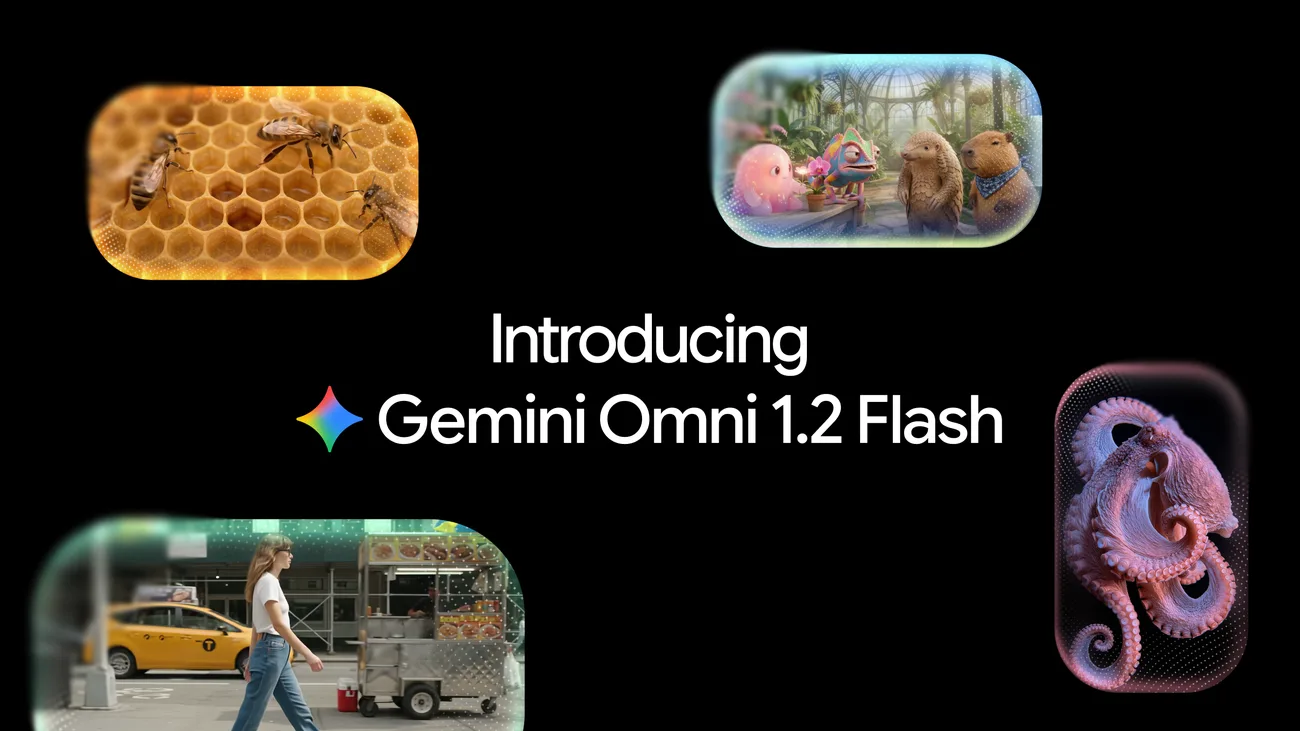
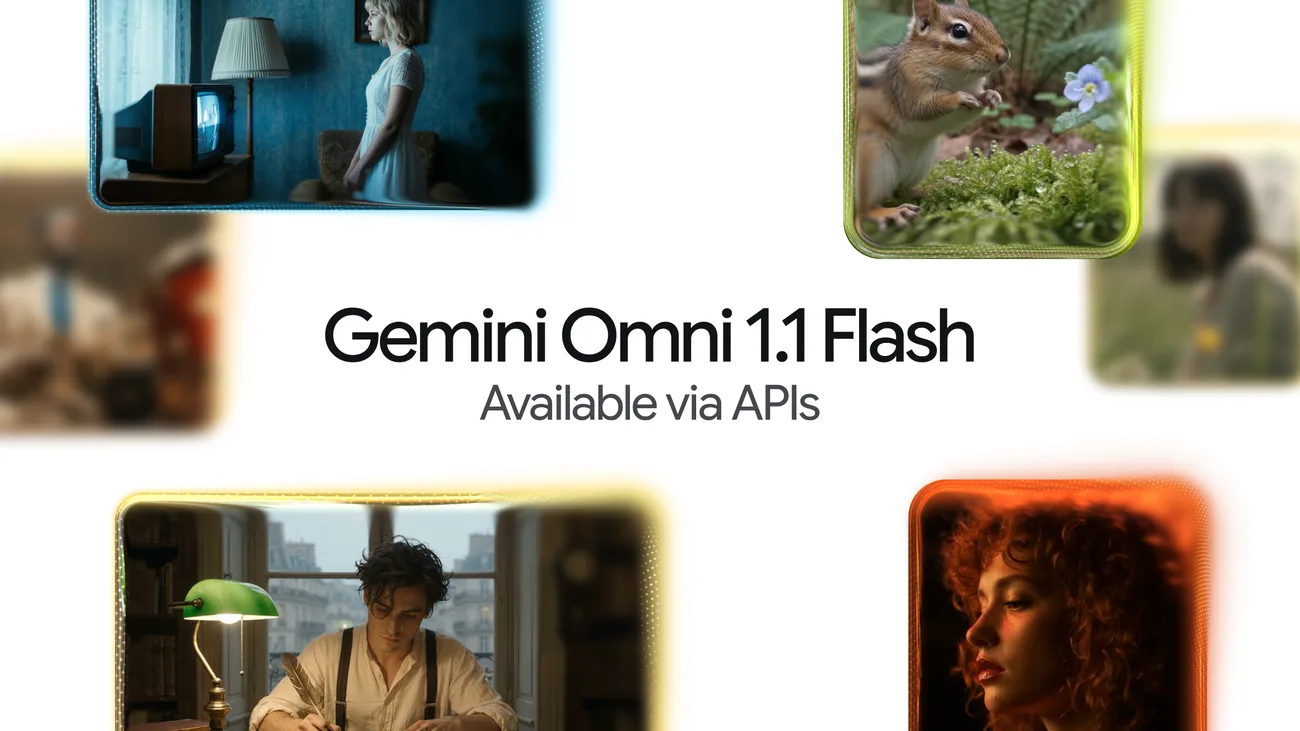
Google made the video model generally available on November 5, 2026, through the Gemini API and Gemini for business. It says the price is 30% below Omni 1.1. Clips can now run from 3 to 15 seconds in one generation, and the free tier does not include the model.
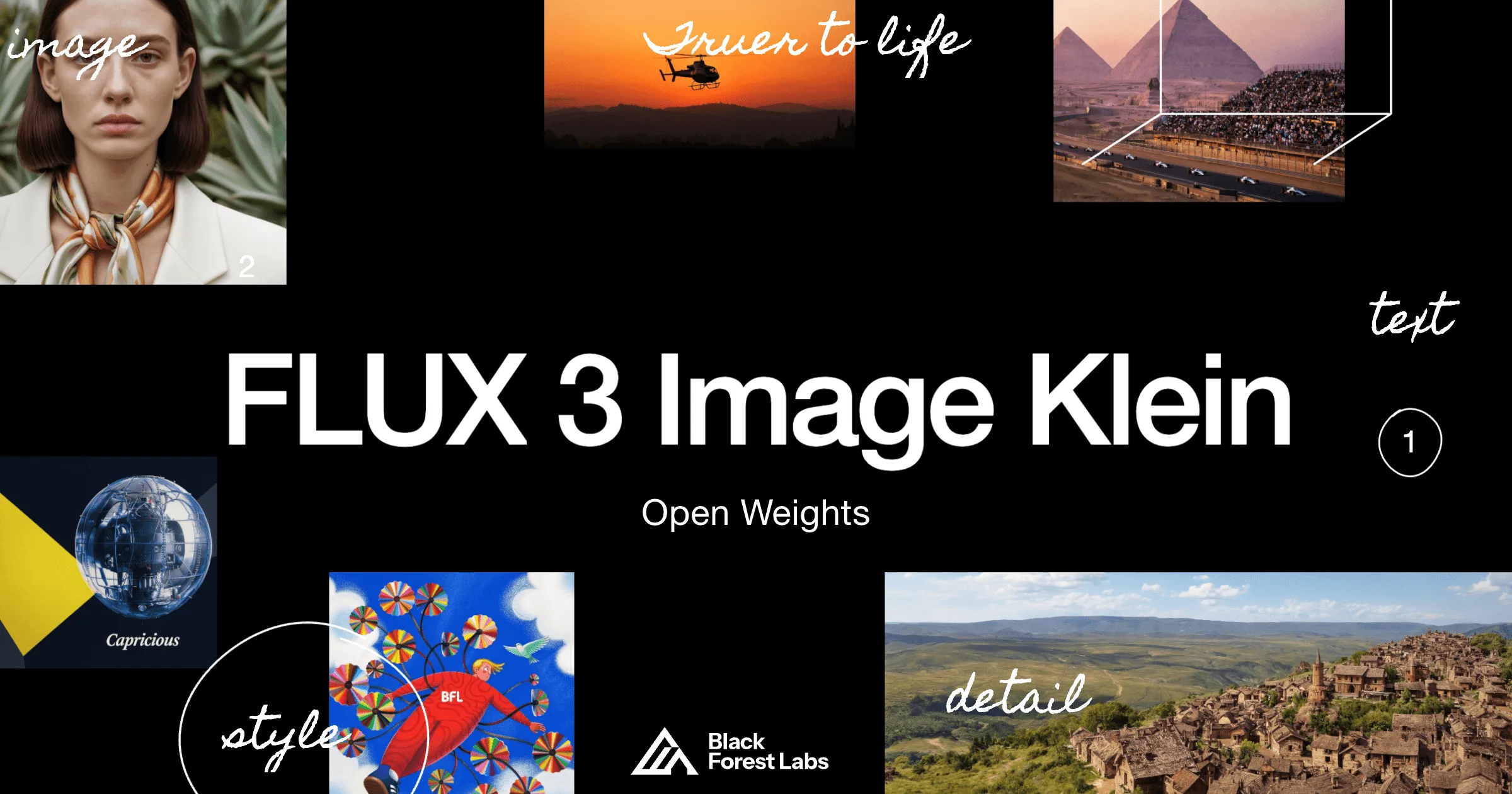
Black Forest Labs published the weights of FLUX 3 Image Klein on October 15, 2026. The 5.6-billion-parameter model generates and edits images, and its INT8 build runs on GeForce RTX cards with as little as 8 GB of video memory. Use is free for individuals and for companies with less than $5 million in annual revenue.
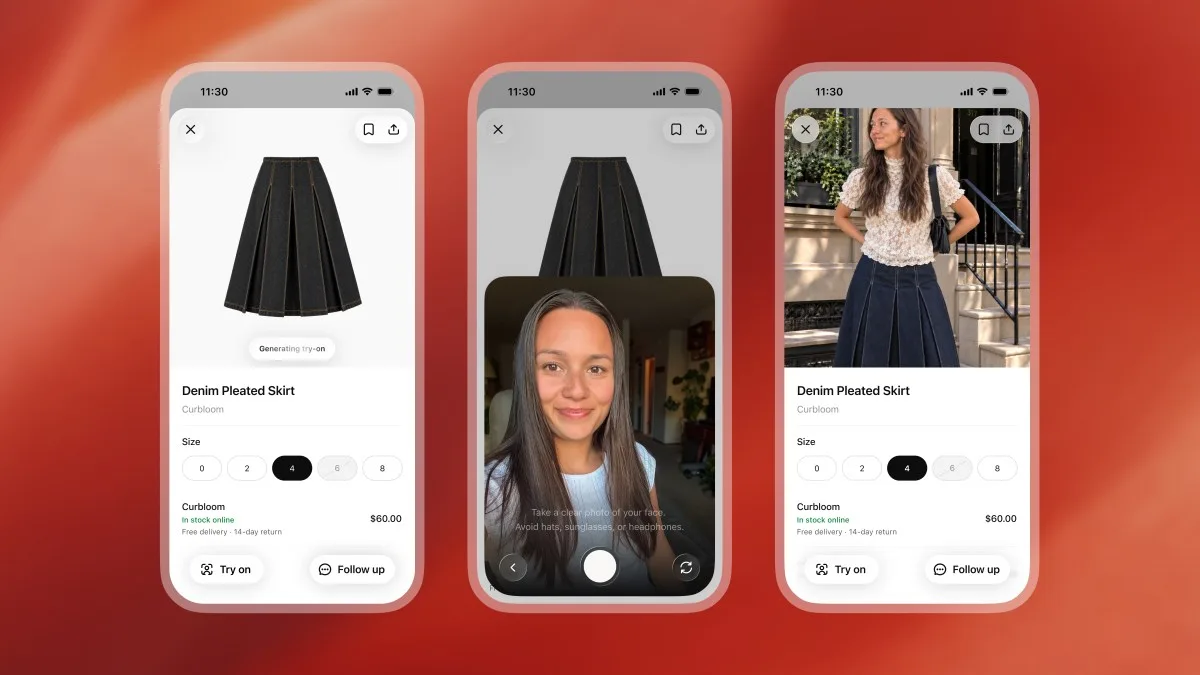
OpenAI added two shopping features to ChatGPT on October 1, 2026. A Try on button on listings for clothes and accessories generates an image of the item on you from a selfie. The selfie is saved as a reference photo for future try-ons until you change or delete it in settings. A second feature, Favorites, saves products to your ChatGPT Library.
Google made Gemini 3.8 Live with Live Avatar generally available in Gemini Enterprise on September 24, 2026, with US and EU endpoints. The model replies through a lip-synced video character while it listens, watches a camera or a shared screen, and calls tools in the background. Avatar video costs $1 per million tokens at 6,192 tokens for each second of speech. By our arithmetic, that comes to about $0.37 per spoken minute before audio, input, and context charges.
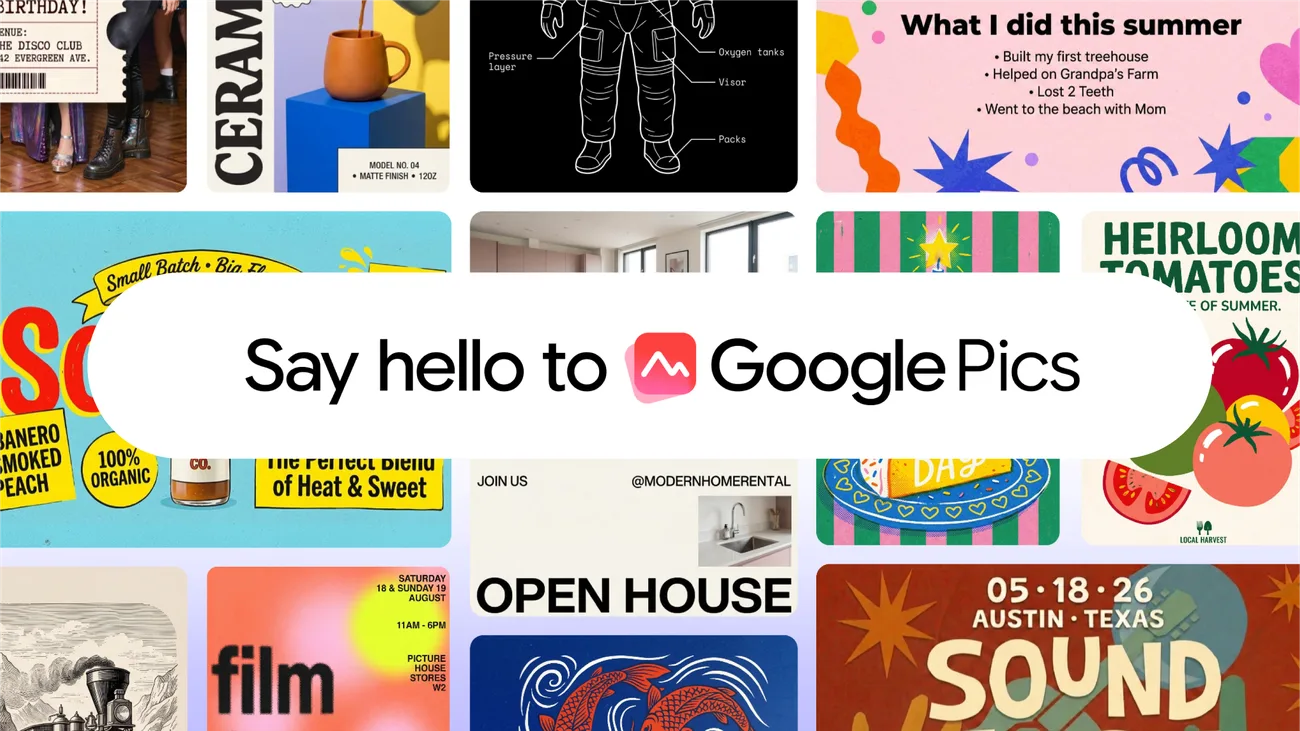
Google Pics is a standalone image creation and editing tool built on the Nano Banana model, and the same controls are being wired into Workspace apps. The integration begins with Docs and Slides on September 1, 2026, and reaches Drive in the coming weeks. Access arrives with a Google AI Pro or Ultra subscription and with most Workspace business plans, rolling out over the coming weeks. Google publishes no quota, no separate price, and no list of supported languages.
Google's video model can now continue an existing clip in ten-second steps up to forty seconds total, reading up to ten seconds of prior footage instead of only the final second. A 360p draft mode runs up to 60 percent faster at a third of the cost, and finished work upscales to 1080p or 4K.
Black Forest Labs released FLUX Upscale on August 20 as a standalone tool and endpoint that regenerates video up to 4K. It runs in two modes: Precise at $0.07 per megapixel-second and Creative at $0.10. The billing detail matters more than either rate, because the charge is calculated on the output alone, so the upscale factor you pick is what sets the bill.
Three ways to buy generated video in August 2026: per second through an API, as monthly credits with every model in one place, or as credits tuned for iteration. The same ten-second 1080p clip costs anywhere from $0.80 to $7.00 depending on which door you walk through.