Skip to content

Microsoft

Copilot

32 items
Brands
Agentsmedium signal

GitHub Copilot ships a local sandbox for agent commands and lets its CLI pick models from Ollama

On October 7, 2026, GitHub made local sandboxing for Copilot generally available in the Copilot CLI, the GitHub Copilot app, and VS Code sessions that use Agent Host, at no extra cost. The sandbox limits what a command Copilot runs can read, write, and reach on the network, and it is off until you or your organization turn it on. The same day the CLI gained a picker for models served by a local Ollama instance, and Claude Haiku 5.5 joined the model list for paid plans.

GitHub Changelogverified

The words Claude Haiku 5.5 in black serif type on an off-white background, between three torn paper fragments in yellow, beige, and blue, with a thin black arc running beneath the name.
Modelsstrong signal

Claude Haiku 5.5 cuts Anthropic's small-model price by 90% for prompts under 100,000 tokens

Anthropic released Claude Haiku 5.5 on October 7, 2026. For prompts up to 100,000 tokens it costs $0.10 per million input tokens and $0.50 per million output tokens, a tenth of what Haiku 4.5 charges; above that line the prices are $0.50 and $2.50. The model gets a 1M token context window and an adjustable effort setting, but it also counts about 30% more tokens for the same text, so the saving per task is smaller than the list price suggests.

Anthropicverified

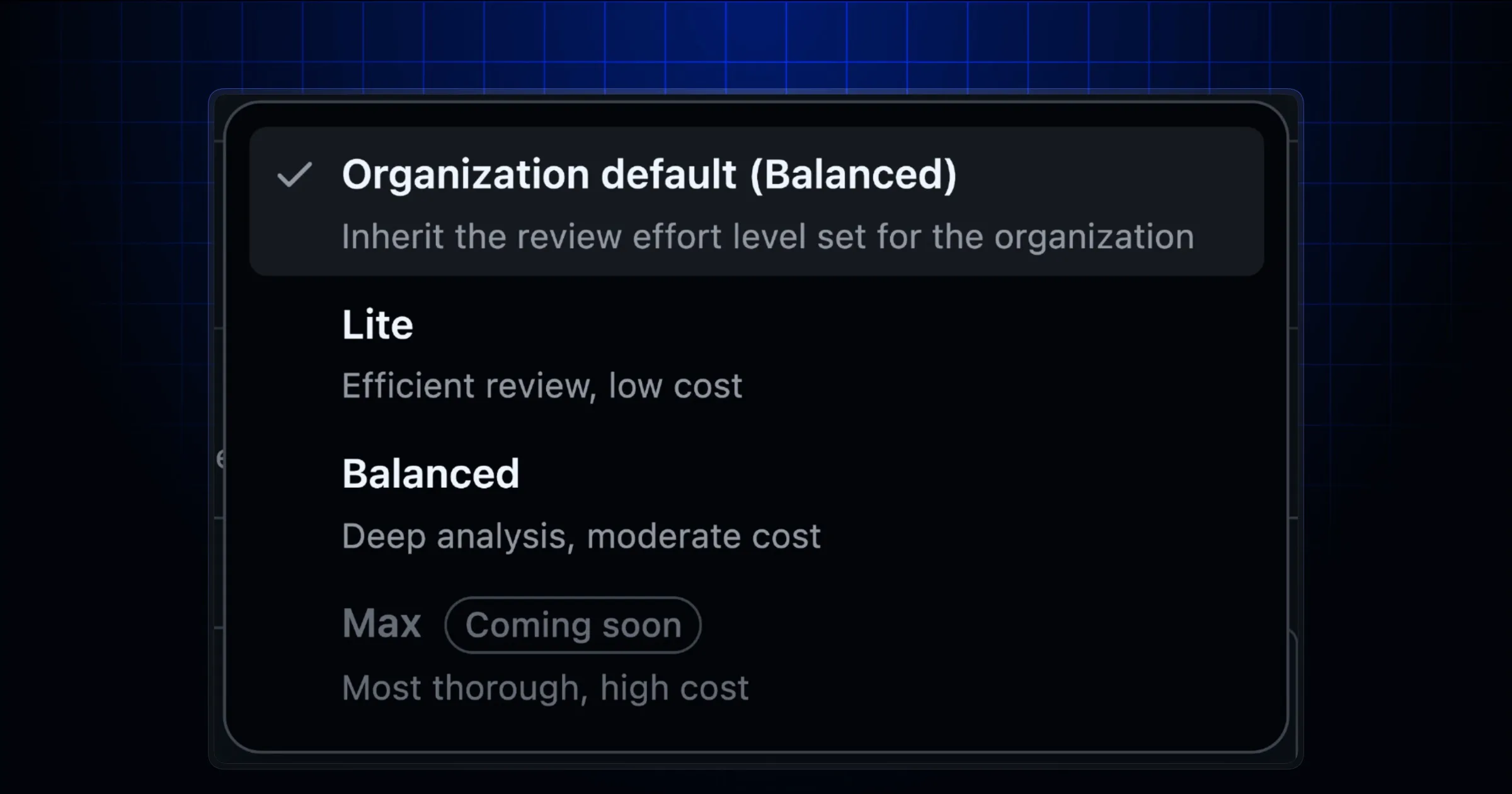
GitHub's screenshot of the review effort level menu: Organization default (Balanced) is selected, followed by Lite, Balanced, and Max marked Coming soon.
Agentsmedium signal

GitHub Copilot retires four models and makes Balanced its default code review effort

GitHub deprecated four models across all Copilot experiences on October 2, 2026: Gemini 3.5 Flash, Gemini 3.6 Flash, Kimi K2.7 Code, and Claude Opus 4.7. On the same day it made Copilot code review available through the REST and GraphQL APIs. Balanced is now the default review effort level, a change that took effect on September 28, 2026. According to GitHub's documentation, a Balanced review consumes more AI credits than a Lite one.

GitHub Changelogverified

Agentsstrong signal

GitHub Copilot can now control desktop apps and run workflows defined in code

GitHub put two Copilot features into public preview on October 1, 2026. Computer use lets Copilot CLI and the GitHub Copilot app operate desktop applications on macOS and Windows, and it stays off until you turn it on. Dynamic workflows run a multi-agent process that is defined in code, and they are available on all Copilot plans. GitHub's documentation warns that computer use can pick the wrong control and that on-screen content can trigger unintended actions.

GitHub Changelogverified
Agentsmedium signal

GitHub Copilot's HydraFusion, which can run two models on one request, reaches VS Code and the Copilot app

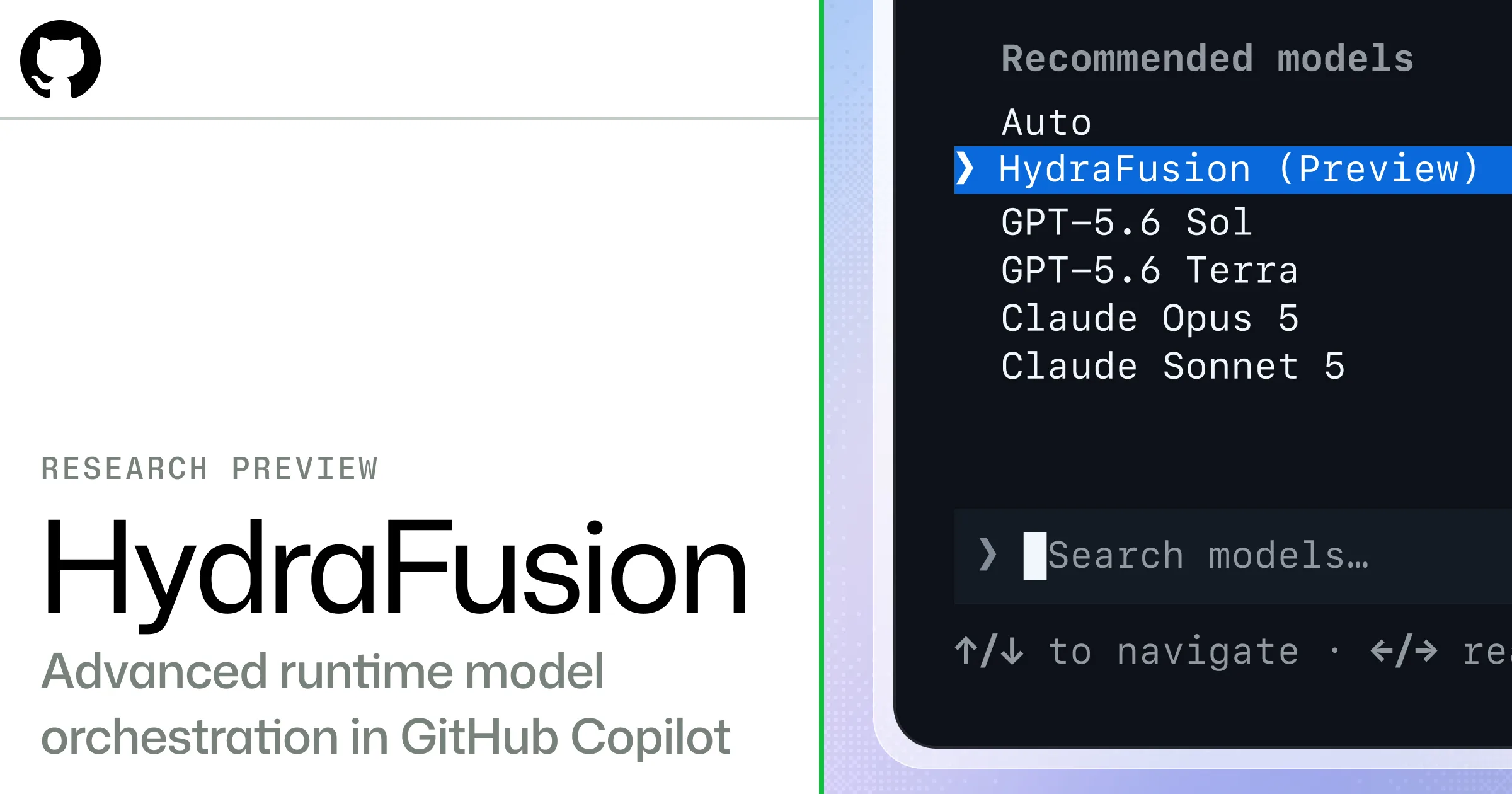
HydraFusion sits in the model picker but is not a model. It chooses one of three workflows per request and can hand a task to two models in a row, one drafting and one checking. GitHub moved the research preview from Copilot CLI to Visual Studio Code and the Copilot app on September 30, 2026, for Pro, Pro+, Business, and Enterprise plans. Billing follows the tokens each model consumes, so a request can cost more or less than a single-model one.

GitHub Changelogverified

Modelsstrong signal

OpenAI ships GPT-6.1 Sol at GPT-6 Sol prices and adds a $500 Pro plan with Ultrafast

GPT-6.1 Sol costs $2 per million input tokens and $10 per million output tokens, the same as GPT-6 Sol, and its cached input drops to $0.10. OpenAI says the model comes close to GPT-6 Astra on coding and computer use at a fifth of Astra's price. The larger GPT-6.1 Astra did not ship. A new Pro 500 plan at $500 a month is the only Pro tier that includes Ultrafast, and Pro 200 returns with a smaller allowance.

OpenAIverified

Toolsmedium signal

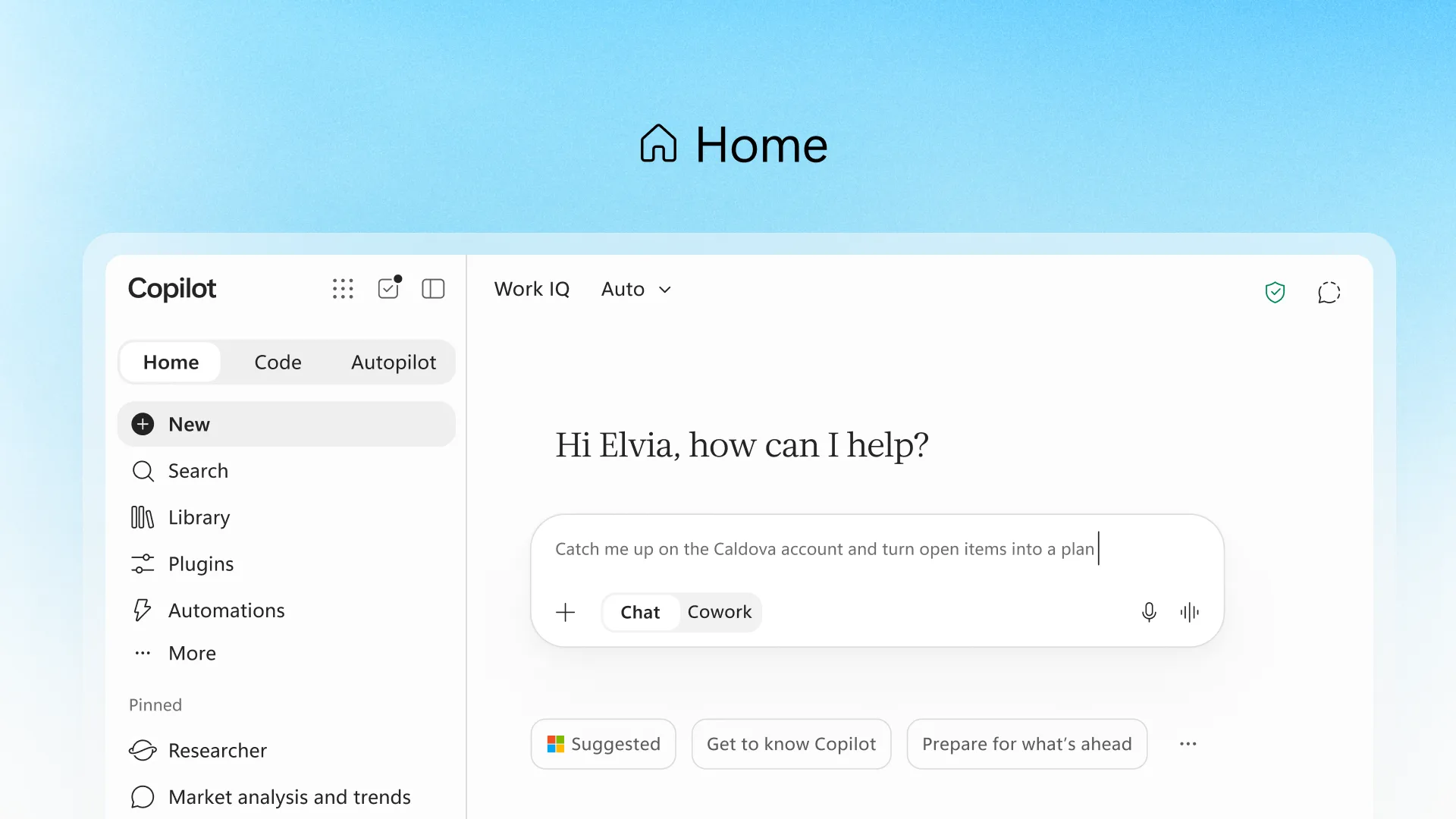
Microsoft's new Copilot app puts Cowork, Code, and Autopilot on usage-based billing

Microsoft introduced a redesigned Copilot app on September 25, 2026, with three tabs: Home, Code, and Autopilot. The per-user license still covers everyday chat and Office work. Cowork, Code, Autopilot, and frontier models such as Fable and Astra are billed by usage in Copilot Credits.

Microsoftverified

Agentsmedium signal

The GitHub Copilot app can now sandbox local sessions, but the setting is off by default

Since September 23, 2026, the GitHub Copilot app can limit what a local agent session reaches on your machine: folders, network access, and Git and GitHub CLI credentials. The feature is in public preview and has to be switched on for each project. A day earlier the app gained OpenTelemetry export for administrators, and Copilot code review settings reached every plan.

GitHub Changelogverified

Modelsstrong signal

Anthropic ships Claude Opus 5.5 and cuts token prices by a fifth

Opus 5.5 charges $4 per million input tokens and $20 per million output tokens, 20% below Opus 5. Cache reads, which dominate the bill for agentic and coding work, fall 60% to $0.20 per million. Anthropic says the model works at the level of Claude Fable 5.1 on most tasks while costing 40% less to run than Opus 5. It also arrives with safeguards that reroute most cybersecurity work to Opus 4.8.

Anthropicverified

Agentsmedium signal

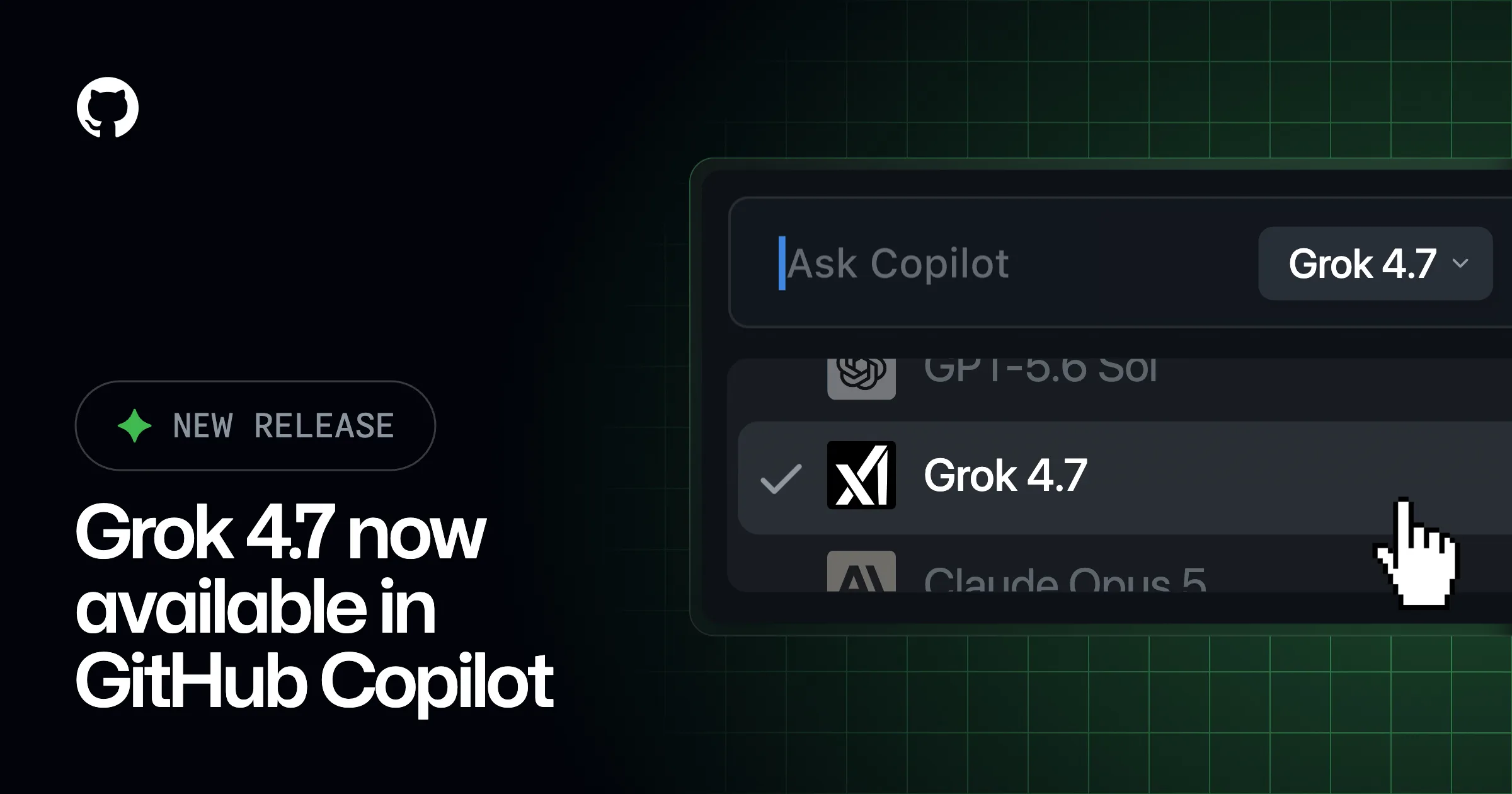
GitHub puts Grok 4.7 in Copilot at the same rate it charges for 4.6

GitHub started rolling out Grok 4.7 in Copilot on September 21, 2026. The model is billed at provider list pricing under usage-based billing, and the documentation puts it at $2.00 per million input tokens and $6.00 per million output tokens below 200K of context, exactly what Grok 4.5 and 4.6 cost in the same table. It reaches Copilot Pro, Pro+, Max, Business and Enterprise, and the model picker in eight places, from Visual Studio Code to Eclipse. For a company on Business or Enterprise, a new model switches itself on unless an administrator has already turned the default off.

GitHubverified

Agentsstrong signal

GitHub is retiring six Copilot models and has rebuilt the code review overview

Six models stop working across every Copilot surface on October 19, 2026, and each one has a named replacement. On Enterprise and Business the replacement enables itself unless an administrator has turned it off, so the remaining work sits in configuration that names a model in writing. Separately, Copilot code review reached general availability. Its overview comment now separates open findings from resolved ones and from issues it missed on an earlier pass, and every finding carries a title.

GitHub Changelogverified

Agentsmedium signal

GitHub's Copilot metrics now report which skills, MCP servers and slash commands get used

Two changelog entries on September 17, 2026 extend Copilot reporting from how much is used to what is used. The usage metrics API now returns the most-used skills, custom agents, MCP servers, slash commands and plugins, with an interaction count for each. The impact dashboard separately reports how many people used each Copilot feature on at least two days in a 28-day window. Both are for administrators, and both come with counting rules that will mislead anyone who skips them.

GitHubverified

Agentsmedium signal

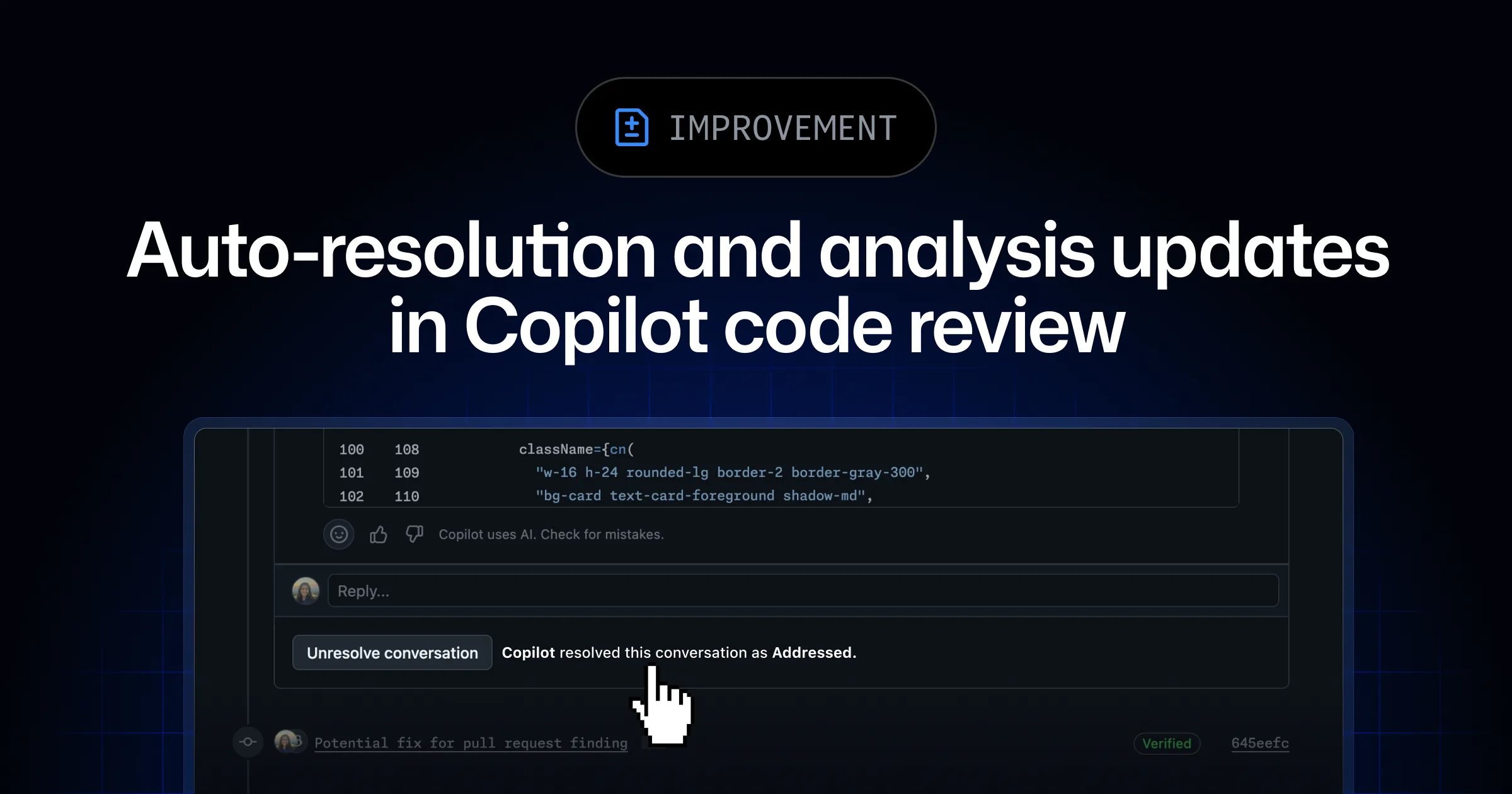
Copilot code review resolves its own comments, and Lite reviews now run an ensemble

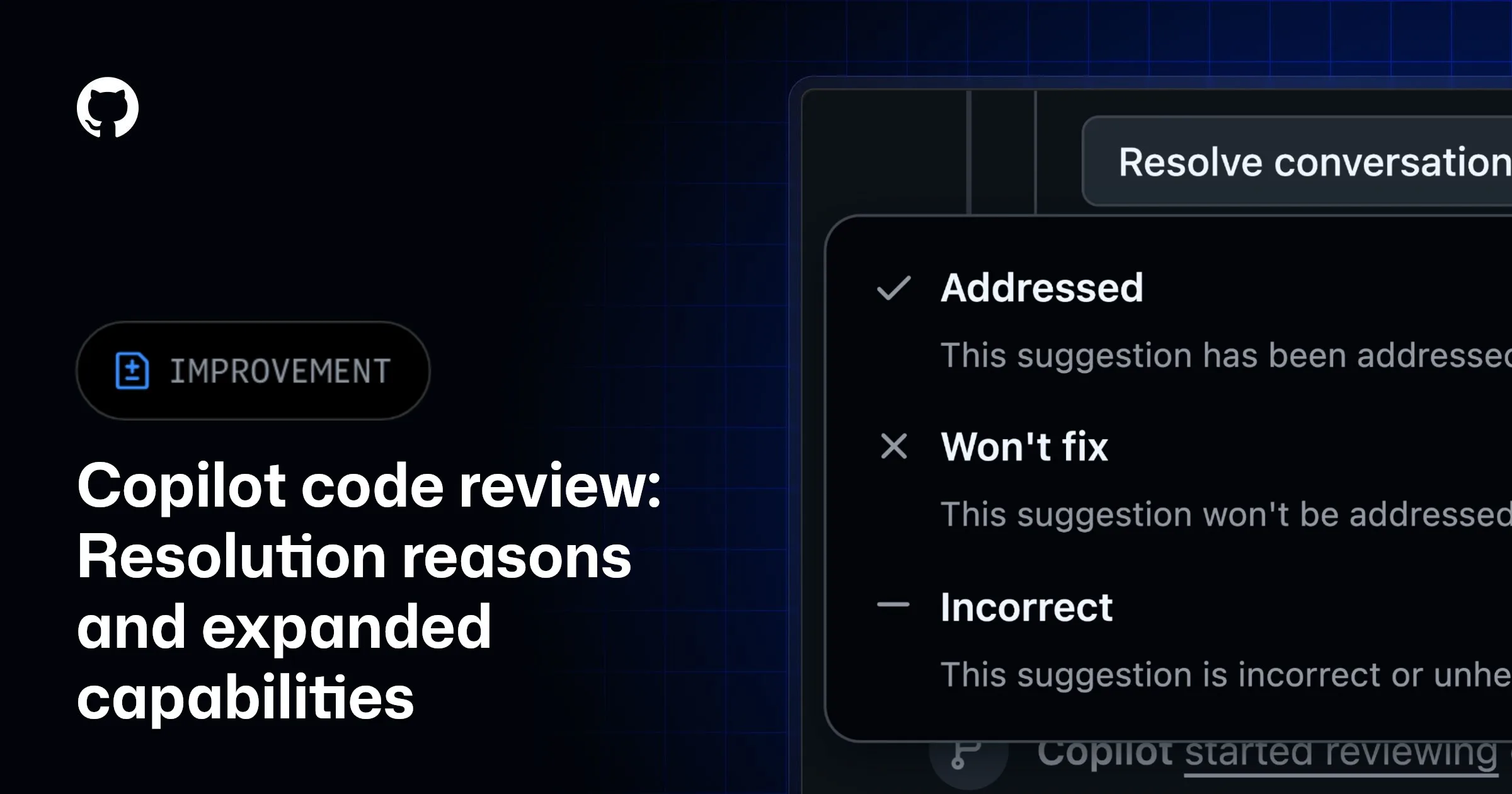
GitHub shipped the change on September 11, 2026. When a later commit addresses a review comment, Copilot now resolves that comment during its rereview, and feedback that still needs work stays open. The review agent also picked up the full set of shell tools from the Copilot SDK, so it can run builds, tests and targeted scripts against the code it is reading. The Lite effort level now runs an ensemble of agents instead of one, which GitHub measured at 47% more addressed high severity comments per review for about 8% less cost.

GitHub Changelog: Copilotverified

Agentsmedium signal

GitHub retired MAI-Code-1-Flash across Copilot the same day it announced the change

GitHub deprecated MAI-Code-1-Flash on September 10, 2026, and the changelog entry carries that same date for both the announcement and the retirement. The model is gone from Copilot Chat, inline edits, ask mode, agent mode, and code completions. GitHub names MAI-Code-1.1-Flash as the suggested alternative and asks teams to update anything that calls the old model by name. On Copilot Enterprise the alternative does not show up until an administrator enables it in the model policies.

GitHub Changelogverified
Industrymedium signal

The Seattle Times and Newsday ask a court to destroy the models trained on their journalism

Two American newspapers filed a copyright complaint against OpenAI and Microsoft in Manhattan federal court on September 4, 2026. The filing runs to 38 pages and seven counts. Alongside damages it asks for something a damages award cannot deliver: the impoundment or destruction of every model and training dataset that incorporates the plaintiffs' articles. Nothing has been decided, so every number in the document is one side's allegation. What makes it worth reading is the evidence the two papers say they already hold.

CourtListenerverified

Industrystrong signal

Microsoft's summary judgment brief puts numbers on how rarely Copilot repeats news text

Microsoft moved for summary judgment on September 4, 2026 in the consolidated copyright case brought by The New York Times, the Daily News and the Center for Investigative Reporting. Part of its fair use argument rests on 8.2 million Copilot chat logs handed over in discovery. The plaintiffs' own expert found a 16-word match in 59,545 of those conversations, which Microsoft's expert reports as 0.73% of the sample. The brief also restates something a site owner can act on today: two meta tags that keep a page out of Copilot's web grounding.

CourtListenerverified

Agentsstrong signal

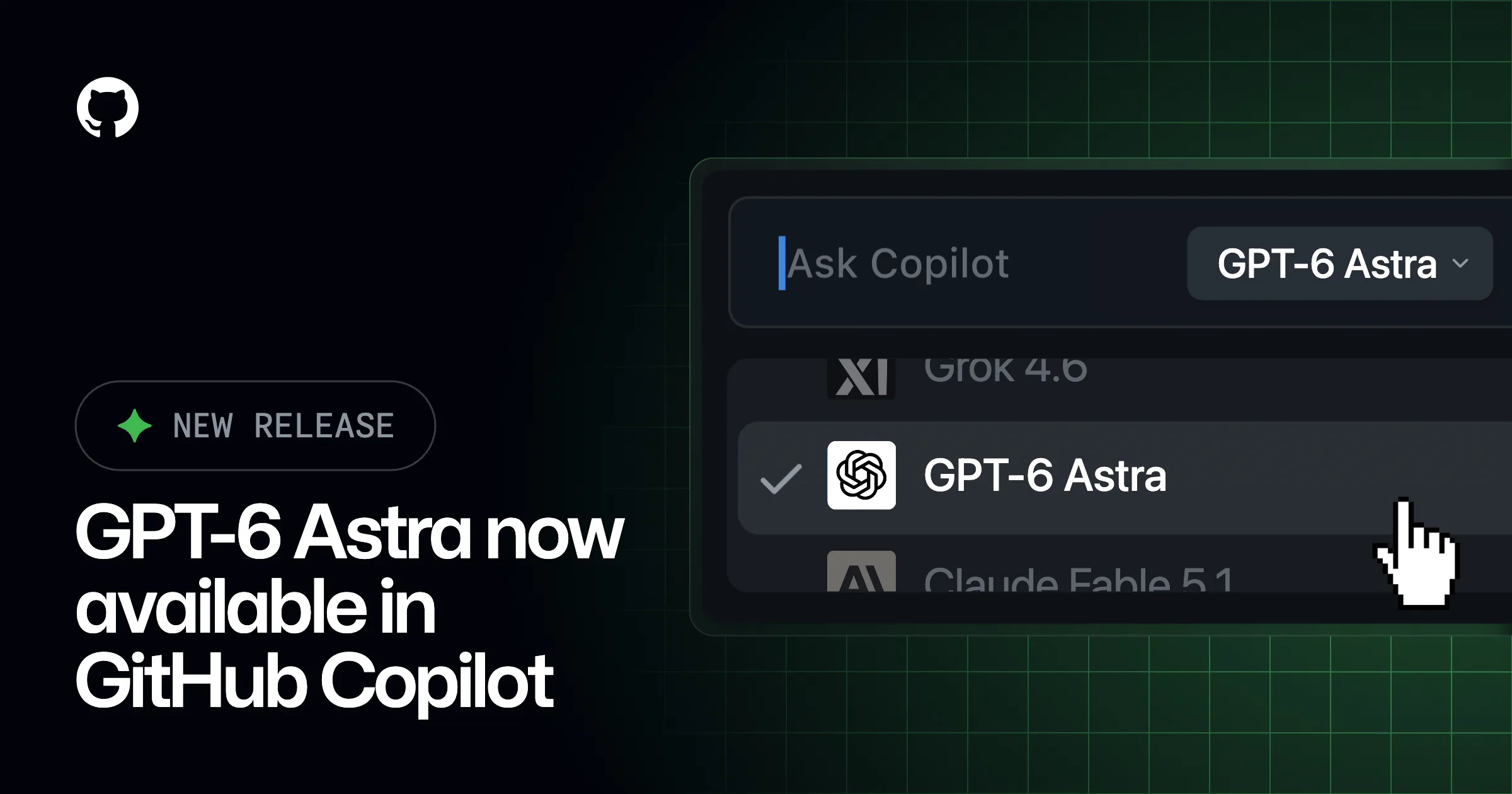
GitHub Copilot switches GPT-6 Astra on by itself and leaves Claude Fable 5.1 off

GPT-6 Astra became generally available in GitHub Copilot on September 4, 2026, for the Pro+, Max, Business, and Enterprise plans. Claude Fable 5.1 reached the same four plans three days earlier. The two arrived with opposite administrator defaults: Astra is enabled automatically under default model enablement, while the Fable 5.1 policy is off until someone turns it on. Fable 5.1 is also the one that retains prompts and outputs, and the zero-retention exemption runs only to the end of the calendar year.

GitHubverified

Agentsmedium signal

GitHub retires four Copilot models on October 2 and starts charging for seats up front on October 1

Three GitHub changelog entries landed on September 3, 2026, and together they change which models you can pick, what a new seat costs before anyone types anything, and whether you can sign up at all. Gemini 3.5 Flash, Gemini 3.6 Flash, Kimi K2.7 Code, and Claude Opus 4.7 go away on October 2, 2026, across every Copilot surface. Gemini 3.8 Flash arrives in its place on Pro, Pro+, Max, Business, and Enterprise. Signups for Business and Enterprise reopen for card and PayPal customers, but every assigned seat is now billed before the person using it gets access.

GitHubverified

Agentsmedium signal

Copilot's app and CLI now obey content exclusions, and an admin can set the default model

GitHub shipped two Copilot changes on September 2, 2026. The Copilot app and Copilot CLI now respect the content exclusion rules that enterprise, organization and repository administrators configure, on Copilot Business and Copilot Enterprise. Enterprise-managed settings now accept the name of a specific model as the default for new conversations. The documentation also spells out the limits: an excluded file can still reach the model through type information the editor supplies, and the rule covers neither symbolic links nor repositories on remote filesystems.

GitHubverified

Agentsmedium signal

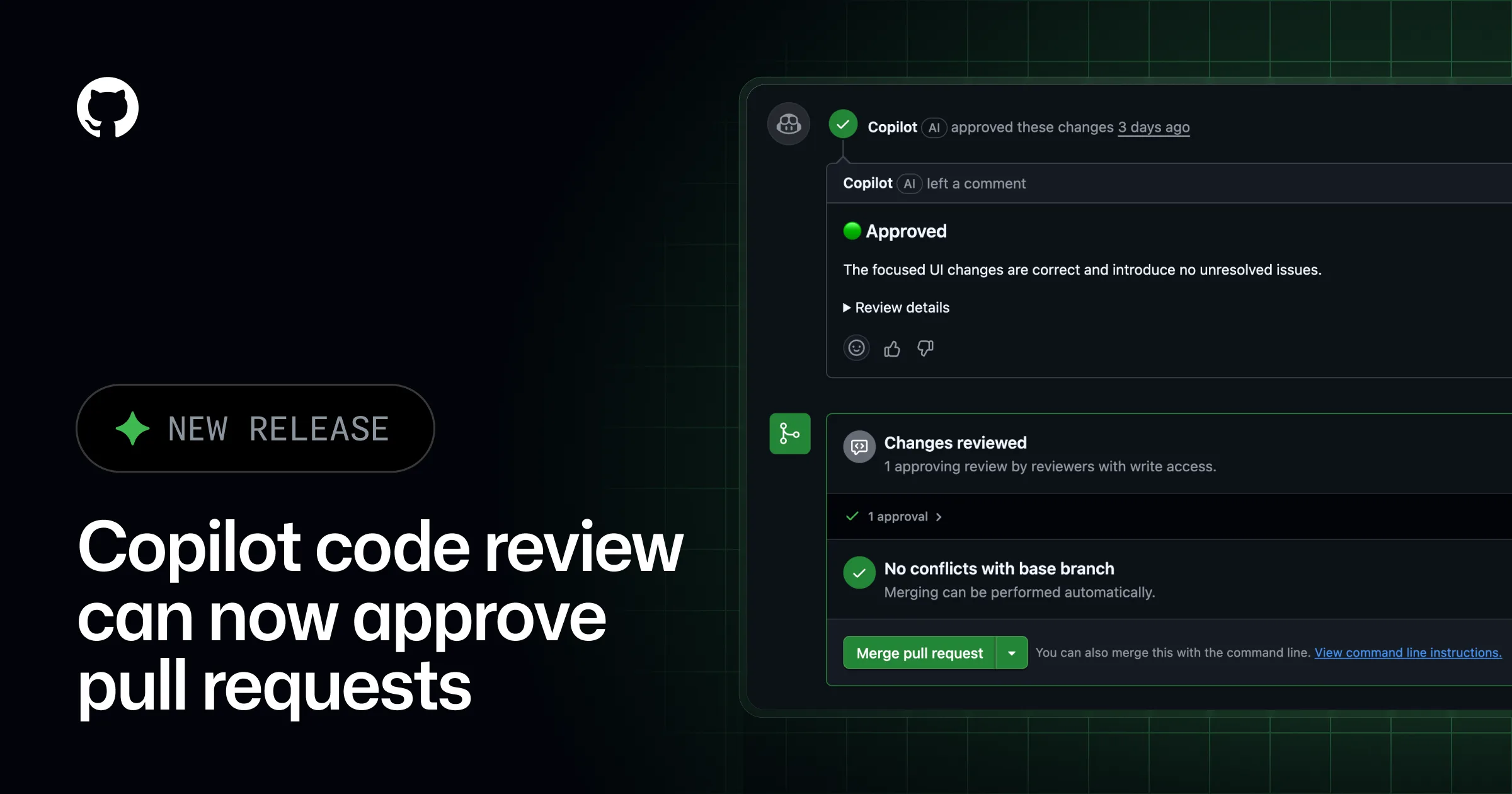
Copilot can now approve a pull request, if an administrator lets it

GitHub added an approval assessment to every Copilot code review, and a separate setting that lets Copilot submit a real approval. That approval counts toward a repository's required-approvals rule, which means a machine can satisfy a gate that used to need a person. It is off by default and configurable at three levels, down to which file paths Copilot may sign off on. A second changelog entry the same day gives individual user budgets an expiry date.

GitHubverified

Modelsstrong signal

Anthropic ships Claude Fable 5.1 and cuts the price of cache reads

Claude Fable 5.1 and Claude Mythos 5.1 are one model at two levels of safeguards, and only the first is generally available. The change that shows up on a bill is the cache read, which drops to $0.25 per million tokens. Anthropic estimates that as roughly 25% off a typical workload and up to about 45% off a heavily agentic one. The model is also allowed to look for software vulnerabilities now, while exploit work stays behind the older restrictions.

Anthropicverified

Agentsmedium signal

Copilot in VS Code now reports token usage per model and installs portable agent plugins

GitHub published its monthly roundup for Copilot in Visual Studio Code on August 31, 2026, covering releases 1.132 through 1.135. Most of the change is in the Agents window: chats line up side by side, one session opens from more than one window, and plugins written to the Agent Plugins 1.0 standard install outside VS Code as well. The response footer also starts reporting how many tokens each model spent in a turn.

GitHubverified

Agentsmedium signal

Copilot's CLI moved to a Rust runtime and kept its TypeScript terminal

GitHub's weekly Copilot roundup for August 28 carries one change that is structural rather than cosmetic: the command-line agent now runs on a native Rust runtime, while the terminal interface it draws stays in TypeScript. Around it sit smaller changes that all point the same way, toward deciding once how the agent behaves instead of deciding again every session. GitHub reports the speedup but publishes no figure for it.

GitHubverified

Agentsmedium signal

Copilot in Visual Studio gets org-wide agents and a thinking-effort dial

GitHub's August update for Copilot in Visual Studio 2026 lets organization and enterprise owners publish custom agents that every repository in the organization can use. Supported models now expose Low, Medium and High thinking effort, so reasoning depth becomes a choice rather than a default. The Git agent will review uncommitted changes before you open a pull request, on GitHub and Azure DevOps alike. All of it lands on every Copilot plan, including the free one.

GitHubverified

Agentsmedium signal

GitHub sets three Copilot dates: seats paid upfront, one chat policy, longer retention

One changelog entry on August 28 carries three separate changes. From September 1, new Copilot Business and Enterprise seats bought by card or PayPal must be paid for before anyone can use them, and existing card customers move to upfront charges on October 1. No earlier than September 28, chat on github.com, chat in GitHub Mobile and the cloud agent become one experience under one policy that is on by default, and chat data then stays for the life of the account instead of 28 days. On the same date, the default effort level for Copilot code review moves from Lite to Balanced.

GitHubverified

Agentsmedium signal

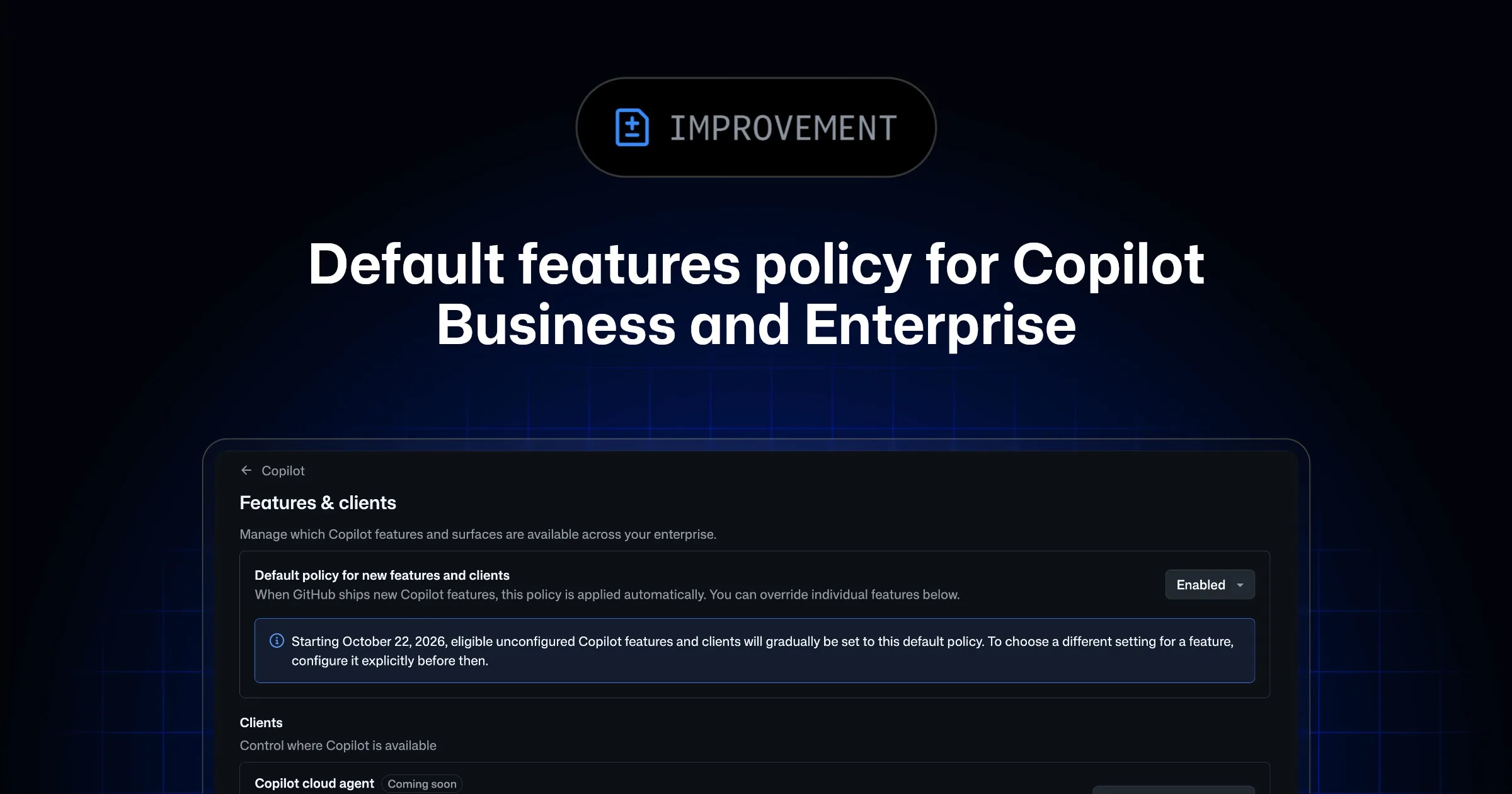
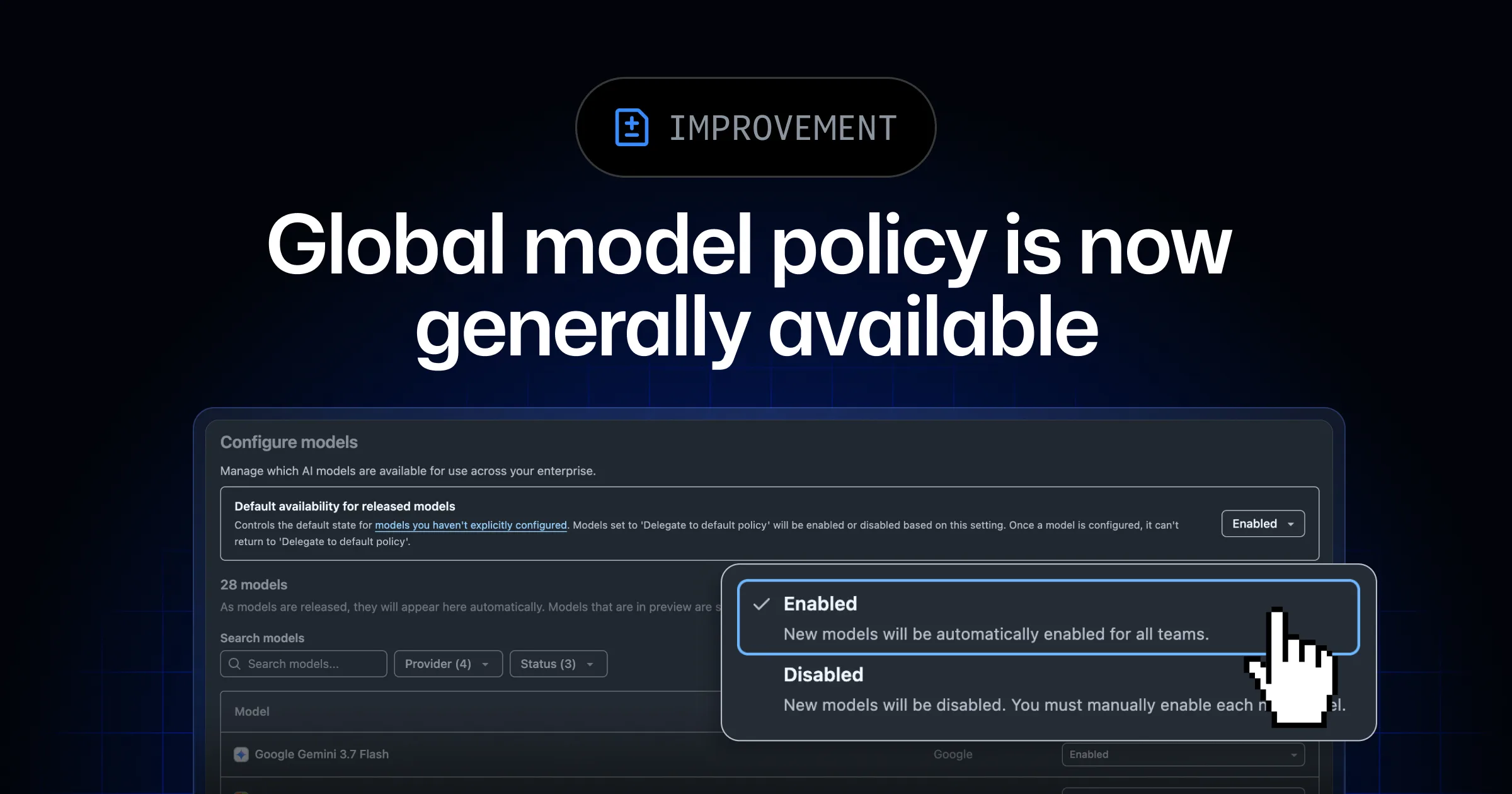
Copilot's global model policy starts enforcing on September 1, and the default is on

GitHub is rolling out enforcement of the default model policy for Copilot Business and Copilot Enterprise through September 1. Models an administrator never configured stop being unconfigured and start following the policy, and the policy ships enabled. Two categories are held back regardless of what you set: open-weight models, and models GitHub's data retention agreement does not cover. Anthropic's Fable 5 is in the second group.

GitHubverified

Agentsmedium signal

GitHub Copilot moved into Slack and Microsoft Teams on the same day

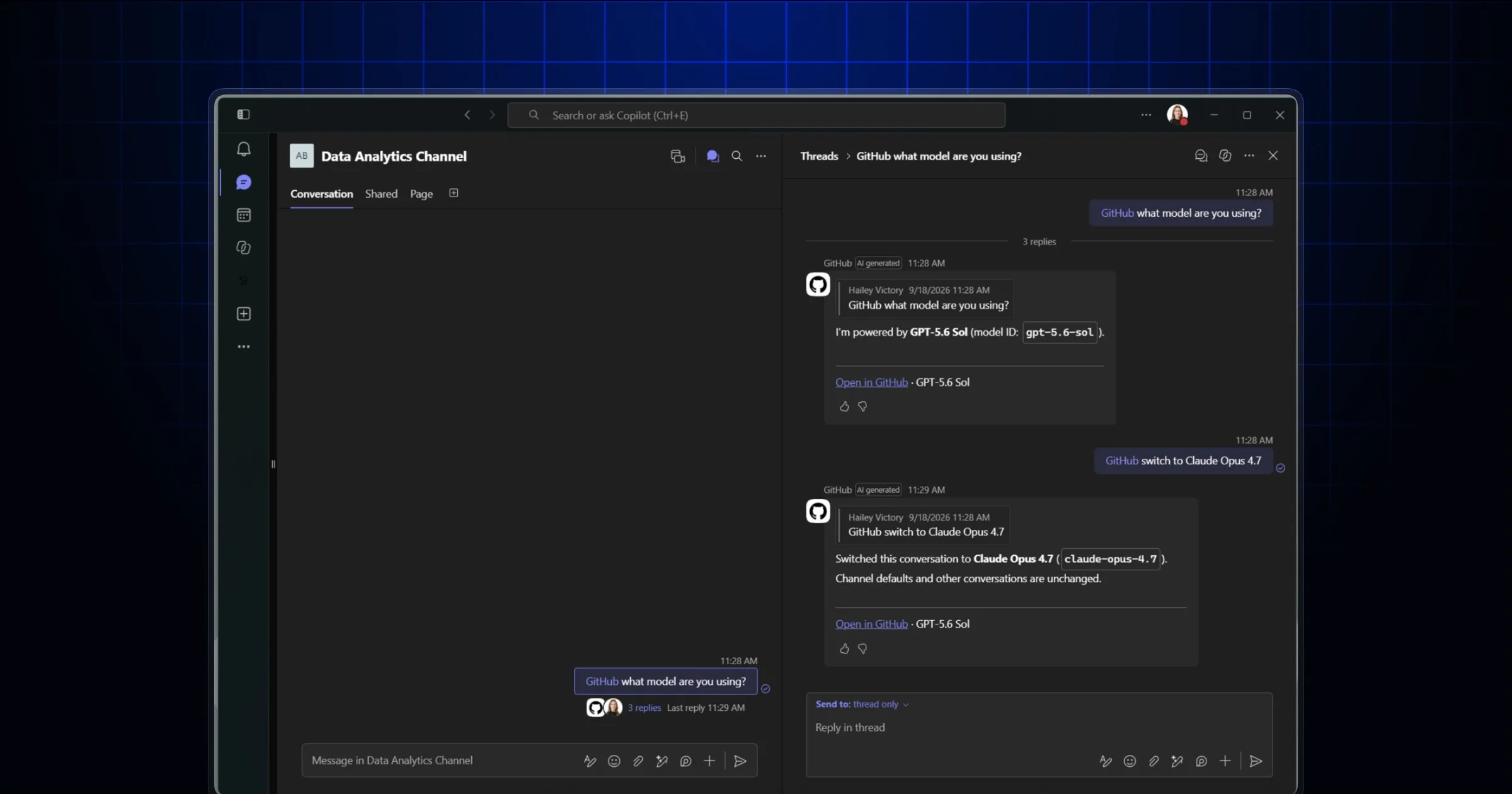
Both shipped on August 21 in public preview. Mention @GitHub in a channel and the agent triages issues, investigates failures, writes changes in a cloud sandbox and opens a pull request, with the conversation attached. The interesting part is not the capability list, which is familiar, but the room it moved into: the place where work gets discussed rather than written.

GitHubverified

Agentsstrong signal

Encrypting the instruction walks it straight past the guardrail

Researchers at Adversa hid a prompt injection as ciphertext with the key next to it. Grok decrypted it in its own sandbox and sent the user's name, location, and chat history to an attacker's server, without a warning and without asking.

Ars Technicaverified