Skip to content

funding, lawsuits, policy, labs

Industry

8 items
EU AI ACT50the article in force since August 2, 2026
Industrystrong signal

How to label AI content under Article 50, and which part of it is not your job

Article 50 of the EU AI Act has applied since August 2, 2026, and it binds anyone serving people in the Union, wherever the server is. Most of the panic is about the machine-readable marking requirement, which for a site owner who calls somebody else's API is somebody else's obligation. Here is what is actually yours: a chatbot that says what it is, published text that either carries a name or carries a label, and a deepfake that admits it.

Evropska komisijaverified

PEW RESEARCH35%of pages written since ChatGPT
Industrystrong signal

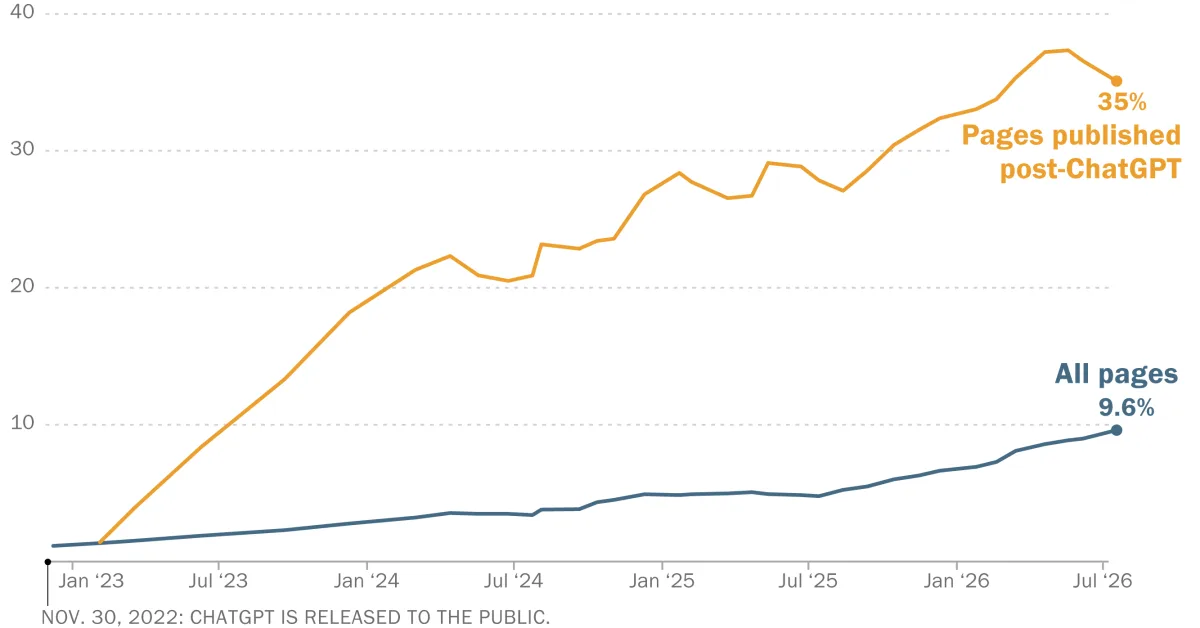
Pew puts a number on it: 35% of pages published after ChatGPT show AI authorship

Pew Research ran nearly half a million pages from Common Crawl through a detector. Among pages published after November 2022, more than a third came back with significant signs of AI writing, and .com domains showed it at ten times the rate of .edu and .gov.

TechCrunchverified

The Gemma wordmark over a starfield, with the line "1 billion downloads" below it.
Industrymedium signal

Gemma passes a billion downloads and 100,000 derived models

On August 20, Google announced that the Gemma family of open models has passed a billion downloads. In two years the community has published more than 100,000 derived models, and the most recent Kaggle competition drew more than 1,600 entries. An Awesome Gemma repository launched with the announcement, meant as an index of vetted projects, fine-tuned models, tutorials, and tools. The figure matters to someone building sites too, because a model you run on your own server stops being exotic, which makes text processing without sending data to a third party workable.

Googleverified

Industrymedium signal

Google gives sites a button readers use to name them a preferred source

On August 20, Google published a button a publisher places on its own page, which a reader clicks once to add that site to their preferred sources in Search. The consequence is that the site's pages appear more prominently in Top Stories, in AI Overviews, and in AI Mode. Google says users have chosen more than 600,000 different sources so far. Two reader-side changes arrived with it: tuning topics in the Discover feed through a three-dot menu, and a customizable audio briefing in Google News for Android.

Googleverified

Industrymedium signal

OpenAI introduces Private Safety Processing

On August 19, OpenAI released a preview of a system that recognizes abuse patterns across several linked sessions without retaining user content. The idea is that only a narrowly defined safety signal is passed on, without exposing the prompts and responses themselves, which keeps the zero data retention guarantee for paid API customers in force. The target is attackers who split a request across several conversations to avoid detection. The approach is the opposite of Anthropic's policy, which keeps data for 30 days with controlled human review; if you are choosing a vendor for a project with sensitive client data, that difference is worth understanding before you sign. Wider rollout and a technical paper were announced for September.

TechCrunch / OpenAIverified

Industrymedium signal

Who is responsible when an agent gets it wrong

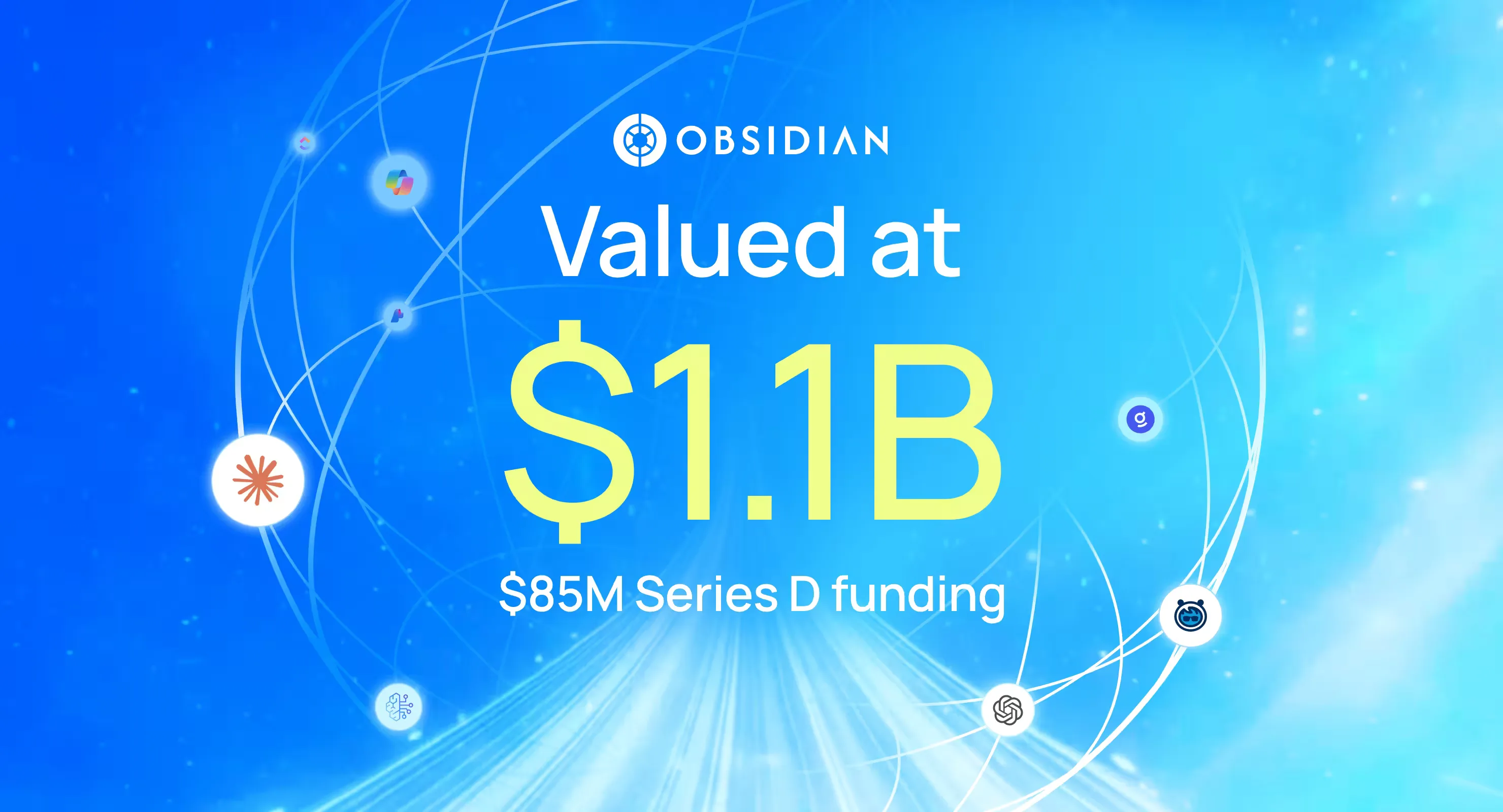
Agents have left the pilot stage and do real work in business software, health care, logistics, and finance. What remains is a question most organizations cannot answer: when an agent deletes a record or sends the wrong message, who is responsible? It is telling that Obsidian Security raised $85 million in August at a $1.1 billion valuation, and that more than 70% of its customers already let agents into third-party apps.

agregatori vijestiunverified

Industrymedium signal

Anthropic explains how the watermark in Claude's text works

Anthropic published an official explanation of the mechanism that writes a watermark into text Claude generates. With the new European labeling rules, the subject stops being a technical curiosity and enters compliance territory, because it offers a way to establish the origin of content even when whoever publishes it does not say so.

Anthropicverified

Industrymedium signal

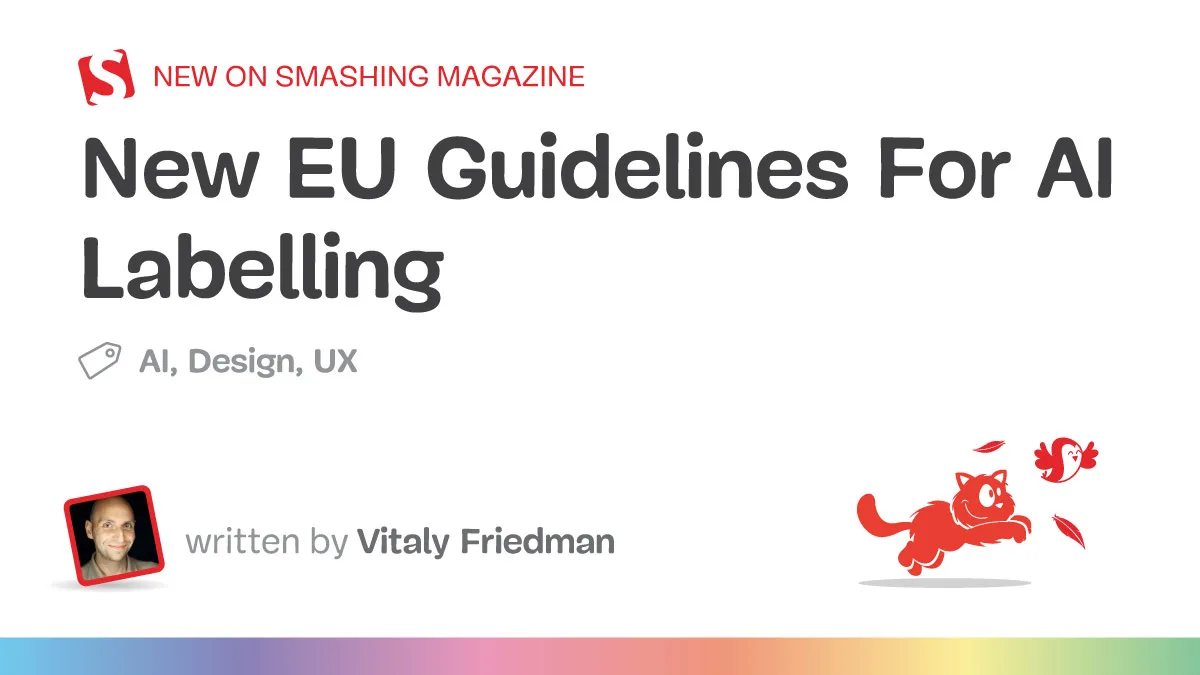
New European Union guidance on labeling AI content

Vitaly Friedman unpacks rules that have caused a lot of confusion: the obligations are narrower and more sensible than reported, but since August 2, 2026, labeling AI content is a legal requirement for anyone serving European Union citizens. The piece separates the cases where a label is mandatory from those where it is not, explains why a sparkle icon in the interface is not enough, and sets out what the rules concretely require of a product with AI features. It bears directly on any client site with generated content or an assistant to talk to.

Smashing Magazineverified