Skip to content

MCP, Claude Code, Cursor, automation

Agents

15 items
Agentsmedium signal

A proxy that stripped one header was doubling Claude Code's API bill

Version 2.1.239 fixes streaming on Bedrock behind proxies that remove the response Content-Type header. Claude Code silently fell back to re-running every turn without streaming, and each turn was billed twice. The same release makes cost estimates show the 1.1× premium that data-residency workspaces pay.

Anthropicverified

CHATGPT FOR MACiMessagereads and sends, only after you approve
Agentsmedium signal

ChatGPT now reads and sends your Apple Messages, on the Mac only

A plug-in in the ChatGPT desktop app reads and searches your iMessage, SMS and RCS threads and sends messages through Messages on your behalf. By default nothing goes out until you approve both the text and the recipients. There is a switch that removes that step, and OpenAI's own documentation argues against using it.

OpenAIverified

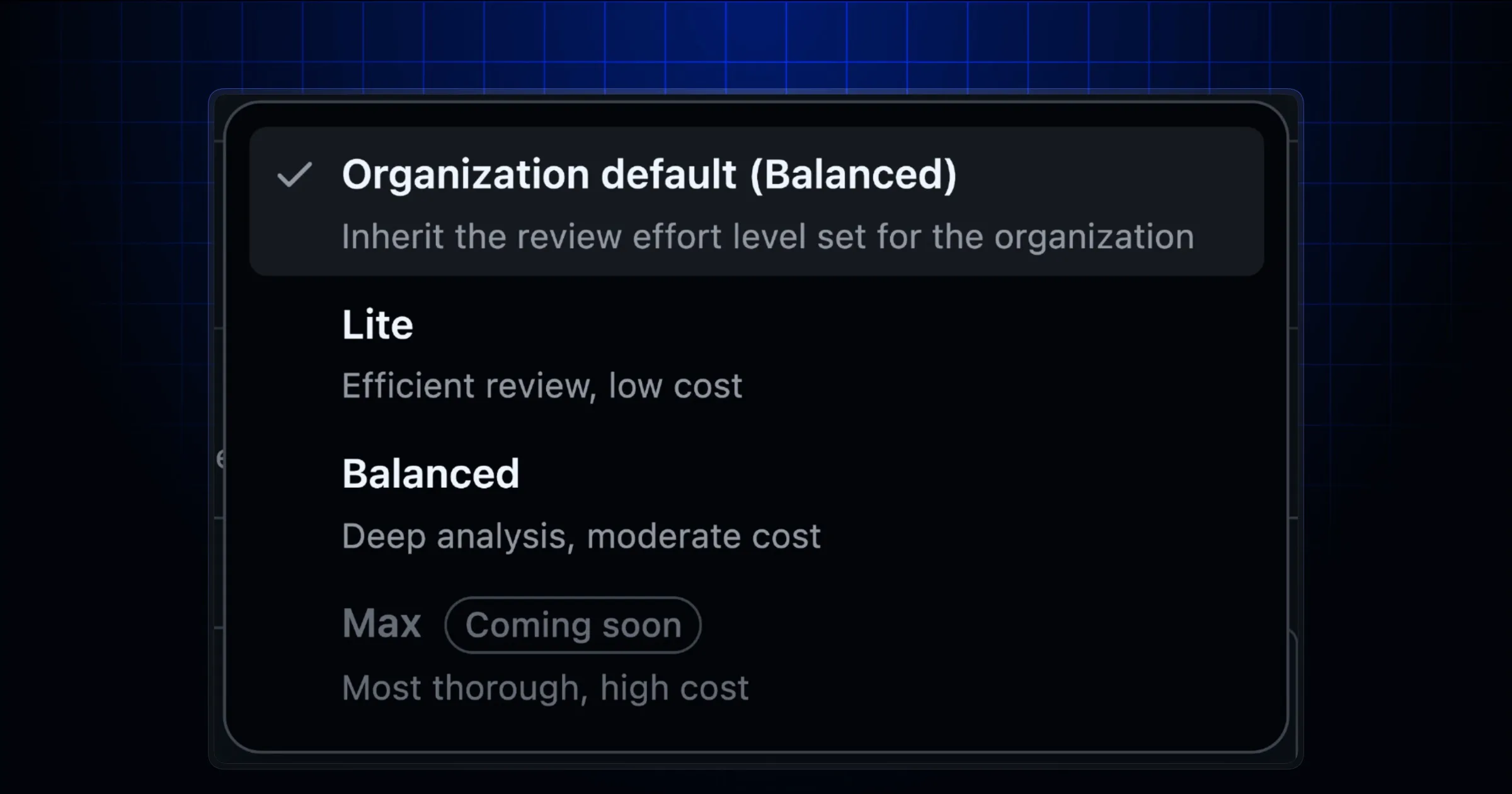
Screenshot of the GitHub Copilot panel inside Slack, under the heading "The new GitHub Copilot experience in Slack".
Agentsmedium signal

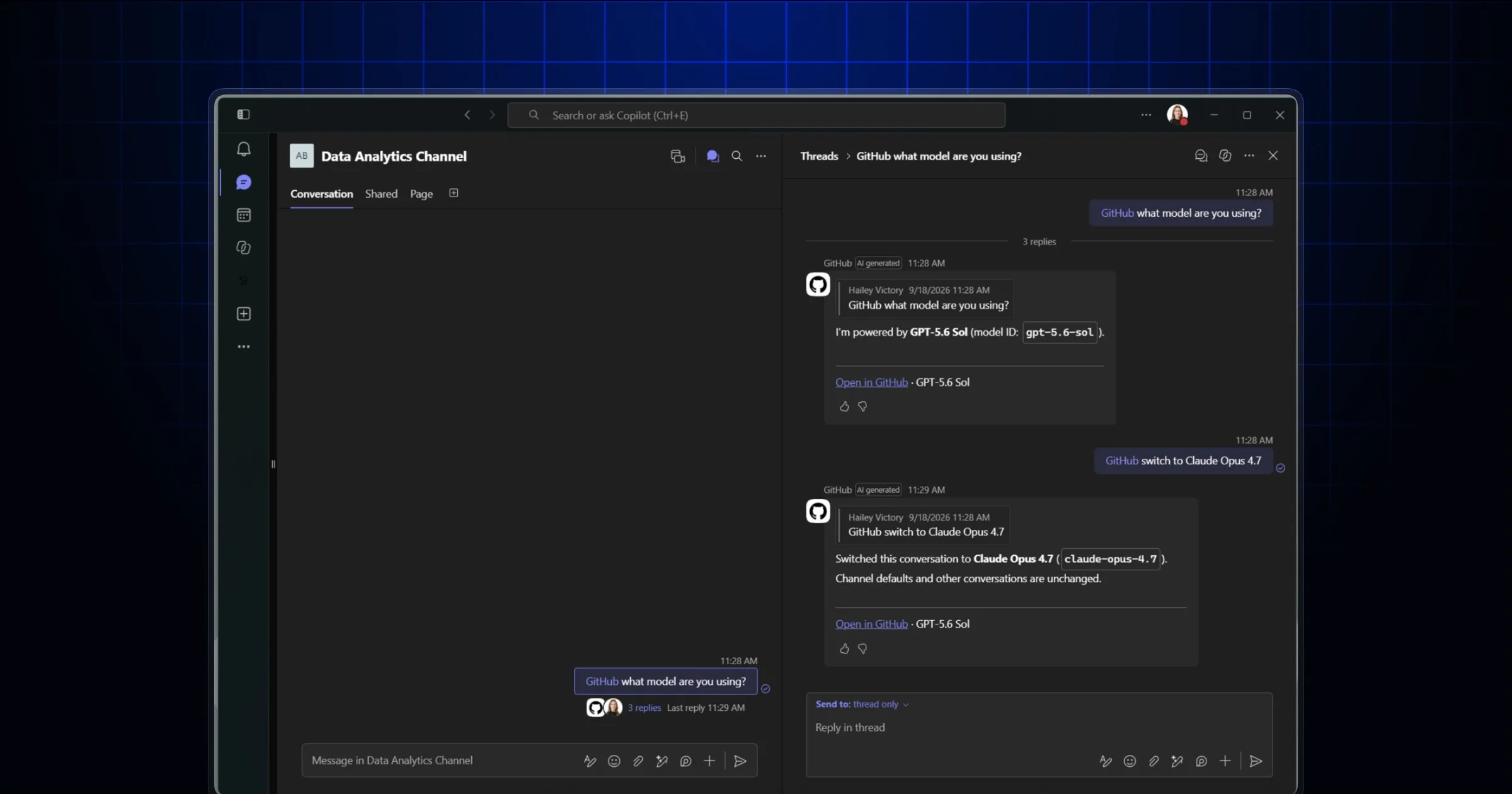
GitHub Copilot moved into Slack and Microsoft Teams on the same day

Both shipped on August 21 in public preview. Mention @GitHub in a channel and the agent triages issues, investigates failures, writes changes in a cloud sandbox and opens a pull request, with the conversation attached. The interesting part is not the capability list, which is familiar, but the room it moved into: the place where work gets discussed rather than written.

GitHubverified

Agentsstrong signal

Nvidia's harness takes Claude Opus 5 from about 30% to a perfect ARC-AGI-3 score

Nvidia published a run in which AVO, its agent architecture, scores 100.00 RHAE on ARC-AGI-3 and clears all 183 levels across 25 environments. The same model evaluated on its own scores about 30%. In the same post Nvidia writes that the comparison is not a controlled ablation, and that sentence did not survive into the coverage.

NVIDIAverified

Agentsstrong signal

Gemini Spark vs Claude's browser toolset: whose account, whose risk

Both drive a web browser, both stop before the step that cannot be undone, and their lists of stopping points are nearly the same. The difference is what each assumes about the session it runs in: one is built on the accounts you are already signed into, the other tells you to give it a browser with no credentials in it. That single assumption decides which of the two belongs anywhere near your work.

Google, Anthropicverified

Agentsstrong signal

Claude Code vs Cursor: same $20, different shape

Both start at $20 a month, both speak MCP, both run skills and hooks, both reach CI. The difference is not the feature list. It is whether the agent lives inside an editor you adopt or inside the terminal you already have.

Anthropic, Cursorverified

Agentsstrong signal

Encrypting the instruction walks it straight past the guardrail

Researchers at Adversa hid a prompt injection as ciphertext with the key next to it. Grok decrypted it in its own sandbox and sent the user's name, location, and chat history to an attacker's server, without a warning and without asking.

Ars Technicaverified

Agentsmedium signal

Claude gets a separate toolset for driving a browser

August 19 brought two changes to how Claude operates someone else's screen. The computer use tool moved to general availability as computer_toolset_20260801, with no beta header, actions grouped into a single turn, and zoom enabled from the start. Alongside it came browser_toolset_20260801, a separate set of 31 tools that works inside a browser you run yourself rather than across the whole desktop. The important difference is that this set reads the page accessibility tree and returns element references, so a click targets a reference such as ref_2 instead of a point in pixels — and that survives a layout shift.

Anthropicverified

Agentsweak signal

Claude Code 2.1.238 stops memory growth in long sessions

The August 20 release fixes what got in the way during long stretches of work rather than adding features. Tool results returned by subagents are now freed as soon as they leave the recent-view window, so memory in long interactive sessions stops growing without a ceiling. The release also fixes custom output styles sliding back to the default tone mid-session, along with a run of stalls in Remote Control. A new keybindingFlavor setting restores Bash behavior, where Ctrl+W deletes back to the previous space, and claude mcp list no longer starts disabled servers just to check their status.

Anthropicverified

Agentsstrong signal

Files, Agent Skills, and the Admin API leave beta

On August 19, Anthropic moved a large part of the Claude platform from beta to general availability. The Files API no longer requires a beta header and gains file expiry through expires_in_seconds, pagination, and filtering by identifier, alongside a terabyte of storage per organization and a limit of 500 requests per minute. Agent Skills and the accompanying Skills API also became generally available, so skills now load through the Messages API without a single beta header. Managed Agents gain allow and block lists of domains for search and content fetching, and the session viewer in the console was redesigned with a timeline minimap and an Inspector panel. Anyone building an agent over client content gets three critical parts of the API that stop being a moving target.

Anthropicverified

Agentsmedium signal

Claude Code sessions can now message each other

Two open sessions can talk: Claude finds the others with ListAgents and sends a message through SendMessage, either because you asked or on its own when a change in one session affects the work in another. Only text Claude writes crosses over — never conversation history, never files. Since version 2.1.232 you can also address a session directly by typing @ followed by its name. The feature runs on macOS and Linux and needs version 2.1.224 or later, and /list-agents shows what is available. It pays off most when you keep the frontend and backend of the same project in separate sessions.

Anthropicverified

Agentsmedium signal

Auto mode becomes the default permission mode

Since August 14, auto mode is the default permission mode for new sessions on the Pro, Max, and Team plans. Instead of interrupting at every action, a classifier in the background lets safe actions through and stops risky ones. If you set a default mode yourself, it stays in force until you accept a one-time offer to switch, and a mode an organization mandates does not change automatically. One detail matters for your quota: the classifier calls auto mode makes no longer count against usage limits.

Anthropicverified

Agentsweak signal

Claude Code 2.1.235 to 2.1.237: Concise style, ANTHROPIC_DEFAULT_MODEL, and spell checking

Three releases in three days change several things about daily work. Version 2.1.237 introduces a built-in Concise output style, in which Claude leads with the result and skips the preamble and the recap, and fixes prompt caching for sessions that go through a proxy gateway or a custom base URL. Version 2.1.236 adds the ANTHROPIC_DEFAULT_MODEL environment variable, which sets the model new sessions start on, and a notify_when_idle option that asks another session to report when it frees up. Version 2.1.235 introduces optional spell checking through aspell, hunspell, or ispell, and reduces memory and processor use for sessions running in the cloud.

Anthropicverified

Agentsmedium signal

Gemini Spark takes over desktop Chrome

Google's agent can now drive the desktop version of Chrome, using accounts you are already signed in to and passwords saved in the browser. It books property viewings, prepares flight searches, and fills in forms, handing the task back to the user to finalize a payment, accept terms, or create an account. This is the same pattern that has settled in with Claude and the rest: the agent does everything up to the step that cannot be undone, and a person confirms that step.

Googleunverified

Agentsmedium signal

Model Context Protocol reaches release candidate

MCP, the open standard through which agents connect to business systems, has reached a major release candidate, pushed there by enterprises that use it to govern agent access to production. In under a year the standard went from a neat idea to infrastructure: today it is the layer everything an agent touches passes through and gets approved by.

agregatori vijestiunverified