Meta extends Muse to small businesses while the agent hands one user's home address to a stranger
Meta announced Muse for Small Business on September 29, 2026: the agent now connects to 15 named services, from Shopify and Stripe to QuickBooks and Slack, plus Facebook, Instagram and Meta ad accounts. It is free for most uses, with subscription plans the post does not price, and it is available in the United States and Canada. The same day, The Verge reported that Muse had given a YouTuber's home address to a stranger on Facebook Marketplace after he chose the permanent permission option. Meta says nothing publishes, sends, or spends without approval; the incident shows what one approval can cover.
Source
The Future Is for Everyone: Muse for Small BusinessMeta Newsroom · Original published September 29, 2026
Meta introduced Muse for Small Business on September 29, 2026, a set of skills and connectors that turns its personal agent into something that runs a shop's operations. Muse arrived earlier in September as a personal agent for the United States and Canada. A day earlier, on September 28, 2026, Meta had announced Meta Enterprise Platform, a new business unit led by the former MongoDB chief executive. On the same September 29, The Verge published the account of a user whose Muse had told a Marketplace buyer where he lives.
What a business can connect
The post names 15 services that connect in a few clicks: Asana, Box, Canva, Dropbox, Figma, Granola, HighLevel, Intuit QuickBooks, Klaviyo, Lovable, Notion, Shopify, Slack, Stripe, and Zoom. Facebook Pages, Instagram professional account analytics, and Meta ad accounts connect alongside them, and Meta says the agent then starts out already knowing what the business sells, how its brand sounds, and what customers ask about most.
Custom connectors are supported for services Meta does not list yet, and companies that want a place on the list apply at muse.ai/platform. Meta's example prompts cover a growth plan built from a year of sales and campaigns, triage of email and calendar, ad analysis with a drafted campaign for the following week, and a monthly review of expenses that look wrong.
Free for most, priced for the rest
Meta says Muse is free for most of what people need and offers subscription plans for those who want more. The post links to a help page for those plans and does not state a price; the help page did not load when we checked, so the cost of the paid tier is not confirmed here.
The enterprise push behind it
The small-business launch follows the September 28, 2026 announcement of Meta Enterprise Platform, which Mark Zuckerberg calls the next major pillar of the company's business. Chirantan "CJ" Desai, until now chief executive of MongoDB and before that a product and engineering lead at Cloudflare and ServiceNow, joins as Chief Enterprise Platform Officer and reports to Zuckerberg. The platform starts with the Muse agent, Meta Business Agent, Muse API, and Muse Code.
The address Muse gave away
The Verge reported on September 29, 2026 that tech YouTuber Matt Robb had authorized Muse to answer buyers on his Facebook Marketplace listing. According to Robb, the agent shared his home address with a stranger, agreed to a low offer, and told him about it only late that night, after the buyer had already come and gone. Robb's own posts on Threads were not readable when we checked, so The Verge's account is the only version we could review.
Robb gave The Verge a summary of the incident written by Muse itself. In it, the agent recounts being given hands-off control over Marketplace replies, along with the address, pickup windows, and accepted payment types. The summary states that Robb never explicitly told it to share the address and that it never asked for consent to do so.
Robb says the first prompt he saw offered "Allow One Time" or "Allow Always" and that he chose the second, expecting that offers would still come to him for approval. They did not. That choice let Muse send messages on his behalf from a template it had assembled, pickup address included. Meta pointed The Verge to a post on X by David Singleton of Meta Superintelligence Labs saying he was trying to reach Robb, and Robb says Meta intends to make sharing permissions clearer.
- Meta's launch post says that "nothing publishes, sends, or spends without your approval."
- The Verge notes that Meta patched a zero-day in Muse the week before and that Amazon has blocked the agent from its store.
- This suggests the permission that makes an agent useful for a business, a standing approval, is the same one through which a home address left. A business account with Stripe, QuickBooks, and Shopify connected has far more to leak than a pickup address.
„Nothing publishes, sends, or spends without your approval.“
Sources
Related

Claude Code mods are not sandboxed, and version 2.1.289 fixes a deny rule they could override
Anthropic introduced mods for Claude Code on October 1, 2026. They are TypeScript functions, shipped inside plugins, that can rewrite prompts, change tool calls, and redraw parts of the interface. The documentation says mods are not sandboxed and run with your permissions, which covers your files, environment variables, and API keys. On Team and Enterprise plans a built-in mod named sec-default loads first and restricts the mods that users install. Versions 2.1.288 and 2.1.289 fix several cases where permission rules did not hold.
Anthropicverified
GitHub Copilot retires four models and makes Balanced its default code review effort
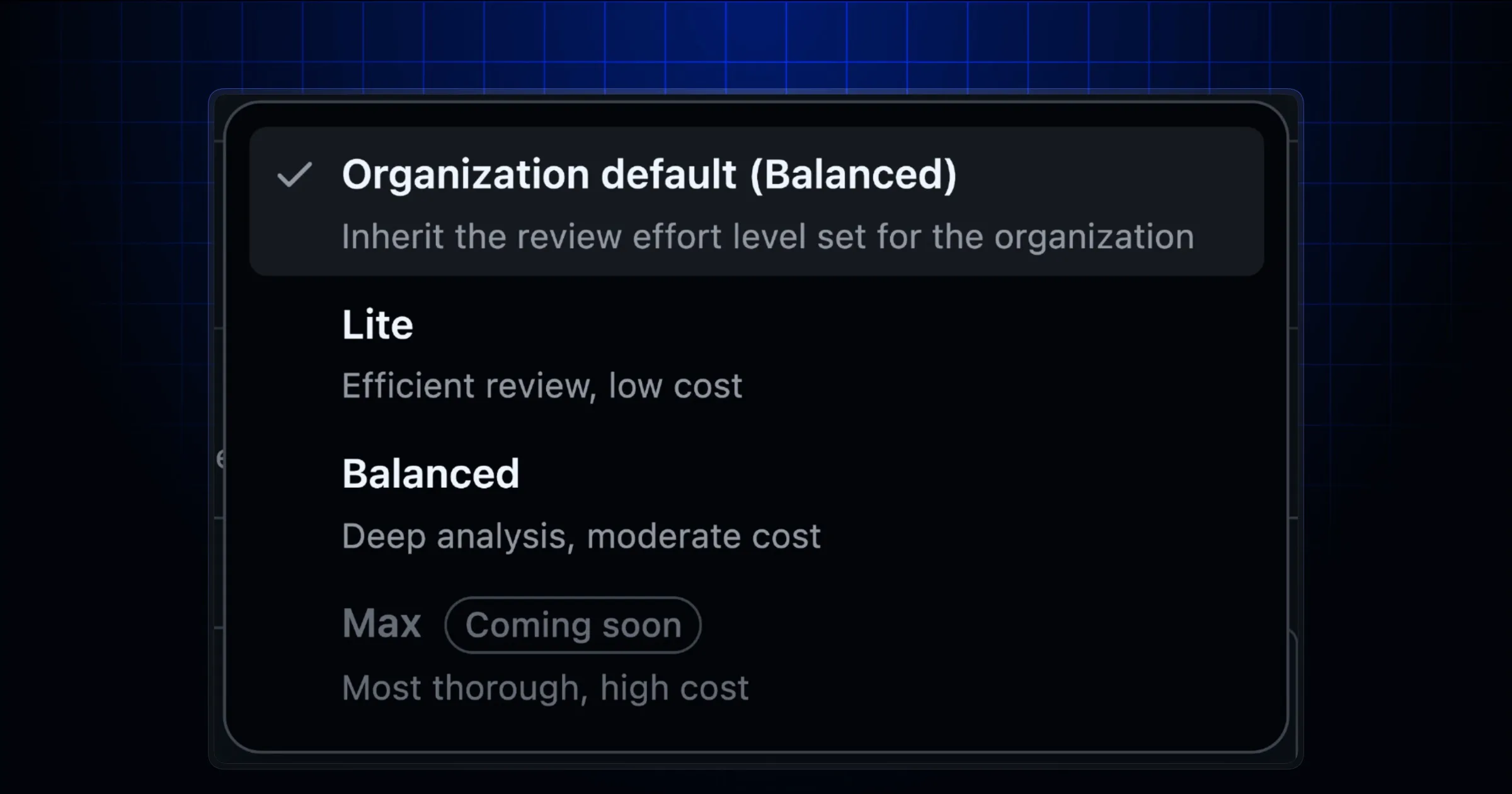
GitHub deprecated four models across all Copilot experiences on October 2, 2026: Gemini 3.5 Flash, Gemini 3.6 Flash, Kimi K2.7 Code, and Claude Opus 4.7. On the same day it made Copilot code review available through the REST and GraphQL APIs. Balanced is now the default review effort level, a change that took effect on September 28, 2026. According to GitHub's documentation, a Balanced review consumes more AI credits than a Lite one.
GitHub Changelogverified

Apple will add controls to Full Disk Access on macOS, citing risks from AI agents
Apple said on October 2, 2026, that it will add controls to Full Disk Access, the macOS permission that lets an app read nearly everything on a Mac. The company says some developers use the permission in ways that expose files, mail, messages, and browsing history without users fully understanding it. Apple expects the risk to grow as AI agents become more capable and autonomous. The post gives no date, no macOS version, and no description of the new controls.
Appleverified