Apple will add controls to Full Disk Access on macOS, citing risks from AI agents
Apple said on October 2, 2026, that it will add controls to Full Disk Access, the macOS permission that lets an app read nearly everything on a Mac. The company says some developers use the permission in ways that expose files, mail, messages, and browsing history without users fully understanding it. Apple expects the risk to grow as AI agents become more capable and autonomous. The post gives no date, no macOS version, and no description of the new controls.
Source
Apple says it’s tightening macOS ‘Full Disk Access’ controls due to new risks from AI agentsTechCrunch AI · Original published October 2, 2026
The notice appeared on Apple's developer news page under the title Updates to Full Disk Access in macOS. It is two paragraphs long and names no app. Apple says the way a user grants this permission will change, and that affects any desktop AI agent that asks for it.
What Full Disk Access is
Apple describes Full Disk Access as a permission that largely sidesteps the controls macOS uses to protect private data. The company says it exists so that backup apps can work properly on the Mac.
According to the post, some developers now use it in ways that could put users at risk. Apple lists what the permission exposes: files, mail, messages, and browsing history. It adds that for communication apps the exposure also affects the privacy of the people you write to.
Apple's Mac User Guide defines the setting the same way. An app with Full Disk Access can read all files on the computer, including data from other apps such as Mail, Messages, and Safari, and data from Time Machine backups. The same Privacy & Security page has a separate Files & Folders setting. That one lets you allow an app to reach files in specific locations only.
What Apple says will change
Apple says it will introduce additional controls. Their stated purpose is that a user who wants to give an app this level of access can do so only by taking a very explicit action.
The company ties the change to AI agents. It expects the risks of this access to grow substantially as agents become more capable and autonomous. Apple also says it wants users to understand those risks before they grant the permission.
The context TechCrunch reports
Apple's post does not say what prompted it. TechCrunch reports that it came days after Inc. columnist Jason Aten wrote that Meta's Muse app on the Mac knew the content of his private messages. Aten said he had not given the app permission. Meta disputed that claim, according to TechCrunch.
The same report says Muse lets users optionally turn on Full Disk Access. TechCrunch also says Apple did not immediately respond to its questions about the change.
What is not confirmed yet
Apple has not said when the controls will arrive or which macOS version will include them. The post does not describe the controls. It also does not say what happens to apps that already hold Full Disk Access.
„Addressing this is critical.“
Sources
Once a week, in your inbox
The whole week's news, gathered into one email. No ads, no passing your address on, one-click unsubscribe.
The address is used only for this roundup. It is not sold and not passed to anyone.
Related
AI agents found and exploited an unknown flaw in MONAI Label, and version 0.8.6 fixes it
An attacker gave AI agents a goal and a list of addresses, and AWS says the agents found a flaw nobody had reported and took over a server with it. Public records point to MONAI Label, a tool for labeling medical images whose authentication is off by default. Anyone who runs it should upgrade and check whether the server was already compromised.
AWSverified
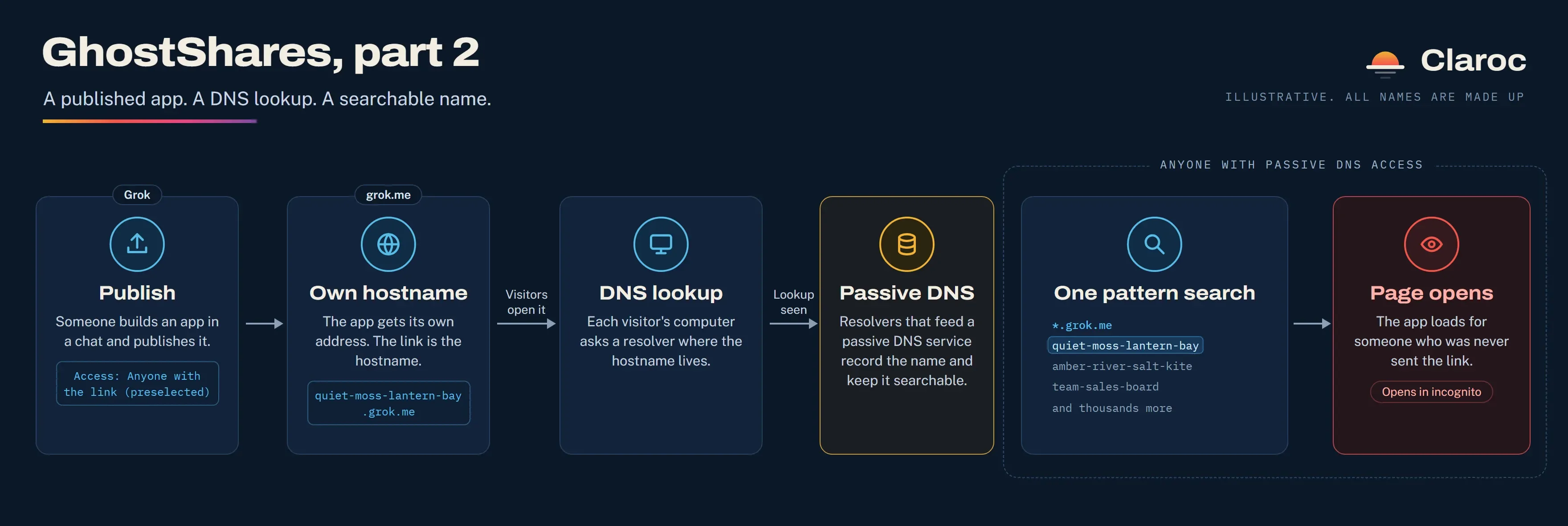
Researchers found 35,578 Grok-built apps open to anyone, 24 of them made by SpaceXSI staff
Security firm Claroc says 94.7% of the Grok apps still online opened without any sign-in, and some held patient records, staff rosters, and plain-text passwords. SpaceXSI says apps stay private until their creator shares them. Claroc's tests found the publish panel already set to Anyone with the link.
Clarocverified
Claude Code’s “don’t ask again” option has put more than 2,500 secrets into public GitHub repositories
Approving a command permanently copies the command, password included, into a project settings file that often gets committed. The security firm Apiiro counted 1,122 public copies of that file holding a real secret. Anthropic says it is looking at ways to prevent it.
Apiiroverified