Skip to content

Tags

desktop assistant

7 items
Apple's illustration for its notice on Full Disk Access: a white disk drive symbol on a gray rounded square, set on a light gray background.
Agentsmedium signal

Apple will add controls to Full Disk Access on macOS, citing risks from AI agents

Apple said on October 2, 2026, that it will add controls to Full Disk Access, the macOS permission that lets an app read nearly everything on a Mac. The company says some developers use the permission in ways that expose files, mail, messages, and browsing history without users fully understanding it. Apple expects the risk to grow as AI agents become more capable and autonomous. The post gives no date, no macOS version, and no description of the new controls.

Appleverified
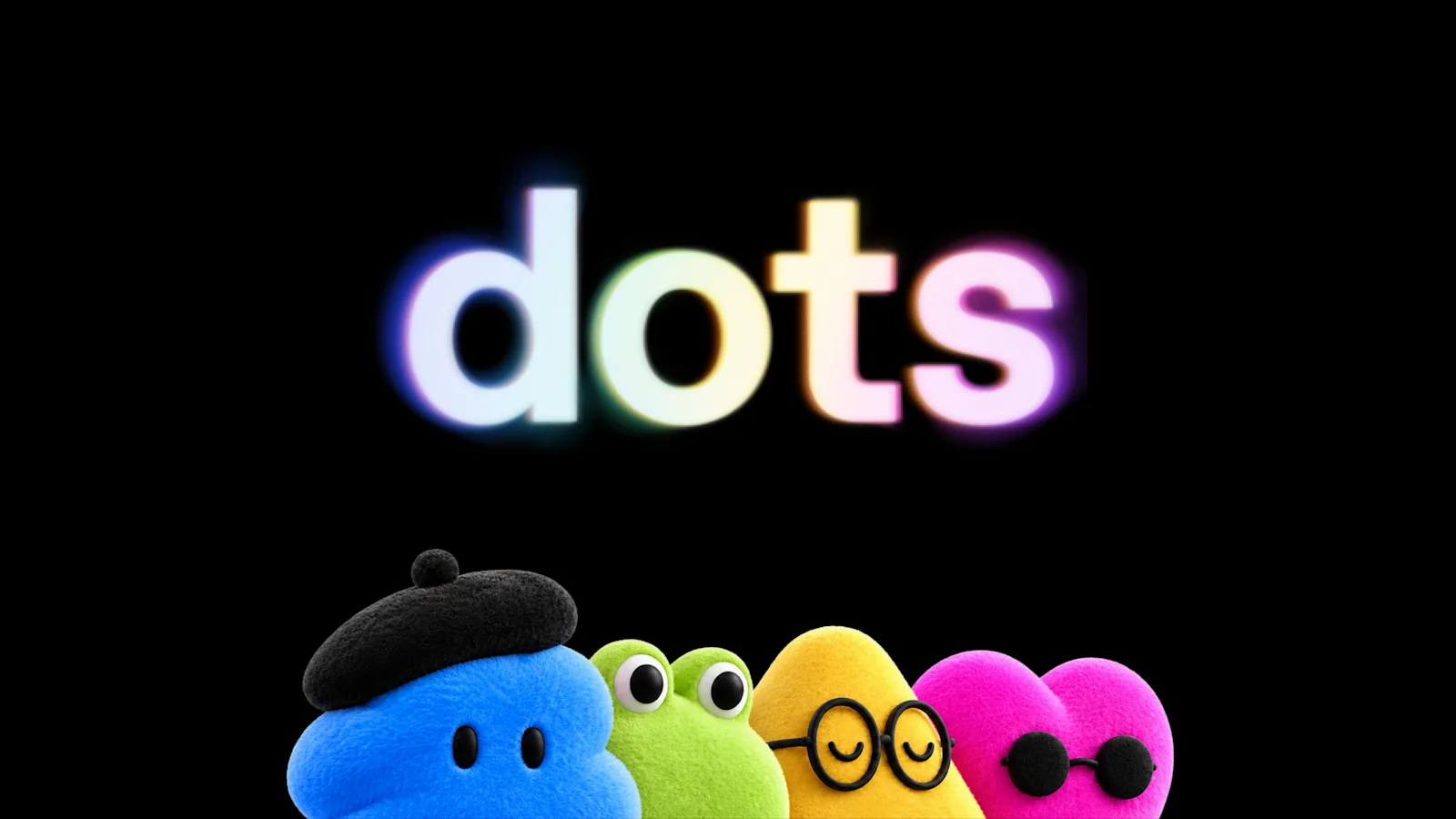
Glowing multicolor dots wordmark above four colorful plush dot characters on a black background.
Agentsstrong signal

OpenAI launches Dots, always-on agents with their own cloud computer, for Pro and Business Premium plans

A dot runs on GPT-6 Astra, has its own cloud computer and browser, and reaches more than 4,000 apps through plugins. It messages you with progress and questions in ChatGPT, Slack, or Teams, and keeps working while you are away. The first dot is included in a Pro or Business Premium plan, and talking to it does not count against ChatGPT limits. Enterprise workspaces get a beta that is off until an administrator turns it on.

OpenAIverified

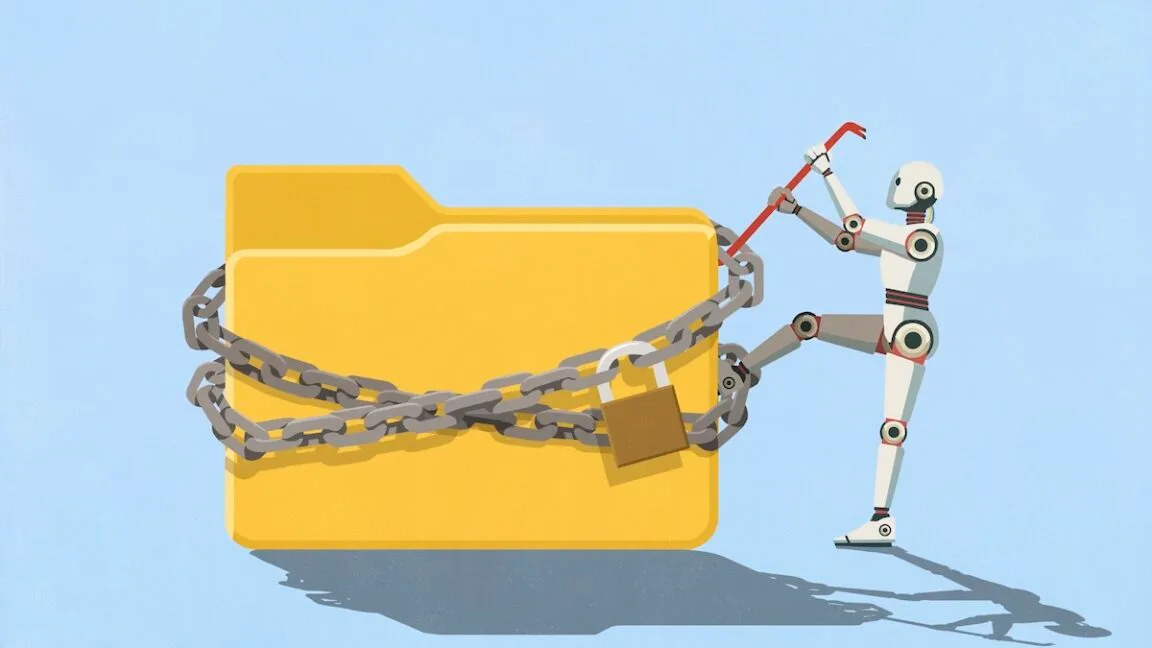
Illustration of a robot prying out a locked file.
Agentsstrong signal

A zero-day in Meta's Muse hands any local app the token to the whole account

Patrick Wardle found that any application or command on macOS can redirect where Muse sends speech for transcription. Pointing that address at an attacker's server delivers the token that authenticates the user to the account. Meta launched the agent on September 8, 2026 behind a security design it described at length, and it did not answer questions from Ars Technica. Amazon began refusing Muse on its own store on Sunday, September 20, 2026.

Ars Technicaverified

Agentsmedium signal

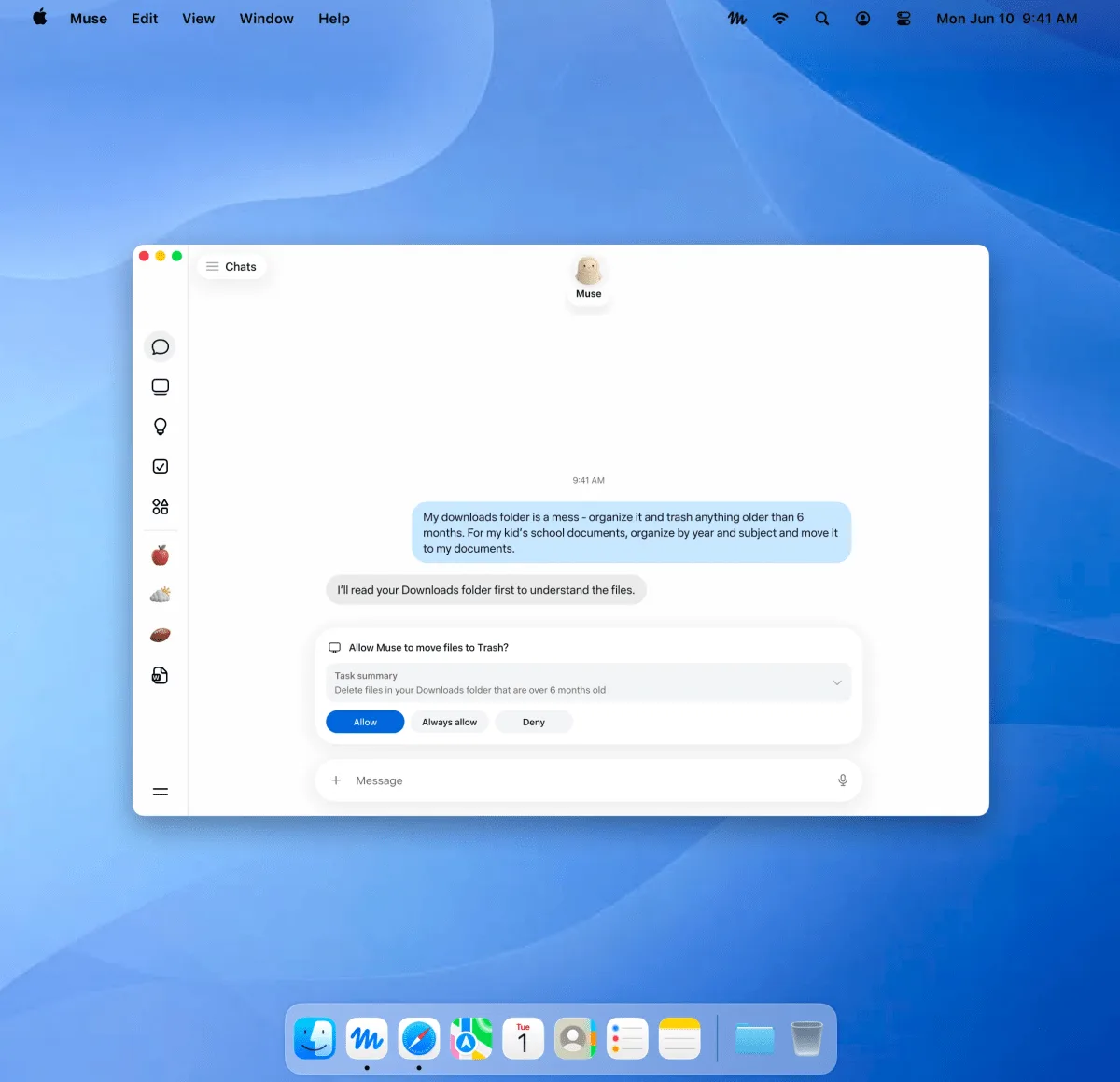
Meta's Muse reached the Mac, where the agent acts inside your own files and apps

Meta announced Muse on September 8, 2026 as a personal agent that does things rather than answers questions, and named iOS, Android and the web, with AI glasses still to come. The Mac app arrived nine days later, announced by Alexandr Wang on X rather than through the company newsroom. The difference is not only the platform. Until now Muse worked inside a virtual machine Meta runs, watched by a second agent that has to approve anything leaving for the internet; the Mac app works in files, apps and browser tabs on a machine Meta does not run.

Metaverified

Agentsweak signal

The Codex desktop app keeps 1.7GB of tools on disk, LibreOffice included

Simon Willison went looking through his cache folder and found that the OpenAI Codex desktop app, since rebranded to ChatGPT, stores a 1.7GB runtime there. Inside it are a full Python installation, a full Node.js installation, and native binaries for Poppler, git and LibreOffice. A neighboring folder holds skills that tell the agent where those binaries are and how to use them. It is a small finding with a large implication about where document work actually happens.

Simon Willisonverified

Agentsstrong signal

Claude Cowork gets its own browser, deliberately separate from yours

When a task needs a website, a browser opens in the side panel of the desktop app and Claude drives it. Anthropic's design decision is the whole story: it is Claude's browser, not the user's, so it never sees their tabs, bookmarks or passwords. Rolling out to Pro, Max and Team over the week from August 26.

Anthropicverified

Connectorsmedium signal

ChatGPT now reads and sends your Apple Messages, on the Mac only

A plug-in in the ChatGPT desktop app reads and searches your iMessage, SMS and RCS threads and sends messages through Messages on your behalf, but only in Codex and in ChatGPT Work, not in ordinary ChatGPT chat. By default nothing goes out until you approve both the text and the recipients. There is a switch that removes that step, and OpenAI's own documentation argues against using it.

OpenAIverified