ChatGPT now reads and sends your Apple Messages, on the Mac only
A plug-in in the ChatGPT desktop app reads and searches your iMessage, SMS and RCS threads and sends messages through Messages on your behalf, but only in Codex and in ChatGPT Work, not in ordinary ChatGPT chat. By default nothing goes out until you approve both the text and the recipients. There is a switch that removes that step, and OpenAI's own documentation argues against using it.
The capability is narrower than the headline suggests and the setting under it is wider. The plug-in runs only in the ChatGPT desktop app for macOS, on Apple Silicon builds, and it is not available on the web, on mobile, in Codex CLI or in the IDE extension. Inside that app it runs in Codex and in ChatGPT Work, and not in ordinary ChatGPT chat. Within that one surface it can read and search every iMessage, SMS and RCS conversation on the machine, and send new ones as you.
What it can do
Reading is the larger half. The plug-in can search your message history, summarize it, and draft replies that take earlier conversations into account. Sending goes through the Messages app itself, so the message arrives from your number and looks exactly like anything else you send.
macOS asks for its own permissions before any of this works, which means the operating system's consent dialog is the first gate. That is the same mechanism any Mac app has to pass, and it is worth knowing that granting it once covers the whole message store, not one conversation.
The default is approval, and that is the whole story
OpenAI's documentation is direct about it: by default ChatGPT sends messages only after you approve the message and its recipients. Both halves matter, because the recipient list is where an agent's mistake becomes someone else's problem.
There are then two ways to answer the prompt. Allow once approves the message in front of you. Always allow sending to this chat removes the confirmation for that conversation from then on, and the documentation says plainly what that costs: it "removes your final chance to review a message before ChatGPT sends it as you".
A vendor writing a warning against its own convenience setting is rare enough to notice, and it puts this in the same place every other agent has landed: the machine does the work, a person approves the step that cannot be taken back. The standing approval can be withdrawn: under computer use, at the entry for Messages, the conversation is removed from the list of chats that may always be sent to. In workspaces run by an administrator, the whole plug-in is switched off through the existing control over computer use.
What to decide before you turn it on
The question is not whether the feature is useful. It is which conversations you are willing to make permanently sendable, because the always-allow switch is per chat and it does not expire. A work channel where every message is a status update is a different risk from a thread with your bank or your family.
The reading side deserves its own thought. Everything the plug-in searches becomes context, and a message store is the least curated archive most people own. If you would not paste a thread into a chat window, the plug-in should not be able to search it either — and the only control at that level is the macOS permission itself.
„removes your final chance to review a message before ChatGPT sends it as you“
Sources
Corrections
An earlier version said the plug-in runs in the ChatGPT desktop app, without qualification. After checking the primary source the text has been corrected: the documentation says it runs in Codex and in ChatGPT Work, and not in ordinary ChatGPT chat. Two facts that had been left out have been added, how a standing send approval is taken back and that a workspace administrator can switch the whole plug-in off.
Related

The same SSRF bug turned up in MCP servers at Google, JPMorgan, and two governments
An independent researcher reported one class of server-side request forgery to five organizations that share no code, and all five confirmed and fixed it. Google's MCP Toolbox for Databases carried a high-severity CVE until version 1.5.0. Five US federal servers are still open. If you run an MCP server with any tool that fetches a web address, the four checks at the end apply to you.
Ars Technicaverified

Meta open-sources Muse Gadgets, which lets its Muse agent run shell commands on a Raspberry Pi
Meta published the Muse Gadgets repository on October 2, 2026, under the Apache 2.0 license. It contains firmware for ESP32 boards and a Linux device SDK that turns a Raspberry Pi into a device its Muse agent can operate. On Linux, Muse runs shell commands with the permissions of the account you install it for, including sudo if that account has it. Meta's documentation says pairing has no manufacturer verification and cannot prevent an active man-in-the-middle attack.
Metaverified
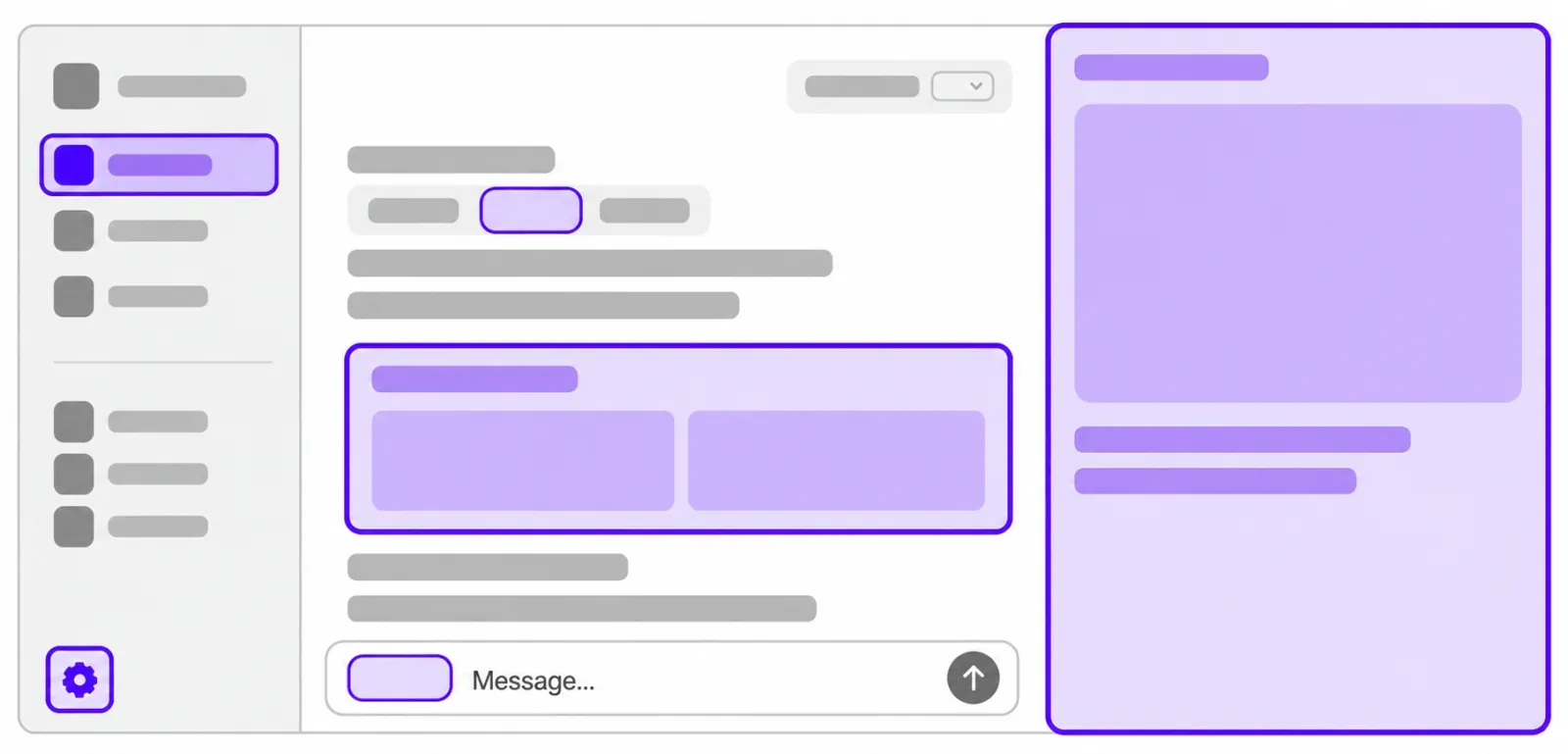
ChatGPT plugins can now run as sidebar apps and react to events from connected tools
OpenAI opened the interface layer it uses for its own ChatGPT features to outside developers. A plugin can now claim a place in the sidebar, open a panel beside a conversation, and act as the viewer for its own file types. A separate MCP Events integration lets a plugin start an automation when something happens in a connected app, which requires MCP 2.0 and webhook delivery. Sign in with ChatGPT lets a Plus or Pro allowance be spent in 16 partner tools.
OpenAIverified