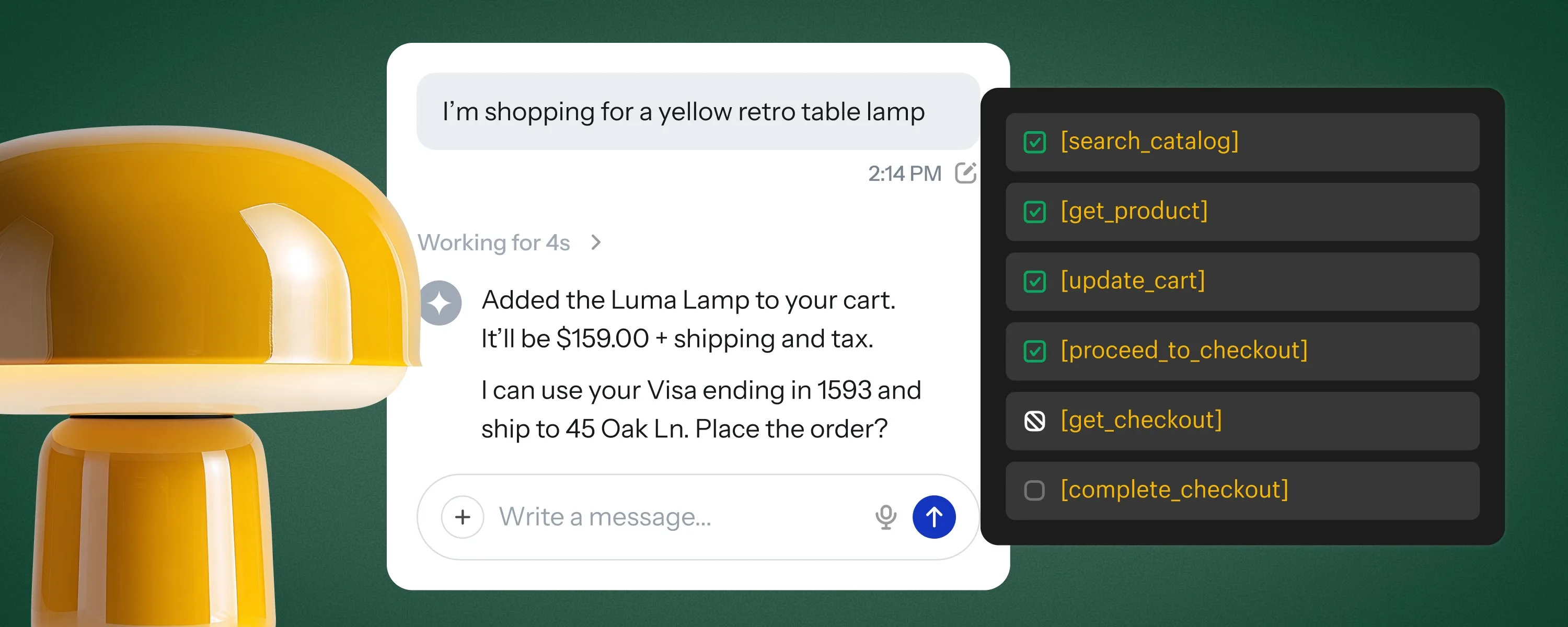
A plug-in in the ChatGPT desktop app reads and searches your iMessage, SMS and RCS threads and sends messages through Messages on your behalf. By default nothing goes out until you approve both the text and the recipients. There is a switch that removes that step, and OpenAI's own documentation argues against using it.
Nvidia published a run in which AVO, its agent architecture, scores 100.00 RHAE on ARC-AGI-3 and clears all 183 levels across 25 environments. The same model evaluated on its own scores about 30%. In the same post Nvidia writes that the comparison is not a controlled ablation, and that sentence did not survive into the coverage.
Pew Research ran nearly half a million pages from Common Crawl through a detector. Among pages published after November 2022, more than a third came back with significant signs of AI writing, and .com domains showed it at ten times the rate of .edu and .gov.
On August 19, OpenAI released a preview of a system that recognizes abuse patterns across several linked sessions without retaining user content. The idea is that only a narrowly defined safety signal is passed on, without exposing the prompts and responses themselves, which keeps the zero data retention guarantee for paid API customers in force. The target is attackers who split a request across several conversations to avoid detection. The approach is the opposite of Anthropic's policy, which keeps data for 30 days with controlled human review; if you are choosing a vendor for a project with sensitive client data, that difference is worth understanding before you sign. Wider rollout and a technical paper were announced for September.
The new flagship in the Opus line lets you set how much effort it spends on a task, across three levels — low, medium, and high — which gives you direct control over the trade-off between cost and quality. Pricing stayed where it was with 4.8, at five dollars per million input tokens and twenty-five per million output tokens, while scores on a large share of tasks sit close to Fable. Opus 5 became the default on the Max plan and the strongest model available on Pro, and it is called in the API as claude-opus-5.
Anthropic published an official explanation of the mechanism that writes a watermark into text Claude generates. With the new European labeling rules, the subject stops being a technical curiosity and enters compliance territory, because it offers a way to establish the origin of content even when whoever publishes it does not say so.