Skip to content

Tags

Meta

3 items
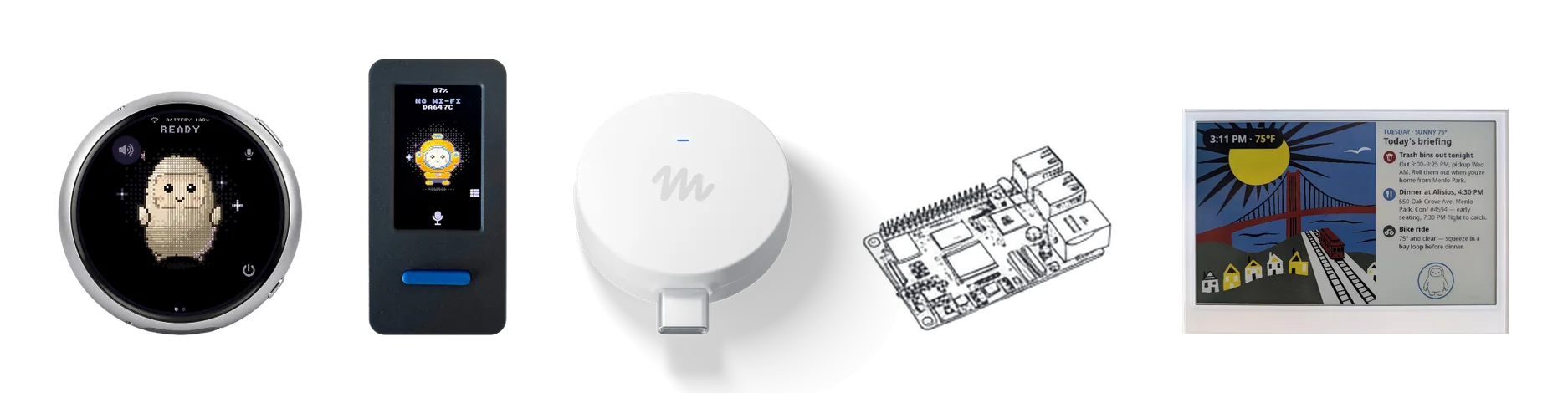
Five Muse gadgets from Meta's repository: a round AMOLED board and a small stick device showing pixel avatars, the white Muse Home Link, a line drawing of a Raspberry Pi, and an e-ink display with a daily briefing.
Connectorsmedium signal

Meta open-sources Muse Gadgets, which lets its Muse agent run shell commands on a Raspberry Pi

Meta published the Muse Gadgets repository on October 2, 2026, under the Apache 2.0 license. It contains firmware for ESP32 boards and a Linux device SDK that turns a Raspberry Pi into a device its Muse agent can operate. On Linux, Muse runs shell commands with the permissions of the account you install it for, including sudo if that account has it. Meta's documentation says pairing has no manufacturer verification and cannot prevent an active man-in-the-middle attack.

Metaverified
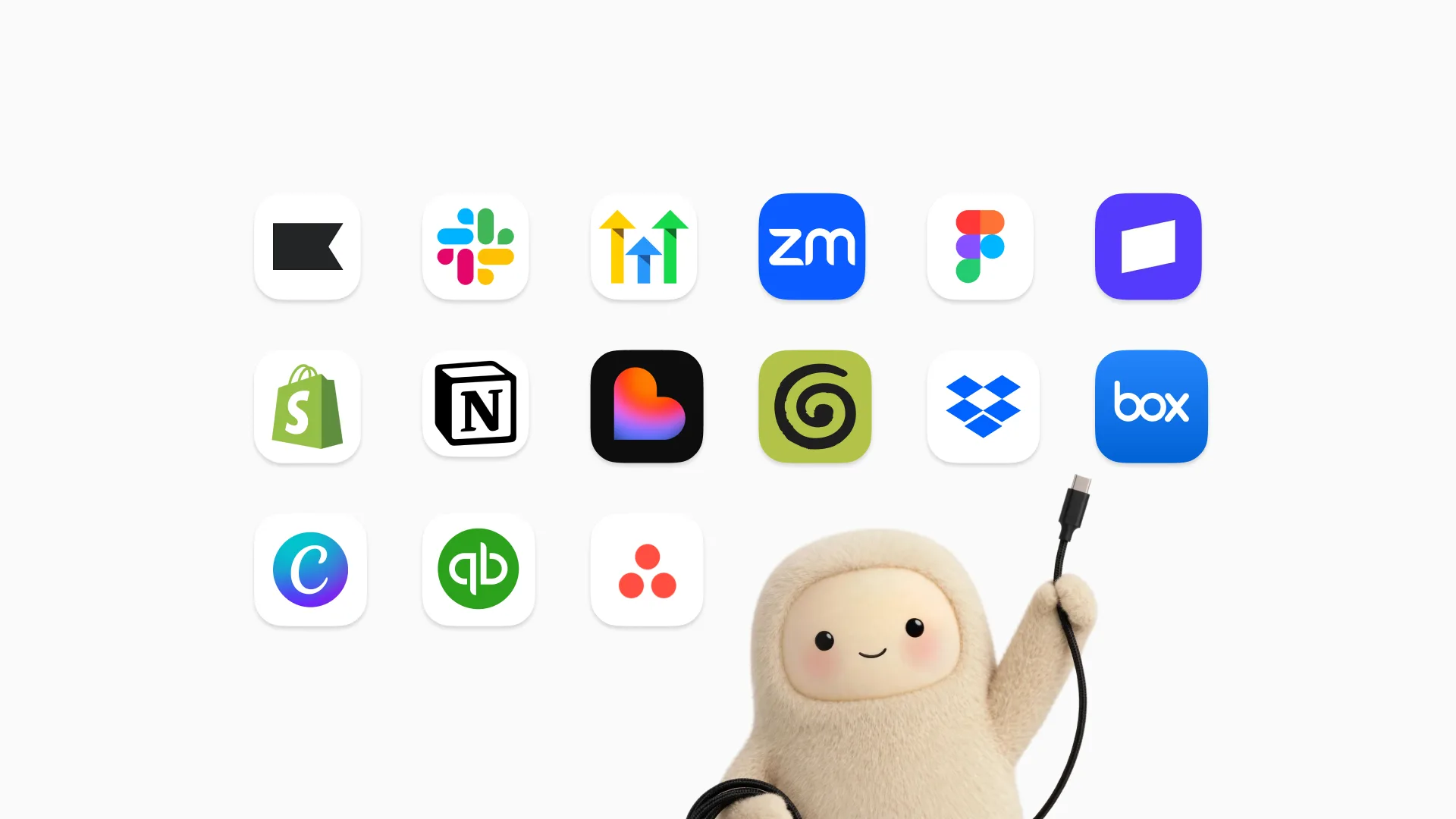
Fifteen app icons in a grid, including Shopify, Slack, Notion, Figma, Stripe, Dropbox, Box, Canva, QuickBooks, Asana and Zoom, with the Muse mascot holding up a USB cable.
Agentsstrong signal

Meta extends Muse to small businesses while the agent hands one user's home address to a stranger

Meta announced Muse for Small Business on September 29, 2026: the agent now connects to 15 named services, from Shopify and Stripe to QuickBooks and Slack, plus Facebook, Instagram and Meta ad accounts. It is free for most uses, with subscription plans the post does not price, and it is available in the United States and Canada. The same day, The Verge reported that Muse had given a YouTuber's home address to a stranger on Facebook Marketplace after he chose the permanent permission option. Meta says nothing publishes, sends, or spends without approval; the incident shows what one approval can cover.

Meta Newsroomverified

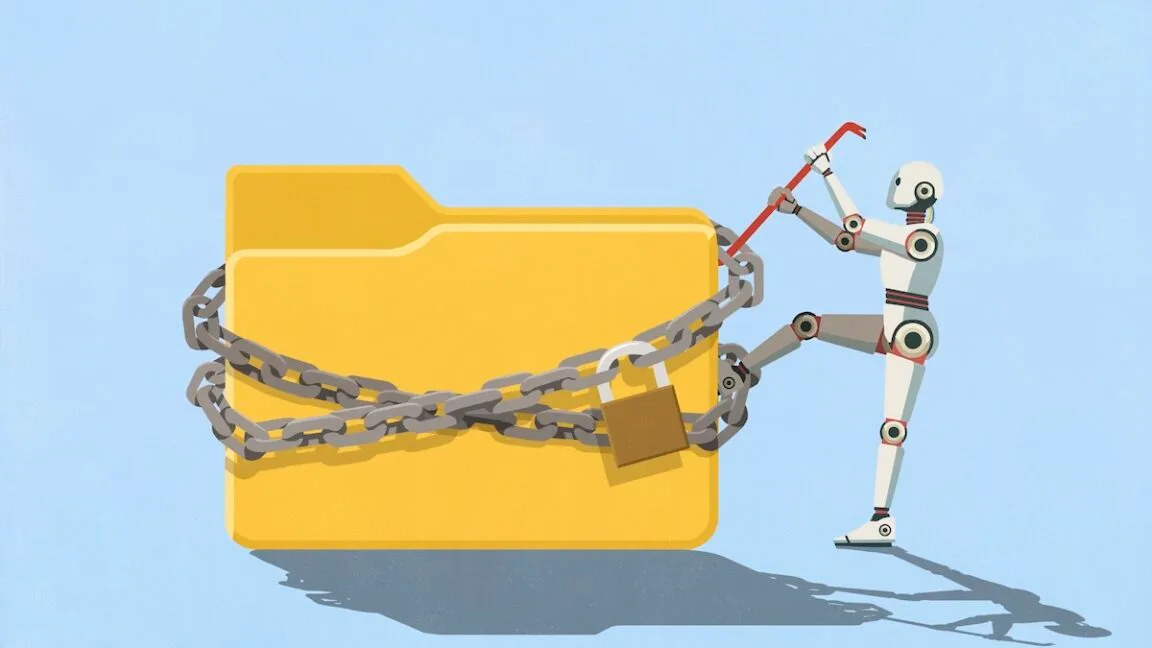
Illustration of a robot prying out a locked file.
Agentsstrong signal

A zero-day in Meta's Muse hands any local app the token to the whole account

Patrick Wardle found that any application or command on macOS can redirect where Muse sends speech for transcription. Pointing that address at an attacker's server delivers the token that authenticates the user to the account. Meta launched the agent on September 8, 2026 behind a security design it described at length, and it did not answer questions from Ars Technica. Amazon began refusing Muse on its own store on Sunday, September 20, 2026.

Ars Technicaverified