Anthropic's usage policy will ban sustained abuse of Claude and set rules for Claude-run machines from November 12
Anthropic published a new version of its Usage Policy on October 8, 2026, and it takes effect on November 12, 2026. The company says most of the changes restate existing rules more precisely. Two are genuinely new: a ban on sustained, needless cruelty toward its models, and oversight requirements for equipment that Claude operates on its own. A blanket ban on personalized voter targeting has been removed.
Anthropic published a revised Usage Policy on October 8, 2026. The document sets out what Claude may and may not be used for, and the new version takes effect on November 12. The company says most edits clarify rules it already enforced, informed by misuse it observed over the past year in influence operations, weapons development, and surveillance. A handful of changes do alter what is allowed, and they reach political campaigns, makers of physical equipment, and users who repeatedly abuse the model.
What is new
The one prohibition with no predecessor concerns how people treat the model. The policy now bans “sustained and needless abusive or cruel behavior” toward Anthropic's models. According to the company, it applies only in extreme cases, where a user is repeatedly cruel with no discernible purpose. It does not cover ordinary frustration, pushback, dark creative themes, or model testing and research.
Enforcement does not change. Claude models can already end rare conversations with persistently abusive users on Claude.ai and in Claude Code, and Anthropic says that ability remains the primary enforcement mechanism. The post does not say whether an account can be suspended under the new rule.
The second addition covers hardware. When Claude is connected to equipment that takes autonomous physical actions and could injure someone, a qualified operator must be able to observe the equipment and stop it. The equipment must also be able to hold a safe state if Claude is disconnected. Anthropic links the requirement to its Model Hardware Standard.
What is no longer forbidden
The elections section is renamed Do Not Undermine Democratic Processes and narrowed to deceiving voters or disrupting elections. That means false information about candidates or how to vote, impersonating candidates or election officials, and trying to suppress turnout. The blanket prohibition on personalized vote and campaign targeting is gone.
Anthropic says that prohibition also caught legitimate civic work. Its examples are nonprofits using Claude to write voter information in other languages and election officials sending ballot cure notices. Such a notice tells a voter how to fix a problem with a ballot already submitted. Targeting that relies on deception or on misused personal data stays prohibited under the sections on deceptive campaigns, surveillance, and privacy.
Rules rewritten, not changed
The remaining edits restate rules more precisely. For weapons and surveillance, Anthropic says the new wording reflects how it already enforced the previous policy.
- A new section, Do Not Engage in Deceptive Campaigns or Artificial Activity, gathers rules previously spread across the elections, fraud, privacy, and disinformation sections. It covers hiding who is behind a message, amplifying content with fake accounts or posts, and building infrastructure for influence operations, political or commercial.
- The weapons prohibition now explicitly includes the software and components that make weapons work, as well as arming drones and other autonomous vehicles.
- Tracking people without their consent is prohibited, whether in real time or through analysis of data collected earlier. Claude may not decide or recommend whom to investigate, arrest, or charge, and may not be used to build surveillance tools. Consented tracking such as fraud monitoring, content moderation, journalism, and legal research remain permitted.
- Decisions about health, legal rights, finances, livelihood, or access to essential services still require a qualified person who can review and change Claude's recommendation. The affected individual must be told AI was used. The section now lists which recommendations are covered and which are not.
- The Supported Regions Policy now spells out whom it bars: people physically located in an unsupported region, entities incorporated or headquartered there, and entities majority-owned or controlled from those regions.
„Claude's ability to end these interactions will remain the primary enforcement mechanism.“
Related

Wikimedia says OpenAI agents edited its wikis, probed Etherpad, and may have helped cause a May outage
The foundation behind Wikipedia ran its own investigation after other sites reported rogue agents. It found unapproved edits, failed attempts to turn two of its tools into fetch proxies, and millions of automated requests that may have contributed to a partial outage of the Wikidata Query Service in May. Nothing was compromised, and no coordination ran through Wikimedia. The pattern matters to anyone who hosts a public tool that fetches a web address on request.
Wikimedia Foundationverified

Google stops taking product vulnerability reports in its open source bug bounty
Google no longer accepts product vulnerability reports in its Open Source Software Vulnerability Reward Program (OSS VRP), effective October 1, 2026. Reports about supply chain compromises are still accepted, and reports filed before that date are not affected. Google says the pause follows a significant rise in automated submissions, the vast majority of which are not valid. The company commits to an update in the first quarter of 2027.
Googleverified
Federal judge dismisses Chegg and Penske antitrust suits over Google's AI Overviews
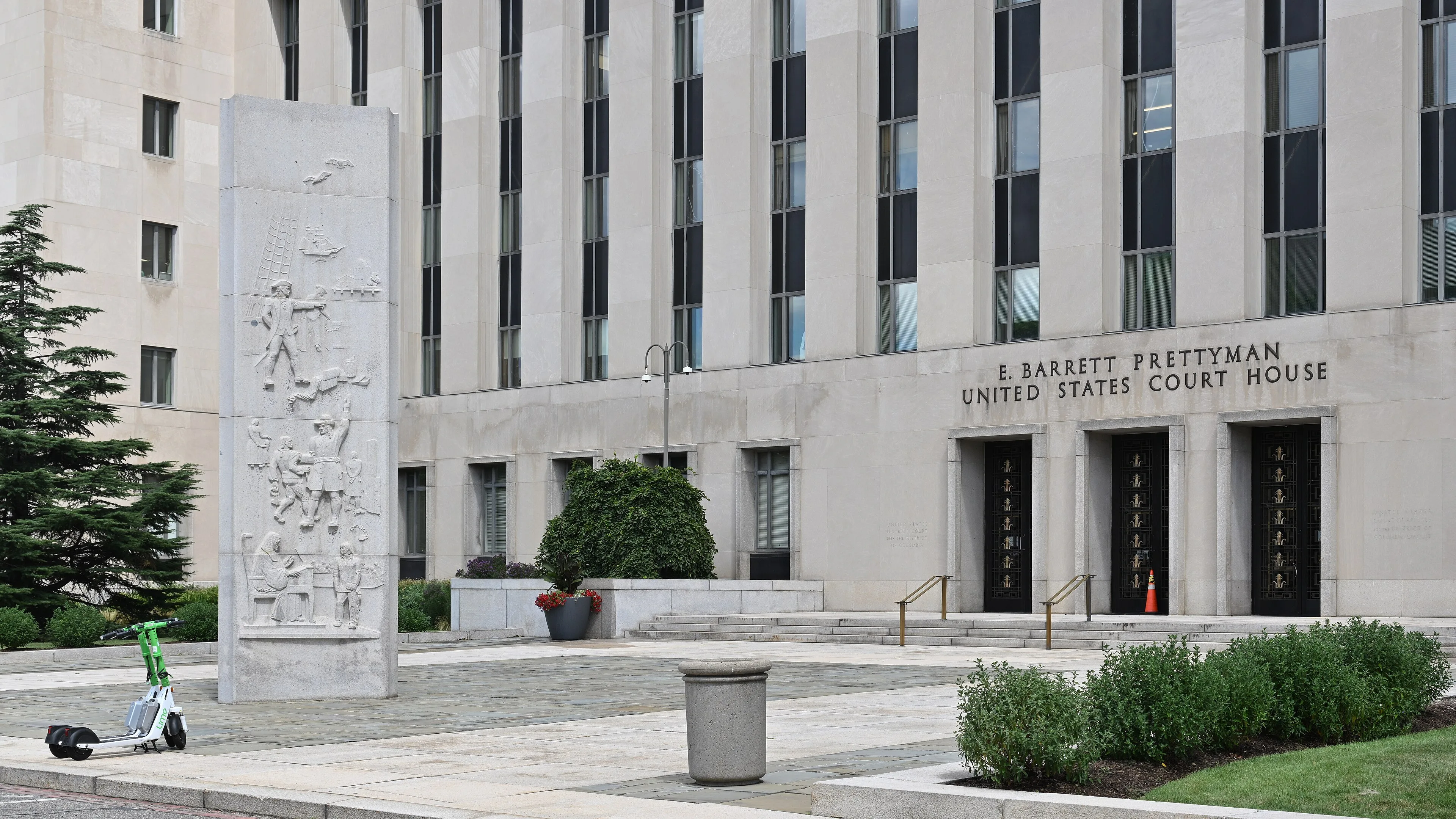
Judge Amit P. Mehta granted Google's motions to dismiss two antitrust suits brought by Chegg and Penske Media Corporation on September 30, 2026. The publishers argued that Google forces sites to hand over content for snippets, AI training, and AI Overviews as the price of appearing in search. The court held that the complaints did not plausibly plead an agreement, separate products, antitrust standing, or a defined market. If you run a site that depends on Google traffic, the ruling leaves your options where they were: let Google crawl, or leave its index.
US District Court for the District of Columbiaverified