ChatGPT Ads has reached a $1 billion annualized revenue run rate
OpenAI says its advertising business inside ChatGPT passed a $1 billion annualized run rate in fewer than 200 days from launch. Self-service buying through Ads Manager opens across India, Europe, the Middle East and North Africa. If you sell anything online, the surface where people compare options now has a checkout for advertisers on it.
OpenAI published the numbers behind ChatGPT Ads on August 31, 2026. The business is at a $1 billion annualized revenue run rate, reached in fewer than 200 days from launch, and it is used by tens of thousands of advertisers. The same post opens self-service buying through Ads Manager across India, Europe, the Middle East and North Africa.
Where the money is coming from
Ads are available in more than 40 countries, sold through OpenAI's own solutions team and through agency and technology partners. The partner ecosystem has grown past 50 technology and measurement companies. OpenAI says advertisers outside the United States are a growing share of revenue and that many of its largest clients now buy across several markets.
The platform has also picked up the machinery every ad system eventually grows. Cost-per-click and outcome-optimized bidding account for most campaigns. Pixel and the Conversions API handle measurement. Product feeds, platform and geographic targeting and custom audiences handle who sees what. Ads Manager, introduced in May, is what put the whole thing within reach of small and medium-sized businesses.
How an ad gets chosen
The system reads the context of the conversation in progress and shows an ad related to what the person is working through. Depending on the country and the account's settings, it may also draw on context from that person's wider use of ChatGPT.
- Ads are labeled and kept separate from the answer, according to OpenAI.
- OpenAI states that advertising does not influence the answers ChatGPT gives.
- Advertisers are not given access to private conversations.
- Personalization is exposed to the user as a setting rather than fixed.
What it pays for
Advertising sits next to consumer subscriptions, enterprise contracts and usage-based API billing in OpenAI's revenue mix. The stated purpose of the ad-supported tier is to keep ChatGPT free for the more than 1 billion weekly active users the company reports.
The results OpenAI offers are single cases, not measured averages: one ecommerce advertiser reported a threefold return on ad spend over 28 days, and one technology partner said more than 80% of ad-driven ChatGPT traffic came from new customers. Both figures come from the advertiser side, with no independent verification attached. What OpenAI does not publish is how much of its total revenue advertising represents, or how often an ordinary user sees an ad.
„Advertising does not influence the answers ChatGPT provides.“
Related

Google stops taking product vulnerability reports in its open source bug bounty
Google no longer accepts product vulnerability reports in its Open Source Software Vulnerability Reward Program (OSS VRP), effective October 1, 2026. Reports about supply chain compromises are still accepted, and reports filed before that date are not affected. Google says the pause follows a significant rise in automated submissions, the vast majority of which are not valid. The company commits to an update in the first quarter of 2027.
Googleverified
Federal judge dismisses Chegg and Penske antitrust suits over Google's AI Overviews
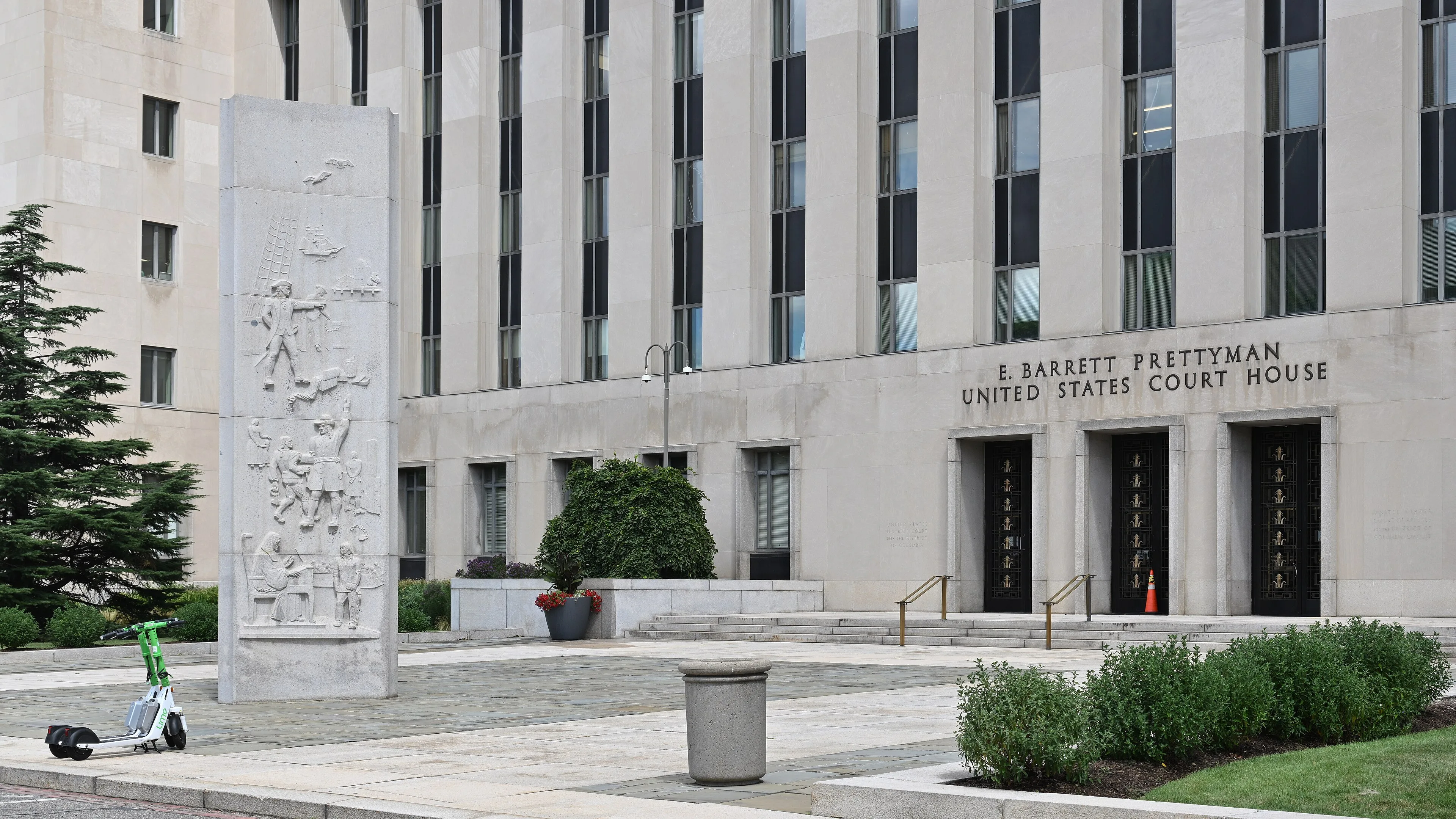
Judge Amit P. Mehta granted Google's motions to dismiss two antitrust suits brought by Chegg and Penske Media Corporation on September 30, 2026. The publishers argued that Google forces sites to hand over content for snippets, AI training, and AI Overviews as the price of appearing in search. The court held that the complaints did not plausibly plead an agreement, separate products, antitrust standing, or a defined market. If you run a site that depends on Google traffic, the ruling leaves your options where they were: let Google crawl, or leave its index.
US District Court for the District of Columbiaverified
OpenAI says it disrupted a campaign to extract hidden reasoning and ties part of it to Moonshot AI
OpenAI said on September 30, 2026, that it identified and disrupted a coordinated campaign to extract protected reasoning from its models. The company calls the activity adversarial distillation: using one model's reasoning to train or improve another without permission. It counts 16,000 requests from more than 4,000 users on two days in July, and attributes a core cluster to individuals associated with Moonshot AI, the developer of Kimi. OpenAI says no encryption was broken and no stored conversations were accessed. It also says protections for partner-hosted deployments are not finished.
OpenAIverified