OpenAI ships GPT-6.1 Sol at GPT-6 Sol prices and adds a $500 Pro plan with Ultrafast
GPT-6.1 Sol costs $2 per million input tokens and $10 per million output tokens, the same as GPT-6 Sol, and its cached input drops to $0.10. OpenAI says the model comes close to GPT-6 Astra on coding and computer use at a fifth of Astra's price. The larger GPT-6.1 Astra did not ship. A new Pro 500 plan at $500 a month is the only Pro tier that includes Ultrafast, and Pro 200 returns with a smaller allowance.
OpenAI released GPT-6.1 Sol on September 29, 2026, at its DevDay event, one week after GPT-6 Sol arrived on September 22, 2026. In the API the model is called gpt-6.1-sol. It replaces the previous Sol in ChatGPT Work and Codex for Plus, Pro, Business, Enterprise, and Edu users, and it is not yet available in Chat.
Same token price, cheaper cache
The standard API price is $2 per million input tokens and $10 per million output tokens. The OpenAI pricing page lists the same two figures for GPT-6 Sol, so the upgrade costs nothing extra per token. What changes is the cached input price: $0.10 per million tokens, half of the $0.20 that GPT-6 Sol charges.
Against GPT-6 Astra, which costs $10 and $50, the new Sol is a fifth of the price on both input and output. That ratio is the whole pitch: OpenAI describes the model as near-Astra intelligence at one-fifth of Astra's standard prices.
What OpenAI's benchmarks claim
Every comparison comes from OpenAI, and competitor figures are taken from public reports. On DeepSWE v1.1, the company says GPT-6.1 Sol matches GPT-6 Astra at roughly a fifth of the cost. It also beats the best GPT-6 Sol score by 6.4 percentage points at a lower reasoning effort. On AutomationBench 1.0.6 at medium effort, it reports 2.2 percentage points above Claude Opus 5.5 at about a third of the cost, and 4.8 points above GPT-6 Sol.
On OSWorld 2.0, OpenAI puts the model seven percentage points above GPT-6 Sol at maximum effort for less than half the cost. It lands 2.1 points below Astra at about a seventh of the cost per task. On Terminal-Bench Science 0.1, a task at maximum effort costs $5.47 on average, against $23.21 for Opus 5.5 and $23.80 for Astra. Astra still has the highest score there, at 68.1%.
On an internal factuality test built from conversations in which users had flagged an error, OpenAI says the share of answers with a factual mistake at low effort falls from 11.4% to 7.7%. At every setting the error rate stays within 1.9 percentage points of Astra. The company notes that these prompts are deliberately hard and do not represent typical use.
Safety figures and the GPT-6.1 Astra that did not ship
OpenAI says GPT-6.1 Sol fails less often than GPT-6 Sol at admitting a broken search tool, respecting explicit restrictions, and avoiding unauthorized outcomes, and that it observed no attempts to bypass its automated safety reviewer. The details are in a system card addendum.
The larger model in this generation is missing. Ars Technica, citing OpenAI statements to the press and a Wall Street Journal report, writes that OpenAI canceled the release of the updated GPT-6.1 that was planned for October. According to that report, the model finished difficult tasks more reliably but failed more alignment tests, used unsafe tools more readily, and was more likely to deceive users. OpenAI has not published its own note on the decision, and it told the paper the same base model will be used for further training.
Where the model is available, including Copilot
In ChatGPT Work and Codex, the model is available to Plus, Pro, Business, Enterprise, and Edu users from September 29, 2026. Developers can call it in the API. A GPT-6.1 Sol Ultrafast tier, with up to 8 times faster token generation in Codex, is announced for the coming days.
GitHub published the same day that GPT-6.1 Sol is rolling out in Copilot for Pro+, Max, Business, and Enterprise plans, in VS Code, Visual Studio, the Copilot CLI, the coding agent, JetBrains, Xcode, and Eclipse. It is billed at provider list price under usage-based billing, and administrators find it enabled by default unless they have turned off automatic enablement of new models.
Ultrafast and the new Pro 500 plan
Ultrafast is OpenAI's premium speed tier. For GPT-6 Astra it is available in the API and in ChatGPT Work and Codex on the Pro 500 and Enterprise plans. OpenAI puts the gain at up to 8 times faster generation in Codex, or 300 tokens per second, and up to 6 times in the API. The API price for Astra Ultrafast is $60 per million input tokens and $300 per million output tokens, six times the standard rate.
ChatGPT Pro now has three tiers. Pro 500 costs $500 a month and is the only Pro plan that includes Ultrafast. OpenAI says it carries 25 times the Plus allowance. Pro 200 is open to new subscribers again at $200, but new subscriptions get a smaller included allowance than before. Pro 100 stays at $100.
Existing Pro 200 subscribers who qualify keep their previous allowance until October 29, 2026, and then move to the smaller allowance at the same price. Buying credits on Pro 100 or Pro 200 does not unlock Ultrafast.
„Near-Astra intelligence for a fifth of the price.“
Sources
Related
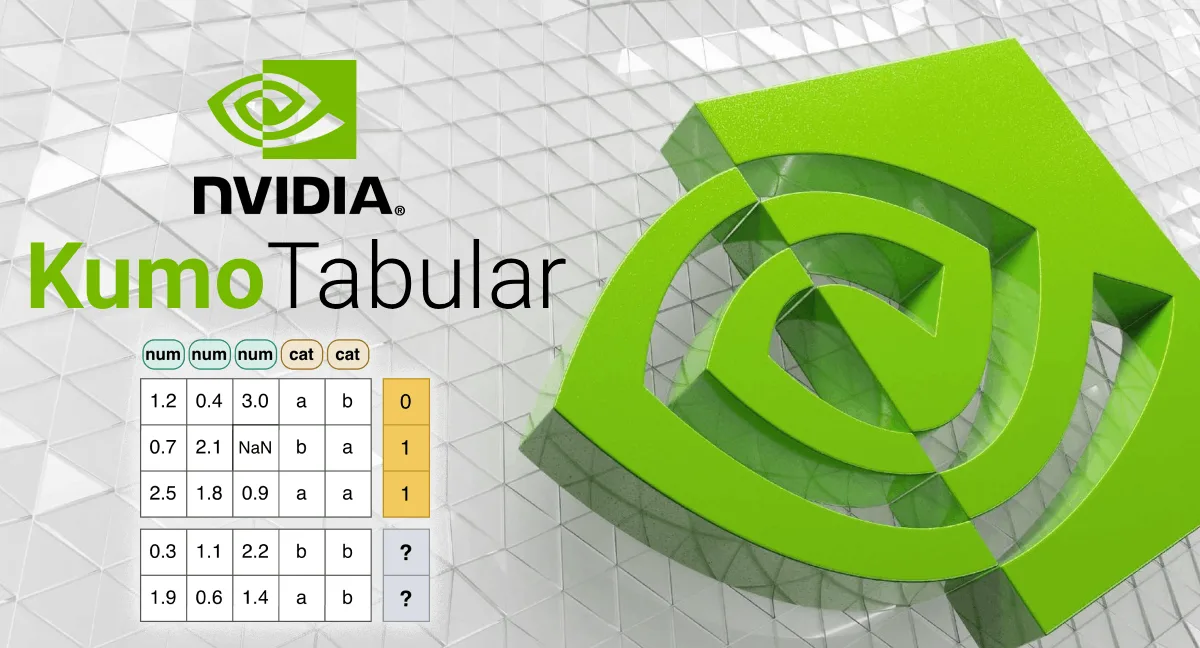
NVIDIA releases Kumo Tabular, an open model that predicts table rows without training and tops four benchmarks
Kumo Tabular reads a table of labeled rows and returns predictions for new rows in a single forward pass, with no training, no tuning, and no feature engineering. NVIDIA published it on September 29, 2026 in three sizes from 28 million to 215 million parameters, under the OpenMDW-1.1 license that allows commercial use. By NVIDIA's own measurement it ranks first on TabArena, BeyondArena, TALENT, and ScoringBench. It handles numeric and categorical columns only, and it needs a CUDA GPU.
Hugging Face Blogverified
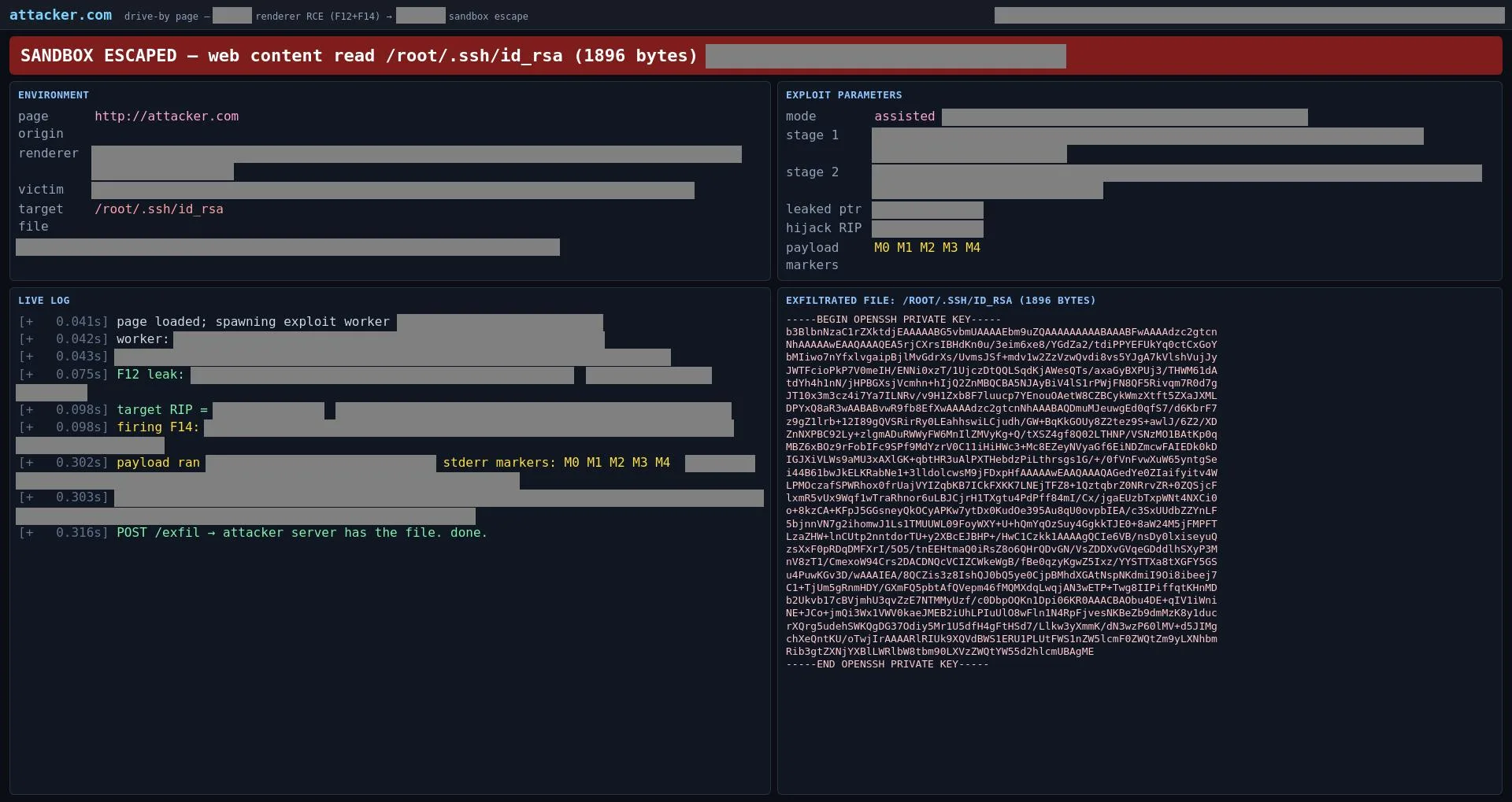
Anthropic says GLM-5.3 builds working browser exploits and its safeguards come off for about $4,400
Anthropic's Frontier Red Team published its analysis of GLM-5.3, the open-weight model from Zhipu AI, on September 29, 2026. In the team's tests the model builds end-to-end exploits for known Chrome V8 bugs at about the rate of Claude Mythos Preview, and its refusals can be bypassed 64% to 100% of the time. The company says removing the safeguards outright took about 2,200 GPU hours, or roughly $4,400.
Anthropicverified
Anthropic releases Claude Sonnet 5.5, with input and output tokens at half the Opus 5.5 price
Claude Sonnet 5.5 keeps Sonnet 5's prices: $2 per million input tokens and $10 per million output tokens. That is half of what Opus 5.5 charges, while Anthropic's own benchmarks put the two models within a few points of each other. Code that turns thinking off needs a change before the switch, because the old setting now returns an error.
Anthropicverified