Skip to content

Tags

Cost control

25 items
The words Claude Haiku 5.5 in black serif type on an off-white background, between three torn paper fragments in yellow, beige, and blue, with a thin black arc running beneath the name.
Modelsstrong signal

Claude Haiku 5.5 cuts Anthropic's small-model price by 90% for prompts under 100,000 tokens

Anthropic released Claude Haiku 5.5 on October 7, 2026. For prompts up to 100,000 tokens it costs $0.10 per million input tokens and $0.50 per million output tokens, a tenth of what Haiku 4.5 charges; above that line the prices are $0.50 and $2.50. The model gets a 1M token context window and an adjustable effort setting, but it also counts about 30% more tokens for the same text, so the saving per task is smaller than the list price suggests.

Anthropicverified
Modelsstrong signal

Free Gemini accounts drop to Flash-Lite on October 9, and AI Plus loses Pro

Google's support page lists which Gemini models each plan keeps once the October changes land. Accounts without a subscription get Flash-Lite only, AI Plus keeps Flash but loses Pro, and only AI Pro and AI Ultra keep all three. Every plan gains an effort selector, and the usage meter stays compute-based with a five-hour refresh.

Google, Gemini Apps Helpverified

LLM ROUTERSNone of 14router settings beat a random pick between two
Modelsmedium signal

A preprint finds six commercial LLM routers no better than a random pick between two models

A preprint submitted to arXiv on October 2, 2026, tested six commercial LLM routers in 14 settings. According to the authors, none of them beat a router that picks at random between Gemini 3.7 Flash and Opus 5 at the same cost, and one trailed it by 10.5 percentage points. The authors, who work at Fastino Labs, trace the gap to the way routers are evaluated and to rosters that hold too many models. The paper has not been peer reviewed.

arXiv, Fastino Labsverified

Modelsmedium signal

Microsoft's ThinkingBox shows no model passes half of 507 agent tasks 20 times in a row

Microsoft's Copilot Studio team published results from its ThinkingBox benchmark on the Hugging Face blog on October 3, 2026. The benchmark runs 507 business workflows 20 times per model and grades the database state an agent leaves behind, not its final message. Microsoft reports that Claude Opus 5.5 leads single-attempt accuracy at 67.16%, yet it passes only 241 tasks on all 20 attempts. According to the authors, roughly four in five failures come from tool handling rather than reasoning.

Microsoft, Hugging Faceverified

Agentsmedium signal

GitHub Copilot retires four models and makes Balanced its default code review effort

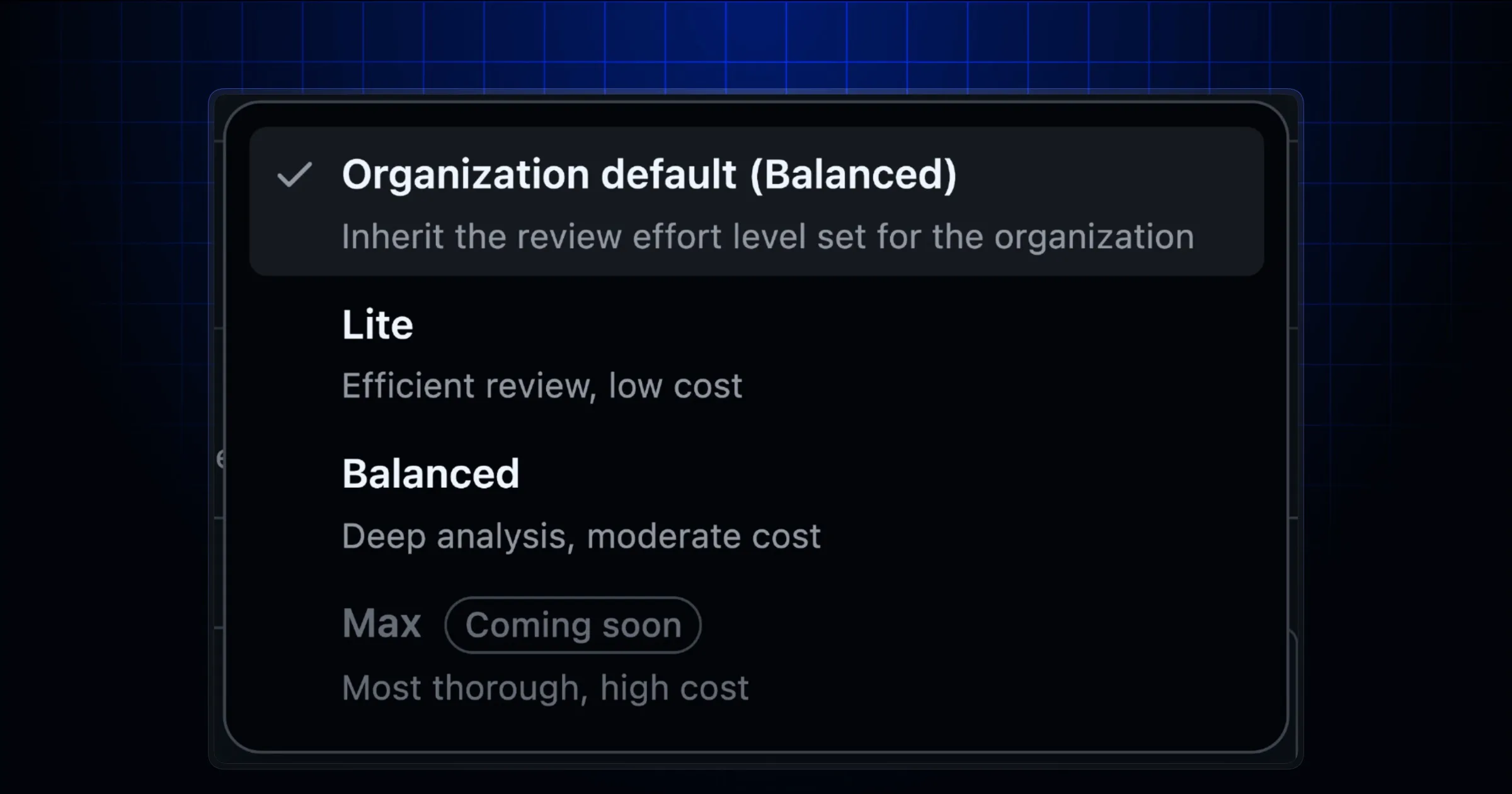
GitHub deprecated four models across all Copilot experiences on October 2, 2026: Gemini 3.5 Flash, Gemini 3.6 Flash, Kimi K2.7 Code, and Claude Opus 4.7. On the same day it made Copilot code review available through the REST and GraphQL APIs. Balanced is now the default review effort level, a change that took effect on September 28, 2026. According to GitHub's documentation, a Balanced review consumes more AI credits than a Lite one.

GitHub Changelogverified

Agentsmedium signal

AWS previews Well-Architected Agent, limited to Business+ Support plans and above

AWS announced a preview of AWS Well-Architected Agent on October 1, 2026. The service scans your AWS accounts on a schedule and returns recommendations for cost, security, resilience, and performance, ranked against business goals that you write yourself. Remediation scripts come attached, and the agent also reviews infrastructure-as-code templates on demand. Access requires an AWS Support plan at the Business+ tier or higher, and agent profiles are hosted in three US Regions.

AWSverified

Agentsmedium signal

Claude Code 2.1.286 fixes four cases of exposed credentials and tightens plugin install sources

Anthropic released Claude Code 2.1.286 on September 30, 2026. Four fixes stop credentials from appearing in MCP error messages, logs, and transcripts that were supposed to be redacted. Plugin installs now refuse npm sources that are git repositories or folders, and Remote Control sessions disconnect when an organization's policy turns the feature off. The release also corrects a spend meter that priced some cache writes at the cheaper rate, and it changes what bare mode does.

Claude Codeverified

Toolsmedium signal

Microsoft's new Copilot app puts Cowork, Code, and Autopilot on usage-based billing

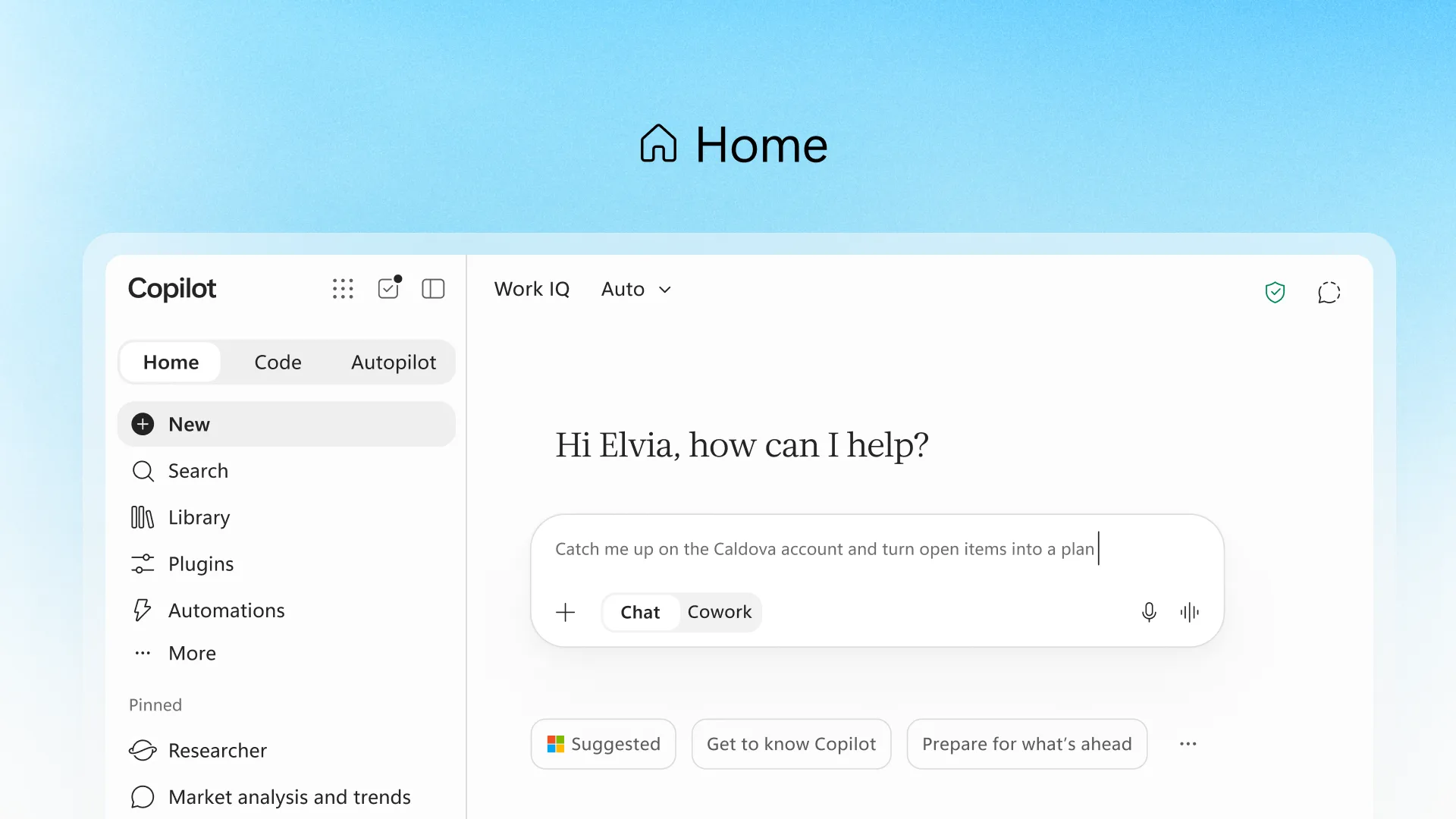
Microsoft introduced a redesigned Copilot app on September 25, 2026, with three tabs: Home, Code, and Autopilot. The per-user license still covers everyday chat and Office work. Cowork, Code, Autopilot, and frontier models such as Fable and Astra are billed by usage in Copilot Credits.

Microsoftverified

Agentsmedium signal

GitHub puts Grok 4.7 in Copilot at the same rate it charges for 4.6

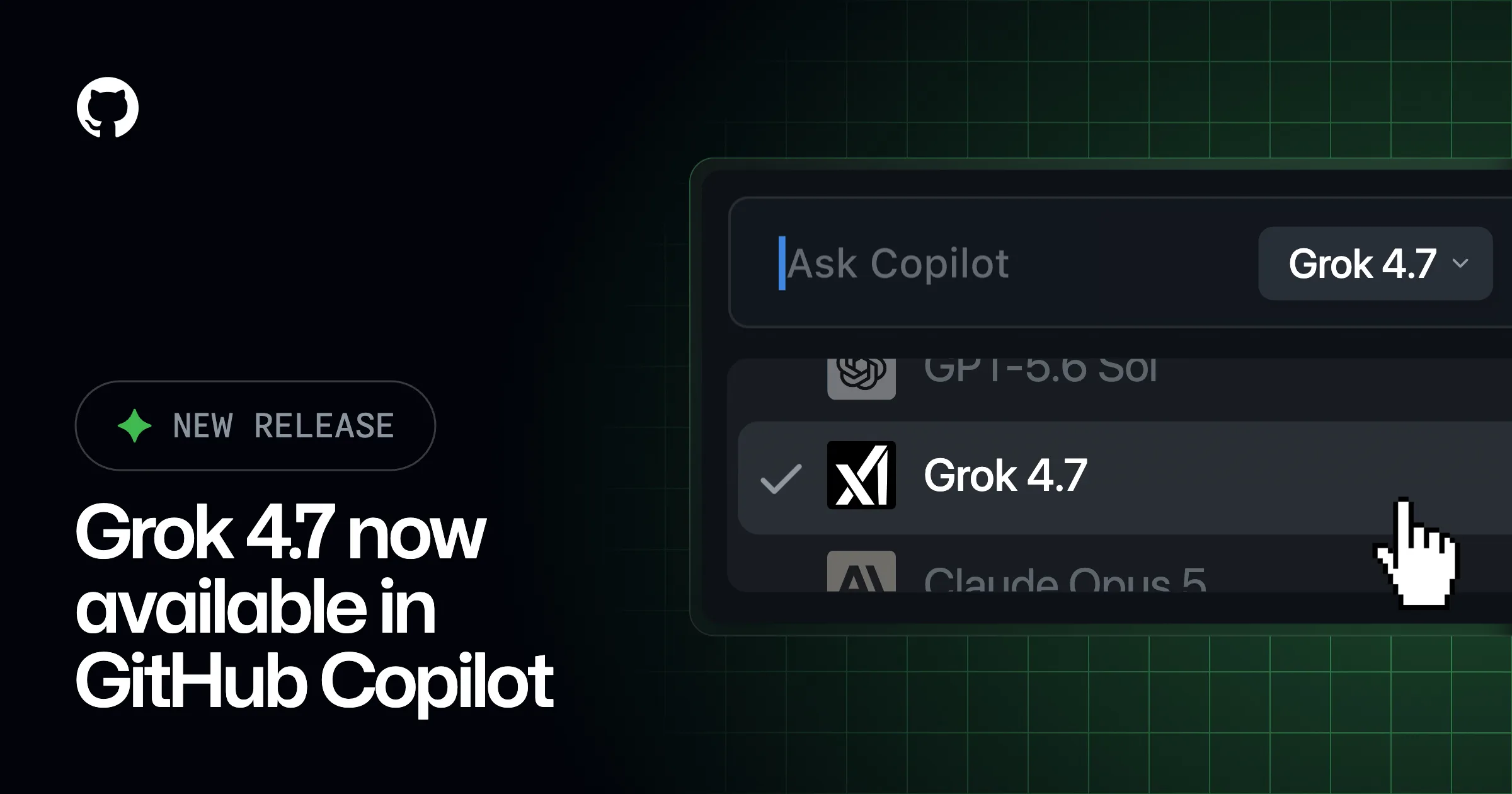
GitHub started rolling out Grok 4.7 in Copilot on September 21, 2026. The model is billed at provider list pricing under usage-based billing, and the documentation puts it at $2.00 per million input tokens and $6.00 per million output tokens below 200K of context, exactly what Grok 4.5 and 4.6 cost in the same table. It reaches Copilot Pro, Pro+, Max, Business and Enterprise, and the model picker in eight places, from Visual Studio Code to Eclipse. For a company on Business or Enterprise, a new model switches itself on unless an administrator has already turned the default off.

GitHubverified

Agentsstrong signal

Claude Code 2.1.278 moved auto mode's safety checks to the server, where they are not billed

In auto mode a classifier inspects shell commands and network requests before they run, and those checks were separate model requests charged as token usage. From this version Claude Code asks the server to perform them inside the session's own requests, and does not charge for them when the server answers. The default covers Enterprise plans, Claude API accounts, and the AWS, Bedrock, Agent Platform, and Foundry paths, subject to each platform's rollout. Where the server's checks cannot reach a session, the earlier billing returns and a one-time notice says so.

Claude Codeverified

Modelsmedium signal

Amazon Bedrock added Kimi K3, and its agent runtime now starts in about two seconds

Two Bedrock announcements landed on September 18, 2026. Kimi K3, which Moonshot AI describes as the first open model with 2.8 trillion parameters, is generally available, and it is the first open-weight model on Bedrock that supports explicit prompt caching. The runtime agents run inside was replaced at the same time: AWS measured a P75 cold start of 1.9 to 2.0 seconds for container images from 200 MB to 2 GB, against 5.4 to 30 seconds on the previous version. Memory is now released during a session instead of being held at the peak.

Amazon Web Servicesverified

Agentsmedium signal

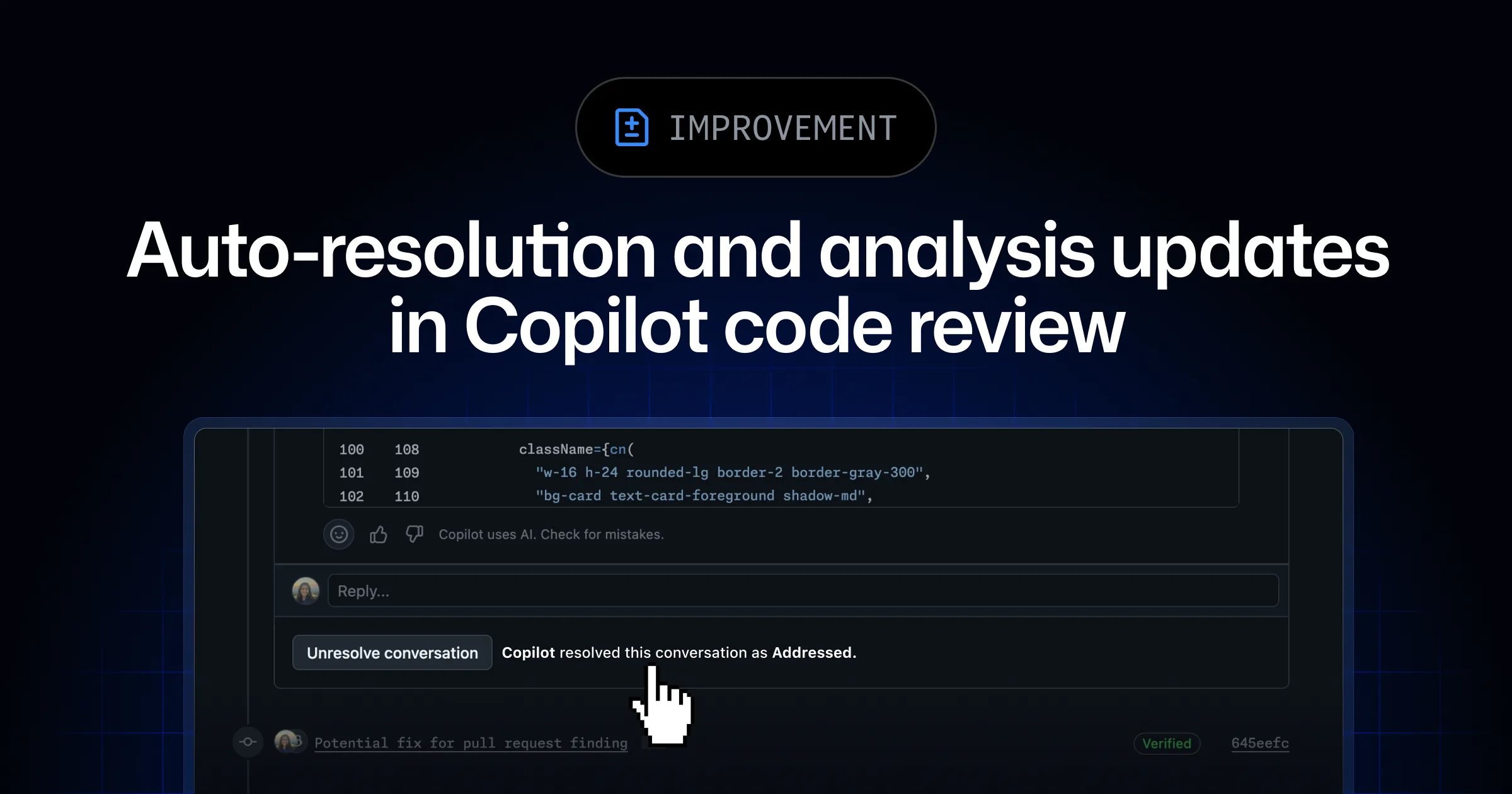
Copilot code review resolves its own comments, and Lite reviews now run an ensemble

GitHub shipped the change on September 11, 2026. When a later commit addresses a review comment, Copilot now resolves that comment during its rereview, and feedback that still needs work stays open. The review agent also picked up the full set of shell tools from the Copilot SDK, so it can run builds, tests and targeted scripts against the code it is reading. The Lite effort level now runs an ensemble of agents instead of one, which GitHub measured at 47% more addressed high severity comments per review for about 8% less cost.

GitHub Changelog: Copilotverified

Agentsmedium signal

OpenClaw 2026.9.4 can undo a failed update, and its ready cloud workers bill until deleted

OpenClaw published version 2026.9.4 on September 11, 2026. A failed update can now restore the previous package, but only where schema and configuration checks show the rollback is safe, and database migrations still require a verified backup taken before the upgrade. The same release adds prepared cloud workers that keep costing provider money until they are deleted, with a default reserve of one per project or profile and a ceiling of four across the Gateway. Plugins move into a single workspace, and a host can now lock configuration through an environment variable.

OpenClawverified

Connectorsmedium signal

The AWS MCP Server can now diagnose a Lambda function and the seven services around it

AWS published the serverless diagnostic capability on September 4, 2026. A coding agent connected to the AWS MCP Server can inspect a Lambda function together with its connected resources across seven services, compare error signals against a 7-day baseline, read deployment configuration, and analyze latency. It costs nothing extra. The server itself runs in only two regions, even though it reaches services in every commercial region.

AWSverified

Modelsmedium signal

ChatGPT, Claude, Grok, and Gemini all had trouble inside the same two hours on September 3

On September 3, 2026, Anthropic logged elevated errors across Claude Mythos 5.1, Claude Fable 5.1, and Claude Opus 5, OpenAI logged elevated errors across ChatGPT and Codex, Grok showed users an error message, and third-party monitors recorded a likely Gemini API interruption. Four independent providers, one morning. No status page names a shared cause, and Amazon Web Services, Microsoft Azure, and Cloudflare reported nothing major. For anyone whose product calls more than one of these, this is the failure mode that a second provider does not fix.

Ars Technicaverified

Agentsmedium signal

GitHub retires four Copilot models on October 2 and starts charging for seats up front on October 1

Three GitHub changelog entries landed on September 3, 2026, and together they change which models you can pick, what a new seat costs before anyone types anything, and whether you can sign up at all. Gemini 3.5 Flash, Gemini 3.6 Flash, Kimi K2.7 Code, and Claude Opus 4.7 go away on October 2, 2026, across every Copilot surface. Gemini 3.8 Flash arrives in its place on Pro, Pro+, Max, Business, and Enterprise. Signups for Business and Enterprise reopen for card and PayPal customers, but every assigned seat is now billed before the person using it gets access.

GitHubverified

Agentsmedium signal

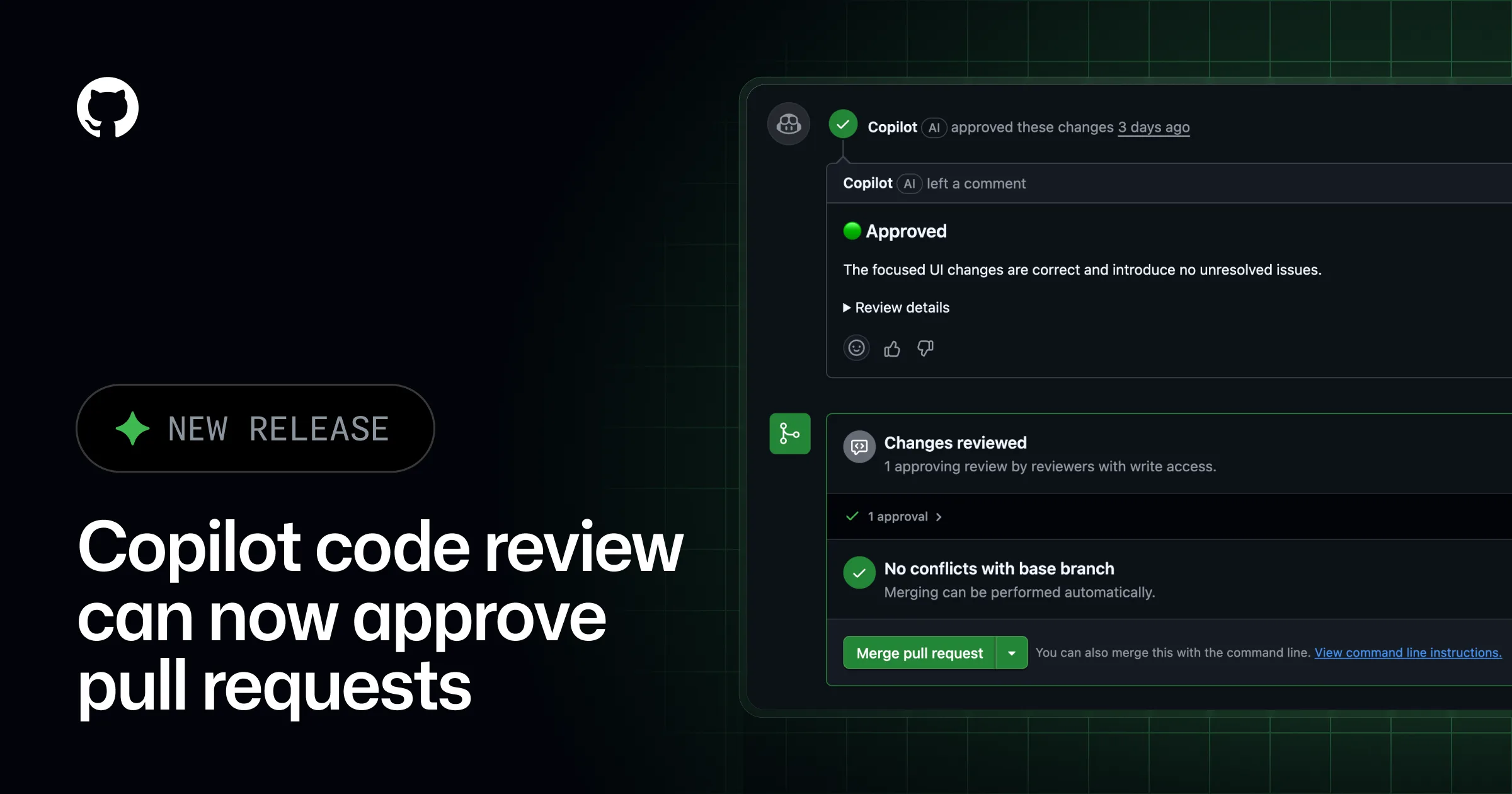
Copilot can now approve a pull request, if an administrator lets it

GitHub added an approval assessment to every Copilot code review, and a separate setting that lets Copilot submit a real approval. That approval counts toward a repository's required-approvals rule, which means a machine can satisfy a gate that used to need a person. It is off by default and configurable at three levels, down to which file paths Copilot may sign off on. A second changelog entry the same day gives individual user budgets an expiry date.

GitHubverified

Modelsstrong signal

Google gave Gemini a video tool that picks what to watch, and reports up to 88% fewer tokens

Agentic video understanding lets the model decide which segments of a video to open, at what frame rate, and whether to use frames, audio, or the transcript. Google launched it on September 1, 2026 for Gemini 3.7 Flash, Gemini 3.6 Flash, and Gemini 3.5 Flash-Lite, through the Gemini API in Google AI Studio and the Gemini Enterprise Agent Platform. The company reports up to 88% lower token consumption, up to 66% lower cost, and up to 7% better accuracy on standard video analysis benchmarks. The price list does not move: standard token rates apply and there is no separate fee.

Googleverified

Agentsmedium signal

Copilot in Visual Studio gets org-wide agents and a thinking-effort dial

GitHub's August update for Copilot in Visual Studio 2026 lets organization and enterprise owners publish custom agents that every repository in the organization can use. Supported models now expose Low, Medium and High thinking effort, so reasoning depth becomes a choice rather than a default. The Git agent will review uncommitted changes before you open a pull request, on GitHub and Azure DevOps alike. All of it lands on every Copilot plan, including the free one.

GitHubverified

Agentsmedium signal

A proxy that stripped one header was doubling Claude Code's API bill

Version 2.1.239 fixes streaming on Bedrock behind proxies that remove the response Content-Type header. Claude Code silently fell back to re-running every turn without streaming, and each turn was billed twice. The same release makes cost estimates show the 1.1× premium that data-residency workspaces pay.

Anthropicverified

Modelsstrong signal

GPT-5.6 Sol drops to $4 and $20, and overtakes Claude Opus 5 on cost

OpenAI cut Sol's API price on August 21: input from $5 to $4, output from $30 to $20, cached input from $0.50 to $0.40. On a standard task the model goes from more expensive than Claude Opus 5 to cheaper than it. The cut is promotional and runs at least through November 21.

OpenAIverified

Modelsstrong signal

Best cheap models for high-volume work, priced per thousand calls

Six models, one task, one number: what a thousand calls cost when each sends 4,000 tokens in and gets 800 back. The cheapest row is $1.76 and the most expensive is $16.00, a nine-fold spread rather than the hundred-fold spread the category implies. Two things move the ranking more than the headline price does, and one of them has a date on it.

Anthropic, Google, OpenAIverified

Agentsstrong signal

Claude Code vs Cursor: same $20, different shape

Both start at $20 a month, both speak MCP, both run skills and hooks, both reach CI. The difference is not the feature list. It is whether the agent lives inside an editor you adopt or inside the terminal you already have.

Anthropic, Cursorverified

Modelsstrong signal

Claude Opus 5 vs GPT-5.6 Sol: which is cheaper depends on a threshold OpenAI does not publish

Sol's price cut on August 21 put it below Opus 5 on both short-context columns — $4 against $5 on input, $20 against $25 on output. Its long-context column went the other way and still costs more. Opus 5's price sits between Sol's two columns, so the cheaper model depends on which column your request lands in, and OpenAI does not say where the boundary is.

Anthropic, OpenAIverified

Modelsstrong signal

Cut your model bill by 89% without changing what you ship

Four levers, all published, none of them clever: cache the fixed part of your prompt, batch what can wait, drop a tier where the task allows it, and stop paying multipliers you did not ask for. Worked all the way through on one real workload.

Anthropic, OpenAIverified