OpenAI will test visual ads in ChatGPT during image generation, starting in the US
OpenAI announced a visual ad format for ChatGPT on October 5, 2026. The first test shows image-based ads while ChatGPT generates an image, and it starts later in October in the US with an initial group of advertisers. OpenAI says the ads are clearly labeled, stay separate from the image being created, and do not influence ChatGPT's answers. For advertisers, the same announcement adds conversion tracking through measurement tools they already use.
Source
Building advertising for the way people use AIOpenAI News · Original published October 5, 2026
The announcement has two parts. The first changes what some ChatGPT users see while an image is being generated. The second expands what a business that advertises in ChatGPT can measure, and it is available now through a list of named partners.
What the new format is
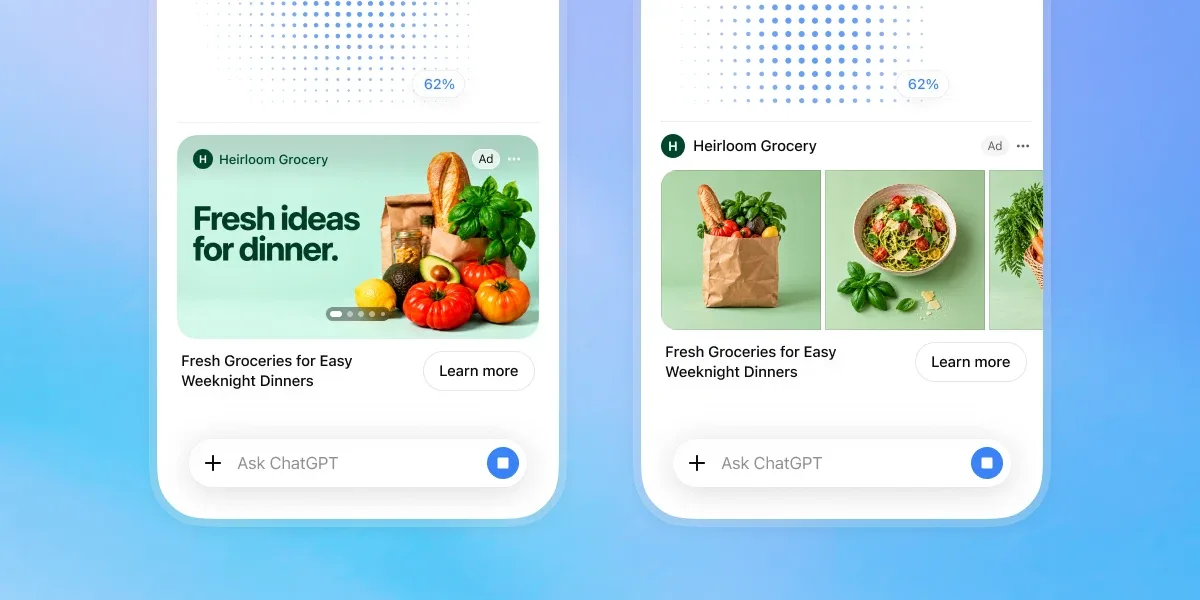
OpenAI describes the format as images that show a product, its use, or the experience it makes possible. The company says it will first test the format during image generation in ChatGPT, with ads that are clearly labeled and separate from the image being created. Testing begins later in October 2026 in the US with an initial group of advertisers.
Existing ChatGPT ads appear below the end of a response, according to OpenAI's help page, which was last updated before this announcement. That page says ads may appear for people on the Free and Go plans. Plus, Pro, Business, Enterprise, and Edu accounts do not get ads, and neither do accounts that OpenAI identifies as belonging to people under 18.
The announcement does not say whether the new format follows the same plan limits. The help page also describes an Ads-Free option on the Free plan, which removes ads in exchange for lower usage limits and no access to some tools, image generation among them.
What advertisers can measure now
OpenAI's pixel and Conversions API (CAPI) record actions on an advertiser's site or in its app, such as purchases, leads, installs, and sign-ups. Integrations with Hightouch, Tealium, and LiveRamp send that conversion data from systems the advertiser already runs.
For attribution, OpenAI names AppsFlyer, Triple Whale, Adjust, DV Rockerbox, Northbeam, Branch, Singular, Kochava, Airbridge, and Tenjin. It lists Fospha, Measured, and INCRMNTAL for full-funnel measurement. Incrementality measurement, which estimates the sales that would not have happened without the ads, is at an early stage, the company says. OpenAI is working on it with Haus, Measured, and WorkMagic through geo-based experiments.
In reports, an advertiser can choose a click-through attribution window and add a view-through window of one day. The second window counts a conversion that follows an ad impression without a click. OpenAI says these settings change reporting only, not how campaigns optimize.
The numbers OpenAI cites
OpenAI says ChatGPT reaches 1.2 billion people each week. It also publishes early results from single advertisers, each measured by one of the partners it names. According to DV Rockerbox, WeightWatchers' attributed cost per acquisition was 15.3% below its blended paid search benchmark. Triple Whale reported that 93% of Portland Leather's visitors from ChatGPT Ads were new.
From its own early analysis of campaigns optimized for deeper-funnel outcomes, OpenAI reports a figure for view-through conversions inside the window of one day. It says 52.7% of them happened within one hour of the ad impression. OpenAI and its partners selected these results, and the posts do not describe the methods behind them.
Where ads may not appear
OpenAI says its placement guardrails assess whether a conversation is appropriate for advertising and keep ads out of emotionally vulnerable or sensitive contexts. Qualifying advertisers can now also set Negative Phrases, for placement limits that come from their own brand rules.
OpenAI is also developing brand suitability pilots with DoubleVerify and Integral Ad Science. According to the company, those partners will assess how its standards are applied in a controlled test environment, without access to private conversations. The help page states that advertisers receive only aggregated performance data, such as total views and clicks, and never see chats, chat history, or memories.
„Ads will be clearly labeled, and remain separate from the image being created.“
Sources
Related
An open source tool turns off Apple Intelligence on macOS 27 and deletes its models
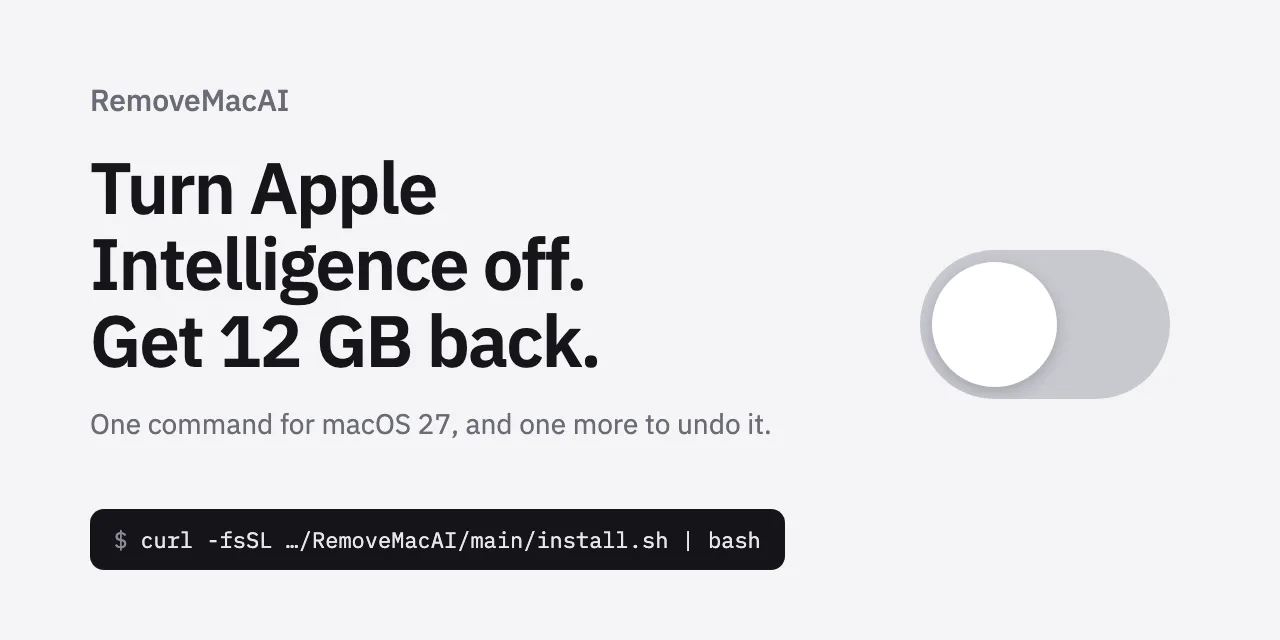
RemoveMacAI is an open source command line tool that turns off Apple Intelligence on macOS 27, removes the downloaded models, and blocks macOS from downloading them again. Its author says macOS 27 no longer has a single switch for these features and keeps the models on disk after they are turned off. MacRumors puts the space freed at roughly 12 GB, depending on which models are installed. The first release came out on September 29, 2026, and four more followed by October 5, 2026.
RemoveMacAIverified
Suno opens its Speech beta to everyone, generating a voice and background music as one track
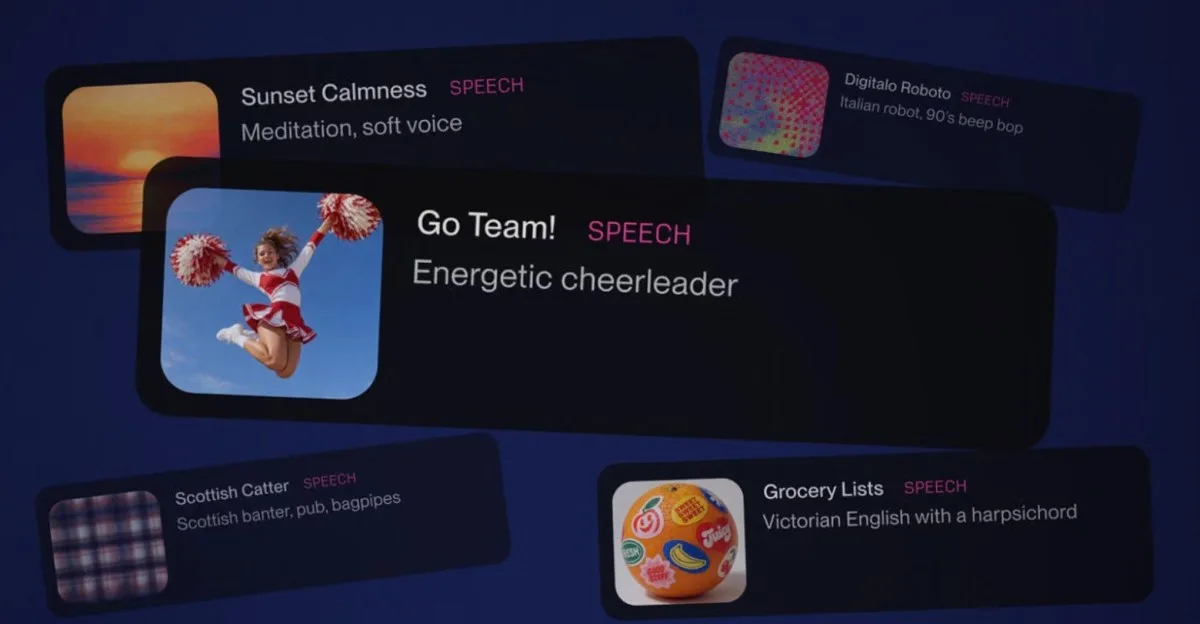
Suno opened the beta of Speech to all users on October 1, 2026. The feature turns a typed idea, poem, or script into spoken audio set to original background music, with the voice and the musical style described in the prompt. Suno calls it the first audio model that generates voice and music together as one track. The announcement gives no price in credits, no length limit, and no list of supported languages.
Sunoverified
Google launches Guided Vision in Gemini Live, a spoken camera guide for blind users
Google launched Guided Vision in Gemini Live on October 1, 2026. You share your phone camera, and Gemini describes what it sees, answers follow-up questions, and tells you how to move the camera when the subject is out of frame. The feature works on Android 9 and above, in the regions and languages where Gemini Live is supported. Google says it is not a mobility aid and is not intended for navigation or obstacle detection.
Googleverified