Skip to content

Tags

MCP

23 items
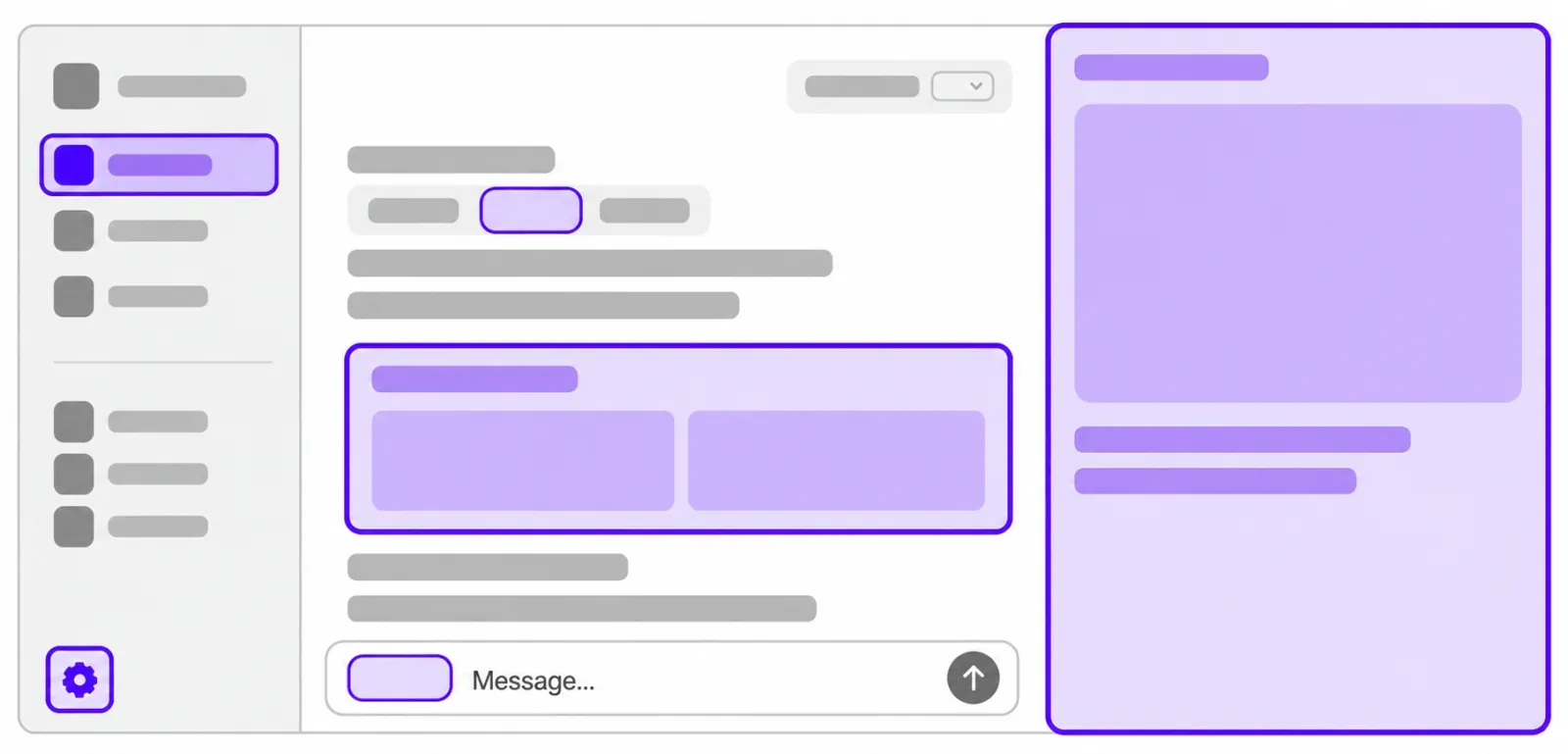
The OpenClaw web interface with a conversation on the left and the Bits & Bolts reference MCP app open beside it, showing a 3D keycap model and an Attach view + note button.
Agentsmedium signal

OpenClaw 2026.10.1 lets agents search installed skills and changes how sessions message each other

OpenClaw released version 2026.10.1 on October 10, 2026, its first stable release since 2026.9.7. Agents can now search the skills installed on a machine and read only the one a task needs, instead of carrying the whole library in the prompt. Opt-in MCP Apps run beside chat, and full backups can go to an external drive or Cloudflare R2. Three changes can break existing setups: session-to-session messaging, the old required argument, and Workboard data stored before July 2026.

OpenClawverified

CLAUDE CODE2.1.291fixes a session-loss regression from 2.1.288
Agentsmedium signal

Claude Code 2.1.291 fixes a four-day-old bug that could lose the last messages of a session

Version 2.1.291, out on October 6, 2026, closes a regression that shipped in 2.1.288 on October 2, 2026 and could drop the last messages of a session when you quit. It also fixes a regression from 2.1.290, released on October 5, 2026, in cloud sessions. The day before, 2.1.290 had tightened several permission checks, including rules that were skipped after a hook rewrote a tool call. If you are on any version from 2.1.288 to 2.1.290, update.

Claude Code Releases (GitHub)verified

AI Chatbot Assistants on Glass Blocks, Artificial Intelligence Technology Concept. Digitally generated image. 3d render.
Connectorsstrong signal

The same SSRF bug turned up in MCP servers at Google, JPMorgan, and two governments

An independent researcher reported one class of server-side request forgery to five organizations that share no code, and all five confirmed and fixed it. Google's MCP Toolbox for Databases carried a high-severity CVE until version 1.5.0. Five US federal servers are still open. If you run an MCP server with any tool that fetches a web address, the four checks at the end apply to you.

Ars Technicaverified

Agentsmedium signal

Claude Code 2.1.287 adds Mods and makes a 1M context window the default on cloud platforms

Anthropic released Claude Code 2.1.287 on October 1, 2026. The release adds Claude Mods, which let plugins modify deeper behavior, and a built-in mod in which a side agent flags things you might miss. Opus 4.7 and later and Fable now use a 1M context window by default on Bedrock, Vertex, Foundry, and the Claude apps gateway. Some MCP servers may stop connecting until you add one line to their configuration, and several shell writes that used to run now wait for approval.

Claude Codeverified

Agentsmedium signal

Claude Code 2.1.286 fixes four cases of exposed credentials and tightens plugin install sources

Anthropic released Claude Code 2.1.286 on September 30, 2026. Four fixes stop credentials from appearing in MCP error messages, logs, and transcripts that were supposed to be redacted. Plugin installs now refuse npm sources that are git repositories or folders, and Remote Control sessions disconnect when an organization's policy turns the feature off. The release also corrects a spend meter that priced some cache writes at the cheaper rate, and it changes what bare mode does.

Claude Codeverified

Toolsstrong signal

Next.js 16.3.8 and 15.5.27 fix seven vulnerabilities, led by an SSRF in image optimization

Next.js published its September security release on September 30, 2026. Versions 16.3.8 and 15.5.27 close one high, five medium, and one low severity vulnerability, from server-side request forgery in image optimization to cache poisoning on self-hosted sites. Two more fixes, one critical and one high, are held for a later release while an upstream dependency catches up. If you self-host, most of the list applies to you.

Next.js Blogverified

Agentsmedium signal

Claude Code 2.1.285 lets admins restrict API providers and fixes a token login that skipped org policy

Anthropic released Claude Code 2.1.285 on September 29, 2026. A new managed setting, allowedProviders, limits which API providers a machine may use. Two fixes matter for teams: sessions that authenticate with an auth token never loaded the organization's policy, and redacted logs could show a URL password. The release also adds a switch that turns off WebFetch and a command that opens the desktop app.

Claude Codeverified

Connectorsstrong signal

ChatGPT plugins can now run as sidebar apps and react to events from connected tools

OpenAI opened the interface layer it uses for its own ChatGPT features to outside developers. A plugin can now claim a place in the sidebar, open a panel beside a conversation, and act as the viewer for its own file types. A separate MCP Events integration lets a plugin start an automation when something happens in a connected app, which requires MCP 2.0 and webhook delivery. Sign in with ChatGPT lets a Plus or Pro allowance be spent in 16 partner tools.

OpenAIverified

Connectorsmedium signal

Anthropic opens a portal for submitting plugins to the Claude directory

Anthropic opened a submission portal for the Claude directory on September 25, 2026. Developers on paid Claude plans can submit a single MCP connector or a plugin bundle, follow its review, and see usage data once it is live. Existing listings need no changes.

Claude Blogverified

Agentsmedium signal

GitHub's Copilot metrics now report which skills, MCP servers and slash commands get used

Two changelog entries on September 17, 2026 extend Copilot reporting from how much is used to what is used. The usage metrics API now returns the most-used skills, custom agents, MCP servers, slash commands and plugins, with an interaction count for each. The impact dashboard separately reports how many people used each Copilot feature on at least two days in a 28-day window. Both are for administrators, and both come with counting rules that will mislead anyone who skips them.

GitHubverified

Connectorsmedium signal

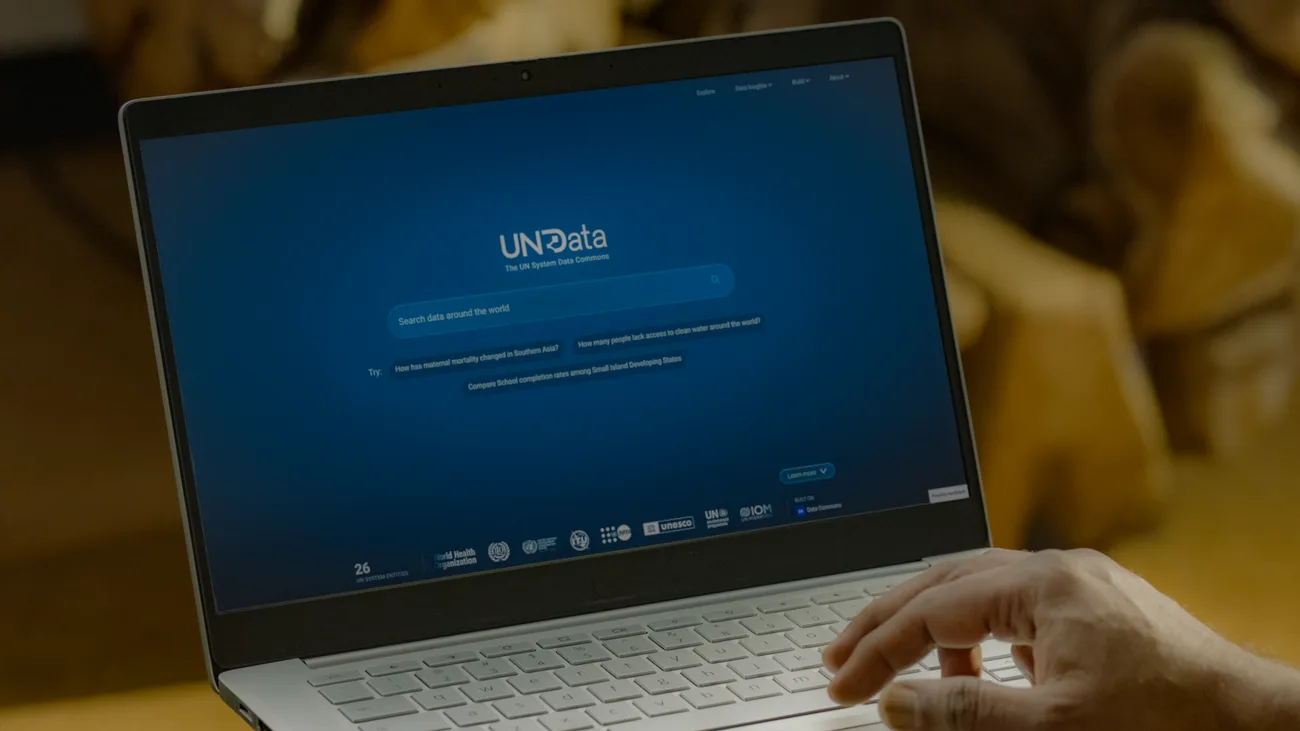
UN statistics now sit behind an MCP connection an agent can query itself

The UN system has opened the UN System Data Commons, a single knowledge graph built from statistics that used to live in separate agency silos. It is searchable in plain language at data.un.org, and it speaks the Model Context Protocol, so an agent can fetch a figure without a person opening a spreadsheet. Google states that every dataset was validated with UN statisticians. The stated goal is 80% of the system's statistical datasets by 2027.

Googleverified

Webstrong signal

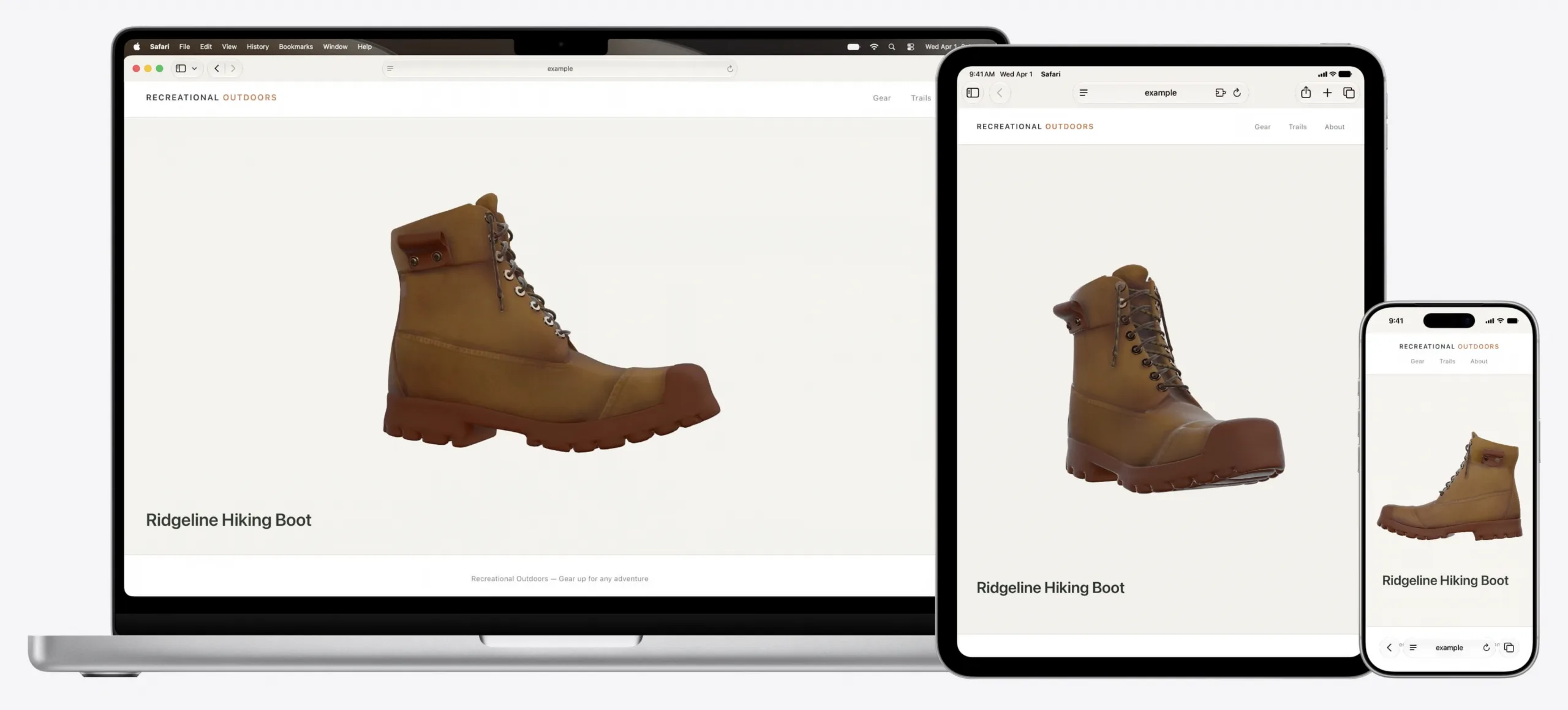
Safari 27.0 ships an MCP server, so a coding agent can drive the browser itself

WebKit published the feature list on September 17, 2026, and it is the longest the team has written: 83 features, up from 58 at the first beta in June, and 844 quality fixes against the 525 announced at WWDC. The headline for anyone who builds with a coding agent is the Safari MCP server, which hands the agent the DOM, network requests, screenshots and console output from a real Safari window. Customizable Select turns the real select element into something you can fully restyle, and scroll anchoring stops the page from jumping when content loads in above what you are reading.

WebKit Blogverified

Connectorsmedium signal

The AWS MCP Server can now diagnose a Lambda function and the seven services around it

AWS published the serverless diagnostic capability on September 4, 2026. A coding agent connected to the AWS MCP Server can inspect a Lambda function together with its connected resources across seven services, compare error signals against a 7-day baseline, read deployment configuration, and analyze latency. It costs nothing extra. The server itself runs in only two regions, even though it reaches services in every commercial region.

AWSverified

Toolsmedium signal

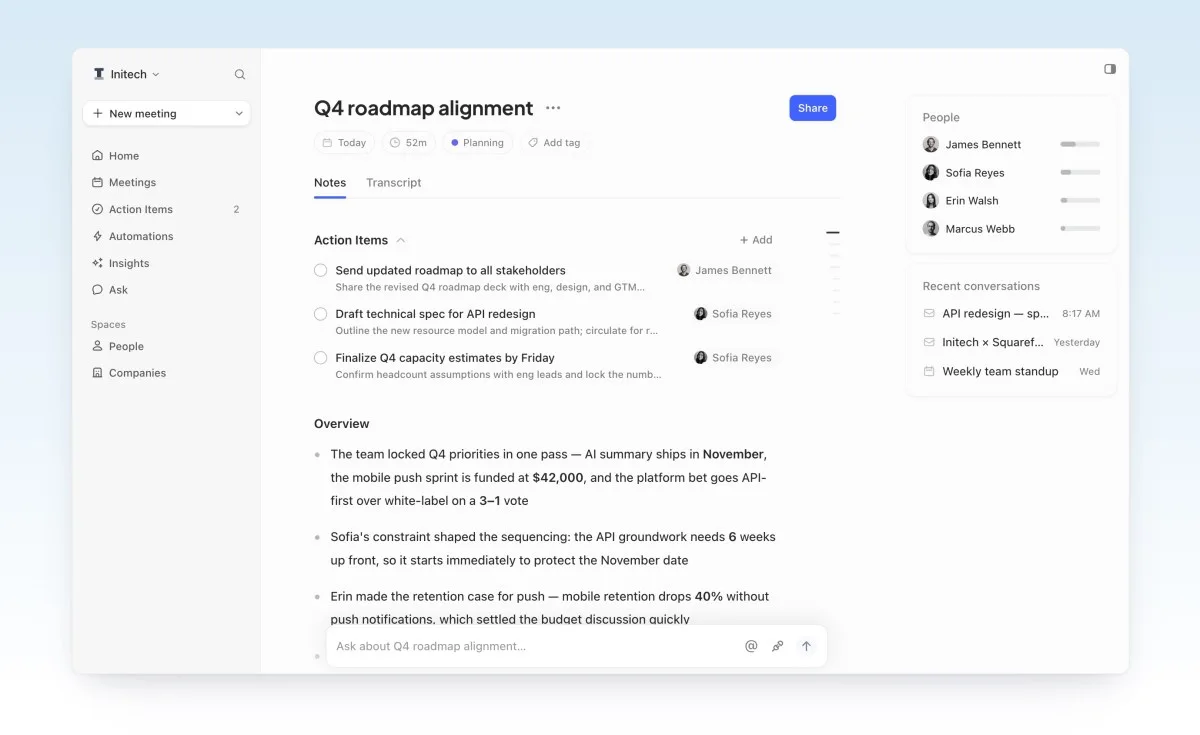
Circleback now has a free plan, and full API and MCP access starts at 15 dollars

The meeting note-taker replaced its lineup with four tiers: Free, Pro, Business and Enterprise. The free one records and transcribes without a cap on the number of meetings and keeps 30 days of history, and the release note says it is a plan rather than a trial. What it withholds is full access to the API, the Model Context Protocol server and the command-line tool. Those begin at $15 per user per month, which is where the line now runs for anyone feeding transcripts into an agent.

Circlebackverified

Connectorsmedium signal

AWS Agent Registry is generally available and answers as an MCP server

AWS took Agent Registry out of preview on August 31, 2026. It is a private catalog of the agents, tools, skills, MCP servers, and custom resources an organization already runs, with search, approval, and audit trails on top. General availability adds provisioning as code, cross-account sharing, and automatic detection of agents running on AgentCore. The registry is also exposed as an MCP server, so an assistant in an editor can query it during a task.

AWSverified

Agentsmedium signal

Gemini CLI stops loading repository MCP servers in an untrusted workspace

A fix merged into Gemini CLI on August 28, 2026 changes the order in which workspace trust is decided, and it shipped the next day in the nightly build v0.59.0-nightly.20260829. Environment signals such as GEMINI_RESTRICTED_MODE are now read before local options, and an untrusted signal ends the check immediately. In the A2A server, MCP server definitions that come from the repository are dropped when the workspace is not trusted. The stated purpose is to keep the server from starting processes it should not start.

Gemini CLIverified

Agentsmedium signal

Copilot's CLI moved to a Rust runtime and kept its TypeScript terminal

GitHub's weekly Copilot roundup for August 28 carries one change that is structural rather than cosmetic: the command-line agent now runs on a native Rust runtime, while the terminal interface it draws stays in TypeScript. Around it sit smaller changes that all point the same way, toward deciding once how the agent behaves instead of deciding again every session. GitHub reports the speedup but publishes no figure for it.

GitHubverified

Agentsstrong signal

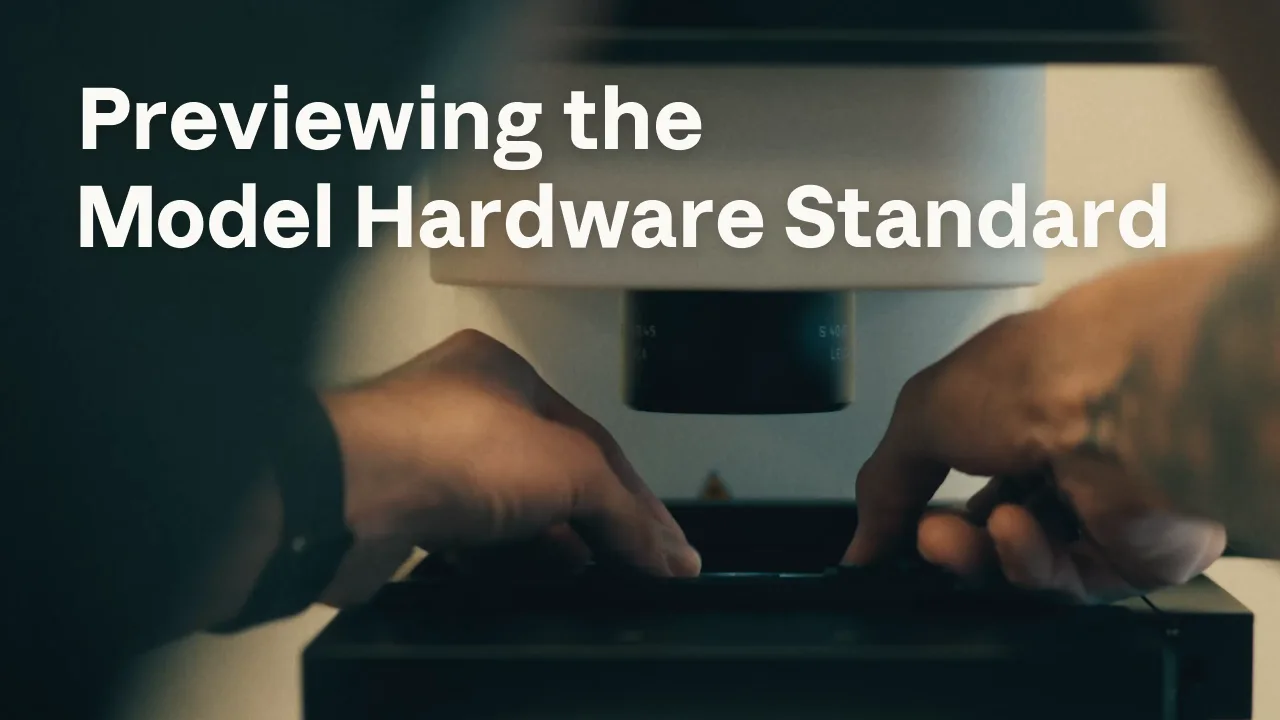
Anthropic previews a standard that lets agents drive laboratory hardware

The Model Hardware Standard gives an agent one driver format for microscopes, liquid handlers and robotic arms, cutting integration work that used to take weeks down to hours or minutes. It is model-agnostic and reachable over the Model Context Protocol, but for now it is open only to selected labs and manufacturers, by application.

Anthropicverified

Agentsweak signal

Claude Code 2.1.238 stops memory growth in long sessions

The August 20 release fixes what got in the way during long stretches of work rather than adding features. Tool results returned by subagents are now freed as soon as they leave the recent-view window, so memory in long interactive sessions stops growing without a ceiling. The release also fixes custom output styles sliding back to the default tone mid-session, along with a run of stalls in Remote Control. A new keybindingFlavor setting restores Bash behavior, where Ctrl+W deletes back to the previous space, and claude mcp list no longer starts disabled servers just to check their status.

Anthropicverified

Agentsmedium signal

The claim that MCP reached a release candidate is not confirmed by the primary source

This item was built on secondhand reports from August. Checking the specification shows that Model Context Protocol has no release candidate stage at all: versions carry dates, revisions are marked draft, current or final, and the current one is 2026-07-28. What holds is the rest of it, that MCP is the layer everything an agent touches passes through and gets approved by.

agregatori vijestiverified