The claim that MCP reached a release candidate is not confirmed by the primary source
This item was built on secondhand reports from August. Checking the specification shows that Model Context Protocol has no release candidate stage at all: versions carry dates, revisions are marked draft, current or final, and the current one is 2026-07-28. What holds is the rest of it, that MCP is the layer everything an agent touches passes through and gets approved by.
Source
Connect Claude Code to tools via MCPClaude Code official documentation · Original published August 1, 2026
Model Context Protocol is the open standard through which agents connect to business systems. On August 1 this page reported, on secondhand accounts, that the standard had reached a major release candidate. Checking the specification does not confirm that claim, so it is withdrawn here.
How MCP is actually versioned
The specification uses dated version labels, in the form year-month-day, and they record when backwards-incompatible changes were last made. The version is not raised while the changes stay backwards compatible.
Revisions are marked draft, current or final. A draft is not ready for use, the current one is in use and can still take compatible changes, and a final one is closed. There is no release candidate stage in that scheme, and the current version of the protocol is 2026-07-28.
What still holds
When an agent needs to read from an issue tracker, write to a database, or call an internal service, something has to admit and approve every one of those calls. MCP is that layer, and it is increasingly treated as a security boundary rather than a convenient way to connect tools.
For the contents and the label of any given version, the official specification is the authority, not reports on a news site.
Sources
Corrections
An earlier version said, on secondhand reports, that Model Context Protocol had entered a major release candidate stage. Checking the specification does not confirm that: MCP is versioned by date, its revisions are marked draft, current or final, and there is no release candidate stage in that scheme. The current version of the protocol is 2026-07-28. The claim is withdrawn and the text is reduced to what the source confirms.
Once a week, in your inbox
The whole week's news, gathered into one email. No ads, no passing your address on, one-click unsubscribe.
The address is used only for this roundup. It is not sold and not passed to anyone.
Related
GitHub will bill organizations for Copilot code review by default starting December 30
GitHub said on November 25, 2026, that Copilot code review for licensed members will be billed to the organization that owns the repository whenever no billing choice has been saved. The change applies to Copilot Business and Copilot Enterprise. Administrators who want to keep the current arrangement have to select Member before December 30, 2026.
GitHub Changelogverified
OpenClaw 2026.11.10 turns on Deep Research by default and lets users take over the agent's browser
OpenClaw's new release includes Deep Research, which looks through several sources and returns a report with quotes and gaps marked. It is on by default and uses the models the user has already set up. A second addition lets a user take over a browser tab during a sign-in, although the agent can still capture the page. The optional Knowledge plugin stores memory in local Markdown files.
OpenClawverified
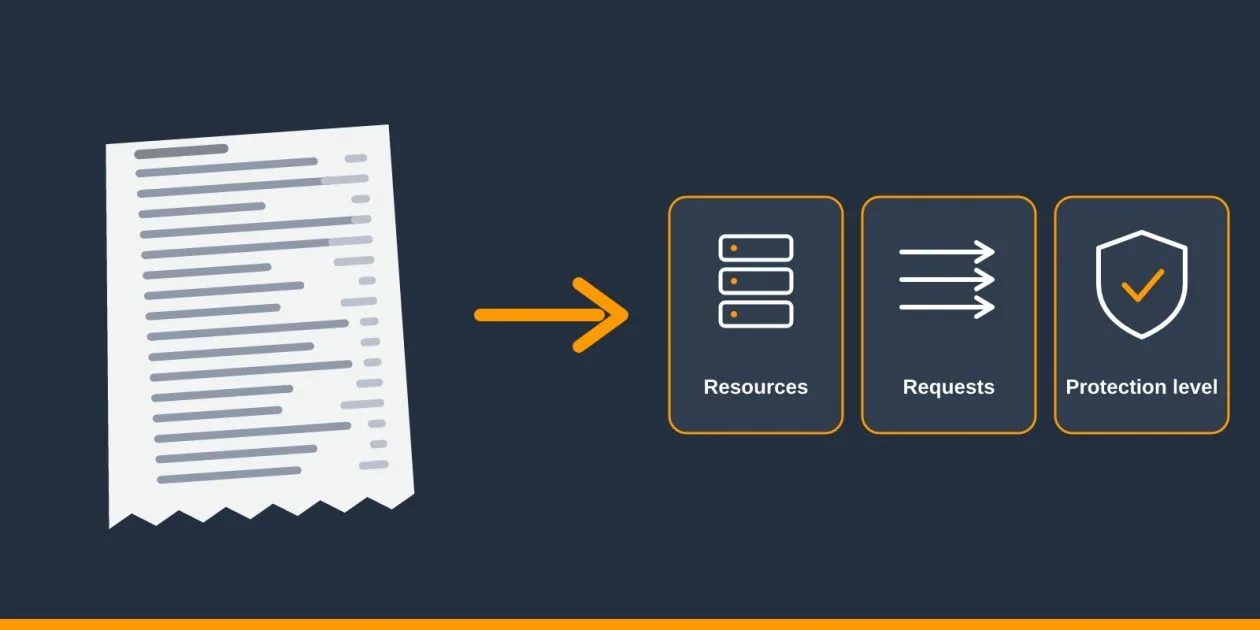
AWS WAF will bill each protected resource from February 2027 and drop its fees for rules
Amazon is changing how it charges for AWS WAF, the firewall that filters traffic to web applications. Rules and rule sets become free, while every protected resource gets an hourly fee. Sites with many rules on a few resources stand to pay less, and companies that cover many resources with one rule set can pay several times more.
AWSverified