Gemini CLI stops loading repository MCP servers in an untrusted workspace
A fix merged into Gemini CLI on August 28, 2026 changes the order in which workspace trust is decided, and it shipped the next day in the nightly build v0.59.0-nightly.20260829. Environment signals such as GEMINI_RESTRICTED_MODE are now read before local options, and an untrusted signal ends the check immediately. In the A2A server, MCP server definitions that come from the repository are dropped when the workspace is not trusted. The stated purpose is to keep the server from starting processes it should not start.
Source
fix(core): enforce fail-closed workspace trust and filter mcpServers in restricted mode (#29099)Gemini CLI Releases · Original published August 29, 2026
Trust in an agent tool is not a label on a folder. It decides which files are read, which tools are exposed, and which processes get spawned. This fix moves that decision earlier and makes its failure mode a refusal rather than a fallback.
What changed in the trust check
In the core trust utility, the check now evaluates GEMINI_RESTRICTED_MODE, GEMINI_FOLDER_TRUST and GEMINI_CLI_TRUST_WORKSPACE before it looks at the local option that enables folder trust. When one of those signals says the environment is untrusted, the function returns an untrusted result at once, with the source recorded as the environment.
The configuration layer follows the same order. Untrusted environment variables are evaluated early, so the folder check returns false before any stored context or fallback is consulted. Components that ask whether the folder is trusted now get the answer the environment intended, not the one a fallback produced.
Why dropping the server definitions matters
A repository can carry its own MCP server definitions in configuration a person never opens. Those definitions describe processes the agent launches, so a definition that survives an untrusted-workspace check is a way to run code by being cloned and opened.
In the A2A server the configuration loader now checks the trusted argument, and when the workspace is not trusted it strips the repository-scoped MCP server definitions before they reach policy settings or configuration parameters. The pull request adds a test suite for the trust resolution, the fail-closed behavior and the filtering.
What this is, and what it is not
This is a hardening change, not a response to a published vulnerability. No advisory accompanies it, and the pull request describes the behavior as unintended rather than exploited.
It is also, for now, only in a nightly build. Anyone tracking the stable channel gets it when the 0.59 line is released, and until then the change exists for people who follow nightly builds on purpose.
„This prevents unintended process execution during server startup“
Sources
Once a week, in your inbox
The whole week's news, gathered into one email. No ads, no passing your address on, one-click unsubscribe.
The address is used only for this roundup. It is not sold and not passed to anyone.
Related
GitHub will bill organizations for Copilot code review by default starting December 30
GitHub said on November 25, 2026, that Copilot code review for licensed members will be billed to the organization that owns the repository whenever no billing choice has been saved. The change applies to Copilot Business and Copilot Enterprise. Administrators who want to keep the current arrangement have to select Member before December 30, 2026.
GitHub Changelogverified
OpenClaw 2026.11.10 turns on Deep Research by default and lets users take over the agent's browser
OpenClaw's new release includes Deep Research, which looks through several sources and returns a report with quotes and gaps marked. It is on by default and uses the models the user has already set up. A second addition lets a user take over a browser tab during a sign-in, although the agent can still capture the page. The optional Knowledge plugin stores memory in local Markdown files.
OpenClawverified
AWS WAF will bill each protected resource from February 2027 and drop its fees for rules
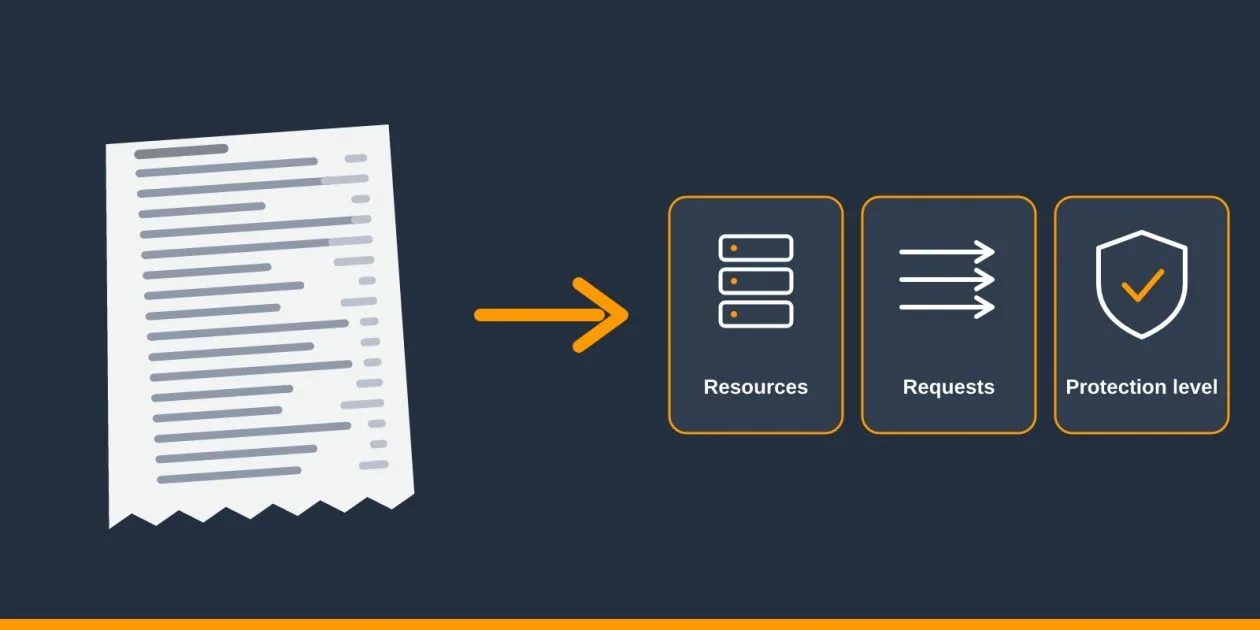
Amazon is changing how it charges for AWS WAF, the firewall that filters traffic to web applications. Rules and rule sets become free, while every protected resource gets an hourly fee. Sites with many rules on a few resources stand to pay less, and companies that cover many resources with one rule set can pay several times more.
AWSverified