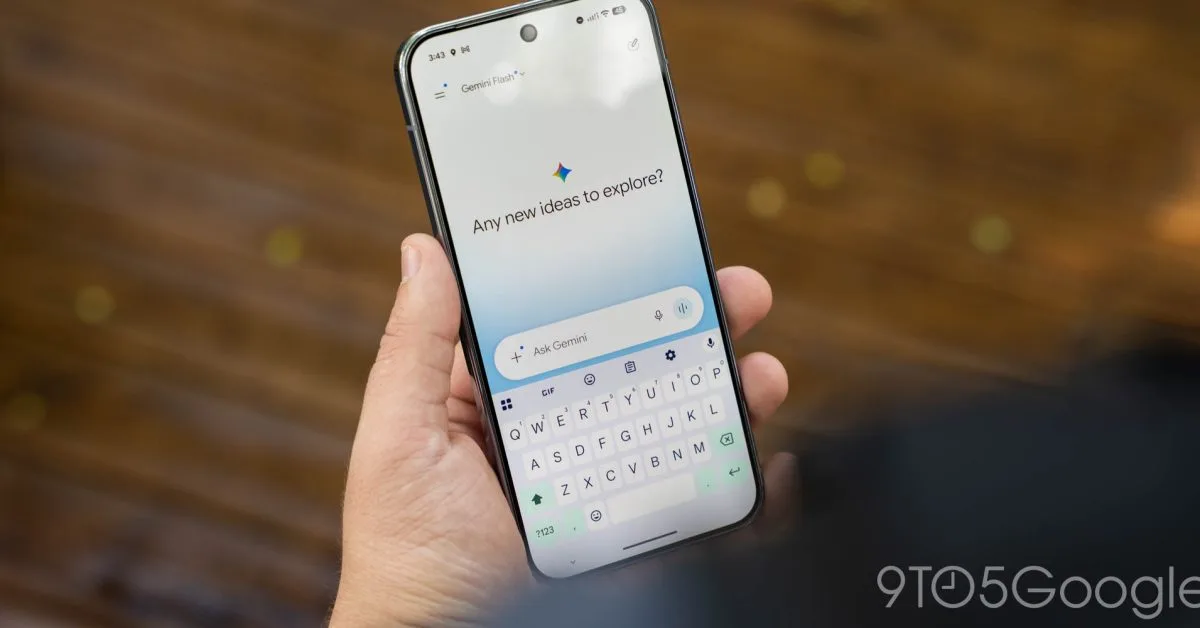
Google's Gemini help center says Gems will be removed for personal accounts in November 2026, with Workspace accounts following in 2027. Existing Gems are converted to skills automatically. Several tools that work in Gems, including Canvas and Deep research, do not yet work in skills.
Anthropic opened a submission portal for the Claude directory on September 25, 2026. Developers on paid Claude plans can submit a single MCP connector or a plugin bundle, follow its review, and see usage data once it is live. Existing listings need no changes.
Anthropic launched Claude Marketplace on September 23, 2026. It lists more than 2,000 connectors and plugins, Claude-powered products from other companies, and consulting partners in one place. Customers can put part of their committed Anthropic spend toward those products.
Two changelog entries on September 17, 2026 extend Copilot reporting from how much is used to what is used. The usage metrics API now returns the most-used skills, custom agents, MCP servers, slash commands and plugins, with an interaction count for each. The impact dashboard separately reports how many people used each Copilot feature on at least two days in a 28-day window. Both are for administrators, and both come with counting rules that will mislead anyone who skips them.
The release that landed on September 4, 2026 is mostly fixes, but four entries change behavior that was already there. The prompt's word-editing keys now match Bash, and the setting that used to select a keybinding style has no effect at all. Auto mode now treats a link that packs your content into a public diagram renderer's URL as an upload to that site, so it is no longer approved without you. Two new settings raise how much command output reaches the model inline, up to 128,000 characters.
Anthropic released a reference implementation for shopping and merchant agents on September 2, 2026, in the public repository anthropics/commerce-agents under the Apache 2.0 license. It carries a customer-facing shopping agent, a back-office merchant agent, four worked verticals and three runtimes, from the Messages API to Managed Agents in beta. Nothing in the code moves money: checkout is handed back to the host system, and every merchant write waits for a person to approve it. A companion post published the same day sets out the patterns behind the code, including cache hit rates Anthropic puts at 90 to 99 percent.
Simon Willison went looking through his cache folder and found that the OpenAI Codex desktop app, since rebranded to ChatGPT, stores a 1.7GB runtime there. Inside it are a full Python installation, a full Node.js installation, and native binaries for Poppler, git and LibreOffice. A neighboring folder holds skills that tell the agent where those binaries are and how to use them. It is a small finding with a large implication about where document work actually happens.
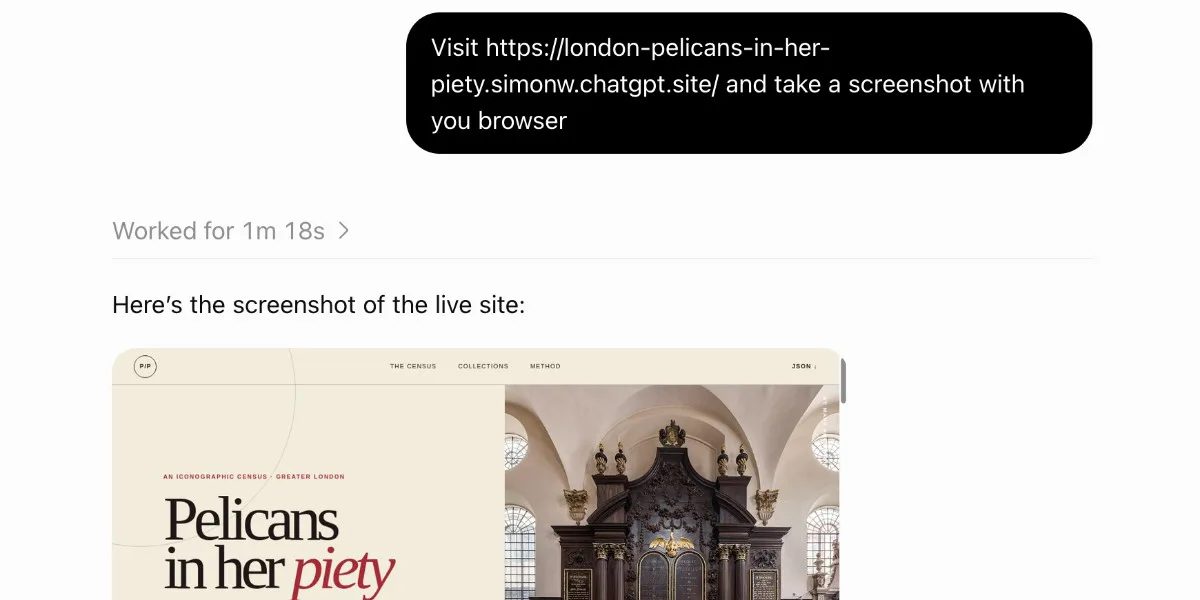
Willison reports that OpenAI announced ChatGPT Work on July 9, 2026 and has been changing it since, without documenting what the agent can do. He spent weeks testing it, then had the product describe itself: 223 registered tools and 44 skills, six of the tools his own. The inventory shows a code sandbox with open internet access, a full headless Chrome, and a filesystem shared across sessions.
The August release of the agent runtime enables three behaviors on its own: recall of earlier private conversations, background memory consolidation, and automatic application of skills its own scanner has approved. It also removes the bundled OpenProse plugin and the /prose command, and moves model routes named codex over to openai. Plugin authors face an SDK import gate on September 1, 2026.
On August 19, Anthropic moved a large part of the Claude platform from beta to general availability. The Files API no longer requires a beta header and gains file expiry through expires_in_seconds, pagination, and filtering by identifier, alongside a terabyte of storage per organization and a limit of 500 requests per minute. Agent Skills and the accompanying Skills API also became generally available, so skills now load through the Messages API without a single beta header. Managed Agents gain allow and block lists of domains for search and content fetching, and the session viewer in the console was redesigned with a timeline minimap and an Inspector panel. Anyone building an agent over client content gets three critical parts of the API that stop being a moving target.