OpenClaw 2026.11.2 stops project settings from adding programs to the agent's PATH
OpenClaw's latest patch release adds no features and fixes a set of security problems. The most serious one let a settings file inside a project add programs from that project to the list of directories where the system looks for commands. Two of the fixes change existing behavior, so some setups need to be adjusted.
OpenClaw, the open-source agent that runs tools on the user's own machine, released version 2026.11.2 on November 8, 2026. The project describes it as a patch release with no new features. Its most important change concerns security: at startup, the command-line tool no longer adds programs from inside the current workspace to the PATH of the processes it launches. PATH is the list of directories in which the system looks for a program when a command calls it by name.
What the security fixes close
Until this release, a .env file in the workspace could set MISE_DATA_DIR or XDG_BIN_HOME, two variables that tell OpenClaw where tools installed through the mise version manager or the XDG directory layout live. When those locations pointed inside the workspace, OpenClaw added them to the PATH of the processes it started. In 2026.11.2, workspace .env files can no longer set these variables, and relative or workspace-contained tool directories are rejected. Trusted absolute directories outside the workspace still work.
This suggests a concrete risk for anyone who opens a project they did not write: a file in that project could influence which program ran when the agent called a tool by name. The project does not say whether the problem was exploited.
The release also fixes several narrower problems:
openclaw config setcould write a new secret in readable form to the local audit history when the--expect-current-jsonoption came before the setting or between the setting and its value. New entries are now masked, but existing audit records are not rewritten.- Sandboxed agents could run a third-party web search provider that the sandbox trust policy excludes. Sandboxed search now accepts only bundled or verified official providers, as web fetch already did.
- A grant for Model Context Protocol (MCP) tools stayed active after a turn finished on a reused command-line process. It is now released when the turn ends.
- A local Gateway password stored as a secret reference was ignored when only a remote-client token was configured.
- Assistant replies, message previews, and output from bundled language servers are no longer copied into several debug and delivery logs.
What users may have to change
Two of the fixes change behavior that existing setups may rely on. Users who keep mise or XDG tool directories inside a workspace must move those installations outside it, or OpenClaw will no longer find the tools there. Sandboxed agents configured with an excluded third-party search provider lose web search until an eligible provider is enabled or selected, and the error message names that step.
The release also repairs updates. It fixes updates that failed during snapshot checks when the update history was overloaded, and the project says installations of 2026.10.4 affected by that failure can follow its update recovery guidance. Scheduled reminders whose text mentioned heartbeat polls or wakes no longer disappear. According to the release notes, the version draws on 113 pull requests from 64 GitHub accounts.
Sources
Once a week, in your inbox
The whole week's news, gathered into one email. No ads, no passing your address on, one-click unsubscribe.
The address is used only for this roundup. It is not sold and not passed to anyone.
Related
Claude Code 2.1.321 stops MCP sign-in from sending refresh tokens to another host after a redirect
The most serious fix in the release concerns MCP servers that require an OAuth sign-in. Three more fixes cover cases where a shell command or a file write got past a permission check. Claude Fable 5.2 also becomes the default Fable model.
Anthropicverified
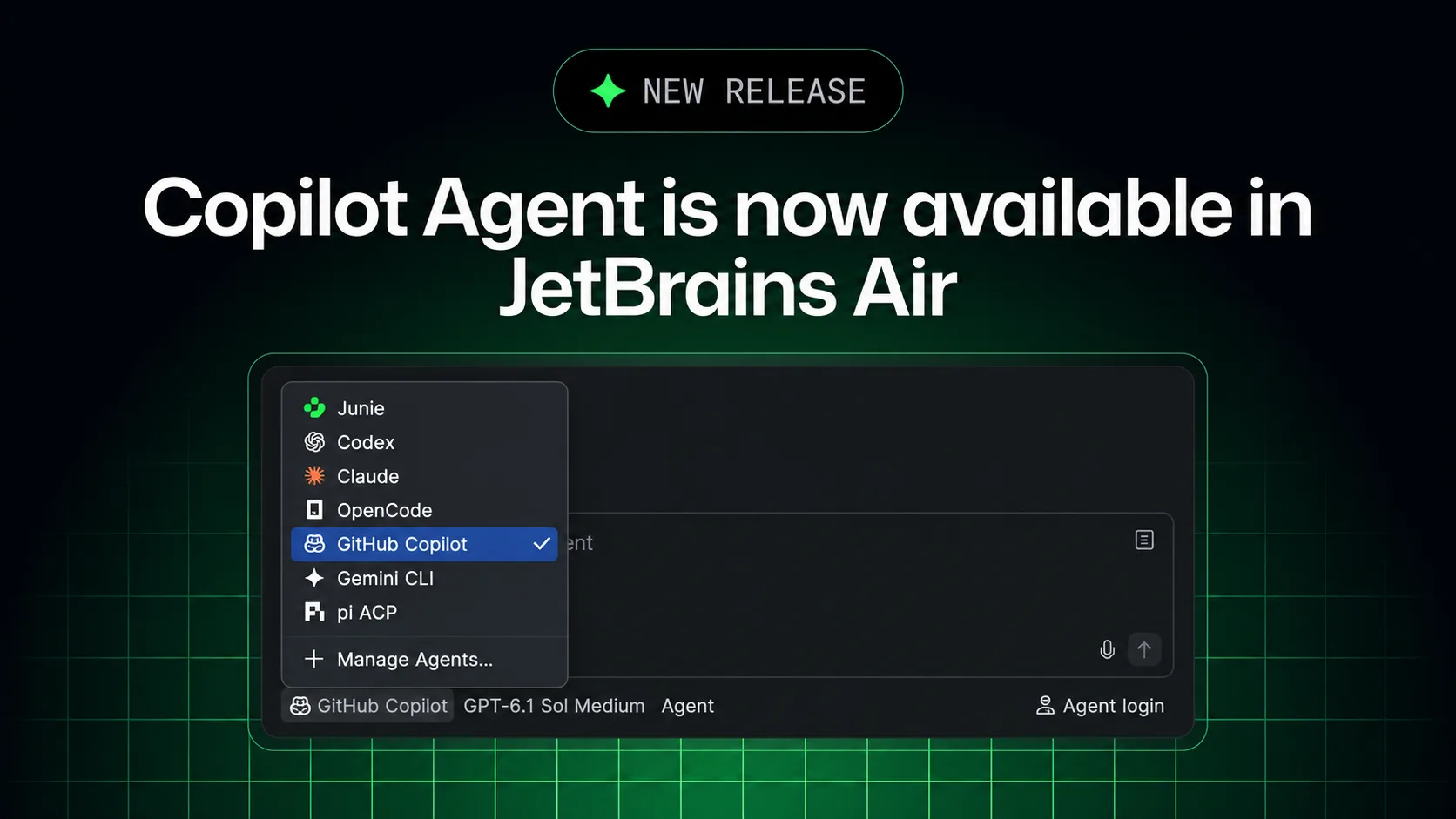
GitHub Copilot now runs in JetBrains Air, and its cloud tasks use a Copilot plan instead of JetBrains credits
Copilot can now be picked as an agent in Air for local and cloud coding work, on an existing subscription. Air administrators can switch it off, but they cannot cap its spending in Air or see its usage in Air's analytics.
GitHubverified
Claude Code 2.1.314 added an instruction not to recreate existing games
Since version 2.1.314, Claude Code ships two sentences telling the model to build original games but not a copy of a specific existing one. Anthropic says the rule applies with Opus 5.5 and follows from its usage policy on intellectual property. Some developers report that work they hold the rights to is being refused.
Anthropicverified