OpenCode says a breach hit 1.4% of Console users who had linked their own AI providers
OpenCode, the open-source coding agent, announced on October 17, 2026, that attackers had broken into its hosted Console service the night before. The project calls it a large-scale distillation attack and says it affected 1.4% of Console users, all of them people who had connected external providers. Co-founder Dax Raad says the open-source app itself was not involved. How the attackers got in has not been disclosed.
Source
OpenCode on X: security breach affecting 1.4% of OpenCode Console usersOpenCode na mreži X · Original published October 17, 2026
OpenCode has confirmed a security breach of OpenCode Console, the web service where teams share models and can connect their own AI provider accounts. In a post on X on October 17, 2026, the project said the intrusion happened the previous night and affected 1.4% of Console users. Those users were notified by email that morning, and OpenCode says anyone who did not get an email was not affected.
What was exposed and what was not
According to OpenCode, only part of the Console user base was affected: people who had linked external providers. The Console documentation describes this for team workspaces, where owners and admins can connect their own providers instead of using the models OpenCode supplies. Linking a provider means handing the service a key that bills usage to the customer's own account with that provider.
The open-source agent is not part of the incident, OpenCode says. Dax Raad, the project's co-founder, wrote that the breach concerns Console and not OpenCode itself, because keys entered in the app are never sent to the project.
Distillation claim and refunds
OpenCode describes the incident as a large-scale distillation attack. Distillation is training one model on the answers of another, usually stronger one, and stolen API keys would let someone generate those answers in bulk while the key owner pays. OpenCode has not published evidence for that description, so it remains the project's account of the attackers' motive.
Raad wrote on October 18, 2026, that everyone affected had been contacted and that refunds were already underway. OpenCode says it is working with Anthropic, OpenAI, and Google on remediation.
What has not been disclosed
OpenCode has not said how the attackers got in, how the keys were stored, or how much was spent from affected accounts. On October 17 the project said the incident was still ongoing and that it could not share more details.
This suggests that anyone who linked a provider key in Console does not need to wait for those details. Revoking the key with the provider and reviewing recent usage there shuts off access through that key, however it was obtained.
„those keys never come to us“
Sources
Related
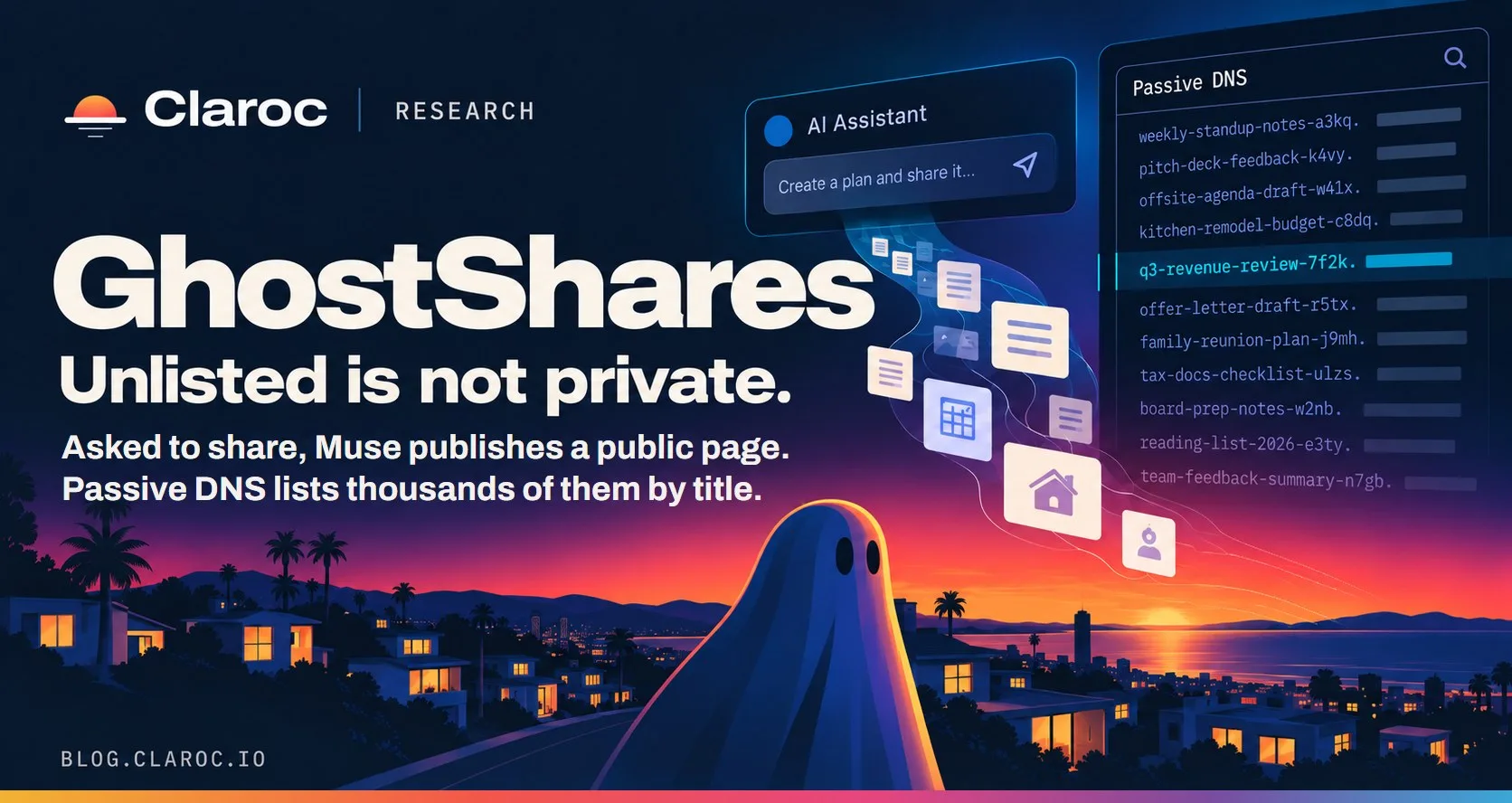
Meta paused Muse sharing after researchers found more than 6,800 shared chats through DNS records
The security firm Claroc found that Muse built each shared conversation's web address from its title, and that passive DNS services recorded those addresses. Among the few hundred pages it opened were loan applications, internal revenue reports, and notes for a confidential call. Meta says sharing is paused while it reviews the findings.
Clarocverified
OpenClaw 2026.10.5 blocks plugin hooks from changing tool calls after approval
OpenClaw's new release closes a gap that let an ordinary plugin hook alter a tool call after a trusted policy had already approved it. Such a call is now blocked unless the hook asks for its own approval, which breaks plugins that relied on the old order. The release also makes Gemini 4 Argon the default Google model and points the gemini alias at it.
OpenClawverified
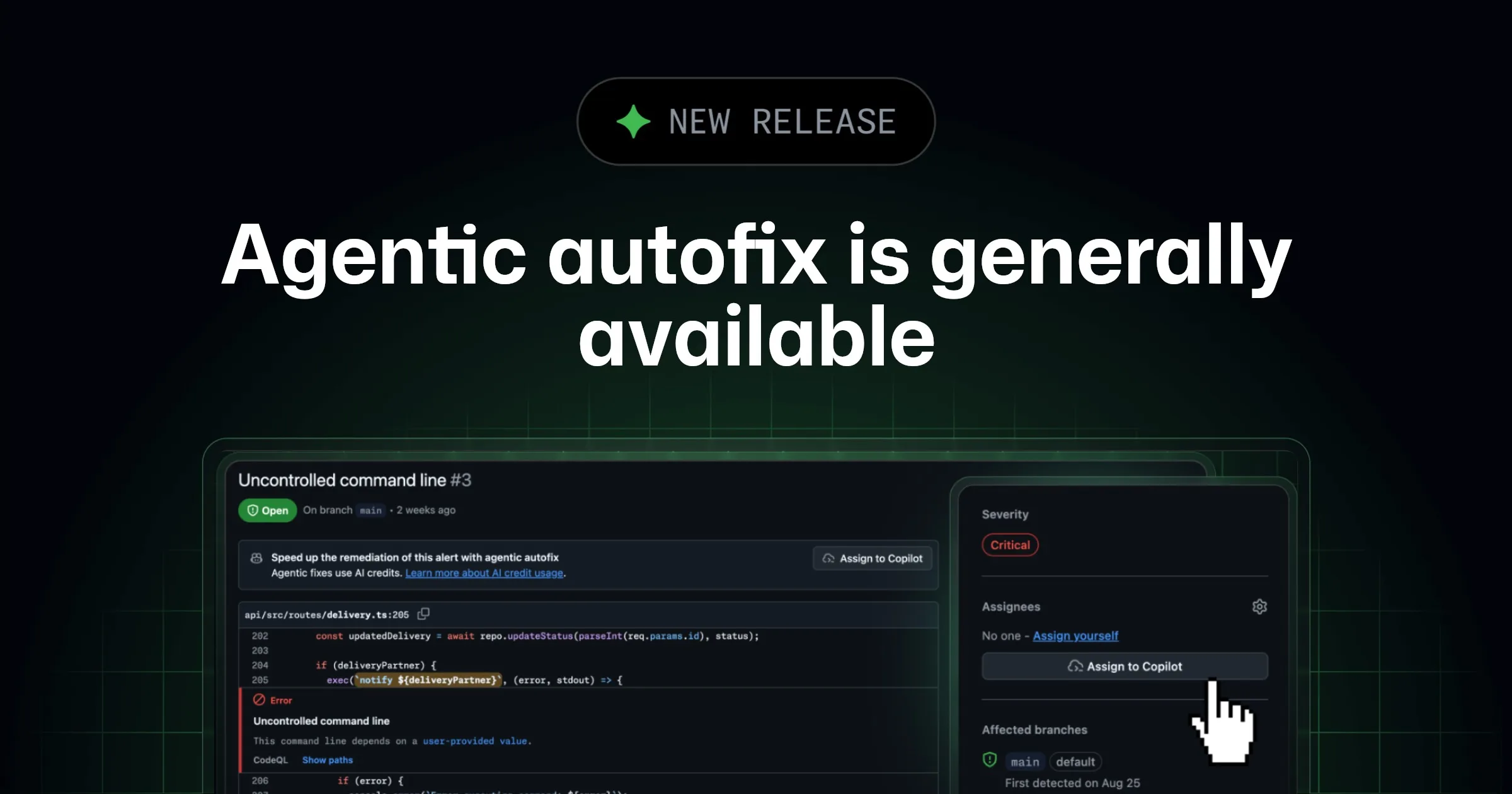
GitHub will retire Claude Opus 5, Opus 4.8, and GPT-5.6 Terra from Copilot on November 16
GitHub announced on October 15, 2026, that three models leave every Copilot experience on November 16, 2026, with Claude Opus 5.5 and GPT-6.1 Sol or GPT-6 Luna as suggested replacements. The same day, agentic autofix for code scanning alerts became generally available to Enterprise Cloud customers with Code Security or Advanced Security.
GitHub Changelogverified