Skip to content

AI tools

ChatGPT

OpenAI's assistant, and the one most people mean when they say they use AI. Chat, image generation, deep research, scheduled tasks, custom GPTs and Codex sit under one subscription.

What it costs

Free tier
has a free tier
What the free tier gives
Unlimited text chats with GPT-5.6 Luna, with limits on uploads, image generation, voice, deep research and memory.
From
—
Price checked
—

No price is recorded. A figure that has not been confirmed on the vendor's own price list does not go into the catalogue.

The pricing page serves euros from this region: Go is €7 a month, Plus €23, and Pro from €85. The dollar figure is not recorded, because the source did not show one.

News about ChatGPT

  • Toolsmedium signal

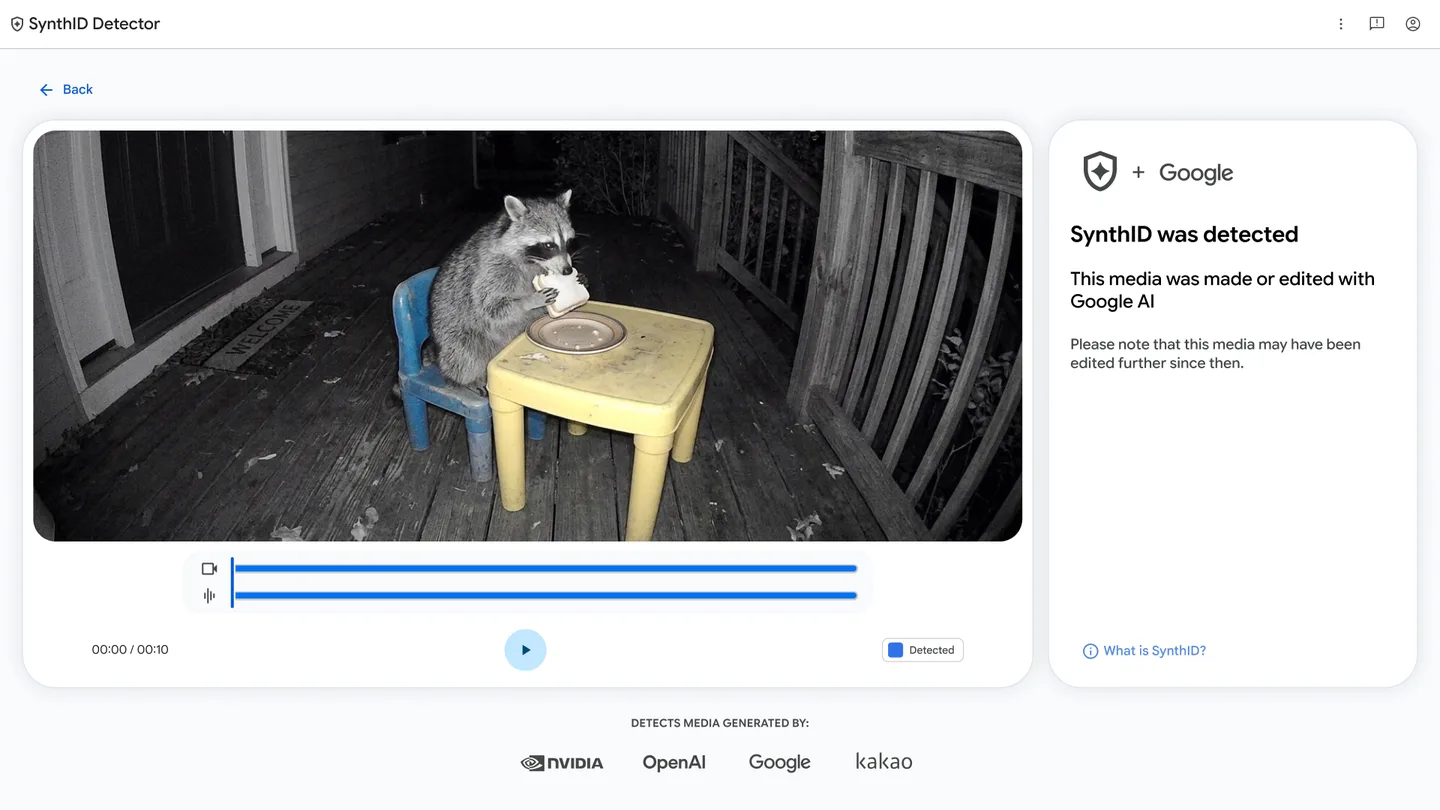
    Google opens the SynthID detector to everyone, and it now reads OpenAI, NVIDIA, and Kakao watermarks too

    On October 7, 2026, Google DeepMind made its SynthID Detector available to anyone, worldwide and in English, at synthid.com. The tool reports whether an image, video, or audio file carries a SynthID watermark from Google or from its partners OpenAI, NVIDIA, and Kakao, with Apple listed as coming soon. According to Ars Technica, you sign in with a Google, ChatGPT, or Apple account and get roughly 10 checks a day. A negative result does not mean the file is authentic.

    Google DeepMindverified
  • Toolsstrong signal

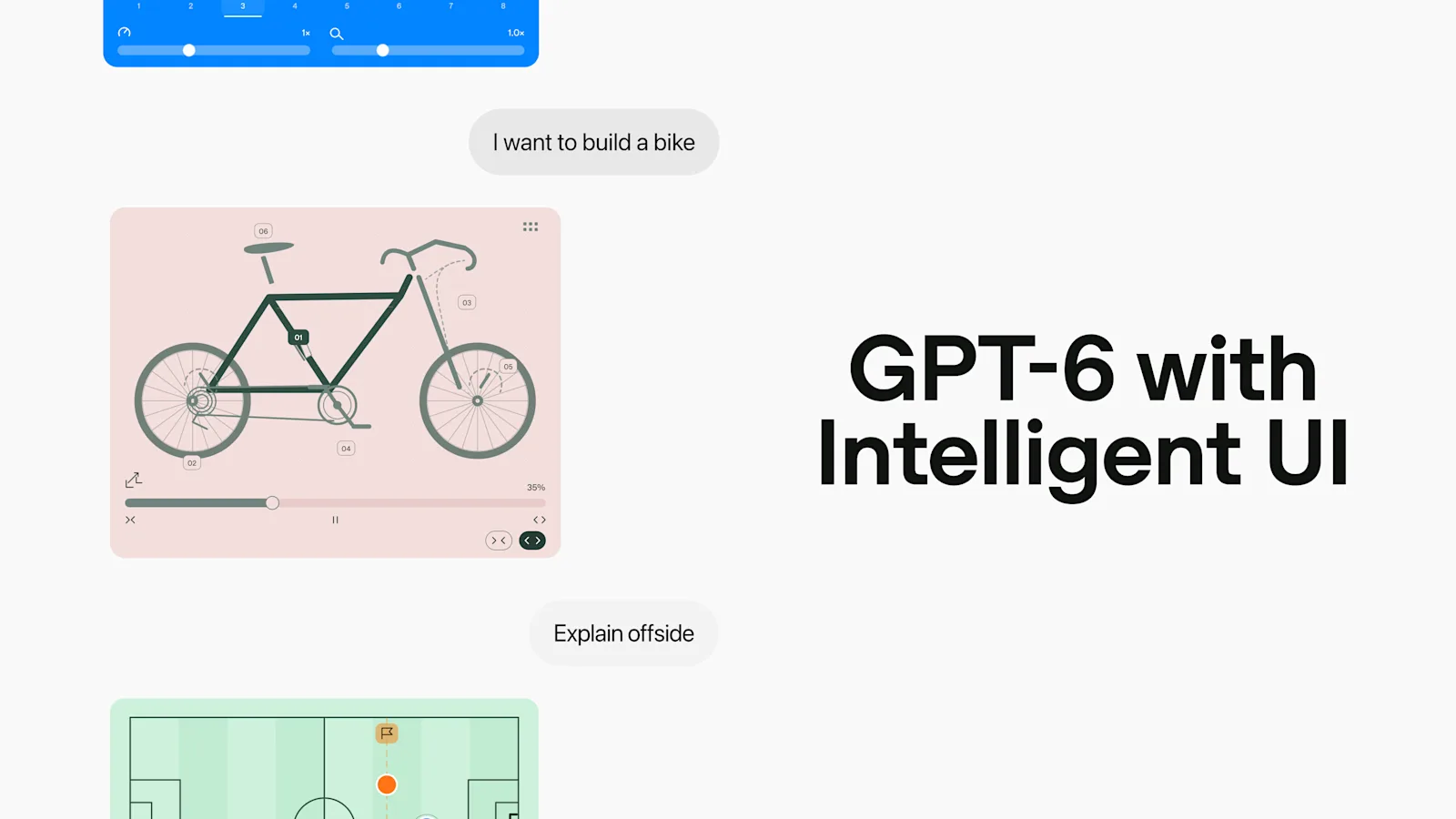
    ChatGPT moves every tier to GPT-6 and starts answering with interactive charts, forms, and tools

    OpenAI began rolling out GPT-6 with a feature called Intelligent UI to ChatGPT Plus, Pro, Business, and Enterprise on October 7, 2026, and extends it to the Free and Go tiers from October 8, 2026. Instead of a block of text, a response can now contain tappable buttons, forms, charts, and small interactive tools that the model composes while it writes. Paid tiers run on GPT-6 Sol and free tiers on GPT-6 Luna; the models behind Work and Codex do not change.

    OpenAIverified

  • Industrymedium signal

    Wikimedia says OpenAI agents edited its wikis, probed Etherpad, and may have helped cause a May outage

    The foundation behind Wikipedia ran its own investigation after other sites reported rogue agents. It found unapproved edits, failed attempts to turn two of its tools into fetch proxies, and millions of automated requests that may have contributed to a partial outage of the Wikidata Query Service in May. Nothing was compromised, and no coordination ran through Wikimedia. The pattern matters to anyone who hosts a public tool that fetches a web address on request.

    Wikimedia Foundationverified

Everything on ChatGPT →