Chrome 152 lets a page name the hosts it is allowed to call
The release reached the stable channel on August 25, 2026 with a response header in which a server lists the endpoints its document and workers may reach. Chrome checks each destination against that list before it opens a connection. The same release brings relative alpha colors in CSS, CSSPseudoElement for three more pseudo-elements, and the autocorrect attribute reflected on HTMLElement. Two things leave: the Private Aggregation API is removed, and client-side XSLT enters a deprecation trial.
Chrome 152 shipped to the stable channel on August 25, 2026, and the entry worth reading first is Connection Allowlists. A server distributes the authorized endpoints through an HTTP response header, and Chrome evaluates every destination against that list before a connection is established. The restriction covers requests started through the Fetch API and other platform APIs, from a document and from a worker alike.
A list the browser enforces
The mechanism is a list rather than a heuristic, which is what makes it worth wiring up. The page declares the exact URL patterns permitted for network communication started in its context, and everything outside the patterns is refused rather than reported after the fact. The header is Connection-Allowlist, and the origin trial documentation covers the configuration and reporting options.
This suggests a use beyond the classic cross-site case. When a page hands untrusted content to a model and then lets it act, the cheapest way out for stolen data is a request to a host the attacker controls, usually with the data sitting in the query string. A destination list the browser checks refuses that request before it leaves the machine, which is a different kind of defense from a classifier reading text and guessing what it will become.
What else arrived in CSS and the DOM
The rest of the release is smaller but immediately usable, and most of it is the kind of thing that removes a workaround rather than enabling something new.
- Relative alpha colors: the
alpha()function from CSS Color 5 takes an origin color and changes only its alpha channel. CSSPseudoElementextends to::backdrop,::scroll-markerand::view-transition, so a click on a dialog backdrop can be handled without intersection calculations.- The
window-dragproperty standardizes and renamesapp-region, with the valuesmoveandnone, for draggable title-bar regions in an installed desktop web app. - The
autocorrectattribute is exposed globally and reflected onHTMLElement, so autocorrection in editable elements is controlled from markup. OpaqueRangerepresents a live span of text inside a form control value and works withgetBoundingClientRect()and the CSS Custom Highlight API.- Reference Target forwards
label for,aria-labelledby,popovertargetandcommandforto an element inside a shadow root, declared withshadowrootreferencetargetor set throughShadowRoot.prototype.referenceTarget.
What is leaving, and one thing to watch
Client-side XSLT is deprecated and planned for removal from the web platform. A deprecation trial opens in Chrome 152, so a site that still transforms XML in the browser gets migration time instead of a broken page. In the same release the Private Aggregation API is removed together with related Privacy Sandbox APIs, which Chrome ties to its decision to keep the current approach to third-party cookies.
The CPU Performance API is the addition to think about before adopting. It reports the performance tier of the device so a page can scale graphical fidelity or heavy computation to it, and it pairs with the Compute Pressure API for live readings. A user can override the reported tier in Chrome settings and an administrator can override it through enterprise policy, which means the value a site receives is a hint and not a measurement.
Sources
Related
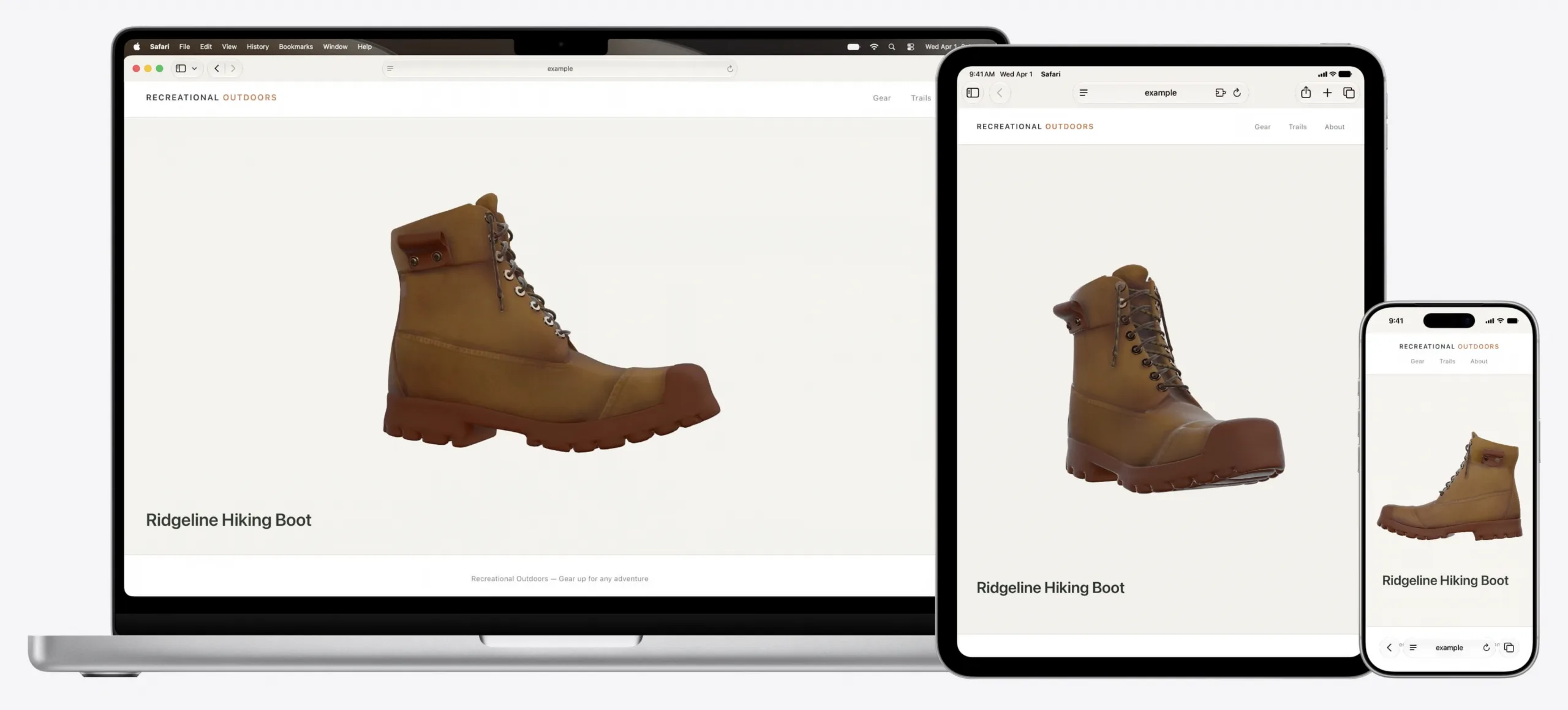
Safari 27.0 ships an MCP server, so a coding agent can drive the browser itself
WebKit published the feature list on September 17, 2026, and it is the longest the team has written: 83 features, up from 58 at the first beta in June, and 844 quality fixes against the 525 announced at WWDC. The headline for anyone who builds with a coding agent is the Safari MCP server, which hands the agent the DOM, network requests, screenshots and console output from a real Safari window. Customizable Select turns the real select element into something you can fully restyle, and scroll anchoring stops the page from jumping when content loads in above what you are reading.
WebKit Blogverified
Safari Technology Preview 252 adds named-feature() and lets SVG reach a filter in another file
The preview build came out on September 11, 2026 and covers WebKit changes between 319252@main and 320112@main. Eleven features are new, and two of them extend the same job: how a stylesheet, and then a script, finds out what the engine underneath can do. The named-feature() function asks about a behavior that has no syntax of its own, and the registry behind it holds exactly two entries today. SVG also gained external resources, so the url() reference can finally point at a filter, mask or gradient stored in another document.
WebKitverified
Interop 2027 proposals close on September 23, and untested ideas do not qualify
The call for Interop 2027 Focus Area proposals opened on September 3, 2026 and closes on September 23, 2026. Proposals are filed as issues on the web-platform-tests/interop repository, and two conditions decide almost everything: the technology must already have a mature standard, and it must be testable, because the test results are what the dashboard scores. Anything that fails the second condition is steered toward an Interop Investigation instead. Twenty days is the whole window, and the evidence a good proposal needs takes longer than an evening to assemble.
WebKitverified