Skip to content

Tags

Chrome

5 items
Webmedium signal

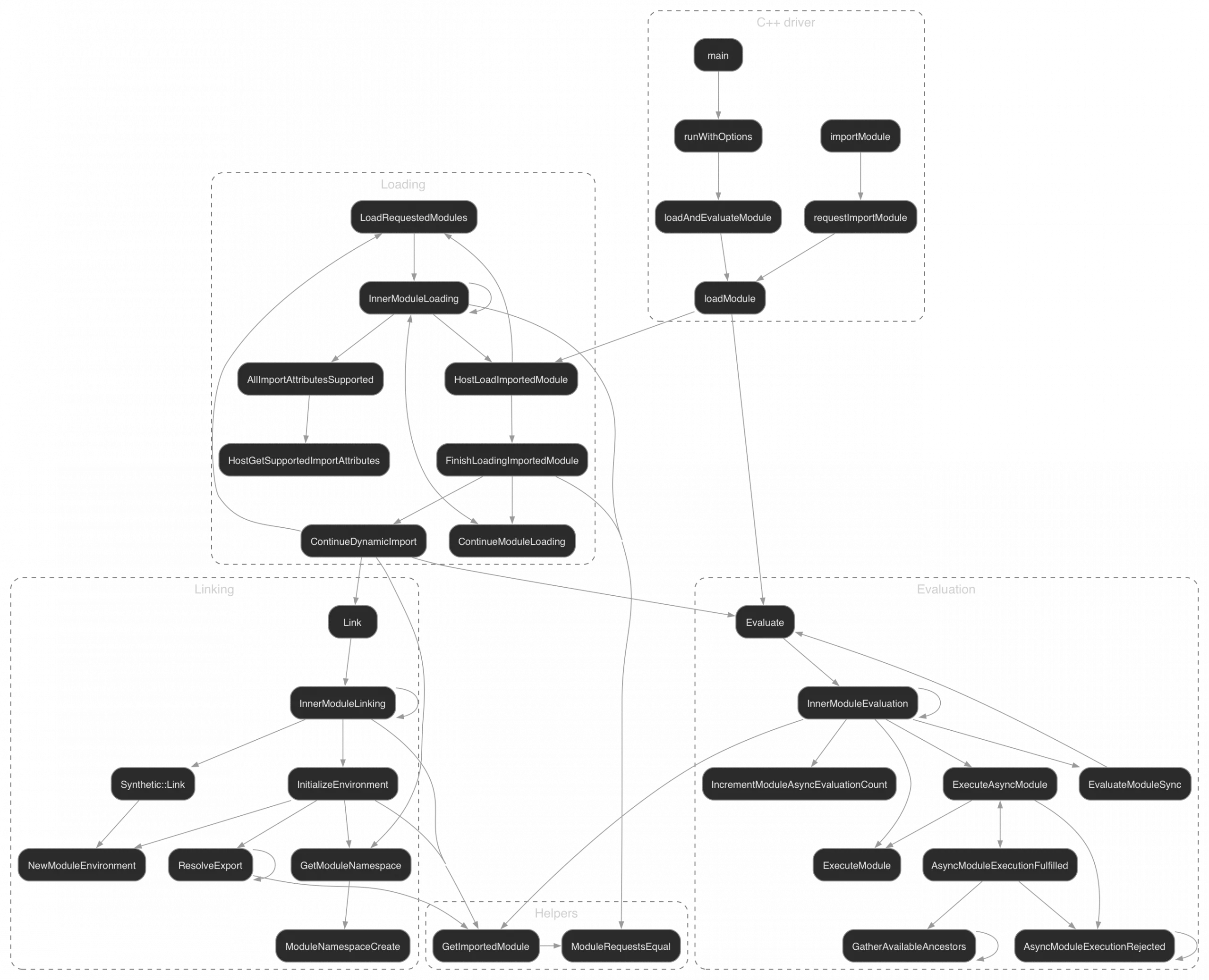
Safari 27 fixes top-level await, after WebKit rewrote the module loader in C++

WebKit published the fix on September 2, 2026. Dynamic imports of a module that uses top-level await could complete out of order in Safari, and an importer that ran early hit an error about accessing a value before initialization. The cause was a module loader built on the abandoned WHATWG Loader proposal rather than on the algorithms in the ECMAScript standard. WebKit rewrote the loader from self-hosted JavaScript into native C++, and the result ships in Safari 27 and in Safari Technology Preview 251.

WebKitverified
Webstrong signal

Chrome 152 lets a page name the hosts it is allowed to call

The release reached the stable channel on August 25, 2026 with a response header in which a server lists the endpoints its document and workers may reach. Chrome checks each destination against that list before it opens a connection. The same release brings relative alpha colors in CSS, CSSPseudoElement for three more pseudo-elements, and the autocorrect attribute reflected on HTMLElement. Two things leave: the Private Aggregation API is removed, and client-side XSLT enters a deprecation trial.

Chrome for Developersverified

Claude in Chrome is generally available | Claude by Anthropic
Agentsstrong signal

Claude in Chrome is generally available, and it now clicks without asking first

Claude in Chrome has left the pilot and is available on every paid Claude plan. The change that matters is not availability but autonomy: Claude now approves safe actions itself, using the same mechanism as Claude Code, instead of stopping for every click. Anthropic published the prompt injection numbers behind that decision, and the one worth reading is the baseline: before extra safeguards, attacks that reached Opus 5 succeeded 3.8% of the time.

Anthropicverified

Webmedium signal

New on the web platform in July: Firefox 153 and Chrome 151

Rachel Andrew summarizes July's stable releases, and one item outweighs the rest: Firefox 153 widened how the select element is parsed, so any nested element is allowed inside it. That opens the path to genuinely customizable dropdowns without a JavaScript replacement, which is the most troublesome category of hand-built component on client sites. The same release brings the Picture-in-Picture API to desktop, the Intl.Locale Info API with getCalendars(), getTimeZones(), and getWeekInfo(), and IndexedDB getAllRecords(). Chrome 151 adds the CSS ruby-overhang property, manual slot assignment in declarative Shadow DOM through the shadowrootslotassignment attribute, and the animation property on the AnimationEvent and TransitionEvent interfaces.

web.devverified