New on the web platform in July: Firefox 153 and Chrome 151
Rachel Andrew summarizes July's stable releases, and one item outweighs the rest: Firefox 153 widened how the select element is parsed, so any nested element is allowed inside it. That opens the path to genuinely customizable dropdowns without a JavaScript replacement, which is the most troublesome category of hand-built component on client sites. The same release brings the Picture-in-Picture API to desktop, the Intl.Locale Info API with getCalendars(), getTimeZones(), and getWeekInfo(), and IndexedDB getAllRecords(). Chrome 151 adds the CSS ruby-overhang property, manual slot assignment in declarative Shadow DOM through the shadowrootslotassignment attribute, and the animation property on the AnimationEvent and TransitionEvent interfaces.

Rachel Andrew summarizes July's stable browser releases. One item matters considerably more than the rest.
Firefox 153
- The way the select element is parsed was widened so that any nested element is allowed inside it, opening the path to genuinely customizable dropdowns without JavaScript replacements.
- The Picture-in-Picture API arrived on desktop.
- The
Intl.LocaleInfo API bringsgetCalendars(),getTimeZones(), andgetWeekInfo(). IndexedDBgainsgetAllRecords().
Chrome 151
- The CSS
ruby-overhangproperty was added. - Manual slot assignment in declarative Shadow DOM arrived, through the
shadowrootslotassignmentattribute. - The animation property is available on the AnimationEvent and TransitionEvent interfaces.
Why the customizable select matters most
The hand-built dropdown has been the leading source of accessibility problems on client sites for decades. Every library solved it slightly differently, and all of them were worse than the native control on mobile. A native select you can style removes that entire category of problem.
Related
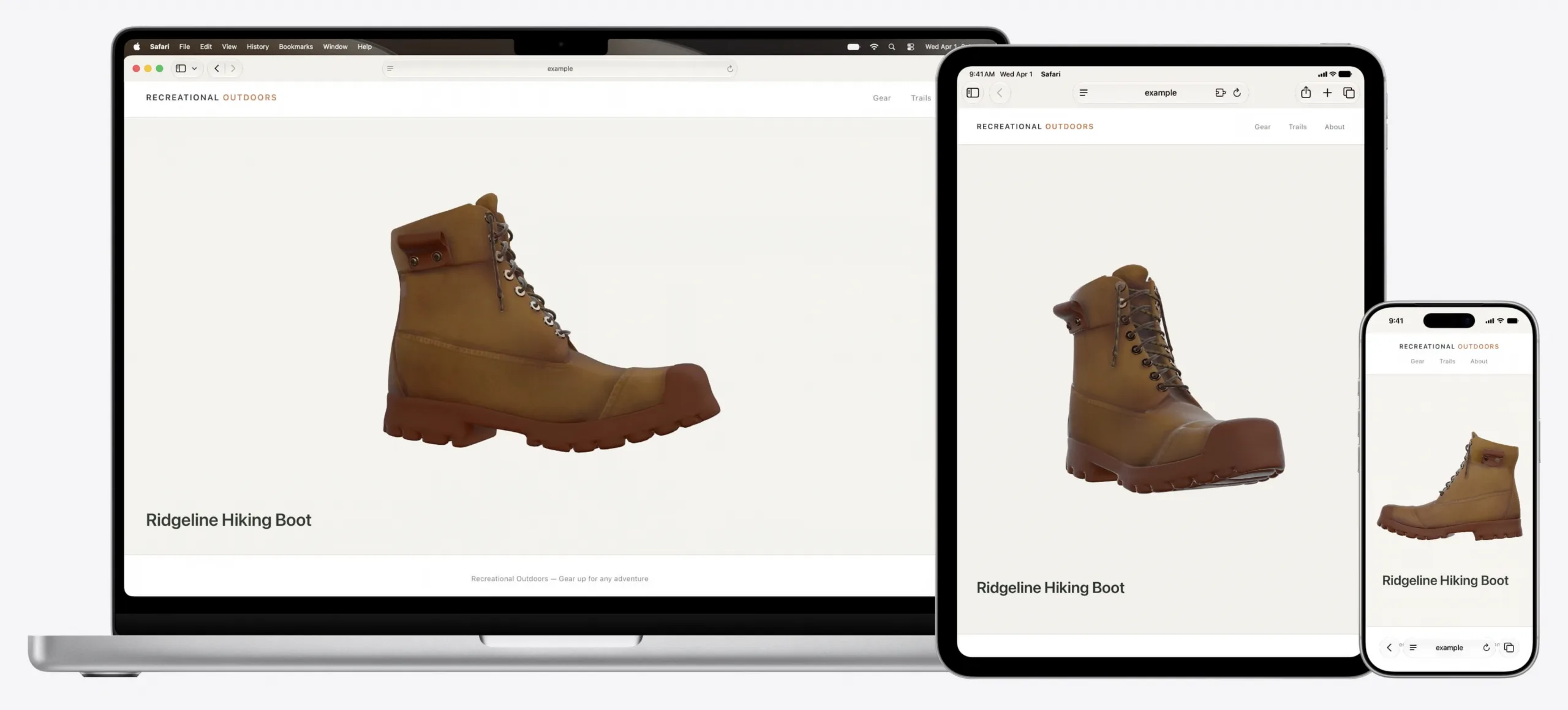
Safari 27.0 ships an MCP server, so a coding agent can drive the browser itself
WebKit published the feature list on September 17, 2026, and it is the longest the team has written: 83 features, up from 58 at the first beta in June, and 844 quality fixes against the 525 announced at WWDC. The headline for anyone who builds with a coding agent is the Safari MCP server, which hands the agent the DOM, network requests, screenshots and console output from a real Safari window. Customizable Select turns the real select element into something you can fully restyle, and scroll anchoring stops the page from jumping when content loads in above what you are reading.
WebKit Blogverified
Safari Technology Preview 252 adds named-feature() and lets SVG reach a filter in another file
The preview build came out on September 11, 2026 and covers WebKit changes between 319252@main and 320112@main. Eleven features are new, and two of them extend the same job: how a stylesheet, and then a script, finds out what the engine underneath can do. The named-feature() function asks about a behavior that has no syntax of its own, and the registry behind it holds exactly two entries today. SVG also gained external resources, so the url() reference can finally point at a filter, mask or gradient stored in another document.
WebKitverified
Interop 2027 proposals close on September 23, and untested ideas do not qualify
The call for Interop 2027 Focus Area proposals opened on September 3, 2026 and closes on September 23, 2026. Proposals are filed as issues on the web-platform-tests/interop repository, and two conditions decide almost everything: the technology must already have a mature standard, and it must be testable, because the test results are what the dashboard scores. Anything that fails the second condition is steered toward an Interop Investigation instead. Twenty days is the whole window, and the evidence a good proposal needs takes longer than an evening to assemble.
WebKitverified