Claude's memory is now one memory, shared between chat and Cowork
What Claude learns in a conversation is what it knows in Cowork, from August 25 on web, desktop and mobile. Memories are listed by topic in settings, each one can be edited or deleted, and sensitive categories stay out unless you let them in.
Source
Claude's memory works everywhere, and you decide what's in itClaude Blog · Original published August 25, 2026
Memory that lives in one product and not the other is a feature you cannot rely on, because you never know which side of the wall you are standing on when you ask. Anthropic closed that gap on August 25: the memory used in chat is the same memory used in Claude Cowork, across web, desktop and mobile.
The part that matters is the settings screen
Saved memories are grouped by topic and each entry can be read, edited or deleted. Memory can be paused or reset at any time. That is what turns a memory feature from something that happens to you into something you operate, and it is the difference between a product you can put a client's material into and one you cannot.
Some categories are excluded by default rather than by promise. Health and beliefs are not stored unless the option to include sensitive topics is switched on, and a harder line is drawn around identification numbers, criminal history and immigration status, which are described as never stored.
Who has it on, and who has to ask for it
On Free, Pro and Max the memory is on by default, with sensitive topics still off. On Enterprise and Team it is the other way around: memory is off for the individual user until that user turns it on, which keeps the decision with the person whose work is being remembered rather than with the plan they were assigned.
Updates happen while the conversation runs rather than as a summary written afterwards, so what Claude keeps is closer to what was actually said than to a reconstruction of it.
Related
OpenClaw 2026.10.2 stops long tool output from slipping credentials past redaction
A bug in OpenClaw's secret masking let a credential through whenever it straddled the boundary between two slices of a long text. The fix ships in 2026.10.2 along with repaired updates from 2026.10.1 and a new compaction default for OpenAI and Anthropic API keys.
OpenClawverified
OpenClaw 2026.10.1 lets agents search installed skills and changes how sessions message each other
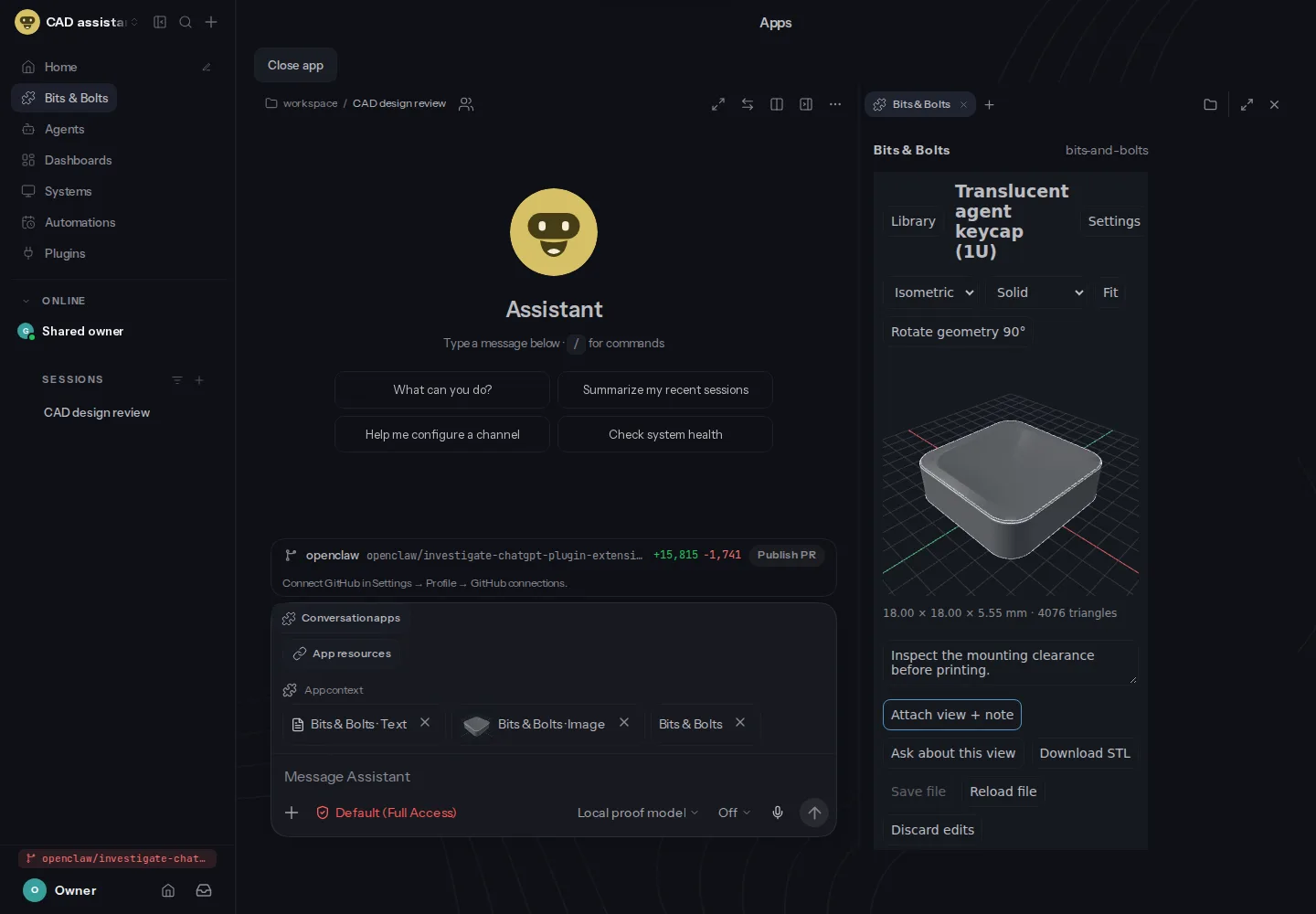
OpenClaw released version 2026.10.1 on October 10, 2026, its first stable release since 2026.9.7. Agents can now search the skills installed on a machine and read only the one a task needs, instead of carrying the whole library in the prompt. Opt-in MCP Apps run beside chat, and full backups can go to an external drive or Cloudflare R2. Three changes can break existing setups: session-to-session messaging, the old required argument, and Workboard data stored before July 2026.
OpenClawverified
Claude Code 2.1.294 fixes prompt hooks that let through the actions they were written to block
Anthropic released Claude Code 2.1.294 on October 8, 2026. It fixes prompt and agent hooks phrased as instructions, which could allow exactly the actions they were meant to stop. Version 2.1.295 followed the same day with an onFailure setting that makes a crashed or timed-out command or HTTP hook block the action. Releases 2.1.292 and 2.1.293 from earlier in the week closed several permission and sandbox gaps.
Claude Code Releases (GitHub)verified