July Baseline digest: Intl.Locale and rect() cross the line
The edition published on August 10 moves Intl.Locale into newly available — a standard way to parse, modify, and inspect Unicode language and region tags, useful anywhere dates, numbers, and currencies are formatted without an extra library. Array.fromAsync(), which turns asynchronous data streams into an array, and the CSS rect() function, which describes rectangular shapes for clip-path and offset-path far more readably than going through polygon(), both moved to widely available. An updated MDN guide to choosing image formats shipped alongside the digest.

Source
Julski Baseline digest: Intl.Locale i rect() prelaze pragweb.dev Blog · Original published August 10, 2026
The July edition of the monthly roundup was published on August 10. It is short but useful, because it brings two things that directly reduce the need for libraries.
Newly available
Intl.Locale entered newly available, a standard way to parse, modify, and inspect Unicode language and region tags. Until now that meant parsing strings by hand or reaching for a library.
Widely available
Array.fromAsync()turns asynchronous data streams into an array, behaving likeArray.from()but over async iterators.- The CSS
rect()function sets insets from the containing block's edges directly, describing rectangular shapes forclip-pathandoffset-pathfar more readably than the earlier approach. - MDN's guide to choosing image formats was updated alongside the digest, with a browser support overview.
Related
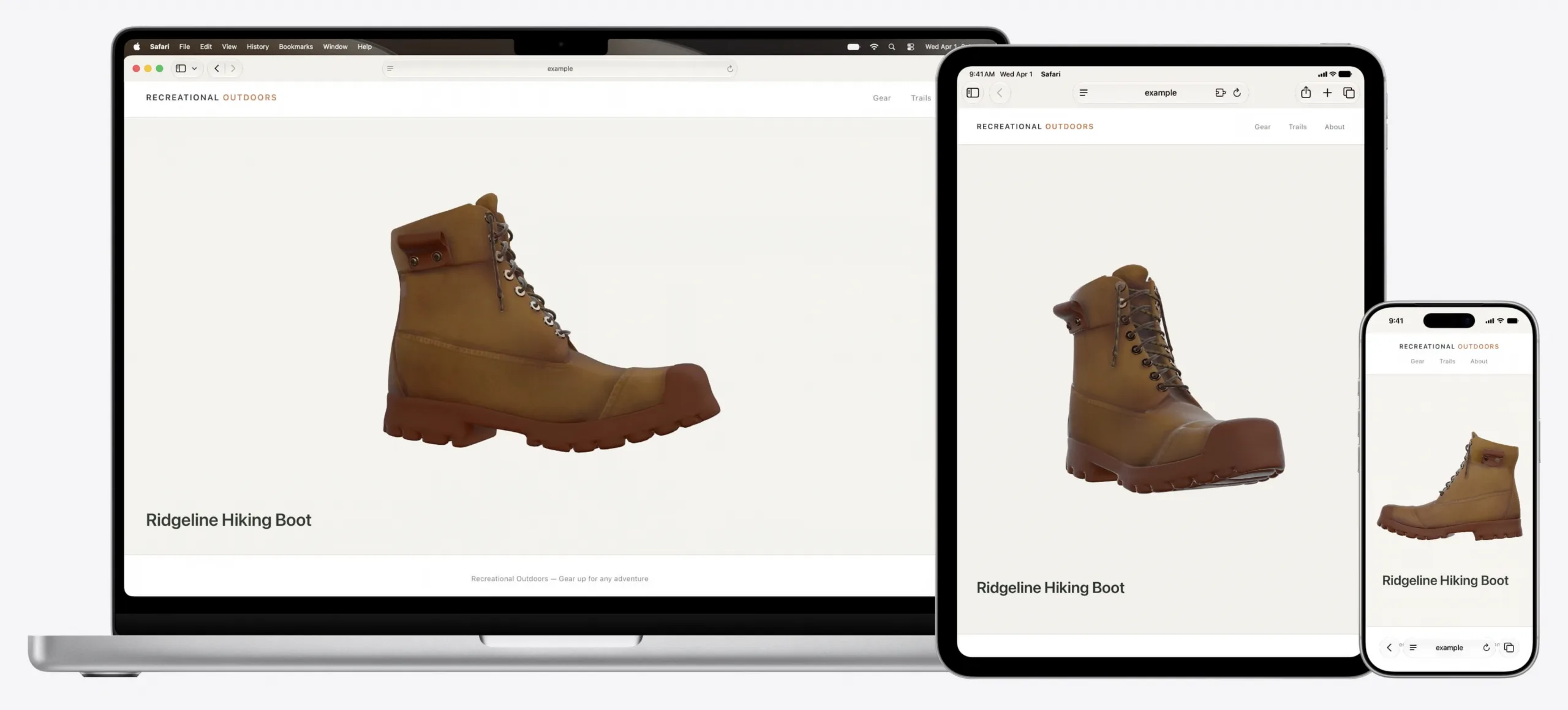
Safari 27.0 ships an MCP server, so a coding agent can drive the browser itself
WebKit published the feature list on September 17, 2026, and it is the longest the team has written: 83 features, up from 58 at the first beta in June, and 844 quality fixes against the 525 announced at WWDC. The headline for anyone who builds with a coding agent is the Safari MCP server, which hands the agent the DOM, network requests, screenshots and console output from a real Safari window. Customizable Select turns the real select element into something you can fully restyle, and scroll anchoring stops the page from jumping when content loads in above what you are reading.
WebKit Blogverified
Safari Technology Preview 252 adds named-feature() and lets SVG reach a filter in another file
The preview build came out on September 11, 2026 and covers WebKit changes between 319252@main and 320112@main. Eleven features are new, and two of them extend the same job: how a stylesheet, and then a script, finds out what the engine underneath can do. The named-feature() function asks about a behavior that has no syntax of its own, and the registry behind it holds exactly two entries today. SVG also gained external resources, so the url() reference can finally point at a filter, mask or gradient stored in another document.
WebKitverified
Interop 2027 proposals close on September 23, and untested ideas do not qualify
The call for Interop 2027 Focus Area proposals opened on September 3, 2026 and closes on September 23, 2026. Proposals are filed as issues on the web-platform-tests/interop repository, and two conditions decide almost everything: the technology must already have a mature standard, and it must be testable, because the test results are what the dashboard scores. Anything that fails the second condition is steered toward an Interop Investigation instead. Twenty days is the whole window, and the evidence a good proposal needs takes longer than an evening to assemble.
WebKitverified