Next.js schedules a September 30 security release that fixes nine vulnerabilities
The Next.js team announced on September 23, 2026 that versions 16.3.7 and 15.5.27 will ship on September 30, 2026. The release addresses nine vulnerabilities, one of them rated critical. The advisories that describe them appear only with the release. It follows the out-of-band 16.3.6 by eight days, so many projects will upgrade twice in the same month.
Source
Upcoming Next.js September Security ReleaseNext.js Blog · Original published September 23, 2026
Next.js published an advance notice rather than a patch. The post, dated September 23, 2026, schedules a security release for September 30, 2026 and names two versions: 16.3.7 for the 16.x line and 15.5.27 for the 15.x line. The stated purpose is to give teams time to plan the upgrade.
What the notice says
The release will address nine vulnerabilities: one critical, two high, five medium, and one low. Full advisories, with impact, affected versions, and upgrade instructions, will be published alongside the versions. Until then, the notice gives no detail about any of the flaws, and it names no release for the 14.x line.
Josh Story, Karim Rahal, and Sebastian Silbermann are listed as the authors. The post points researchers to Vercel's Open Source Bug Bounty and gives security@vercel.com for questions.
The second security release in eight days
On September 22, 2026, Next.js shipped 16.3.6 and 15.5.26 out of band. Version 16.3.6 closes a critical remote code execution flaw in the Node.js ImageResponse implementation in next/og, which affects versions from 16.2.0. The 15.x line was not affected by that flaw, and 15.5.26 adds hardening only. Checked on the morning of September 24, 2026, neither 16.3.7 nor 15.5.27 was on npm yet.
The practical consequence is two upgrades in one month for anyone who applied the first patch. A project that skipped 16.3.6 should not wait for September 30, because the critical flaw it fixes is already public.
What is worth doing before September 30
A scheduled release with a known date allows preparation that an emergency patch does not.
- Confirm that every deployment on the 16.x line already runs 16.3.6.
- Reserve time on September 30 for the upgrade and a production deploy.
- Check whether any project still runs the 14.x line, since the notice announces nothing for it.
- Follow the advisories on the release page rather than summaries on social platforms.
„This advance notice gives teams time to plan upgrades before patches are published.“
Sources
Once a week, in your inbox
The whole week's news, gathered into one email. No ads, no passing your address on, one-click unsubscribe.
The address is used only for this roundup. It is not sold and not passed to anyone.
Related
AI agents found and exploited an unknown flaw in MONAI Label, and version 0.8.6 fixes it
An attacker gave AI agents a goal and a list of addresses, and AWS says the agents found a flaw nobody had reported and took over a server with it. Public records point to MONAI Label, a tool for labeling medical images whose authentication is off by default. Anyone who runs it should upgrade and check whether the server was already compromised.
AWSverified
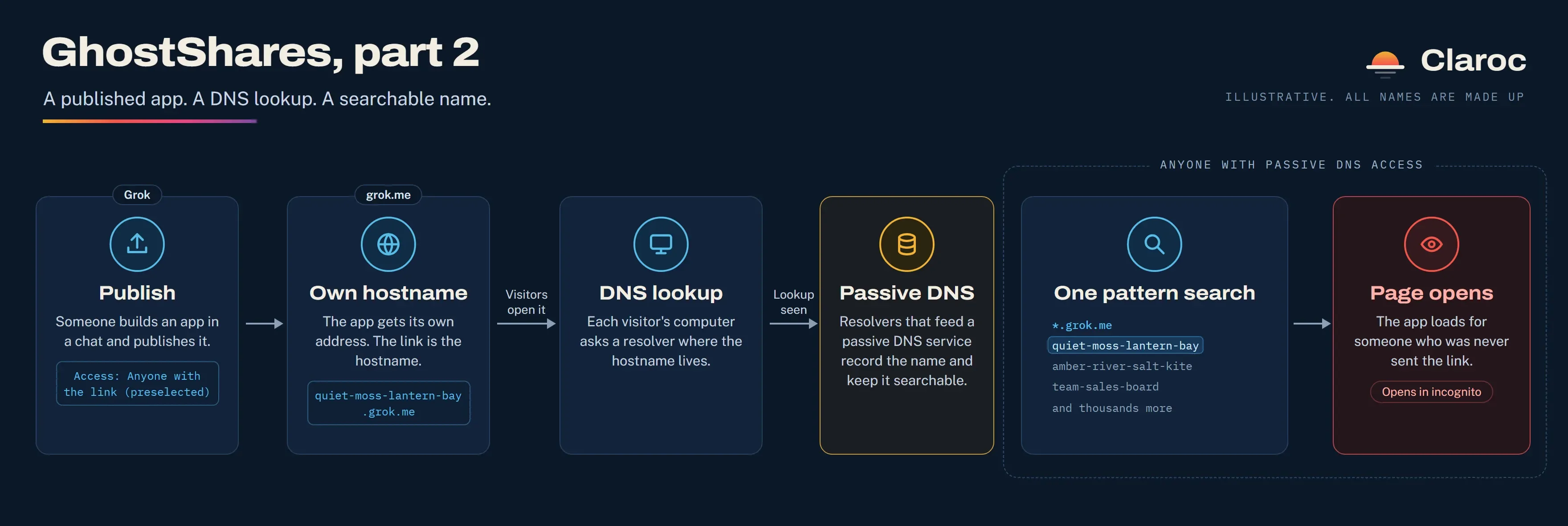
Researchers found 35,578 Grok-built apps open to anyone, 24 of them made by SpaceXSI staff
Security firm Claroc says 94.7% of the Grok apps still online opened without any sign-in, and some held patient records, staff rosters, and plain-text passwords. SpaceXSI says apps stay private until their creator shares them. Claroc's tests found the publish panel already set to Anyone with the link.
Clarocverified
Claude Code’s “don’t ask again” option has put more than 2,500 secrets into public GitHub repositories
Approving a command permanently copies the command, password included, into a project settings file that often gets committed. The security firm Apiiro counted 1,122 public copies of that file holding a real secret. Anthropic says it is looking at ways to prevent it.
Apiiroverified