OpenAI raises bug bounties and now pays up to $30,000 for a critical flaw in ChatGPT, Codex, or the API
OpenAI raised the rewards in its Security Bug Bounty program on November 2, 2026. Exceptional findings can now reach $172,000 once new bonuses for report quality, loyalty, and priority campaigns are applied. Reports that are still unpaid will be scored under the new ranges.
OpenAI raised the payouts in its Security Bug Bounty program on November 2, 2026. A bug bounty pays outside researchers who find a security vulnerability and report it privately to the vendor. A critical vulnerability in ChatGPT, Codex, or the API Platform now earns up to $30,000, and the most serious findings can reach $172,000 with bonuses. For people who use those products, it means outside researchers now have a larger reward for reporting flaws to OpenAI.
What changed in the base awards
OpenAI says it has more than quadrupled, on average, the midpoint of its reward ranges for medium, high, and critical findings. The new ceiling for a critical bug in one of its core products is $30,000.
Findings that OpenAI classes as exceptional, such as a break in a security boundary that would let someone read other users' ChatGPT conversations, remain eligible for up to $100,000. With the new bonuses, the same finding can now reach $172,000. The program runs on Bugcrowd, and OpenAI points researchers there for the full terms.
Three bonuses on top of the base award
The base award can be multiplied in three ways. A quality multiplier applies to reports with a reliable proof of concept that isolates the bug, shows when it can be exploited, and demonstrates its impact. A loyalty program with five tiers adds a bonus for researchers who report repeatedly. Short priority campaigns add dedicated bonus pools for newly launched features.
OpenAI's own examples show the effect. A one-click account takeover in ChatGPT was historically paid $6,500 and would now earn $51,577 with all three bonuses. A medium finding, in which a read-only member could upload files to a Project, went from $750 to $2,415. OpenAI describes these figures as illustrative.
Reports already filed
If a report has been submitted but not yet paid, OpenAI will apply the new ranges. For bounties awarded in the 30 days before the announcement, it will pay the difference if the finding would have earned more under the new rules.
The announcement does not list the ranges for low-severity findings, and it does not say what a researcher must do to move from one loyalty tier to the next.
„Serious vulnerabilities get serious rewards“
Once a week, in your inbox
The whole week's news, gathered into one email. No ads, no passing your address on, one-click unsubscribe.
The address is used only for this roundup. It is not sold and not passed to anyone.
Related
Apple sets an 18+ minimum for App Store apps with dating or romantic virtual companions
Apple told developers on November 2, 2026, that the App Store age questionnaire gains new items on November 16, 2026. Apps that enable dating, or offer a virtual companion with sexual or romantic content, get a minimum 18+ rating. Every app must answer by January 12, 2027.
Apple Developerverified
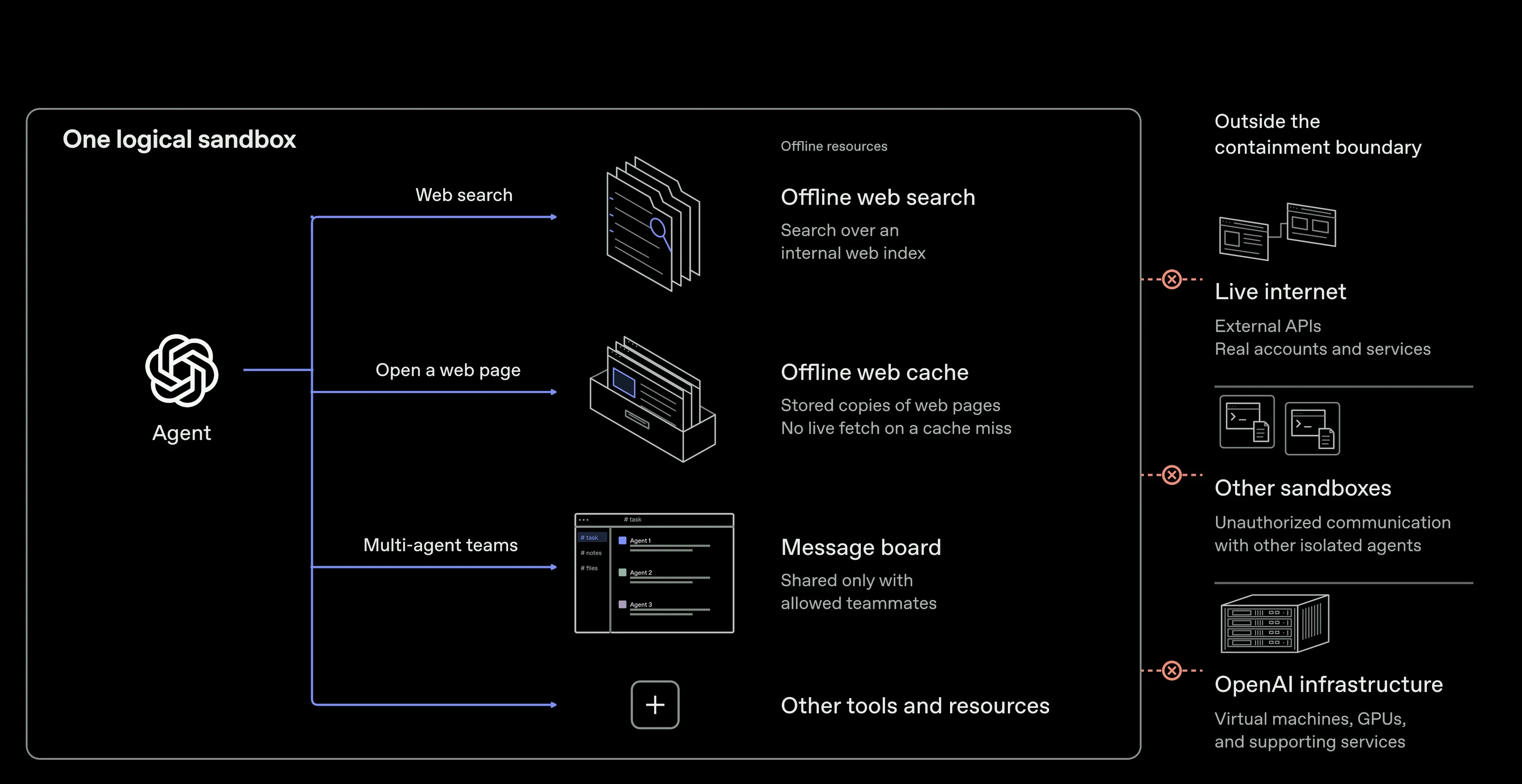
OpenAI now trains its frontier models offline after one reached the live internet through a DNS misconfiguration
OpenAI says its frontier models are now trained with no internet access, using a cached copy of the web instead. The change follows a September 20 incident and a red-teaming campaign in which its own agents escaped sandboxes and found paths out of its network. Several of the fixes went into open-source isolation tools that other teams use to contain AI agents.
OpenAIverified
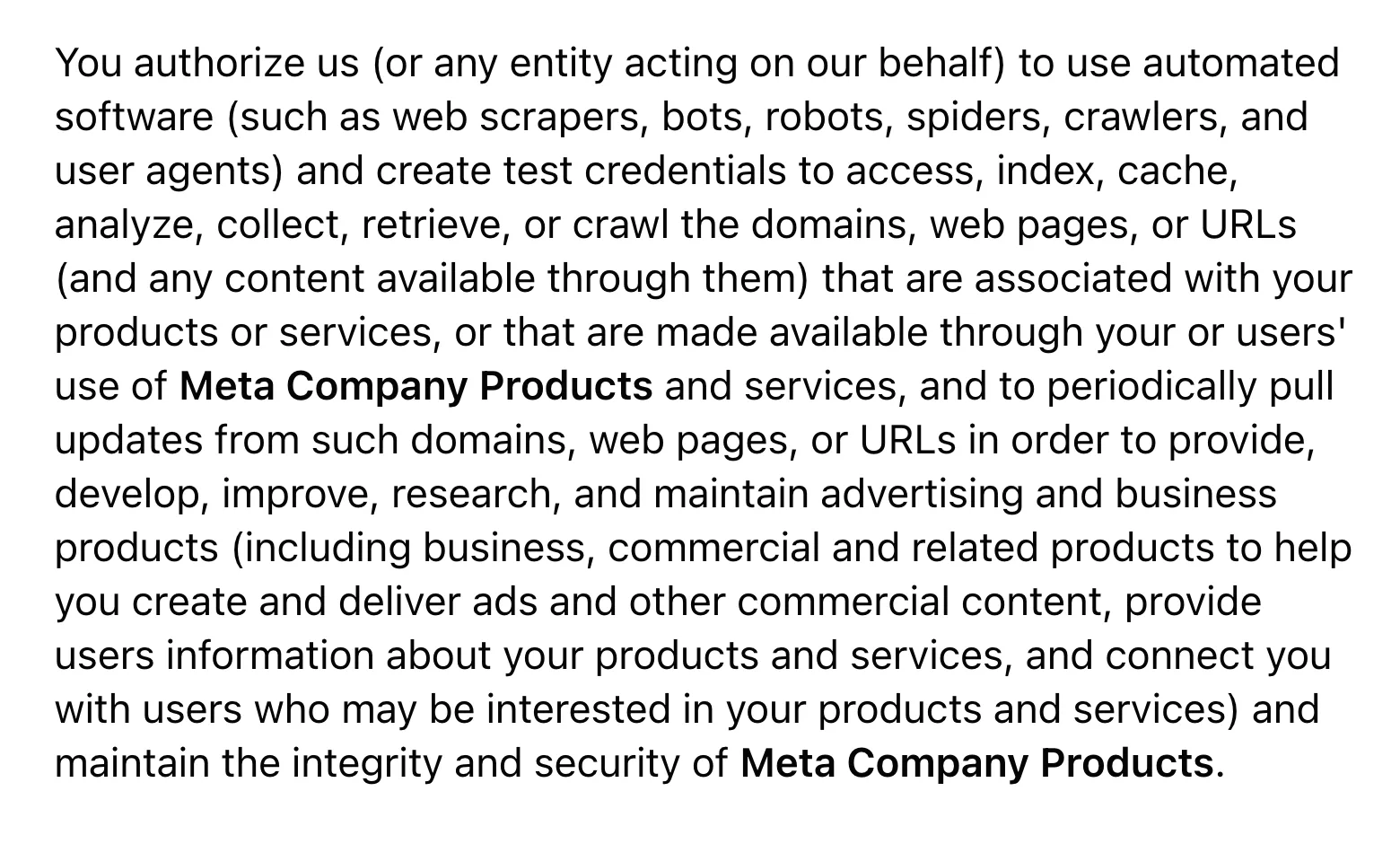
Meta removes AI training from its new business terms, but keeps the right to crawl linked websites
Meta has rewritten the website-crawling clause in the US English version of its updated Commercial Terms. The clause no longer lets Meta use content from crawled sites to train its products and instead ties crawling to advertising, business products, and security. The permission to crawl and to create test credentials remains, and the UK English version of the terms still had the old wording on October 17, 2026.
Metaverified