Safari 27.3 beta can darken light websites on its own, and the sites cannot detect it
The WebKit team introduced Adaptive Dark Mode on November 3, 2026. When a user turns it on, Safari recolors light pages that have no dark version of their own. Sites that declare dark mode support are left alone, and scripts keep reading the original colors.
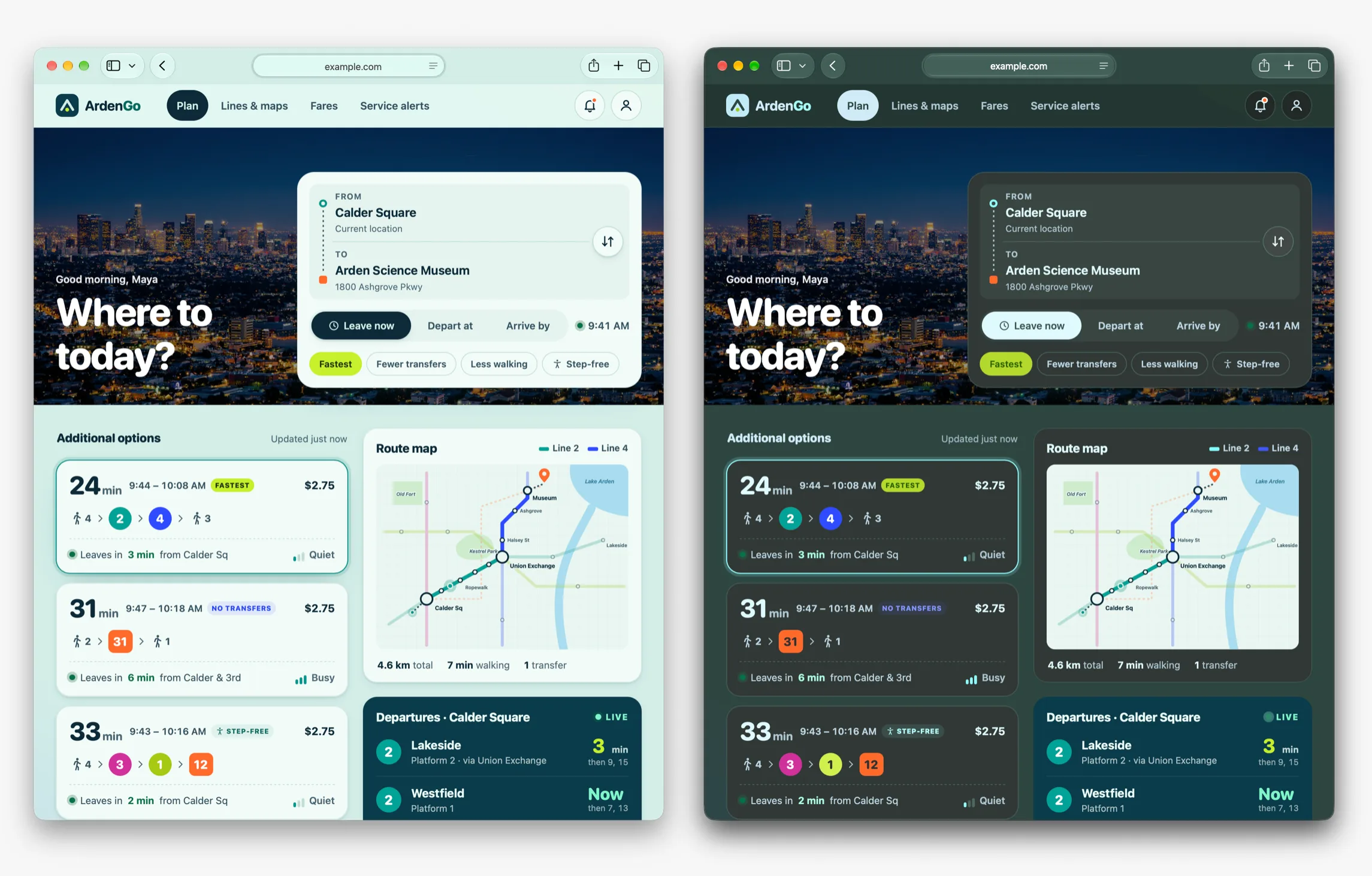
Safari 27.3 beta adds Adaptive Dark Mode, a setting that shows light websites in dark colors when they have no dark theme of their own, WebKit announced on November 3, 2026. The change matters to anyone who runs a site: a visitor who turns it on can see a page in colors its authors never chose, and the page has no way to find out.
What the visitor sees
The mode is opt-in. With the system appearance set to dark, a visitor who opens a site with a bright background gets a preview from Safari and accepts it by tapping Try.
WebKit presents the feature as an answer to a measured gap. According to the team's figures, almost 40% of web page loads come from users in dark mode, while only 10% of page loads support it.
How the page changes
Safari first looks for a signal from the site. A page that declares color-scheme: light dark in CSS, or <meta name="color-scheme" content="light dark"> in HTML, stays as it is. For the rest, Safari estimates whether the page is mostly light or mostly dark and changes only the light ones.
The core of the feature is a color matrix that inverts a color's luminosity, meaning how light or dark it is, while keeping its hue. Light backgrounds become dark and dark text becomes light. For text, the target is the 4.5:1 contrast ratio from WCAG, the web accessibility guidelines.
Images and effects are handled separately:
- Most images stay unchanged.
- SVG images are inspected and recolored when needed.
- Bitmap images are analyzed by pixel histogram, and simple black-and-white logos are inverted.
- Content in a
<canvas>element is left unchanged. - Effects such as masks and
mix-blend-modecan be switched off on a recolored element.
What site owners can do
A site that wants full control can build its own dark theme and declare it, and Safari then changes nothing. WebKit recommends declaring color-scheme in the HTML head or on :root or body in CSS, rather than injecting it later with JavaScript.
A site can also refuse the transformation with color-scheme: light only or the matching meta tag. WebKit notes that Safari 27.3 beta 1 does not yet support the only keyword, so that refusal cannot be tested in this build.
Pages that stay light benefit from smaller fixes: SVG logos instead of bitmaps, CSS colors instead of tiled background images, modern CSS instead of image sprites, and images with transparent backgrounds.
Why a site cannot tell
WebKit says this protects privacy. A detectable setting would give trackers one more signal for fingerprinting, the practice of recognizing a browser by its combination of traits. JavaScript that reads CSS colors therefore gets the authored values rather than the ones on screen, and images drawn into a <canvas> render in their original form.
The post gives no date for a stable release.
Once a week, in your inbox
The whole week's news, gathered into one email. No ads, no passing your address on, one-click unsubscribe.
The address is used only for this roundup. It is not sold and not passed to anyone.
Related

Researchers show a shared ChatGPT link could take over the account of whoever opened it
Parameter Labs chained a math library's message listener, an unsandboxed frame, and a YouTube endpoint to run code as chatgpt.com in a signed-in victim's session. According to the researchers, OpenAI fixed the flaw on October 26, 2026. MathLive, the library at the center of the chain, tightened its defaults on October 31. Sites that connect its virtual keyboard to a page on another origin now have to name the origins they trust.
Parameter Labsverified
OpenAI, Google, and Microsoft will honor one robots.txt signal against AI training
A proposed robots.txt token lets a site refuse generative AI training with one group of rules, for every company that adopts it. Microsoft starts honoring it on February 1, 2027. Google plans support in 2027, and OpenAI says it will follow in the coming months. The proposal is an individual Internet-Draft, not an IETF standard.
OpenAIverified
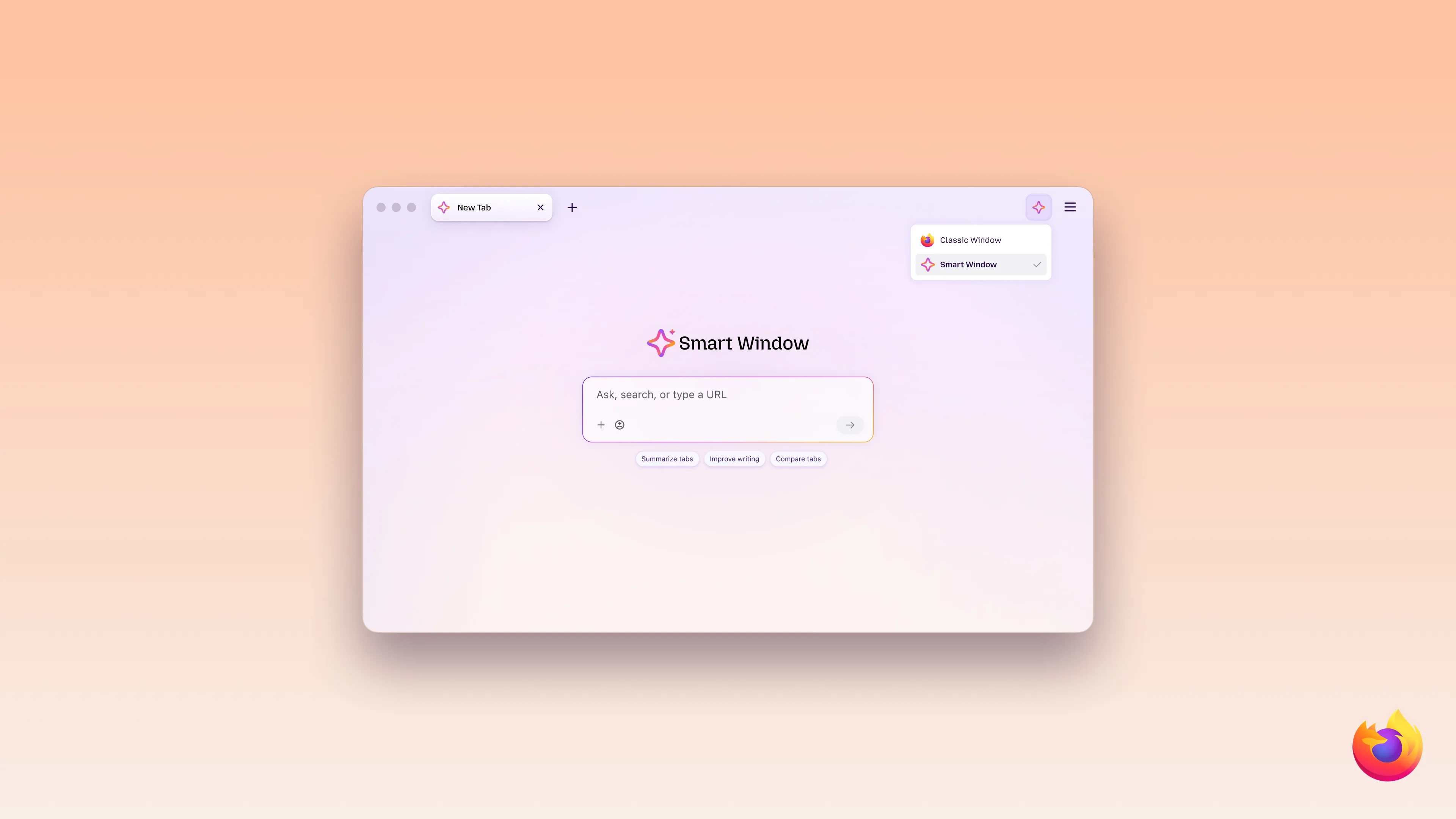
Firefox's Smart Window now fills forms from tabs you pick, using Google's Gemini 3.1 Flash Lite
Mozilla has added two features to Smart Window, the AI mode that Firefox users switch on themselves. One drafts answers for web forms from tabs the user selects, and the other watches up to five pages per task for a change the user describes. Information from the selected tabs is shared with Gemini 3.1 Flash Lite, while page watching relies on a Qwen model.
Mozillaverified