OpenAI, Google, and Microsoft will honor one robots.txt signal against AI training
A proposed robots.txt token lets a site refuse generative AI training with one group of rules, for every company that adopts it. Microsoft starts honoring it on February 1, 2027. Google plans support in 2027, and OpenAI says it will follow in the coming months. The proposal is an individual Internet-Draft, not an IETF standard.
Source
Making it easier for websites to express AI training preferencesOpenAI News · Original published October 30, 2026
OpenAI, Google, and Microsoft said on October 30, 2026, that they will honor a shared signal in robots.txt, the file a site uses to tell crawlers what they may fetch. The signal lets a site state once that it does not want its content used to train generative AI models, instead of writing separate rules for each company's crawler.
How the signal works
The mechanism is described in an Internet-Draft by Kevin Kelley of Anthropic, submitted on October 30, 2026. It adds no new directive. A site writes an ordinary robots.txt group under the name __usage_ai-training, a so-called policy token, and uses the familiar Disallow and Allow lines to mark where training is refused and where it is welcome.
The draft's own example refuses training for the whole site except one directory: User-Agent: __usage_ai-training, then Disallow: /, then Allow: /press-kit/. Paths are matched as in RFC 9309, the robots.txt standard, so the longest matching rule wins.
Three details change how existing files are read. A wildcard group, User-Agent: *, must not be treated as matching the token, so a general block on all crawlers does not count as a training preference. A file without the token expresses no preference at all. And the token governs the use of content, not crawling, so each crawler's own rules still decide what it may fetch.
Training has a narrow meaning here: using content to change the learned parameters of a generative AI model. The definition comes from the IETF working group called AI Preferences, and it excludes models used only for tasks such as classification, ranking, or scoring.
What each company has committed to
OpenAI says it aims to implement the signal in the coming months and will publish details when it does. Its existing crawler controls in robots.txt continue to apply.
Google says it aims to support the control in 2027, along with other AI providers. When a site uses the token to opt out and does not name Google-Extended, Google's existing training control, Google plans to treat that as if Google-Extended had been disallowed. Rules written specifically for Google-Extended keep working alongside the shared signal.
Microsoft's plan is the most detailed. Starting February 1, 2027, Bing will honor the shared training preference as it crawls. Microsoft also adds two controls of its own: a page-level training setting that overrides robots.txt, and a separate page-level preference for grounding, the use of a page to inform an AI-generated answer. Microsoft says neither choice changes whether a site can appear in ordinary Bing search results.
The draft has no formal standing yet. The IETF Datatracker lists it as an individual draft that the IETF has not endorsed, and the current version expires on May 3, 2027.
Deadlines for sites that use NoArchive or NoCache
Microsoft is retiring the controls it introduced for this purpose in 2023. The new preferences replace NoArchive and NoCache for training and grounding. After March 1, 2027, Bing will no longer read NoArchive and NoCache as a training preference, so a site that relies on them has to publish the new preference by then, in robots.txt or on individual pages.
For a single page, Microsoft accepts a meta tag or an HTTP header, for example <meta name="Bingbot" content="ai-training:disallow"> or X-Robots-Tag: Bingbot: ai-training:disallow. Grounding can only be set page by page. A site that wants to keep refusing grounding must publish the page preference and record a temporary preference in Bing Webmaster Tools before March 1, 2027.
Microsoft warns that refusing grounding, either with Disallow or with the narrower DisallowExtended, will significantly reduce a site's visibility in AI-generated answers.
„Existing company-specific controls will continue to function alongside this new joint signal.“
Sources
Once a week, in your inbox
The whole week's news, gathered into one email. No ads, no passing your address on, one-click unsubscribe.
The address is used only for this roundup. It is not sold and not passed to anyone.
Related
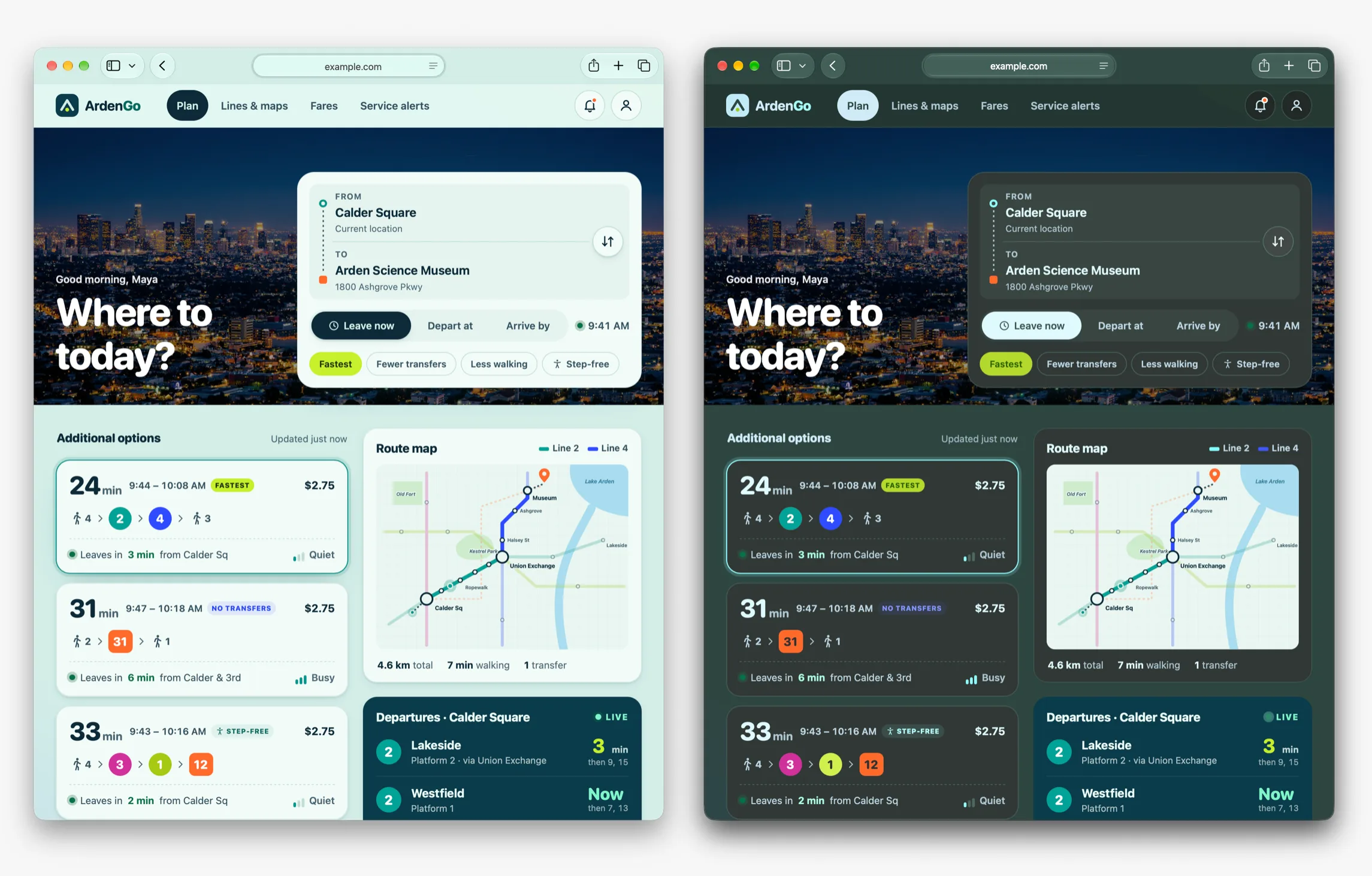
Safari 27.3 beta can darken light websites on its own, and the sites cannot detect it
The WebKit team introduced Adaptive Dark Mode on November 3, 2026. When a user turns it on, Safari recolors light pages that have no dark version of their own. Sites that declare dark mode support are left alone, and scripts keep reading the original colors.
WebKitverified

Researchers show a shared ChatGPT link could take over the account of whoever opened it
Parameter Labs chained a math library's message listener, an unsandboxed frame, and a YouTube endpoint to run code as chatgpt.com in a signed-in victim's session. According to the researchers, OpenAI fixed the flaw on October 26, 2026. MathLive, the library at the center of the chain, tightened its defaults on October 31. Sites that connect its virtual keyboard to a page on another origin now have to name the origins they trust.
Parameter Labsverified
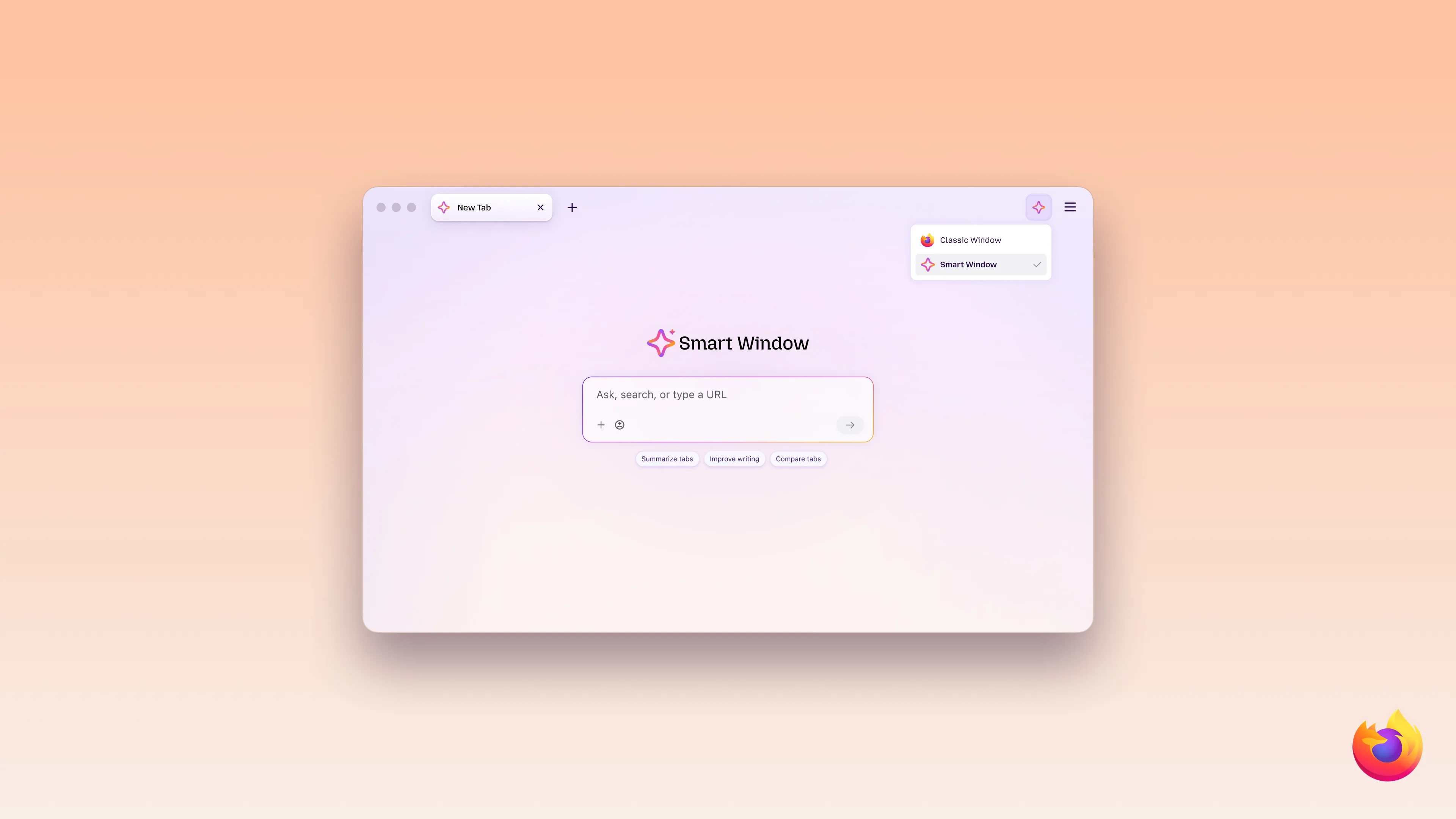
Firefox's Smart Window now fills forms from tabs you pick, using Google's Gemini 3.1 Flash Lite
Mozilla has added two features to Smart Window, the AI mode that Firefox users switch on themselves. One drafts answers for web forms from tabs the user selects, and the other watches up to five pages per task for a change the user describes. Information from the selected tabs is shared with Gemini 3.1 Flash Lite, while page watching relies on a Qwen model.
Mozillaverified