Skip to content

Tags

computer use

6 items
Glowing multicolor dots wordmark above four colorful plush dot characters on a black background.
Agentsstrong signal

OpenAI launches Dots, always-on agents with their own cloud computer, for Pro and Business Premium plans

A dot runs on GPT-6 Astra, has its own cloud computer and browser, and reaches more than 4,000 apps through plugins. It messages you with progress and questions in ChatGPT, Slack, or Teams, and keeps working while you are away. The first dot is included in a Pro or Business Premium plan, and talking to it does not count against ChatGPT limits. Enterprise workspaces get a beta that is off until an administrator turns it on.

OpenAIverified
DevDay 2026 Recap artwork with colorful illustrated circles on a black background.
Agentsstrong signal

Codex gets reusable cloud environments, voice control in the CLI, and repository security scans

OpenAI turned Codex cloud tasks into published environments that a team can reuse, with each task in its own workspace and work continuing while your laptop sleeps. The CLI takes spoken instructions and shows parallel tasks in a new view. Codex Security Cloud scans whole GitHub repositories and prepares fixes in the cloud. The Agents API now drives a computer, and a Bedrock version runs the same agents inside AWS.

OpenAIverified

Agentsmedium signal

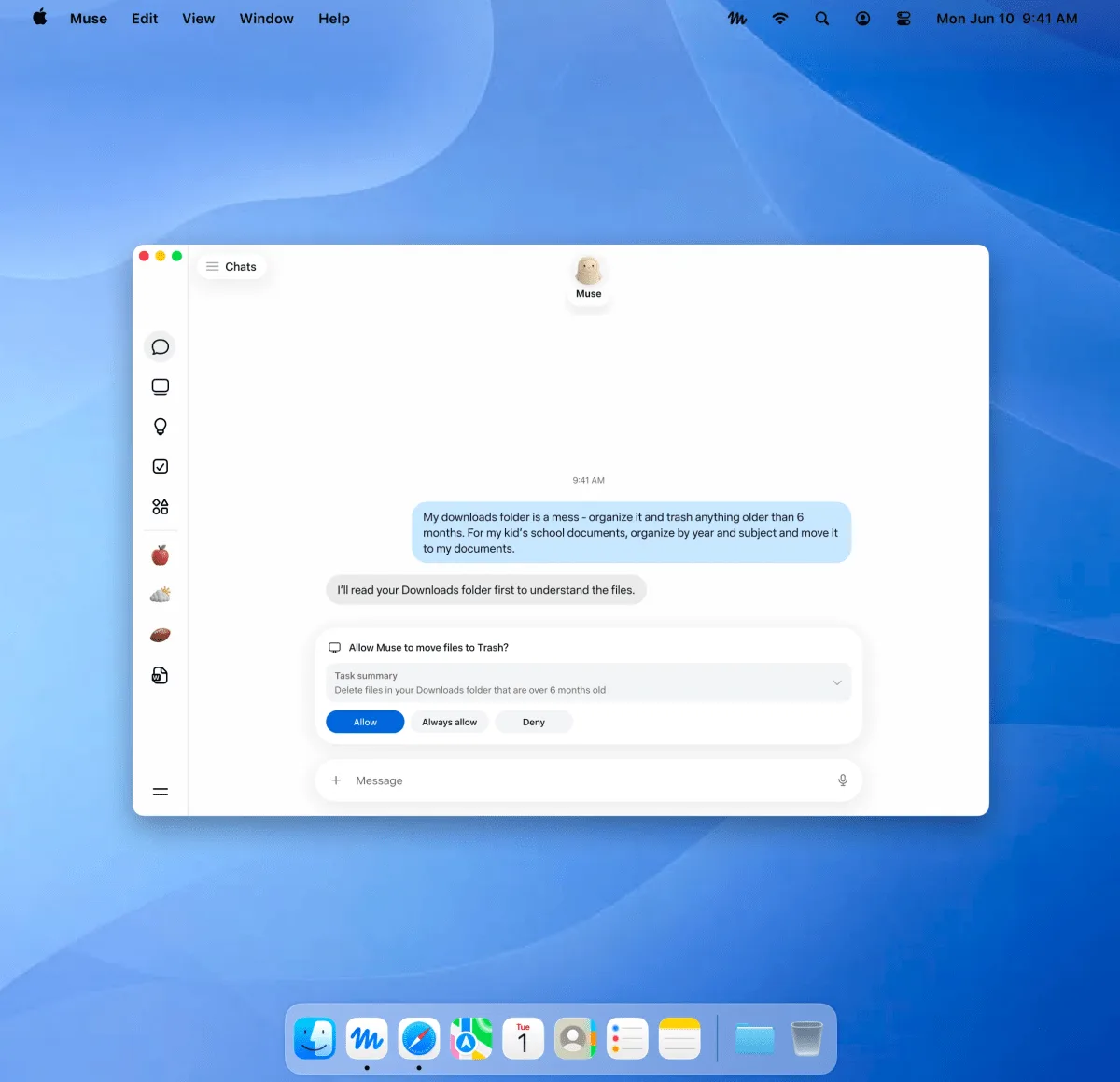
Meta's Muse reached the Mac, where the agent acts inside your own files and apps

Meta announced Muse on September 8, 2026 as a personal agent that does things rather than answers questions, and named iOS, Android and the web, with AI glasses still to come. The Mac app arrived nine days later, announced by Alexandr Wang on X rather than through the company newsroom. The difference is not only the platform. Until now Muse worked inside a virtual machine Meta runs, watched by a second agent that has to approve anything leaving for the internet; the Mac app works in files, apps and browser tabs on a machine Meta does not run.

Metaverified

Agentsstrong signal

Gemini Spark vs Claude's browser toolset: whose account, whose risk

Both drive a web browser, both stop before the step that cannot be undone, and their lists of stopping points are nearly the same. The difference is what each assumes about the session it runs in: one is built on the accounts you are already signed into, the other tells you to give it a browser with no credentials in it. That single assumption decides which of the two belongs anywhere near your work.

Google, Anthropicverified

Agentsmedium signal

Claude gets a separate toolset for driving a browser

August 19 brought two changes to how Claude operates someone else's screen. The computer use tool moved to general availability as computer_toolset_20260801, with no beta header, actions grouped into a single turn, and zoom enabled from the start. Alongside it came browser_toolset_20260801, a separate set of 31 tools that works inside a browser you run yourself rather than across the whole desktop. The important difference is that this set reads the page accessibility tree and returns element references, so a click targets a reference such as ref_2 instead of a point in pixels — and that survives a layout shift.

Anthropicverified