Claude Code 2.1.325 stops background sessions on a claude.ai login from billing an API key from the shell
Anthropic released Claude Code 2.1.325 on November 13, 2026. A background session started under a claude.ai login no longer picks up an API key or token from the shell that launched the background service, and no longer bills its work to that key. The release also keeps token counting from sending conversations to Amazon Bedrock when an organization's settings rule Bedrock out, and fixes a security issue in zstd decoding that the notes do not describe.
Claude Code 2.1.325, published on GitHub on November 13, 2026, fixes a billing error in background sessions. A user signed in with a claude.ai account could start a session in the background, and Claude Code would then use an API key or token from the shell that had launched the background service. The work was billed to that key instead of going through the claude.ai sign-in.
Billing and sign-in in background sessions
Claude Code can keep working in the background after the terminal that started it is closed. According to the release notes, such a session could take its credentials from the environment of the background service rather than from the account the user had signed in with.
The same release fixes more cases in which a session switched to another sign-in while it ran in the background. Claude Code now refuses that switch and shows a message saying what works instead. The notes do not say which earlier versions were affected, how long the error lasted, or how many users were charged.
Conversations that reached Bedrock despite the setting
Organizations can apply managed settings to Claude Code, and one of them, allowedProviders, can rule out a provider such as Amazon Bedrock. Until this release, token counting on Bedrock still sent the conversation to Bedrock when that setting did not allow it. Token counting measures how many tokens, the units a model reads text in, a conversation takes up.
Two other fixes concern security. The first line of the release notes reports a fixed security issue in how Claude Code decodes responses compressed with zstd, without saying what the issue was. The /insights command also wrote two values into its HTML report without escaping them, so special characters went into the page unneutralized.
Sessions through third-party gateways
Sessions that ran through many third-party gateways, and through Foundry, stopped with a context length error on every turn. Claude Code now compacts the conversation in those cases, which means it condenses the earlier part of the exchange to make room for new turns.
Once a week, in your inbox
The whole week's news, gathered into one email. No ads, no passing your address on, one-click unsubscribe.
The address is used only for this roundup. It is not sold and not passed to anyone.
Related
GitHub will bill organizations for Copilot code review by default starting December 30
GitHub said on November 25, 2026, that Copilot code review for licensed members will be billed to the organization that owns the repository whenever no billing choice has been saved. The change applies to Copilot Business and Copilot Enterprise. Administrators who want to keep the current arrangement have to select Member before December 30, 2026.
GitHub Changelogverified
OpenClaw 2026.11.10 turns on Deep Research by default and lets users take over the agent's browser
OpenClaw's new release includes Deep Research, which looks through several sources and returns a report with quotes and gaps marked. It is on by default and uses the models the user has already set up. A second addition lets a user take over a browser tab during a sign-in, although the agent can still capture the page. The optional Knowledge plugin stores memory in local Markdown files.
OpenClawverified
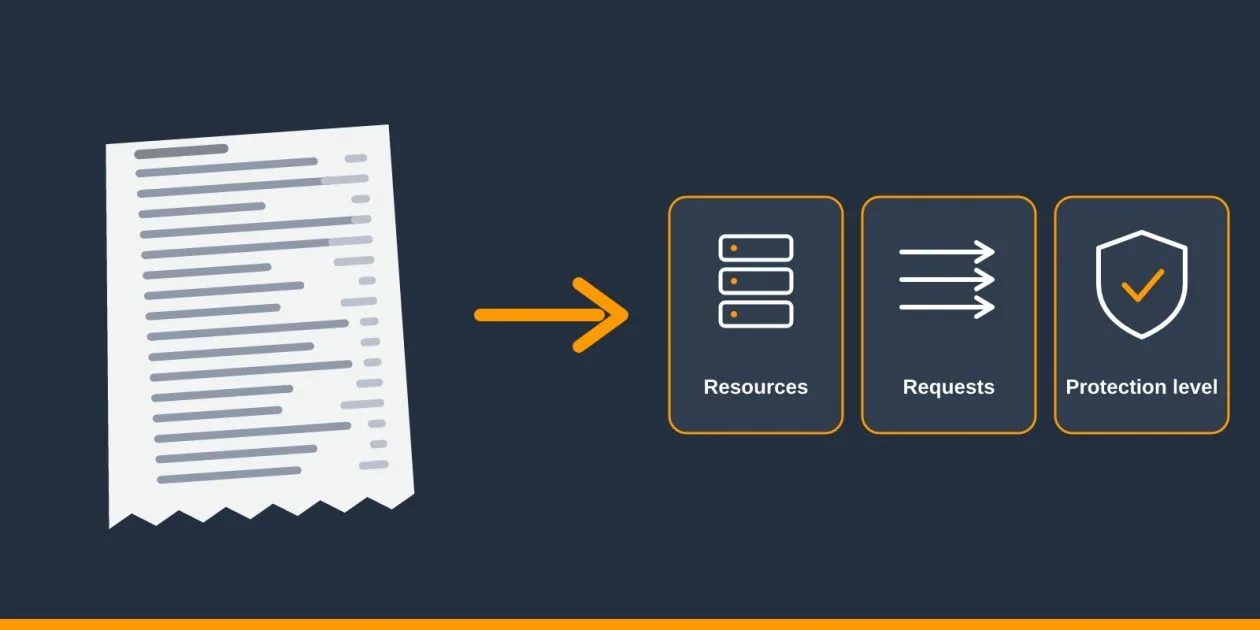
AWS WAF will bill each protected resource from February 2027 and drop its fees for rules
Amazon is changing how it charges for AWS WAF, the firewall that filters traffic to web applications. Rules and rule sets become free, while every protected resource gets an hourly fee. Sites with many rules on a few resources stand to pay less, and companies that cover many resources with one rule set can pay several times more.
AWSverified