Claude Code now warns about the permission rule that looks narrow and is not
Version 2.1.246 adds a startup warning for Bash allow rules that put a wildcard before the subcommand, such as Bash(git * main). It also puts auto mode's classifier rules into the permissions screen where they can be read and edited.
A permission rule is a promise you make to yourself about what a tool may do without asking. Claude Code 2.1.246, released on August 25, adds a warning at startup for a shape of rule that quietly breaks that promise: an allow rule for Bash with a wildcard sitting before the subcommand.
Why the wildcard position matters
Written as Bash(git * main), the rule reads like permission for one narrow thing. The wildcard sits where the subcommand goes, and the release notes are specific about what that means: such a rule also matches when options are inserted ahead of the subcommand. The distance between what the rule looks like and what it grants is the entire problem, and until now nothing pointed it out.
The warning fires at startup rather than at the moment the command runs, which is the right time for it: a permission list is written once and then trusted for weeks.
Auto mode's rules stop being invisible
The same release adds an Auto mode tab to the permissions screen, for viewing and editing the classifier rules that decide what auto mode may do on its own. Rules that decide things on your behalf and cannot be read are difficult to trust; this makes them a list like any other.
The rest of the release is a long run of fixes rather than features, among them background sessions that failed to open, MCP tool arguments sent as JSON strings, and the Write tool reporting an out-of-memory error on large files.
Corrections
An earlier version explained that a rule of the form Bash(git * main) covers any git subcommand at all. After checking the primary source the explanation has been corrected: the release notes say such a rule also matches when options are inserted ahead of the subcommand, which is the reason the warning exists.
Once a week, in your inbox
The whole week's news, gathered into one email. No ads, no passing your address on, one-click unsubscribe.
The address is used only for this roundup. It is not sold and not passed to anyone.
Related
GitHub will bill organizations for Copilot code review by default starting December 30
GitHub said on November 25, 2026, that Copilot code review for licensed members will be billed to the organization that owns the repository whenever no billing choice has been saved. The change applies to Copilot Business and Copilot Enterprise. Administrators who want to keep the current arrangement have to select Member before December 30, 2026.
GitHub Changelogverified
OpenClaw 2026.11.10 turns on Deep Research by default and lets users take over the agent's browser
OpenClaw's new release includes Deep Research, which looks through several sources and returns a report with quotes and gaps marked. It is on by default and uses the models the user has already set up. A second addition lets a user take over a browser tab during a sign-in, although the agent can still capture the page. The optional Knowledge plugin stores memory in local Markdown files.
OpenClawverified
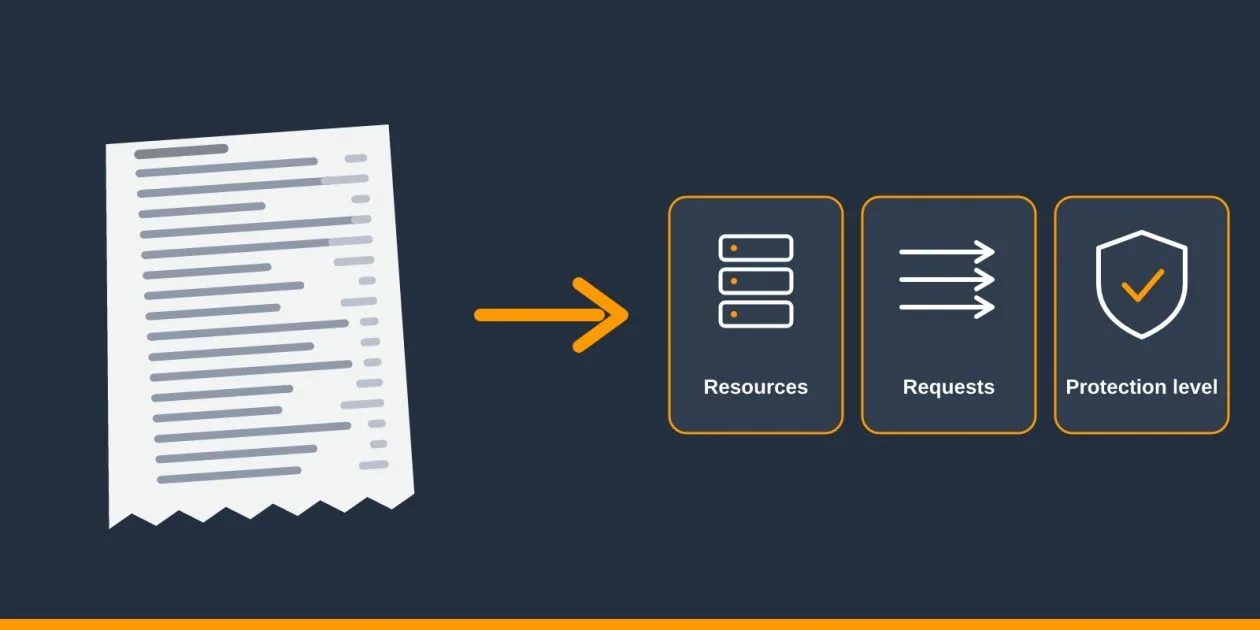
AWS WAF will bill each protected resource from February 2027 and drop its fees for rules
Amazon is changing how it charges for AWS WAF, the firewall that filters traffic to web applications. Rules and rule sets become free, while every protected resource gets an hourly fee. Sites with many rules on a few resources stand to pay less, and companies that cover many resources with one rule set can pay several times more.
AWSverified