Deno's team joins Cloudflare, and the Deno runtime gets one more year of updates
Ryan Dahl announced on October 9, 2026 that the whole Deno team is moving to Cloudflare. The Deno runtime will get monthly fixes for one more year before development ends, and Deno Deploy will shut down after six months. JSR keeps running.

The Deno team is joining Cloudflare, Ryan Dahl announced on October 9, 2026. Dahl created both Node.js and Deno. For people who build on Deno, the announcement sets two deadlines: the Deno runtime gets bug-fix and security releases for one more year, and Deno Deploy, the company's hosting service, stays online for six months before it shuts down.
What changes for Deno users
Cloudflare will support the runtime with monthly releases during that year. After it, Deno says it will end its own development of the runtime. The code remains open source, and the company invites others to continue the project.
Deno Deploy has the shorter clock. Paying customers will get help moving to Cloudflare Workers, but neither post gives an exact shutdown date. JSR, the JavaScript package registry Deno launched, keeps running, and its infrastructure moves to Cloudflare. Cloudflare will also keep supporting rusty_v8, the Rust bindings to the V8 engine, and plans to integrate it into workerd.
The announcement does not say what happens to Fresh, the Deno standard library, Subhosting, or Deno Sandbox.
What the team will build instead
In August, the Deno team released celld, an open-source implementation of the Workers and Durable Objects model. Cloudflare describes it as a single Rust binary whose only external dependency is object storage. Cloudflare's own workerd is open source too, but its Durable Objects support runs on a single instance, which suits local testing more than production.
The two companies say they are merging workerd and celld. Dahl and Bert Belder will lead the work to make self-hosting a first-class way to run applications on the Workers model, and Cloudflare promises more details in the coming months.
Sources
Related
Python 3.15 makes UTF-8 the default encoding and adds explicit lazy imports
Python 3.15.0 came out on October 9, 2026. Files opened without an explicit encoding are now read and written as UTF-8 on every system, and a new lazy import statement defers loading a module until it is used. The release also adds frozendict and a sampling profiler.
Python Software Foundationverified

Anthropic's OSS Scanner sends open-source maintainers free vulnerability reports that no human has reviewed
Anthropic launched OSS Scanner on October 8, 2026, an opt-in service that scans eligible open-source projects with its strongest models, including Claude Mythos, at no cost. Each report includes a reproducer, an explanation, and a candidate patch when one exists, but no person checks it before it is sent. Anthropic says it expects more than 90% of findings to be real.
Anthropicverified
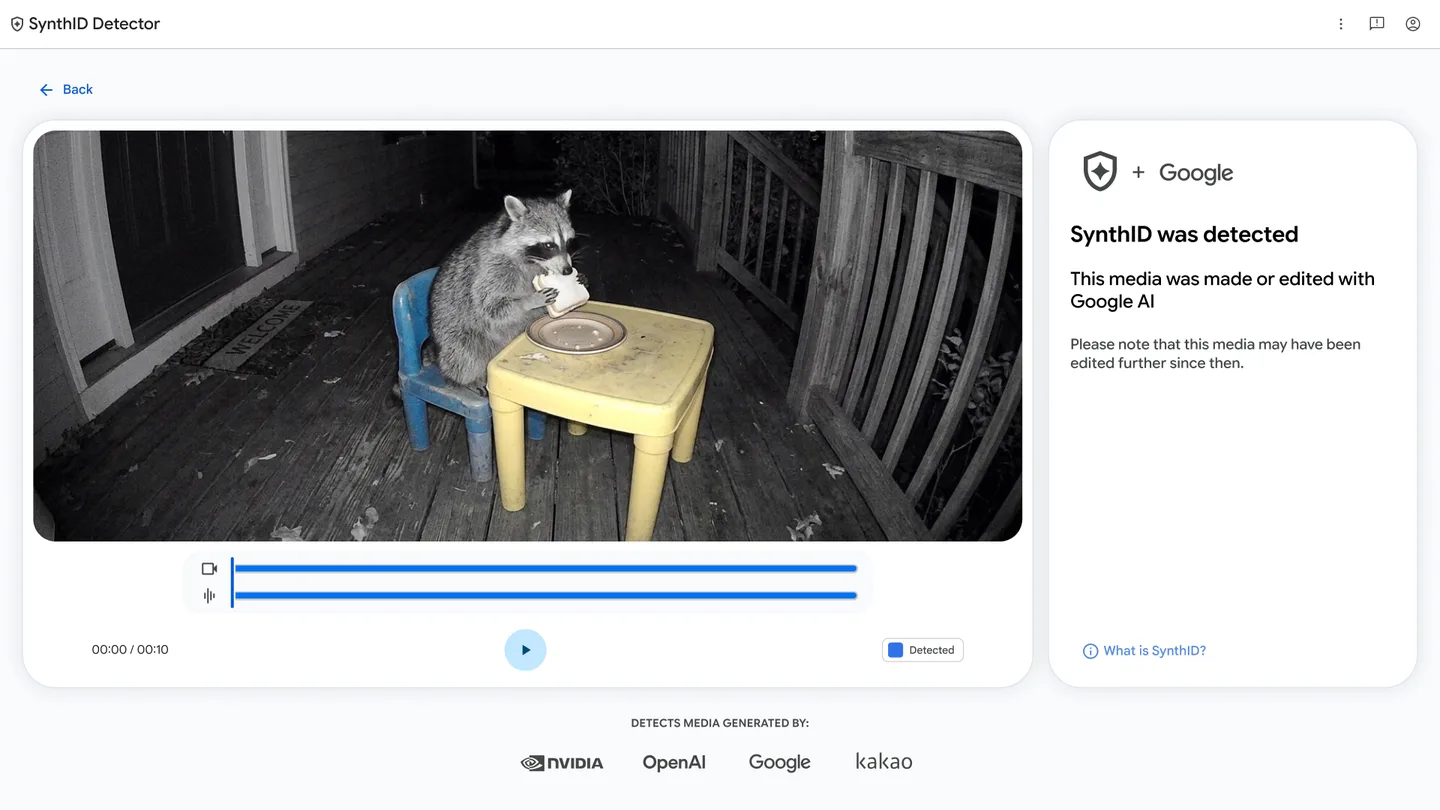
Google opens the SynthID detector to everyone, and it now reads OpenAI, NVIDIA, and Kakao watermarks too
On October 7, 2026, Google DeepMind made its SynthID Detector available to anyone, worldwide and in English, at synthid.com. The tool reports whether an image, video, or audio file carries a SynthID watermark from Google or from its partners OpenAI, NVIDIA, and Kakao, with Apple listed as coming soon. According to Ars Technica, you sign in with a Google, ChatGPT, or Apple account and get roughly 10 checks a day. A negative result does not mean the file is authentic.
Google DeepMindverified