Google Messages adds an opt-in mode that checks unknown senders with cloud Gemini models
Google announced new scam protections for Android on October 14, 2026. An opt-in Enhanced protection mode in Google Messages sends conversations with unknown senders to Gemini models in the cloud and checks unfamiliar links on the device. Android will also hide login and payment fields during screen sharing in Chrome and block apps from quietly forwarding calls.
Source
New Android protections to help keep you safe from mobile scamsGoogle: The Keyword, AI · Original published October 14, 2026
On October 14, 2026, Google announced a set of scam protections for Android. The main one is Enhanced protection, an opt-in setting in Google Messages that rolls out over the coming weeks. With it on, Scam Detection sends conversations with unknown senders to Google's Gemini models in the cloud, on top of the existing on-device check. Google also added safeguards for screen sharing and call forwarding, two tricks scammers use to steal passwords and one-time codes.
What Enhanced protection changes
Scam Detection in Google Messages has so far analyzed messages on the phone itself. Google says scammers now hide their intent in slow conversations that build trust over many messages. In Enhanced protection mode, those conversations with unknown senders are analyzed by cloud Gemini models through Private AI Compute. Google says data there is encrypted and processed in a dedicated secure space that no one but the user can access, Google included. This part works on Pixel 6 and later, Galaxy S24 and later, Galaxy Z Flip6 and Z Fold6 and later, and other devices with AICore.
The same mode adds two link checks. Gemini Nano, the model that runs on the phone, uses real-time web signals to judge whether an unfamiliar link is safe before it is opened. That needs a Pixel 10 or later, a Galaxy S26, a Galaxy Z Flip8 or Z Fold8, or another select device. Links from numbers not saved in contacts also get a redesigned warning that asks the user to pause before tapping. That warning was limited to some countries or to Android Advanced Protection, and it now works on Android 6 and later.
Calls and screen sharing
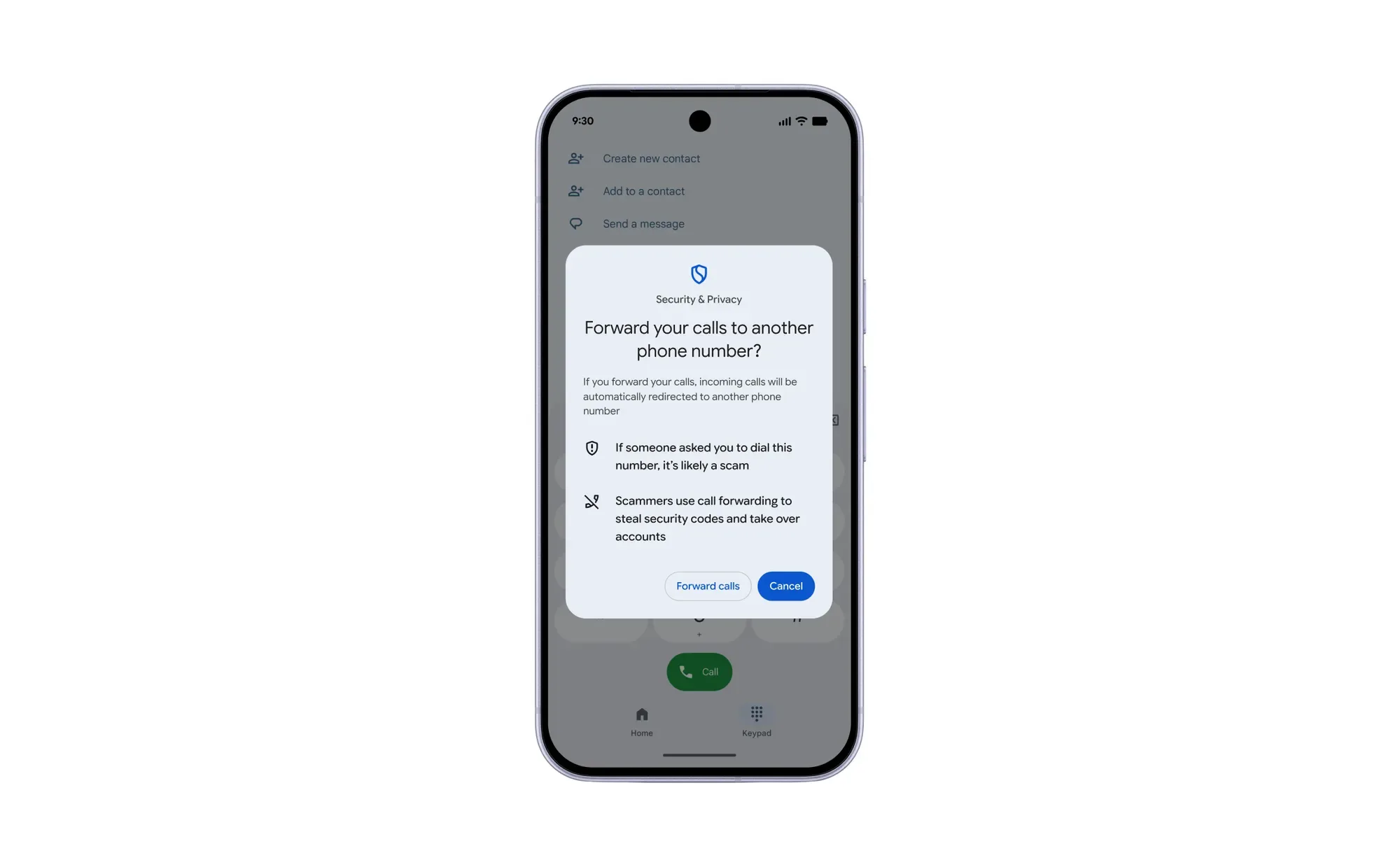
Android already hid sensitive fields in its own apps during screen sharing. It now also blanks login fields and payment screens in Chrome and Android WebView, the component that shows web pages inside other apps. Separately, Android will block apps from turning on call forwarding in the background, a trick scammers use to receive one-time passcodes. If someone persuades a user to type a forwarding code on the dial pad, known as an MMI code, Android warns before it takes effect.
For bank impersonation, Android checks with official banking apps whether the bank actually placed an incoming call and hangs up on calls that fail the check. Google says this blocked more than 3 million spoofed calls for Banco do Brasil and Itaú Unibanco alone since June, and that Revolut customers are covered too.
When it arrives
The features reach devices on different schedules, and the post adds that some may not be available in all countries.
- Enhanced protection in Google Messages: an opt-in setting, rolling out over the coming weeks.
- Screen-sharing protection in Chrome and WebView: rolling out in October on Android 15 and later.
- Call-forwarding protection: from early December on Pixel and other select devices.
- Scam alerts in chat notifications: expanding from Pixel to phones from HONOR, Motorola, OPPO, OnePlus, Xiaomi, and other makers, which Google says will reach hundreds of millions more users later this year.
Related
Anthropic closes standalone Claude Design on December 14 without carrying over chats
The standalone Claude Design site at claude.ai/design closes on December 14, 2026, and the address will then lead to Claude. Design systems can be migrated now with one button, but chats with Claude and comments on projects stay behind and are deleted. Anthropic has not yet said how projects will move.
Anthropicverified
Figma opens code layers and Markdown Specs in beta and builds Payload into Figma Make
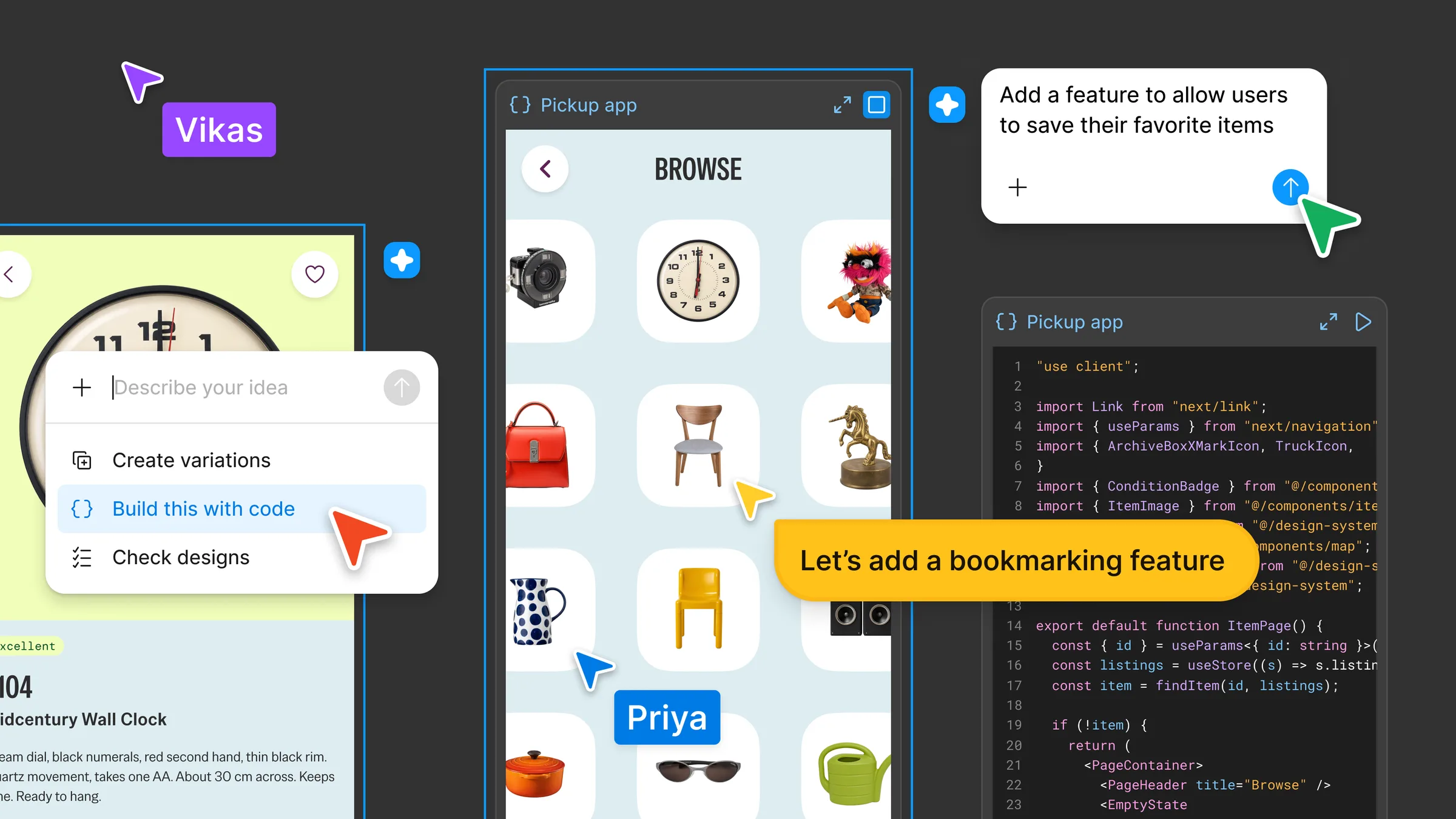
On October 15, 2026, Figma opened code layers, which keep working code prototypes on the design canvas, to everyone in beta, along with Specs, a Markdown document that sits next to designs. Code layers use AI credits, but creating and editing them is free on paid plans through November 4. Figma Make now sets up a Payload backend with a database, user login, and an admin panel.
Figmaverified
Next.js 16.4.1 and 15.5.28 fix two critical remote code execution flaws
Next.js shipped an out-of-band security update on October 14, 2026, as versions 16.4.1 and 15.5.28. It fixes three vulnerabilities that come from upstream dependencies: two critical flaws that let an unauthenticated attacker run code on the server, and one high-severity denial of service in Server Actions. Two of the fixes were held back from the September security release.
Next.js Blogverified