Anthropic closes standalone Claude Design on December 14 without carrying over chats
The standalone Claude Design site at claude.ai/design closes on December 14, 2026, and the address will then lead to Claude. Design systems can be migrated now with one button, but chats with Claude and comments on projects stay behind and are deleted. Anthropic has not yet said how projects will move.

Source
Migrate from standalone Claude Design to ClaudeClaude Blog · Original published October 16, 2026
Anthropic will close the standalone version of Claude Design at claude.ai/design on December 14, 2026. After that date the address will lead to Claude, where Design has also worked inside every conversation since September 16, 2026. Design systems can be moved over now, but chats with Claude and comments on projects will not be carried over and will be deleted. Claude Code 2.1.302, released on October 16, 2026, now shows the closing date in its /design-sync and /design-login commands.
What moves and what does not
A design system is the set of colors, typefaces, components, and rules Claude uses to keep designs consistent with a brand. On the Artifacts page in Claude, a "Migrate team design systems" button moves every design system in an organization in one run, including other people's. Anyone who can use Claude Design can start it, and the originals stay unchanged in the standalone version until it closes.
Empty design systems are not migrated, and neither are those built from a built-in starter theme, even if they were edited later. Published design systems that are not private become visible to everyone in the organization; on individual plans nothing is shared. A migrated design system cannot yet be edited on its own page, so changes go through Claude.
Projects stay in the standalone version and keep working until it closes, and the Artifacts page in Claude lists up to 60 of them. Anthropic says more details on moving projects are coming soon and has not described how that will work. Chats with Claude and comments on projects and design systems stay behind and are deleted after the closure, in December 2026, under Anthropic's data retention practices. Public links to standalone projects stop working at the same time.
Why Anthropic is folding it in
Claude Design started as a separate site. Since September 16, 2026, it has also worked inside every Claude conversation, where it can use the conversation's context, files, and connectors. Anthropic says that running two versions slows down fixes for both. It announced the closure on October 8, 2026, in the same post that took Docs, Slides, and Design out of beta on every plan, including Free.
In Claude, a new design is created as an artifact, so Design depends on artifacts being turned on. In an organization where the owner has switched artifacts off, people can neither create designs in Claude nor migrate anything. On Enterprise plans design systems are off by default, according to Anthropic's migration guide, so an owner has to turn them on before anyone can migrate.
„Running two versions slows down fixes for both“
Sources
Related
Figma opens code layers and Markdown Specs in beta and builds Payload into Figma Make
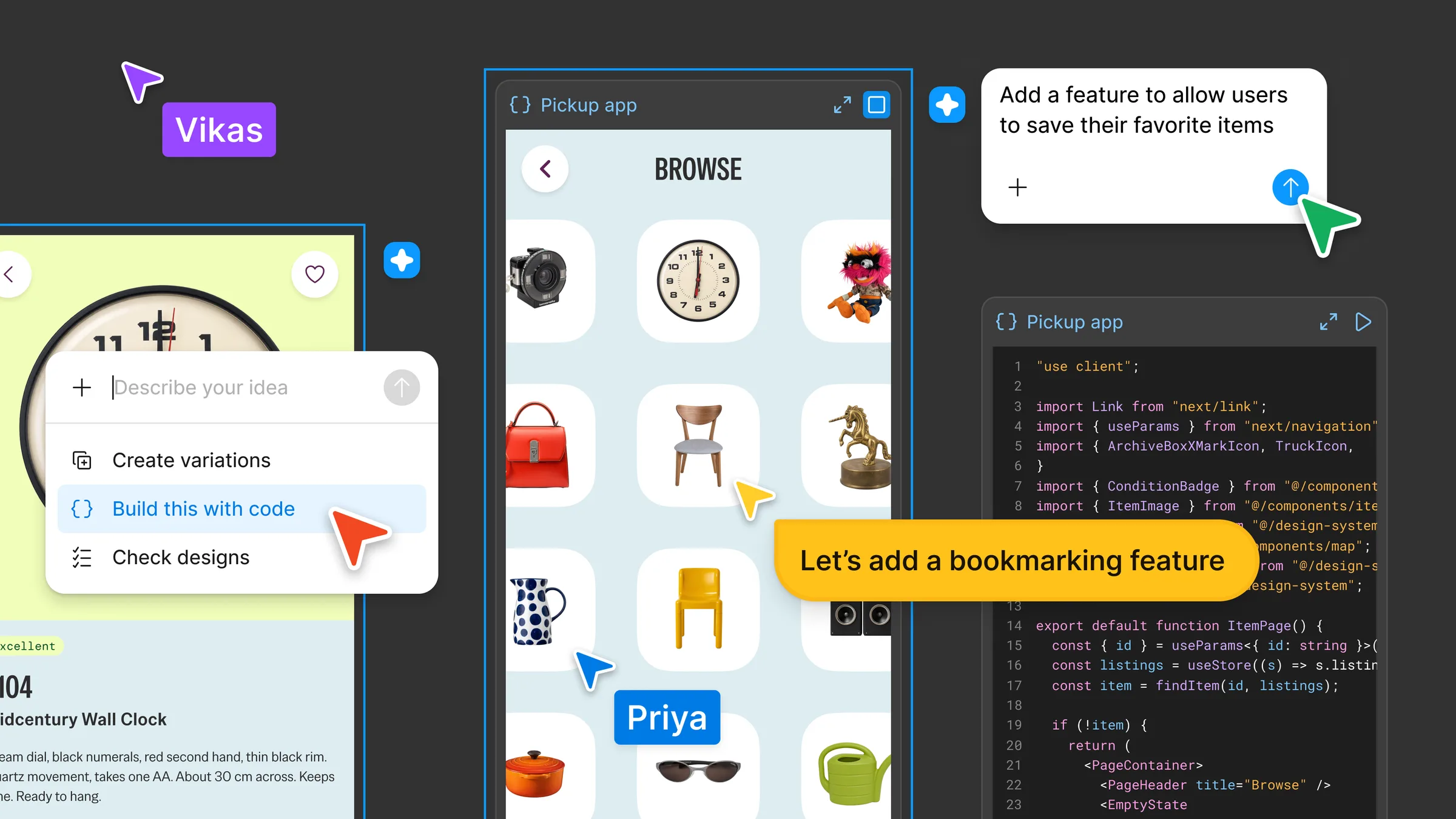
On October 15, 2026, Figma opened code layers, which keep working code prototypes on the design canvas, to everyone in beta, along with Specs, a Markdown document that sits next to designs. Code layers use AI credits, but creating and editing them is free on paid plans through November 4. Figma Make now sets up a Payload backend with a database, user login, and an admin panel.
Figmaverified
Google Messages adds an opt-in mode that checks unknown senders with cloud Gemini models
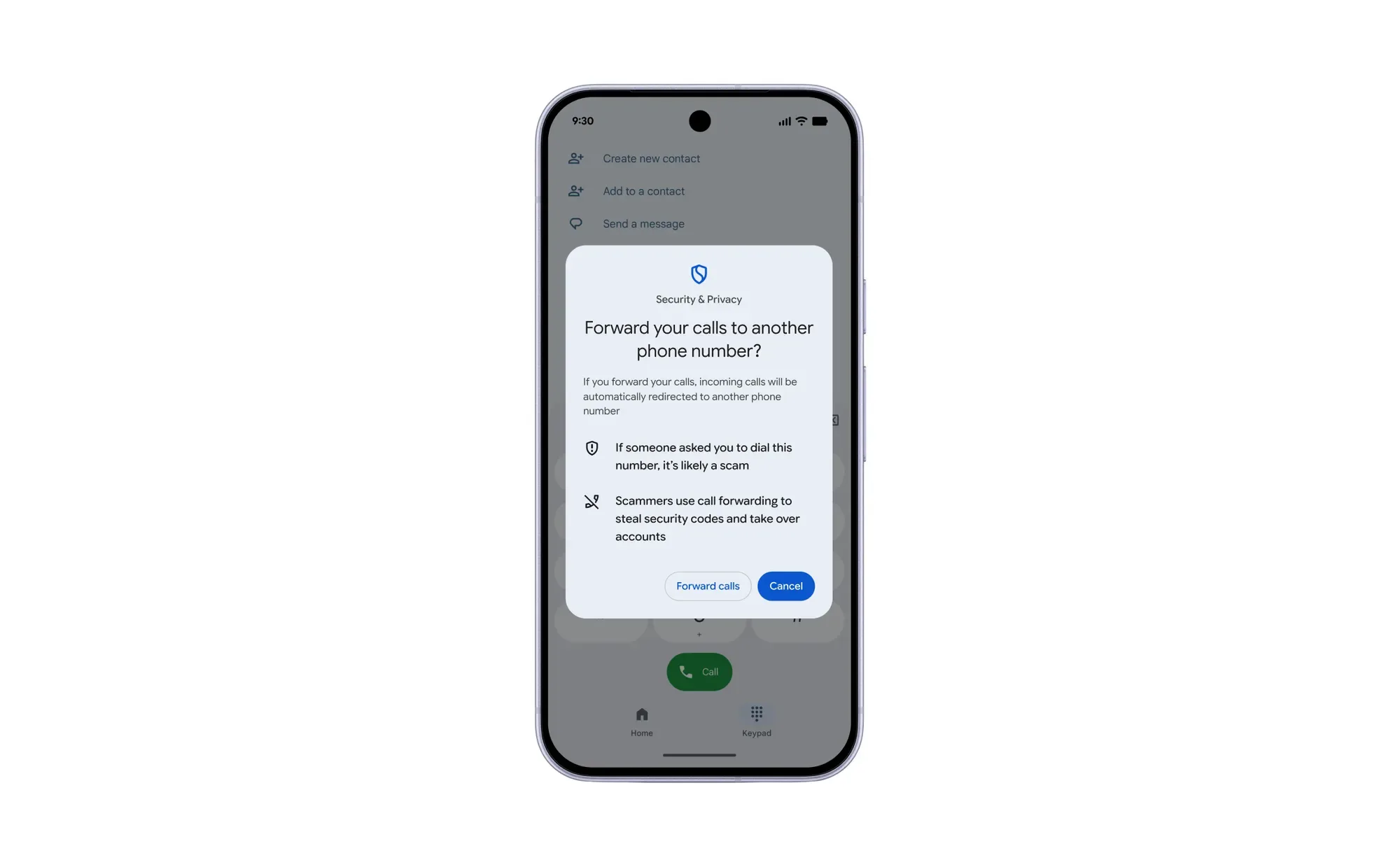
Google announced new scam protections for Android on October 14, 2026. An opt-in Enhanced protection mode in Google Messages sends conversations with unknown senders to Gemini models in the cloud and checks unfamiliar links on the device. Android will also hide login and payment fields during screen sharing in Chrome and block apps from quietly forwarding calls.
Googleverified
Next.js 16.4.1 and 15.5.28 fix two critical remote code execution flaws
Next.js shipped an out-of-band security update on October 14, 2026, as versions 16.4.1 and 15.5.28. It fixes three vulnerabilities that come from upstream dependencies: two critical flaws that let an unauthenticated attacker run code on the server, and one high-severity denial of service in Server Actions. Two of the fixes were held back from the September security release.
Next.js Blogverified