Next.js 16.4.1 and 15.5.28 fix two critical remote code execution flaws
Next.js shipped an out-of-band security update on October 14, 2026, as versions 16.4.1 and 15.5.28. It fixes three vulnerabilities that come from upstream dependencies: two critical flaws that let an unauthenticated attacker run code on the server, and one high-severity denial of service in Server Actions. Two of the fixes were held back from the September security release.
Source
Next.js Security Update for Upstream VulnerabilitiesNext.js Blog · Original published October 14, 2026
On October 14, 2026, Next.js released versions 16.4.1 and 15.5.28 to fix three vulnerabilities in its upstream dependencies. Two are rated critical because an attacker without an account can run code on the server. The third, rated high, lets crafted requests tie up the server process. The team announced the update on October 8, 2026, and said two of the three fixes had been postponed from the September release. Upgrading is the only complete fix: npm install next@16.4.1 on the 16 line and npm install next@15.5.28 on the 15 line.
Two critical flaws allow code execution
The first, GHSA-673q-mjm6-r5xr, affects apps that use the App Router with Cache Components. Cache Components let a developer mark a function with 'use cache' so its result is stored and reused. When such a function returns multiple typed arrays, an unauthenticated attacker can execute code on the server. The flaw is linked to a React advisory, GHSA-xqc2-xf4c-x3h3. There is no workaround, and Next.js tells developers to upgrade even if their app has no function of that kind.
The second, CVE-2026-96889, sits in a library that Image Optimization uses to process images. It is a memory flaw that SVG input can trigger, and it leads to remote code execution when Next.js runs on Linux built on glibc, the standard C library of most Linux distributions. Here a workaround exists: making sure the app uses sharp 0.35.5 or later. Upgrading Next.js pulls in the fixed sharp automatically.
A high-severity flaw can stall the server
GHSA-p3m5-59mp-jv5r affects apps that use the App Router and have at least one Server Action, a function that runs on the server when a form or button calls it. Crafted requests push CPU usage so high that the same process stops handling other requests, which is a denial of service. The flaw is linked to React advisory GHSA-h3gv-c5rc-p453. Apps that use the Pages Router, or that have no Server Actions, are not vulnerable.
Which version to install
The fixes ship only in 16.4.1 and 15.5.28. The post does not say whether apps hosted on Vercel are protected at the platform level.
- On the 16 line, install 16.4.1. There is no patch release for 16.3, so apps on 16.3 need to move to 16.4.
- On the 15 line, install 15.5.28.
- If an immediate upgrade is not possible, pinning
sharpat 0.35.5 or later closes only the Image Optimization flaw.
„You should upgrade immediately even if your application does not have similar functions.“
Sources
Related
Anthropic closes standalone Claude Design on December 14 without carrying over chats
The standalone Claude Design site at claude.ai/design closes on December 14, 2026, and the address will then lead to Claude. Design systems can be migrated now with one button, but chats with Claude and comments on projects stay behind and are deleted. Anthropic has not yet said how projects will move.
Anthropicverified
Figma opens code layers and Markdown Specs in beta and builds Payload into Figma Make
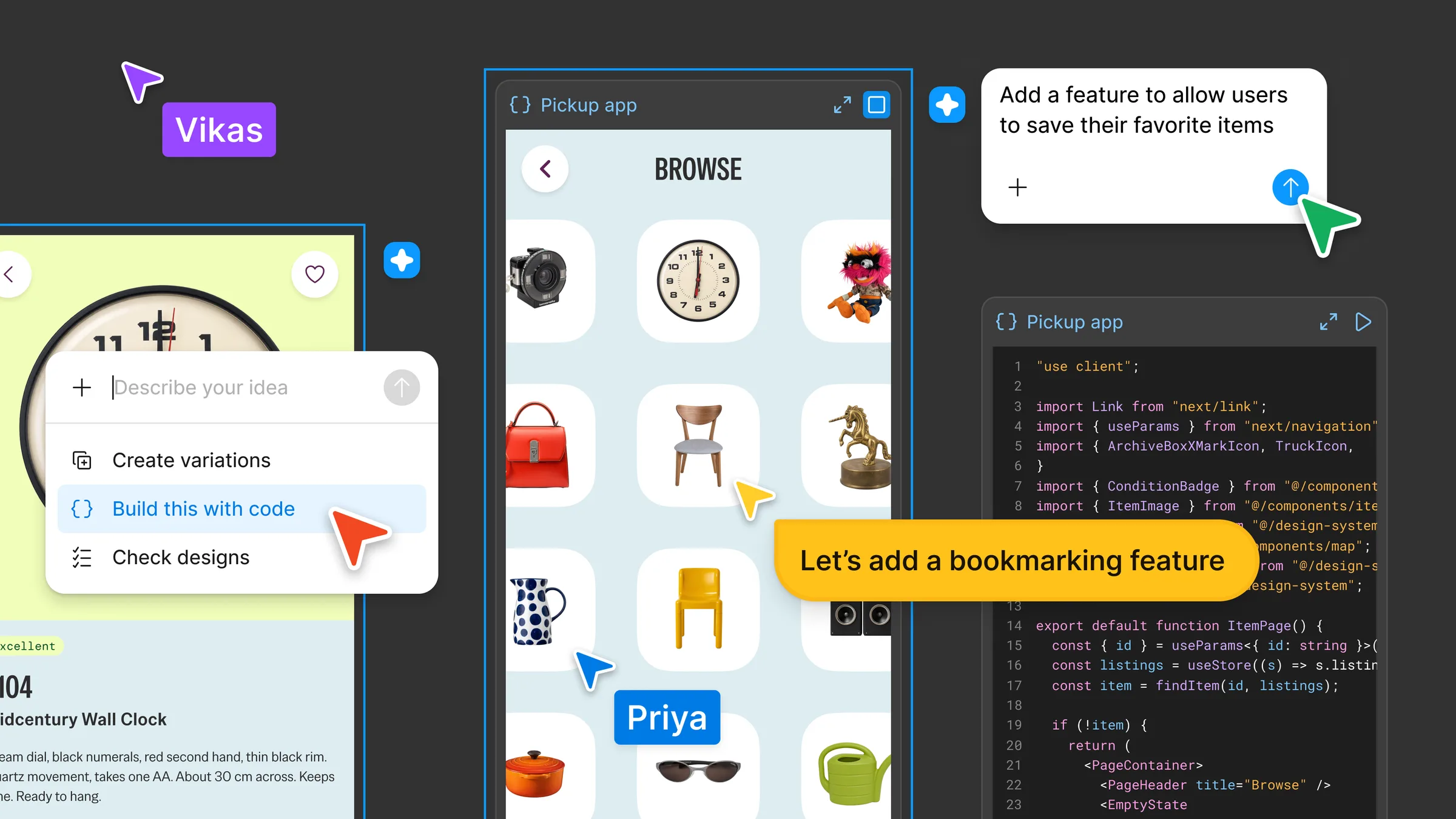
On October 15, 2026, Figma opened code layers, which keep working code prototypes on the design canvas, to everyone in beta, along with Specs, a Markdown document that sits next to designs. Code layers use AI credits, but creating and editing them is free on paid plans through November 4. Figma Make now sets up a Payload backend with a database, user login, and an admin panel.
Figmaverified
Google Messages adds an opt-in mode that checks unknown senders with cloud Gemini models
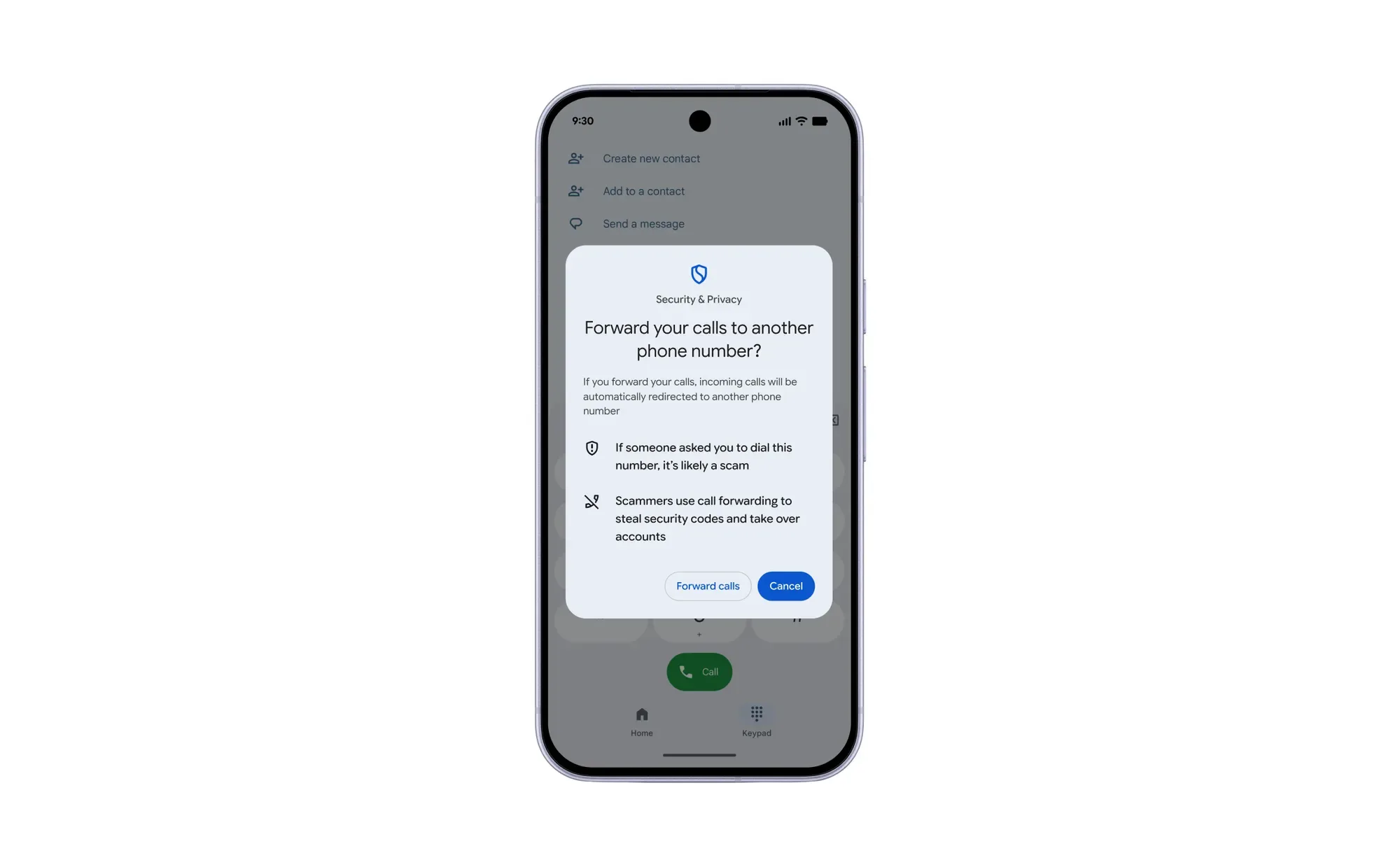
Google announced new scam protections for Android on October 14, 2026. An opt-in Enhanced protection mode in Google Messages sends conversations with unknown senders to Gemini models in the cloud and checks unfamiliar links on the device. Android will also hide login and payment fields during screen sharing in Chrome and block apps from quietly forwarding calls.
Googleverified